How Do I Clear My TPM Reset and Get System Working Again
A TPMS reset is a simple process that clears the tire pressure warning light on your dashboard. Whether your light stays on after checking tire pressure, replacing a sensor, or filling your tires, this guide walks you through every method to clear the system. You will learn the most common reasons the TPMS light won’t turn off and how to fix them in minutes.
That little yellow warning light on your dashboard shaped like a horseshoe with an exclamation point can really throw you off. You checked your tire pressure, everything looks fine, but the light just won’t go away. If you have been Googling how to clear your TPMS reset, you are in the right place.
The Tire Pressure Monitoring System, or TPMS, is designed to keep you safe. It alerts you when your tire pressure drops below a safe level. But sometimes the system gets stuck in a warning loop even after you fix the problem. This article will show you exactly how to clear that light and get your system working again. We will cover every method, every common cause, and every mistake to avoid.
Whether you drive a Toyota, Honda, Ford, or any other brand, the process is more straightforward than you might think. You do not need a mechanic or expensive tools for most resets. Let us walk through it together, step by step.
Key Takeaways
- TPMS reset is easy: Most vehicles let you clear the warning light with a simple button sequence or menu option.
- Check tire pressure first: Always verify all tires are at the correct PSI before attempting a reset.
- Common causes include: Temperature changes, slow leaks, dead sensor batteries, and recent tire rotations.
- Reset methods vary by vehicle: Some cars use a dashboard button, while others require a scan tool or infotainment menu.
- Safety matters: Driving with an active TPMS light can mean underinflated tires, which is a safety risk.
- When to see a pro: If the light persists after a reset, your sensor may need replacement or reprogramming.
📑 Table of Contents
What Is a TPMS Reset and Why Do You Need One?
A TPMS reset tells your car’s computer that the tire pressure is now at the correct level. Once all tires are properly inflated, you reset the system so the warning light turns off. Think of it like clearing a notification on your phone. The message is done, so you dismiss it.
There are several reasons your TPMS light might stay on even when your tires are fine:
- Temperature changes: Cold weather can temporarily lower tire pressure and trigger the light.
- Slow leak: A tiny puncture may not be visible but still lets air out slowly.
- Recent tire service: Rotating tires or replacing a tire can confuse the system.
- Dead sensor battery: TPMS sensors have batteries that eventually die and need replacement.
- Sensor malfunction: Sometimes the sensor itself fails and needs to be repaired or replaced.
Before you try any reset, make sure your tire pressure matches the recommended PSI for your vehicle. You can find this number on the driver’s side door jamb. Use a reliable tire pressure gauge to check each tire, including the spare if your vehicle has one.
How to Clear Your TPMS Light: Step-by-Step Methods
Clearing a TPMS reset depends on your vehicle make and model. Most cars offer at least one of the methods below. Let us go through each one in detail.
Method 1: The Dashboard Button Reset
Many vehicles have a dedicated TPMS reset button located under the steering column or on the left side of the dashboard. Here is how to use it:
- Start your car and let it idle for a few minutes.
- Locate the TPMS reset button. It is usually a small pinhole or a button labeled “TPMS.”
- Press and hold the button until the TPMS light on your dashboard blinks three times.
- Release the button and let the car run for about 20 minutes.
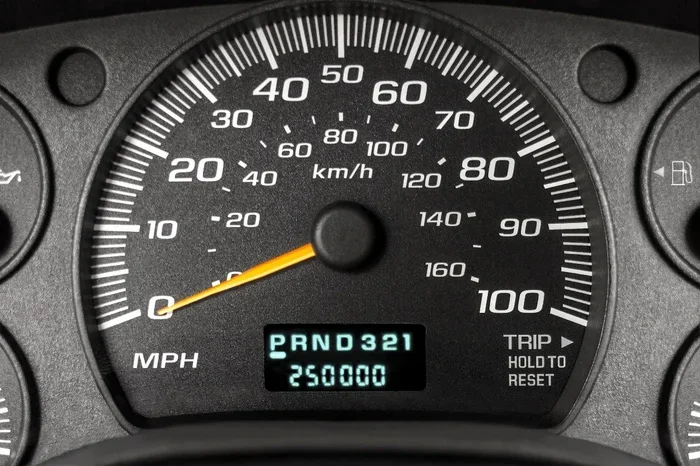
- Drive the car at or above 50 mph for a few miles. The system will recalibrate.
This method works for most Toyota, Honda, Ford, and Chevrolet models. If you are unsure where your reset button is, check your owner’s manual. It will have a diagram showing the exact location.
Method 2: The Infotainment System Menu
Newer vehicles, especially those from 2015 and later, often let you reset the TPMS through the infotainment screen. The exact steps vary, but here is a general guide:
- Go to the Settings menu on your touchscreen.
- Look for “Vehicle Settings” or “Maintenance.”
- Find the TPMS option and select “Reset” or “Calibrate.”
- Confirm the reset and drive the car to let the system relearn tire positions.
Some vehicles, like certain Toyota and Lexus models, require you to hold a button on the screen for several seconds. Always make sure all tires are at the correct pressure before starting this process.
Method 3: Using a TPMS Scan Tool
If the button or menu method does not work, you can use a TPMS scan tool. These devices plug into your car’s OBD-II port, which is usually located under the dashboard on the driver’s side. The scan tool communicates directly with the TPMS module and allows you to:
- Read sensor IDs and battery levels.
- Reset the warning light.
- Reprogram sensors after replacement.
You can buy a basic scan tool for under $30 at most auto parts stores. If you do not want to buy one, many auto shops will perform the reset for free or for a small fee. This is a great option if you are not comfortable working under the dashboard.
Method 4: The Driving Reset Technique
Some vehicles reset the TPMS automatically after you drive at a steady speed for a certain distance. This method is the simplest but also the slowest. Here is what to do:
- Make sure all tires are inflated to the correct PSI.
- Drive at a steady speed of 50 mph or higher for at least 10 minutes.
- The system should recalibrate and turn off the light within a few miles.
This method works best for vehicles that use a “relearn” process. The car’s computer monitors each sensor and updates its baseline. If the light was triggered by a temporary pressure drop from cold weather, this method often clears it completely.
Common Reasons the TPMS Light Won’t Turn Off
If you have tried resetting the system and the light is still on, something else may be going on. Here are the most common reasons a TPMS reset does not work right away.
Temperature and Weather Changes
Cold weather is the number one culprit for false TPMS warnings. When the air temperature drops, the air inside your tires contracts, which lowers the pressure. A drop of just 10 degrees Fahrenheit can reduce tire pressure by about 1 PSI. If the pressure dips below the threshold set by your car’s computer, the light comes on.
The good news is this is usually temporary. Once the tires warm up from driving, the pressure rises and the light should turn off. If it does not, you may need to add a small amount of air to bring the pressure back to the recommended level.
Slow Tire Leaks
A slow leak is harder to spot than a flat tire. You might not hear any hissing or see any visible damage. Common causes of slow leaks include:
- A small nail or screw lodged in the tread.
- A damaged valve stem that lets air seep out slowly.
- A poor seal between the tire and the rim.
- Corrosion on the rim edge that breaks the airtight seal.
If you notice the TPMS light comes and goes, especially after parking overnight, a slow leak is likely the cause. Spray soapy water on each tire and look for bubbles forming. This simple trick can reveal a leak in seconds.
Dead TPMS Sensor Battery
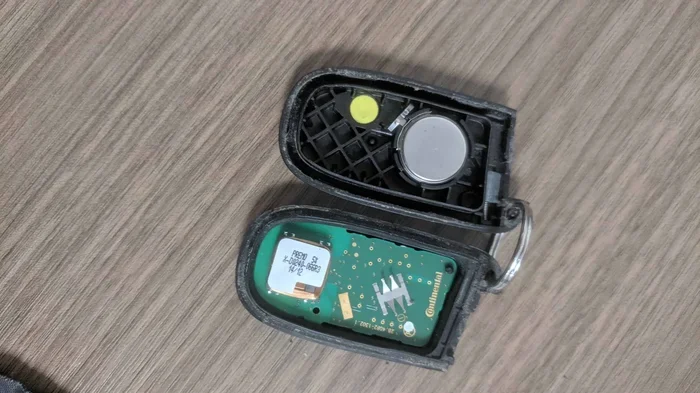
Every TPMS sensor has a small battery that typically lasts between 5 and 10 years. When the battery dies, the sensor cannot send data to your car’s computer, and the warning light stays on. A dead battery is one of the most common reasons a TPMS reset fails. You cannot replace just the battery in most sensors. Instead, the entire sensor unit needs to be replaced.
A mechanic or auto parts store can test your sensor batteries using a TPMS scan tool. If one or more sensors show low battery levels, replacing them is the best solution. After replacement, you will need to reprogram the new sensors into the system.
Recent Tire or Wheel Changes
If you recently rotated your tires, replaced a tire, or changed wheels, the TPMS system may need to relearn the new tire positions. Each sensor has a unique ID that the car’s computer tracks. When you move a tire to a different position, the system gets confused until you reset it.
After any tire service, always perform a TPMS reset to update the system. This is especially important if you had a tire changed at a shop that does not automatically reset the system for you.
Can You Drive With the TPMS Light On?
This is one of the most common questions drivers ask. The short answer is yes, but you should not ignore it. Here is what you need to know.
If the light comes on and stays solid, it usually means one or more tires are significantly underinflated. Driving on underinflated tires is dangerous. It reduces your grip on the road, increases stopping distance, and can cause a blowout at high speeds. If the light comes on while you are driving, pull over safely and check your tire pressure as soon as possible.
On the other hand, if the light flashes for about 60 to 90 seconds and then stays solid, it usually indicates a problem with the TPMS system itself, not the tire pressure. This could be a faulty sensor, a dead battery, or a wiring issue. You can still drive the car, but you should have the system inspected by a professional soon.
If you have ever wondered whether you can drive with the maintenance required light on, the answer is similar. These lights are warnings, not emergencies. But addressing them promptly keeps your car safe and running well.
TPMS Reset Tips and Best Practices
Follow these tips to make your TPMS reset go smoothly every time:
- Always check tire pressure first. Never reset the light without confirming your tires are at the correct PSI.
- Use a quality tire pressure gauge. Cheap gauges can give inaccurate readings and lead to unnecessary resets.
- Reset after every tire service. Whether you rotated tires, changed a flat, or just added air, reset the system afterward.
- Drive at highway speeds after resetting. This helps the system relearn and calibrate properly.
- Replace sensor batteries proactively. If your sensors are more than 8 years old, consider replacing the batteries before they die unexpectedly.
- Keep your owner’s manual handy. Every vehicle has slightly different reset procedures. Your manual will have the exact steps for your specific model.
When to See a Professional
Most TPMS resets are simple and take just a few minutes. But there are times when you should let a professional handle it. If you have tried all the reset methods and the light still will not go off, there may be a deeper issue at play.
You should also see a professional if you notice any of the following:
- The TPMS light flashes and stays on after a reset.
- One or more sensors show a “no signal” reading on a scan tool.
- You have replaced a sensor but the system still will not recognize it.
- You notice a persistent slow leak that you cannot locate or fix yourself.
A certified mechanic or tire shop can diagnose sensor issues, replace faulty components, and reprogram the system properly. Many shops offer free TPMS checks and resets, so there is no harm in getting a second opinion.
If you are dealing with a faulty tire pressure sensor and wondering whether you can handle the repair yourself, check out our guide on fixing your own tire pressure sensor for detailed instructions.
Conclusion
Clearing a TPMS reset is one of the simplest maintenance tasks you can do on your car. Whether you use the dashboard button, the infotainment menu, a scan tool, or a driving reset, the process is quick and usually requires no special tools. The key is to always check your tire pressure first and make sure everything is at the correct level before you reset the system.
Most TPMS warnings are caused by simple issues like temperature changes or minor pressure drops. A quick reset takes care of those right away. But if the light keeps coming back, it is worth investigating further. A dead sensor battery, a slow leak, or a faulty sensor could be the underlying cause.
Take care of your tires and they will take care of you. Regular pressure checks, timely resets, and prompt attention to warning lights will keep you safe on the road and help your tires last longer. You have got this. The next time that yellow light pops on, you will know exactly what to do.
If you recently filled your tires with air and the light is still on, you might want to check out our article on whether you need to reset TPMS after filling air for more specific guidance.
Frequently Asked Questions
How long does a TPMS reset take?
A basic TPMS reset takes about 5 to 10 minutes. After pressing the reset button or using the menu, you typically need to drive the car for 10 to 20 minutes at highway speeds for the system to fully recalibrate. The entire process from start to finish is usually under 30 minutes.
Why is my TPMS light still on after I reset it?
If the light stays on after a reset, it usually means one or more tires are still below the recommended pressure. Temperature changes, slow leaks, or a dead sensor battery can also prevent the light from turning off. Double-check all tire pressures with a reliable gauge and add air as needed before trying the reset again.
Can I reset the TPMS light myself without any tools?
Yes, in most vehicles you can reset the TPMS light yourself using just the dashboard button or the infotainment menu. No special tools are required. However, if the reset does not work, a TPMS scan tool may be needed to diagnose sensor issues or reprogram the system.
How much does it cost to replace a TPMS sensor?
TPMS sensor replacement typically costs between $50 and $100 per sensor, including parts and labor. Some aftermarket sensors are less expensive, but OEM sensors from the dealership tend to last longer and integrate more smoothly with your vehicle’s system.
Does resetting TPMS clear all tire pressure warnings?
Yes, a proper TPMS reset clears the warning light once all tires are at the correct pressure. However, if there is an underlying issue like a slow leak or a dead sensor battery, the light may come back after driving for a while. Always address the root cause before resetting the system.
Is it safe to drive with the TPMS light flashing?
A flashing TPMS light usually indicates a problem with the system itself, not the tire pressure. You can drive short distances safely, but you should have the system inspected by a professional as soon as possible. A malfunctioning TPMS means you will not get proper tire pressure warnings, which can be a safety risk over time.