How Do You Reset the Tire Pressure Light Toyota Sequoia
Resetting the tire pressure light on a Toyota Sequoia is a simple process you can do at home in just a few minutes. This guide walks you through the TPMS reset button location, the reset tire pressure sensor procedure, and the most common reasons the low tire pressure warning keeps coming back. Whether you have a 2015, 2020, or 2024 Toyota Sequoia, you will find clear, actionable steps to get that annoying dashboard light off for good.
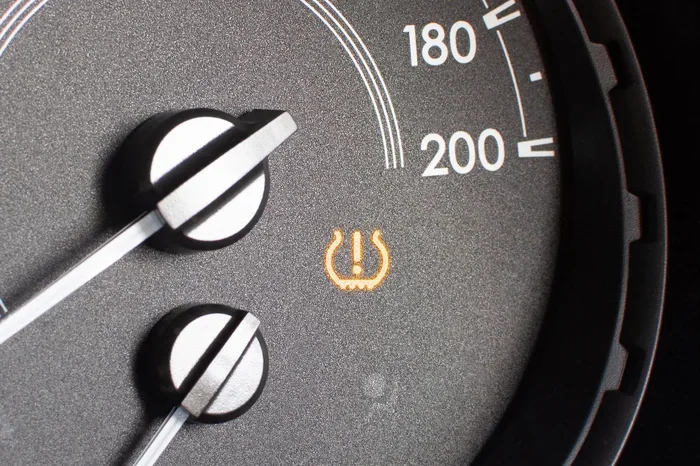
That little horseshoe-shaped warning light on your dashboard can really get under your skin. You are driving your Toyota Sequoia, everything feels fine, and suddenly there it is — the tire pressure light Toyota Sequoia owners dread. You might wonder if it is something serious or just a glitch. Either way, you want it gone.
The good news is that resetting the tire pressure monitoring system on a Toyota Sequoia is something most owners can handle themselves. You do not need a mechanic, and you do not need expensive tools. In this guide, we will walk you through every method, explain why the light comes on in the first place, and share tips to keep it from returning. Let us get into it.
Key Takeaways
- Quick Reset Method: Most Toyota Sequoia models let you reset the TPMS light using the steering wheel controls or the glove box reset button.
- Check Tire Pressure First: Always verify your tire pressure with a gauge before resetting the light to avoid masking a real problem.
- Common Culprits: Temperature changes, slow leaks, and faulty sensors are the top reasons the tire pressure light returns after a reset.
- Safety Matters: Driving with the tire pressure light on can reduce fuel efficiency and increase the risk of a blowout.
- When to See a Pro: If the light persists after a reset, you may need a TPMS sensor replacement or a Toyota dealership diagnostic scan.
📑 Table of Contents
- What the Tire Pressure Light Means on a Toyota Sequoia
- How to Reset the Tire Pressure Light on a Toyota Sequoia
- Why Does the Tire Pressure Light Come On?
- Step-by-Step Tire Pressure Check Before Resetting
- Common Mistakes When Resetting the Tire Pressure Light
- When to See a Professional for TPMS Issues
- Preventing the Tire Pressure Light from Coming Back
- Toyota Sequoia TPMS Tips for Different Model Years
- Quick Tips for a Successful TPMS Reset
- Conclusion
What the Tire Pressure Light Means on a Toyota Sequoia
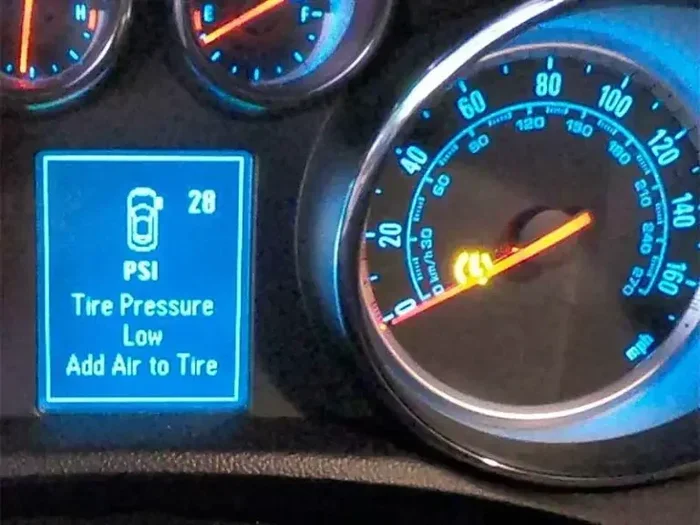
Before you dive into the reset process, it helps to understand what you are dealing with. The TPMS — short for Tire Pressure Monitoring System — is a safety feature built into your Sequoia. It uses sensors inside each tire to monitor air pressure. When one or more tires fall below the recommended level, the dashboard light turns on.
The light usually looks like a horseshoe with an exclamation point in the center. On some model years, it may also show the words “Tire Pressure” or “TPMS.” Here is what different behaviors can mean:
- Solid yellow light: One or more tires are underinflated. This is the most common trigger.
- Flashing yellow light: A TPMS sensor may be malfunctioning or the system has a communication error.
- Light comes on and off: Often caused by temperature changes, especially during cold mornings.
Ignoring this light is never a good idea. Underinflated tires wear out faster, reduce fuel economy, and can lead to a dangerous blowout at highway speeds. So let us move on to fixing it.
How to Reset the Tire Pressure Light on a Toyota Sequoia
Now for the part you have been waiting for. There are a few different ways to reset the tire pressure light depending on your model year. Below we cover the most common methods that work on 2007 through 2024 Toyota Sequoia models.
Method 1: Using the Steering Wheel Controls
This is the most common method for newer Sequoia models. Here is what you need to do:
- Start the engine and let the vehicle sit for a few minutes.
- Press the Menu button on the steering wheel controls.
- Use the arrow buttons to navigate to Vehicle Settings.
- Scroll down to TPMS or Tire Pressure Monitor.
- Select Reset or Calibrate.
- Confirm the reset when prompted.
After you complete these steps, the light should turn off within a minute or two. Drive the vehicle for about 10 minutes at speeds above 25 mph to allow the system to relearn the tire pressure values.
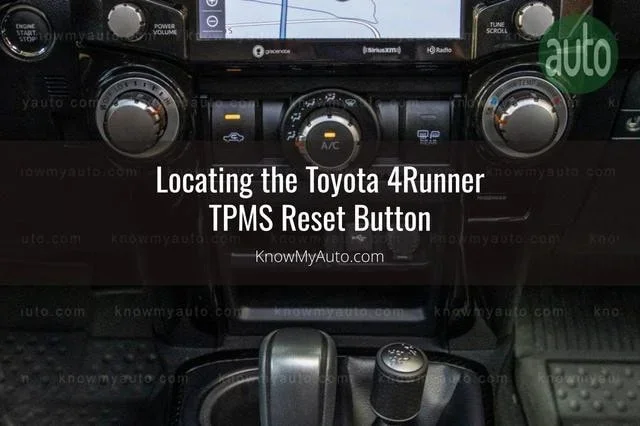
Method 2: Using the Glove Box Reset Button
On older Sequoia models, the reset process is a bit more hands-on. Look for a small button located beneath the steering column or inside the glove box. The exact location varies by year, so check your owner’s manual if you cannot find it.
Here is the general process:
- Turn the ignition to the “ON” position without starting the engine.
- Locate the TPMS reset button.
- Press and hold the button until the tire pressure light on the dashboard blinks three times.
- Release the button.
- Start the engine and drive the vehicle for 10 to 20 minutes.
The system should recalibrate, and the light should go off. If it does not, try Method 3 below.
Method 3: Disconnecting the Battery
This method works when the other two do not. It essentially hard resets the vehicle’s electrical system, which clears error codes including the TPMS light.
- Turn off the engine and remove the key from the ignition.
- Open the hood and locate the negative battery terminal.
- Use a wrench to loosen the cable clamp and disconnect it from the battery post.
- Wait for at least 15 minutes.
- Reconnect the cable and tighten the clamp.
- Start the engine and check if the light is off.
Keep in mind that disconnecting the battery may also reset other settings like your radio presets and clock. You will need to reprogram those after reconnecting.
Why Does the Tire Pressure Light Come On?
Resetting the light is only half the battle. If you do not address the root cause, it will come right back. Understanding why the light activates helps you prevent future issues.
Temperature Changes
This is the number one reason the tire pressure light flickers on and off. When the temperature drops, the air inside your tires contracts. A 10-degree drop in temperature can reduce tire pressure by about 1 PSI. During cold mornings in winter, this is extremely common and usually not a cause for alarm.
However, if the light stays solid, you should check your tire pressure. The recommended pressure for a Toyota Sequoia is typically between 32 and 35 PSI, but always refer to the sticker on the driver’s door jamb for your exact model year.
Slow Leaks and Punctures
A slow leak from a nail, screw, or damaged valve stem can cause the pressure to drop gradually. You might not even notice the tire feels slightly soft. Over a few days, the TPMS sensor detects the change and triggers the warning.
Quick Tip: Get into the habit of checking your tire pressure at least once a month. A simple tire pressure gauge costs a few dollars and can save you from unexpected flats and uneven tire wear.
Faulty TPMS Sensors
TPMS sensors have a battery life of about 5 to 10 years. When the battery dies, the sensor cannot communicate with the vehicle’s computer, and the light stays on. In some cases, the sensor itself may be damaged from road debris or corrosion.
If you have recently reset the light and it returns within a day or two, a faulty sensor is likely the culprit. A mechanic or Toyota dealership can run a diagnostic scan to identify which sensor needs replacement.
After a Tire Change or Rotation
If you have recently rotated your tires, replaced a flat, or put on new wheels, the TPMS system may need recalibration. The sensors need time to relearn the pressure levels, and sometimes the reset process triggers this manually.
Step-by-Step Tire Pressure Check Before Resetting
Always check your tire pressure before attempting a reset. This ensures you are not masking a real safety issue. Here is the proper way to do it:
- Check tire pressure when the tires are cold (the vehicle has been parked for at least 3 hours or driven less than 1 mile).
- Remove the valve cap from the tire.
- Press the tire pressure gauge firmly onto the valve stem.
- Read the PSI number and compare it to the recommended pressure on the driver’s door jamb sticker.
- Add air if the pressure is low. Use a compressor at a gas station or a portable tire inflator.
- Replace the valve cap and repeat for all tires, including the spare.
Once all tires are at the correct pressure, proceed with the reset method that works for your Sequoia model. This two-step process — check first, reset second — is the best practice every time.
Common Mistakes When Resetting the Tire Pressure Light
Even simple tasks can go wrong if you are not careful. Here are the most common mistakes Sequoia owners make when dealing with the TPMS light:
- Resetting without checking pressure first: This is the biggest mistake. If a tire is actually low, resetting the light just hides the problem and puts you at risk.
- Not driving long enough after a reset: The TPMS system needs time to relearn. Driving for at least 10 minutes at higher speeds is essential for the recalibration to take effect.
- Ignoring a flashing light: A solid light usually means low pressure. A flashing light often means a sensor malfunction. Treat these differently.
- Using the wrong tire pressure: Every vehicle has a specific recommended PSI. The number on the tire itself is the maximum pressure, not the recommended one.
- Forgetting the spare tire: Some Sequoia models also monitor the spare tire pressure. Do not skip it during your check.
When to See a Professional for TPMS Issues
Most of the time, resetting the tire pressure light is a quick DIY job. But there are situations where you should let a professional handle it. Consider visiting a mechanic or your local Toyota dealership if:
- The light returns immediately after a successful reset.
- The TPMS light is flashing instead of staying solid.
- You have checked all tires and they are at the correct pressure, but the light remains on.
- You notice one or more tires losing air frequently, which could indicate a slow leak or a damaged valve stem.
- You have recently replaced a TPMS sensor and the new one is not being recognized by the system.
A professional diagnostic scan can read the specific error codes stored in the vehicle’s computer. This tells you exactly which sensor is failing or whether there is a deeper electrical issue. If you are also dealing with other warning lights, such as the check engine light, it may be worth addressing them together to save time and money.
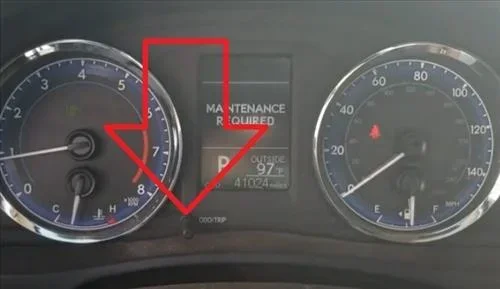
For related maintenance tips, you might also want to read our guide on how to clear a TPM reset for general TPMS troubleshooting, or check out whether you can drive with the maintenance required light on if you are seeing multiple dashboard warnings on your Toyota.
Preventing the Tire Pressure Light from Coming Back
The best way to deal with the TPMS light is to prevent it from coming back in the first place. Here are some proactive steps every Toyota Sequoia owner should take:
- Check tire pressure monthly: A quick check takes less than five minutes and can extend the life of your tires significantly.
- Invest in a quality tire pressure gauge: The pencil-style gauges are cheap but not always accurate. A digital gauge gives you precise readings every time.
- Monitor seasonal temperature changes: In winter, add a few extra PSI as temperatures drop. In summer, be careful not to overinflate.
- Inspect valve stems regularly: Old or cracked valve stems are a common source of slow leaks. Replacing them is inexpensive and easy.
- Rotate tires on schedule: Following the recommended tire rotation interval keeps wear even and helps the TPMS sensors last longer.
- Replace TPMS sensors proactively: If your Sequoia is over 8 years old, consider having the sensors checked during routine maintenance. A dead battery is predictable and easy to replace before it causes problems.
Toyota Sequoia TPMS Tips for Different Model Years
The TPMS system has evolved across Toyota Sequoia generations. Here is a quick comparison of how the reset process differs by era:
2001–2007 (First Generation)
These older models use a manual reset button typically located under the steering column or inside the glove compartment. The reset process is straightforward but requires you to physically press and hold the button. The TPMS sensors in these models are more prone to battery failure as the vehicle ages.
2008–2021 (Second Generation)
The second generation Sequoia introduced more refined TPMS calibration through the vehicle settings menu. The steering wheel control method became the primary reset approach. These models also feature more reliable sensors with longer battery life.
2022–2024 (Third Generation)
The latest Sequoia models include advanced infotainment integration for TPMS management. You can access tire pressure readings and reset options directly through the touchscreen display. The system also provides real-time alerts for individual tire pressure changes.
No matter which generation you own, the core reset principles remain the same. Check the pressure, use the reset method for your model year, and drive the vehicle to allow recalibration.
Quick Tips for a Successful TPMS Reset
Here are some quick tips to make the reset process smooth and hassle-free:
- Always reset the TPMS after you have inflated all tires to the correct pressure.
- Drive at highway speeds for at least 10 minutes after resetting to help the system relearn.
- Keep your owner’s manual handy. It contains model-specific reset instructions and recommended tire pressures.
- If the light persists after multiple reset attempts, do not ignore it. Have the sensors tested professionally.
- For owners who frequently tow heavy loads, check tire pressure more often. The added weight puts extra stress on the tires and can trigger the TPMS light.
For additional dashboard light guidance, our article on how to clear a check engine code covers similar reset techniques for other Toyota warning lights.
Conclusion
Resetting the tire pressure light on your Toyota Sequoia does not have to be complicated. Whether you use the steering wheel controls, the glove box reset button, or the battery disconnect method, the process is straightforward and takes only a few minutes. The key is to always check your tire pressure first, confirm everything is at the correct level, and then perform the reset. This way, you are not just hiding the warning — you are addressing the real issue.
By staying on top of your tire pressure maintenance, you protect your investment, improve fuel economy, and keep your Sequoia safe on the road. Make it a habit to check your tires regularly, and the TPMS light will hopefully stay off where it belongs.
If you found this guide helpful, share it with a fellow Sequoia owner who might be dealing with the same annoying dashboard light. And remember, when in doubt, a quick trip to a trusted mechanic or Toyota dealership can save you time and prevent small issues from becoming big problems.
Frequently Asked Questions
How do I know if my Toyota Sequoia tire pressure is low?
The most obvious sign is the TPMS warning light on your dashboard. You may also notice the vehicle pulling to one side, reduced fuel economy, or a feeling of sluggish handling. The best way to confirm is to check each tire with a tire pressure gauge and compare the reading to the recommended PSI listed on the driver’s door jamb sticker.
Can I drive my Toyota Sequoia with the tire pressure light on?
You can drive short distances, but it is not recommended. Underinflated tires reduce handling stability, increase stopping distances, and raise the risk of a blowout. If the light is on, pull over safely, check your tire pressure, and add air if needed before continuing your drive.
How often should I reset my Toyota Sequoia TPMS?
You should only reset the TPMS after you have corrected the tire pressure and confirmed all tires are at the recommended level. There is no regular schedule for resetting the system. However, it is a good practice to reset the TPMS after any tire rotation, tire change, or seasonal pressure adjustment.
What should I do if the tire pressure light keeps coming back after a reset?
If the light returns shortly after a reset, there is likely an underlying issue such as a slow leak, a faulty TPMS sensor, or a damaged valve stem. Check all tires for proper inflation and inspect the valve stems for cracks or damage. If everything looks correct, take your Sequoia to a mechanic for a diagnostic scan to identify the problem.
Does cold weather cause the tire pressure light to come on?
Yes, cold weather is one of the most common triggers for the TPMS light. When temperatures drop, the air inside your tires contracts and pressure decreases. A temperature drop of just 10 degrees Fahrenheit can reduce tire pressure by about 1 PSI. This is usually temporary and resolves once the tires warm up from driving, but you should still verify the pressure is within the recommended range.
How much does it cost to replace a TPMS sensor on a Toyota Sequoia?
The cost varies depending on the model year and where you have the work done. A single TPMS sensor typically costs between $50 and $100 for the part, with labor adding another $30 to $50 per sensor. If all four sensors need replacement, expect to pay between $300 and $600 total at a tire shop or Toyota dealership.