Do You Leave the Car Running When Adding Transmission Fluid
Do you leave the car running when adding transmission fluid? The answer depends on your vehicle type and the specific task. Most experts recommend leaving the engine off when simply checking or topping up fluid, but some procedures require the engine to be running. Getting this wrong can lead to inaccurate readings or even injury. This guide walks you through every scenario so you can handle transmission fluid maintenance with confidence and keep your car running smoothly.
Key Takeaways
- Engine Off for Checks: Always turn the engine off when checking or topping up transmission fluid to get an accurate reading.
- Engine On for Some Changes: Certain transmission fluid changes require the engine to run and the fluid to be warm.
- Warm Fluid Reads Better: Transmission fluid expands when hot, giving you a more accurate level check.
- Use the Right Fluid Type: Using the wrong transmission fluid can damage your gearbox and void your warranty.
- Safety First: Always park on a level surface and use jack stands if you go under the car.
- Watch for Warning Signs: Dark color, burnt smell, or low level all signal it is time for a transmission fluid change.
📑 Table of Contents
- Why Transmission Fluid Matters for Your Car
- Do You Leave the Car Running When Adding Transmission Fluid?
- Step-by-Step Guide to Adding Transmission Fluid
- Common Mistakes When Adding Transmission Fluid
- How to Know When Your Transmission Fluid Needs Changing
- Quick Tips and Expert Advice
- Key Takeaways
- Conclusion
Why Transmission Fluid Matters for Your Car
Transmission fluid is the lifeblood of your vehicle’s gearbox. It lubricates all the moving parts inside the transmission. Without it, metal grinds against metal. That leads to overheating, wear, and eventually total failure.
Think of it like engine oil but for your transmission system. It reduces friction, cools the gears, and helps shift smoothly. Over time, this fluid breaks down. It gets dirty. It loses its protective properties.
Neglecting your transmission fluid level is one of the most common causes of transmission problems. Many car owners forget about it until something goes wrong. By then, the repair bill can be huge. A simple fluid check or change takes minutes and costs very little.
So, do you leave the car running when adding transmission fluid? That is the question we will answer in detail. But first, let us understand what this fluid does and why getting it right matters so much.
Do You Leave the Car Running When Adding Transmission Fluid?
The short answer is: it depends. The longer answer requires a bit of explanation. Whether you keep the engine running or turn it off depends on what exactly you are doing.
Checking or Topping Up the Fluid
If you are simply checking the transmission fluid level or adding a small amount to top it up, you should turn the engine off. Here is why. The fluid needs to settle in the pan and the torque converter. If the engine is running, the fluid is circulating and splashing around. The dipstick reading will be inaccurate.
For most automatic vehicles, the proper procedure is:
- Park the car on a flat surface.
- Turn the engine off.
- Locate the transmission fluid dipstick.
- Pull it out, wipe it clean, reinsert it fully.
- Pull it out again and read the level.
Some manufacturers, like Ford and Chrysler, recommend checking the fluid with the engine running and warm. This is an exception. Always check your owner’s manual first. The manual will tell you the exact procedure for your specific vehicle.
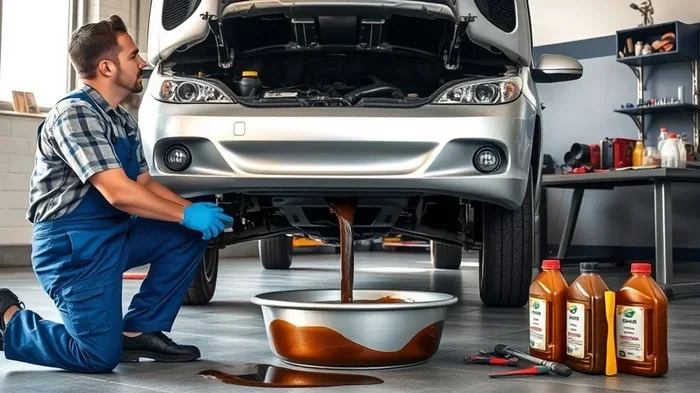
Performing a Full Transmission Fluid Change
A full transmission fluid change is different from a simple top-up. In many cases, you will need the engine running. Here is why. When you drain the old fluid and refill with new fluid, you want the new fluid to circulate through the entire system. Running the engine helps push the fluid through all the passages, valves, and gears.
During a full change, the fluid should also be warm. Warm fluid flows better. It drains more completely. It also carries more contaminants out with it. This gives you a cleaner system and better results.
However, running the engine during a fluid change comes with risks. Hot fluid can burn you. The car could move if it is not in park. So safety precautions are absolutely essential.
The Role of Transmission Fluid Temperature
Temperature plays a big role in how you handle transmission fluid. Cold fluid is thick and does not flow well. It also does not give accurate dipstick readings. Hot fluid is thinner and fills all the channels properly.
Most mechanics recommend checking the fluid when the engine is warm but not hot. A quick 5-minute drive and then a stop works well. The fluid will be at normal operating temperature. This gives you the most reliable reading.
For a full fluid change, you want the fluid warm so it drains completely. But you do not want it so hot that it burns your skin. Use caution and wear gloves.
Step-by-Step Guide to Adding Transmission Fluid
Adding transmission fluid is not hard, but doing it wrong can cause problems. Follow these steps carefully for the best results.
Step 1: Gather Your Supplies
Before you start, make sure you have everything you need:
- The correct type of transmission fluid for your vehicle. Check the owner’s manual or ask at your auto parts store.
- A clean funnel with a narrow spout.
- A clean rag or paper towel.
- A jack and jack stands if you need to go under the car.
- Safety gloves and eye protection.
Using the wrong fluid type is one of the biggest mistakes people make. Automatic transmission fluid is not the same as manual transmission fluid. They have different formulations and specifications. Using the wrong one can cause slipping, rough shifting, or internal damage.
Step 2: Park and Prepare the Vehicle
Park the car on a level surface. Engage the parking brake. If you are adding fluid with the engine off, turn the ignition to the off position. If the procedure requires a warm engine, take a short drive first and then park.
Make sure the car is stable. Never rely on just a jack. Use jack stands or drive the car onto a ramp if you need access underneath.
Step 3: Locate the Dipstick
Open the hood and look for the transmission fluid dipstick. It usually has a brightly colored handle, often red or yellow. It is typically located near the back of the engine bay, close to the firewall.
If you cannot find it, consult your owner’s manual. Some newer vehicles do not have a traditional dipstick. They use a sealed transmission that requires a mechanic to check the level with specialized tools.
Step 4: Check the Current Level
Pull the dipstick out and wipe it clean with a rag. Reinsert it all the way, then pull it out again. Look at the fluid level relative to the markings on the dipstick.
The fluid should fall between the “full” and “add” marks. If it is below the “add” line, you need to add more fluid. If it is already at or above the full line, do not add more. Overfilling can cause problems too.
While you are at it, check the fluid color and smell. Healthy transmission fluid is typically red or pink and has a slightly sweet smell. If it looks dark brown or black, or if it smells burnt, you may need a full fluid change rather than just a top-up.
Step 5: Add the Fluid
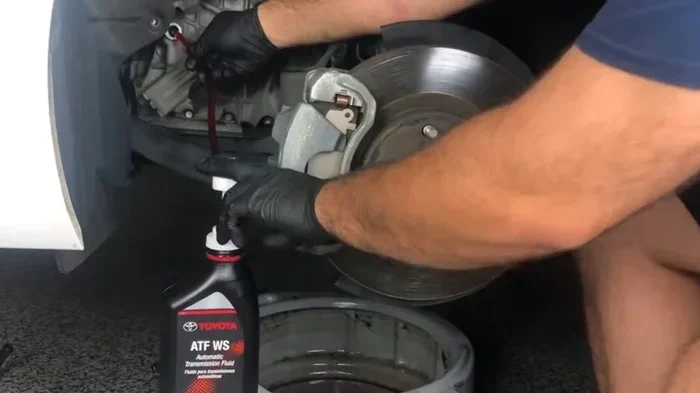
Insert a clean funnel into the dipstick tube. Pour the transmission fluid in slowly. Add small amounts at a time. After each addition, recheck the level with the dipstick.
Do not overfill. Too much fluid can cause foaming, which reduces lubrication. It can also lead to pressure buildup and leaks.
Step 6: Run the Engine and Recheck
After adding fluid, start the engine and let it idle for a few minutes. This allows the fluid to circulate. Then shift through all the gears and let it settle. Turn the engine off and recheck the level one final time.
This is especially important if you added a significant amount of fluid. The level can change once the fluid settles into the system.
Common Mistakes When Adding Transmission Fluid
Even experienced car owners make mistakes. Here are the most common ones to avoid.
Overfilling the Transmission
Adding too much fluid is just as bad as adding too little. Excess fluid causes foaming. Foaming reduces the fluid’s ability to lubricate properly. It can also cause the fluid to leak past seals and gaskets.
If you accidentally overfill, do not drive the car. Have the excess fluid drained or removed with a suction tool. A small overfill might not cause immediate damage, but it is best to correct it right away.
Using the Wrong Fluid Type
Not all transmission fluids are the same. Different vehicles require different formulations. Using the wrong type can lead to poor shifting, increased wear, and even transmission failure.
Always check your owner’s manual or consult a professional if you are unsure. When in doubt, ask a mechanic at your local shop. They can confirm the correct fluid for your vehicle.
Checking Fluid with the Engine in the Wrong State
Some people check the fluid with a cold engine. Others do it right after a long drive. Both approaches can give inaccurate results. The key is to follow the manufacturer’s recommended procedure.
For most vehicles, the correct approach is to check the fluid with the engine warm and idling on a level surface. But again, always refer to your owner’s manual for the exact instructions.
Ignoring Warning Signs
If your transmission is slipping, shifting roughly, or making unusual noises, do not just add fluid and hope for the best. These symptoms could indicate a deeper problem. Low fluid might be the cause, but it could also be a sign of internal wear or a leak.
Ignoring these signs can lead to costly transmission repair down the road. Address the issue promptly and get a professional diagnosis if needed.
How to Know When Your Transmission Fluid Needs Changing
Topping up fluid is one thing. Knowing when a full change is needed is another. Here are the signs that your transmission fluid is due for replacement.
Dark or Discolored Fluid
Fresh transmission fluid is bright red or pink. As it ages, it darkens. If your fluid looks brown or black, it has been oxidized and is losing its effectiveness. Dark fluid also contains more debris and metal particles from normal wear.
Burnt Smell
Healthy fluid has a slightly sweet smell. If it smells burnt or acrid, the fluid has broken down. This usually means it has been exposed to excessive heat. Burnt fluid does not lubricate as well, which puts your transmission at risk.
Sluggish or Rough Shifting
If your car hesitates when shifting gears or shifts roughly, the fluid could be the culprit. Old, dirty fluid loses its viscosity. It does not flow as smoothly. This can directly affect how your transmission performs.
Unusual Noises
Grinding, whining, or clunking sounds when shifting are never a good sign. These noises often indicate insufficient lubrication. The fluid may be low, old, or contaminated. A fluid change or top-up might solve the problem.
Transmission Fluid Leak
If you notice a red or brown puddle under your car, you may have a transmission fluid leak. Leaks can happen at the transmission pan, the seals, or the cooler lines. A leak will cause the fluid level to drop, which leads to poor performance and potential damage.
Recommended Change Intervals
Most manufacturers recommend changing transmission fluid every 30,000 to 60,000 miles. However, this varies widely. Some vehicles have “lifetime” fluid that never needs changing. Others, especially those used for towing or heavy driving, may need changes more frequently.
Check your owner’s manual for the specific interval. If you are unsure, a routine vehicle maintenance check at a trusted shop can help you stay on track.
Quick Tips and Expert Advice
Quick Tips for Adding Transmission Fluid
- Always use the correct fluid type specified by the manufacturer.
- Check the level on a flat surface for an accurate reading.
- Add fluid in small amounts and recheck frequently.
- Never overfill. Excess fluid causes foaming and pressure issues.
- Wear gloves and eye protection to avoid burns from hot fluid.
- Keep a record of when you last changed your fluid.
Expert Insights on Transmission Fluid Maintenance
Many experienced mechanics agree that regular fluid changes are the single best way to extend the life of your transmission. A transmission fluid flush every 30,000 to 50,000 miles can prevent most common transmission problems.
Some shops offer a transmission flush service that uses a machine to push out all the old fluid. This is more thorough than a simple drain and refill. However, it is also more expensive. For most vehicles, a standard fluid change works just fine.
Expert mechanics also recommend checking the fluid level at least once a month. It takes less than five minutes and can catch problems early. Catching low fluid early can save you from expensive repairs later.
One more tip from the pros: if you are ever unsure about the procedure, watch a video specific to your vehicle model. Every car is slightly different. A quick search for your make and model will give you a visual guide that makes the process much easier.
Key Takeaways
- Engine Off for Checks: Always turn the engine off when checking or topping up transmission fluid to get an accurate reading.
- Engine On for Some Changes: Certain transmission fluid changes require the engine to run and the fluid to be warm.
- Warm Fluid Reads Better: Transmission fluid expands when hot, giving you a more accurate level check.
- Use the Right Fluid Type: Using the wrong transmission fluid can damage your gearbox and void your warranty.
- Safety First: Always park on a level surface and use jack stands if you go under the car.
- Watch for Warning Signs: Dark color, burnt smell, or low level all signal it is time for a transmission fluid change.
Conclusion
Do you leave the car running when adding transmission fluid? The answer is not a simple yes or no. For checking and topping up, turn the engine off. For a full fluid change, you may need it running with warm fluid. The key is knowing what you are doing and following the correct procedure for your vehicle.
Taking care of your transmission fluid is one of the easiest ways to keep your car running well for years. It takes just a few minutes and costs very little compared to a major transmission repair. Make it a regular part of your vehicle maintenance routine.
Check your fluid regularly. Use the right type. Follow the manufacturer’s instructions. And when in doubt, consult a trusted mechanic. Your transmission will thank you for it.
Now that you know the answer to the question, you can handle this simple maintenance task with confidence. Grab your supplies, find a level spot, and take care of your car. It is one of the best investments you can make for your vehicle’s long-term health.
Frequently Asked Questions
Should I leave the car running when checking transmission fluid?
For most vehicles, you should turn the engine off when checking the fluid level. The fluid needs to settle for an accurate reading. However, some manufacturers like Ford recommend checking with the engine running and warm. Always consult your owner’s manual for the correct procedure for your specific car.
Can I add transmission fluid with the engine off?
Yes, you can add transmission fluid with the engine off. This is actually the recommended approach for a simple top-up. Turn the engine off, locate the dipstick, and add fluid slowly using a funnel. After adding, you can start the engine and recheck the level for accuracy.
What happens if I overfill my transmission fluid?
Overfilling causes the fluid to foam, which reduces its ability to lubricate properly. It can also lead to pressure buildup inside the transmission, causing leaks past seals and gaskets. If you overfill, have the excess fluid removed as soon as possible to avoid damage.
How often should I change my transmission fluid?
Most manufacturers recommend changing transmission fluid every 30,000 to 60,000 miles. However, this varies by vehicle and driving conditions. If you frequently tow heavy loads or drive in stop-and-go traffic, you may need to change it more often. Check your owner’s manual for the specific interval.
Is it safe to add transmission fluid myself?
Yes, adding transmission fluid is a relatively simple task that most car owners can do at home. You just need the correct fluid type, a funnel, and a few minutes. Always park on a level surface, wear safety gloves, and follow the steps carefully. If you are uncomfortable, a quick visit to a mechanic or auto parts store can also help.
What color should healthy transmission fluid be?
Healthy transmission fluid is typically bright red or pink. It should have a slightly sweet smell. If the fluid turns dark brown or black, it has oxidized and needs to be changed. A burnt smell also indicates the fluid has broken down and should be replaced immediately.