How to Reset the Tire Pressure Light on a 2013 Toyota Sienna
Resetting the tire pressure light on a 2013 Toyota Sienna is a straightforward process you can do at home in minutes. The TPMS reset involves checking your tire pressure, inflating tires to the correct level, and using the reset button located under the steering column. This guide walks you through every step clearly so you can get that annoying warning light off your dashboard quickly and confidently.
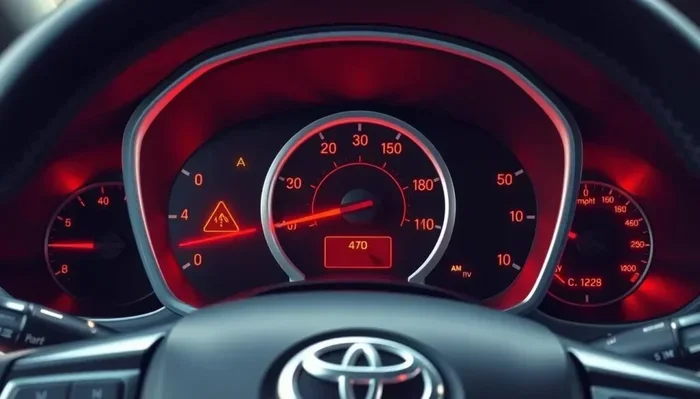
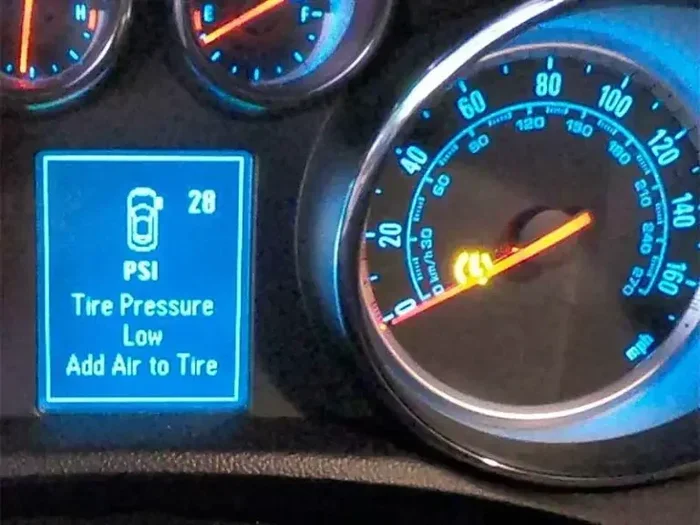
That little yellow horseshoe-shaped light on your dashboard can be really annoying. If you own a 2013 Toyota Sienna and the tire pressure warning just won’t go away, you are in the right place. This guide shows you exactly how to reset the tire pressure light on your Sienna without any hassle. We cover everything from finding the reset button to understanding why the light comes on in the first place.
Many Sienna owners panic when they see that tire pressure warning pop up. The good news is that it is often a simple fix. Whether the light appeared after a cold night or you just rotated your tires, the reset process is quick and easy. You do not need expensive tools or a trip to the dealership. Let us walk you through it.
Key Takeaways
- Easy DIY Fix: You can reset the tire pressure light yourself without visiting a mechanic.
- Correct Pressure First: Always verify and set proper tire pressure before resetting the system.
- Reset Button Location: The TPMS reset button is found beneath the steering column on the 2013 Sienna.
- Common Triggers: Temperature changes, slow leaks, and sensor battery death often cause the light to come on.
- Persistent Light: If the light stays on after resetting, the TPMS sensor may need replacement.
- Safety Matters: Proper tire pressure improves fuel economy, handling, and road safety.
📑 Table of Contents
Understanding the Tire Pressure Monitoring System
Before you reset anything, it helps to understand what the system does. The Tire Pressure Monitoring System, or TPMS, watches the air pressure inside each tire. When pressure drops below the recommended level, the system triggers a warning light on your dashboard. The 2013 Toyota Sienna uses a direct TPMS system. This means each wheel has its own sensor that sends data to the car’s computer.
Why the Tire Pressure Light Comes On
Several things can cause the tire pressure light to activate on your Sienna. Here are the most common reasons:
- Low Air Pressure: A slow leak or puncture reduces pressure in one or more tires.
- Temperature Changes: Cold weather causes air inside tires to contract, lowering pressure.
- Recent Tire Service: Rotating tires or changing them can trigger the TPMS temporarily.
- Sensor Battery Failure: Each TPMS sensor has a battery that lasts about 5 to 10 years.
- System Malfunction: Sometimes the TPMS module itself needs attention.
If your Sienna tire pressure is correct and the light still appears, the sensor battery might be dying. This is very common in older Siennas. Replacing the sensor battery or the entire sensor solves this problem.
What You Need Before Starting
Gather a few simple items before you begin the reset process. Having everything ready makes the job faster and smoother.
- A reliable tire pressure gauge
- An air compressor or access to an air pump
- The recommended tire pressure for your 2013 Sienna (found on the driver side door jamb)
- A flat, safe workspace
- Your Sienna owner manual (optional but helpful)
The recommended tire pressure for the 2013 Toyota Sienna is typically 33 PSI for all four tires. However, always check the sticker on your driver side door frame to confirm the exact number. This sticker also lists the proper tire pressure units for your specific model configuration.
Step-by-Step Tire Pressure Light Reset Process
Now let us get into the actual reset process. Follow these steps carefully, and your warning light should turn off within minutes.
Step 1: Check All Tire Pressures
Start by checking the pressure in every tire, including the spare. Use your tire pressure gauge and compare the readings to the recommended PSI. If any tire is low, inflate it to the proper level first. Do not skip this step. Resetting the light without fixing the actual pressure problem will not solve anything.
Make sure the tires are cold when you check them. Driving heats up the air inside, which gives you a falsely high reading. If you have been driving, wait at least 30 minutes before checking.
Step 2: Locate the TPMS Reset Button
On the 2013 Toyota Sienna, the TPMS reset button is located beneath the steering column, to the left of the steering wheel. It is a small button labeled “TPMS” or marked with a tire pressure symbol. You may need to look closely to find it. Some owners describe it as being tucked behind a small cover panel.
If you have trouble locating it, consult your owner manual. The manual provides a diagram showing the exact position of the reset switch in your Sienna.
Step 3: Turn the Ignition to the ON Position
Press the start button or turn the key to the “ON” position. Do not start the engine. The dashboard lights should illuminate, but the engine stays off. This puts the car in accessory mode, which allows the TPMS system to enter reset mode.
Step 4: Press and Hold the Reset Button
Press and hold the TPMS reset button. Keep holding it until the tire pressure warning light on the dashboard begins to blink three times. This blinking confirms that the system has entered reset mode. Release the button once you see the blink pattern.
Step 5: Start the Engine and Drive
Start the engine and drive the Sienna at a steady speed of about 50 mph for approximately 20 minutes. During this drive, the system recalibrates and learns the current tire pressure readings. After this driving period, the warning light should turn off and stay off.
Step 6: Verify the Reset
After your drive, turn the ignition off and then back on. Check the dashboard. The tire pressure light should no longer appear. If it does come back on, repeat the process. Sometimes the system needs two reset cycles to fully clear.
Common Problems After Resetting
Sometimes the light comes back even after a proper reset. Here is what to do in those situations.
The Light Returns Immediately
If the warning light returns right after resetting, one of your tires likely has a slow leak. Go back and recheck all tire pressures. Look closely at the tread for any nails, screws, or sharp objects embedded in the rubber. Even a tiny puncture can cause enough air loss to trigger the TPMS again.
The Light Flashes Instead of Staying Solid
A flashing tire pressure light usually indicates a malfunction in the TPMS system itself. This could mean a dead sensor battery or a faulty sensor. The sensors in the 2013 Sienna typically last about 5 to 7 years before the battery dies. If your Sienna is older, a sensor replacement might be necessary.
The Reset Button Does Not Work
If pressing the reset button produces no response, try a few things. First, make sure the ignition is in the correct ON position. Second, check that the button is not stuck or damaged. Third, disconnect the car battery for 15 minutes and reconnect it. This hard reset can sometimes clear stubborn TPMS errors.
Remember that if none of these solutions work, a visit to a qualified mechanic is the best next step. They have professional diagnostic tools that can read TPMS sensor data and identify the exact problem.
Preventing Future Tire Pressure Warnings
Once you have successfully reset the light, you want to keep it off. Regular maintenance makes a big difference.
- Check tire pressure monthly. Set a reminder on your phone to check all four tires once a month.
- Monitor temperature changes. In cold weather, tire pressure drops about 1 PSI for every 10 degree drop in temperature.
- Inspect tires regularly. Look for uneven wear, cracks, or embedded objects during your routine checks.
- Keep a portable air compressor. Having a small compressor in your trunk lets you top off tires anytime.
- Replace TPMS sensors proactively. If your Sienna is over 5 years old, consider replacing sensor batteries before they die unexpectedly.
Taking care of your tires also improves your Sienna’s fuel economy and handling. Properly inflated tires wear more evenly and last longer. This saves you money over time and keeps your family safe on the road.
When to Seek Professional Help
Most tire pressure light resets go smoothly. But there are times when professional help is the smart choice. If you have followed all the steps and the light keeps coming back, something deeper is going on. A certified Toyota mechanic can run a full TPMS diagnostic scan. They can identify which specific sensor is failing and replace it with an OEM-quality part.
Also, if you notice any of these signs, do not delay getting help:
- The TPMS light flashes for more than 60 seconds when you start the car
- You can see visible damage to a tire or wheel rim
- Your Sienna pulls to one side while driving
- The tire feels soft or spongy even after inflating
- You hear a hissing sound coming from a tire
Ignoring these warning signs can lead to unsafe driving conditions. A blown tire at highway speeds is dangerous. It is always better to address tire pressure issues promptly.
Quick Tips for 2013 Toyota Sienna Owners
- Keep your owner manual handy. It contains the exact reset procedure for your specific trim level.
- Use a digital tire pressure gauge. The dial-type gauges at gas stations are often inaccurate.
- Reset after every tire service. Whether you rotated tires or replaced them, always do a TPMS reset afterward.
- Check the spare tire too. The 2013 Sienna has a spare tire with its own sensor that can trigger the warning.
- Note the sensor IDs. Write down each sensor’s ID number when you replace them. This makes future diagnostics much easier.
These small habits keep your Sienna running safely and help you avoid surprise tire pressure warnings. They take only a few minutes but save a lot of headaches down the road.
For more information on maintaining your Toyota Sienna, check out our guide on how to clear your TPM reset for additional tips and troubleshooting advice. Also, if you are planning any accessories for your Sienna, we have a helpful article on adding a tow hitch to your Toyota Sienna that covers important compatibility details.
Keeping your dashboard warning lights in check is part of responsible vehicle ownership. The tire pressure light is one of the most common warnings Sienna owners encounter, and now you know exactly how to handle it. A quick reset takes just a few minutes and can save you an unnecessary trip to the shop.
If you ever notice that the maintenance light is on alongside the tire pressure warning, you might want to check whether these lights are connected. Our article on driving with the maintenance required light on Toyota explains the relationship between different dashboard warnings and when each one needs immediate attention.
Conclusion
Resetting the tire pressure light on your 2013 Toyota Sienna is something you can absolutely do yourself. The process is simple, fast, and requires only basic tools. Start by checking your tire pressure and inflating to the recommended level. Then find the TPMS reset button under the steering column, hold it until the light blinks, and drive for 20 minutes. If the light returns or flashes, inspect for leaks or consider sensor replacement.
Regular tire maintenance keeps your Sienna safe and efficient. Make tire pressure checks part of your monthly routine. Your family deserves a vehicle that is always road-ready. Now you have the knowledge to handle the tire pressure light like a pro. Keep this guide bookmarked for future reference, and enjoy worry-free driving in your Toyota Sienna.
Frequently Asked Questions
Can I drive my 2013 Toyota Sienna with the tire pressure light on?
It is not recommended. The light indicates that one or more tires are underinflated, which affects handling, braking, and fuel economy. Drive carefully to a safe location and check your tire pressures immediately. If the pressure is low, inflate the tires before continuing your trip.
How much does it cost to replace a TPMS sensor on a 2013 Toyota Sienna?
A single TPMS sensor typically costs between 50 and 100 dollars. Labor for installation adds another 20 to 50 dollars per sensor. If all four sensors need replacement, expect a total cost of around 300 to 600 dollars depending on your location and whether you use OEM or aftermarket parts.
Why does my tire pressure light come on in cold weather?
Cold air causes the air inside your tires to contract, reducing pressure. A temperature drop of 10 degrees Fahrenheit can lower tire pressure by about 1 PSI. This often triggers the TPMS warning during winter months. Simply inflating your tires to the proper level and resetting the light usually fixes the issue.
How do I know if my TPMS sensor battery needs replacing?
Most TPMS sensors have a battery life of 5 to 10 years. Signs of a dying sensor battery include the tire pressure light coming on frequently, the light flashing instead of staying solid, or the TPMS failing to reset even after proper inflation. A mechanic can test the sensor battery with a diagnostic tool.
Where is the TPMS reset button on a 2013 Toyota Sienna?
The reset button is located beneath the steering column, to the left of the steering wheel. It is a small button marked with a tire pressure symbol or the letters “TPMS.” You may need to look carefully or feel around for it. Consult your owner manual if you have trouble finding it.
Will resetting the tire pressure light clear a check engine light too?
No, the tire pressure light and the check engine light are separate systems. Resetting one does not affect the other. If you have both lights on, you will need to address each one individually. You can clear a check engine code separately using an OBD-II scanner or by visiting a mechanic.