Is It More Expensive to Get Brakes Done at a Dealership
Getting brakes done at a dealership typically costs more than an independent shop, but you pay for OEM parts, certified technicians, and warranty coverage. The price difference can range from $100 to $300 or more per axle. Understanding what drives the cost helps you decide if the extra expense is worth it for your vehicle.
Let’s talk about something every car owner faces at some point: brake service. Your brakes wear down. It’s just a fact of driving. And when that warning light pops up or you hear that annoying squeal, the first question is usually the same: where should I get this done?
If you’ve ever gotten a quote from a dealership and then from a local mechanic, you probably noticed a big difference. Is it more expensive to get brakes done at a dealership? The short answer is yes. But the full answer has some important layers. Let’s break it all down so you can make the best choice for your wallet and your car.
Key Takeaways
- Dealership brake jobs cost more: You pay a premium for OEM parts and dealer labor rates.
- Independent shops offer savings: You can save 30-50% by choosing a trusted local mechanic.
- Warranty matters: Dealerships provide backed warranties on both parts and labor.
- OEM vs aftermarket parts: Dealerships use factory parts; independents often use quality alternatives.
- Your car matters: Luxury and European brands cost more at dealerships for brake work.
- Ask for a detailed quote: Always request an itemized breakdown before approving any brake service.
📑 Table of Contents
- What Goes Into a Brake Job Cost
- How Dealership Brake Costs Compare
- Independent Shop Brake Costs
- When the Dealership Makes Sense for Brake Work
- Brake Parts: OEM vs Aftermarket
- How to Save Money on Brake Service
- Quick Tips for Brake Service
- Common Mistakes People Make with Brake Service
- Expert Insights on Dealership vs Independent Brake Costs
- How Long Does a Brake Job Take at a Dealership?
- The Bottom Line: Is It Worth Paying More at the Dealership?
What Goes Into a Brake Job Cost
Before we compare prices, it helps to understand what you’re actually paying for. A brake job isn’t just one thing. It involves several parts, labor steps, and materials. Here is what typically goes into the cost:
Brake Pads
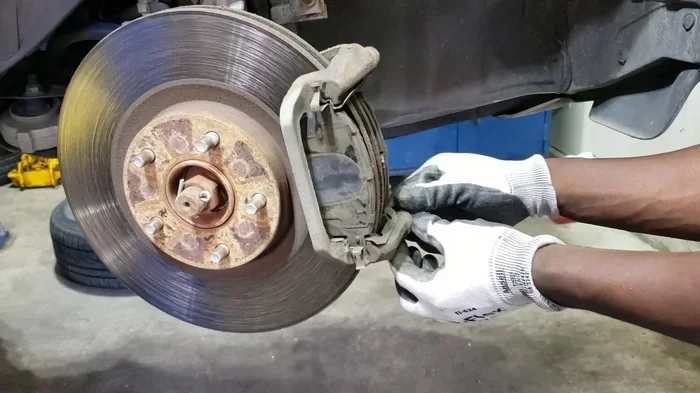
Brake pads are the most common part that needs replacing. They press against the rotor to slow your car down. Over time, the friction material wears away. Most cars need new pads every 30,000 to 70,000 miles depending on driving habits.
Brake Rotors
Rotors are the metal discs your brake pads clamp onto. They can warp or wear thin over time. Sometimes they need replacing. Other times they can be resurfaced. Resurfacing is cheaper but not always an option.
Brake Calipers
Calipers squeeze the pads against the rotors. They don’t always need replacing. But if one is sticking or leaking, you will need a new one. This adds significantly to the total brake job pricing.
Brake Fluid
Some brake jobs include a brake fluid change. Brake fluid absorbs moisture over time. Old fluid can reduce braking performance. Many shops recommend flushing and replacing it during a brake service.
Labor
Labor is the time a technician spends removing wheels, pulling old parts, installing new ones, and testing the brakes. Labor costs vary a lot based on location and shop type.
How Dealership Brake Costs Compare
Now let’s get to the heart of the question. Is it more expensive to get brakes done at a dealership? Yes, in most cases. But how much more? Let’s look at the numbers.
Typical Dealership Brake Job Pricing
A dealership brake job for a standard sedan like a Toyota Camry might run you between $300 and $500 per axle. For a larger vehicle like a Toyota Tundra or a luxury model, costs can climb to $500 or more per axle. These prices usually include:
- OEM brake pads
- OEM or factory-spec rotors
- New brake hardware (clips, bolts, shims)
- Brake fluid flush if needed
- Dealer labor rates
What Makes Dealership Prices Higher
Several factors drive up the cost at a dealership. Understanding these helps you decide if the extra money is worth spending.
OEM Parts: Dealerships use original manufacturer parts. These parts are built to the exact same specifications as what came on your car. They fit perfectly and perform consistently. But they cost more than aftermarket alternatives.
Higher Labor Rates: Dealerships charge more per hour for labor. Their technicians are factory-trained and certified. They have access to the latest tools and software. This expertise costs more, and you pay for it through the bill.
Overhead Costs: Dealerships have large facilities, lots of staff, and big operating expenses. All of that gets baked into every service charge. You are paying for the whole dealership operation, not just your brake job.
Diagnostic Fees: Some dealerships charge a diagnostic fee just to inspect your brakes. If you are already wondering about brake costs, this adds an unwelcome surprise. You might want to check if your local shop does free inspections before you book anywhere.
Independent Shop Brake Costs
Independent mechanics and local brake shops usually charge significantly less. For the same brake job on a Toyota Camry, you might pay $200 to $350 per axle at an independent shop. That is a notable difference.
Independent shops often use quality aftermarket parts. These parts meet or exceed OEM standards in many cases. Brands like Brembo, Akebono, and Wagner make excellent brake pads that work great on most vehicles.
The labor rates at independent shops are typically 30 to 50 percent lower than at dealerships. A skilled mechanic with years of experience can do the job just as well. Many independent shops specialize in brakes and do them every single day.
Where Independent Shops Save You Money
- Aftermarket parts: Quality alternatives to OEM at lower prices
- Lower labor rates: Less overhead means lower bills
- No diagnostic fees: Many shops inspect brakes for free
- Flexible pricing: You can choose which parts to replace
Where Independent Shops Might Fall Short
Not every independent shop is created equal. Some use lower-quality parts to keep prices low. Others may not have the latest diagnostic equipment for newer vehicles. And warranties can vary widely. It is important to choose a reputable shop with good reviews and certified technicians.
When the Dealership Makes Sense for Brake Work
Despite the higher cost, there are times when going to a dealership is the smart choice. Let’s look at when it makes sense to pay the premium.
Your Car Is Still Under Warranty
If your vehicle is under a factory warranty, brake work might be covered. In that case, you pay nothing out of pocket. Even if the warranty does not fully cover the brake job, getting it done at the dealership ensures it does not void other covered services.
For example, if you are doing a major service like an oil change or inspection at the dealership, adding brake work to the same visit can save you time. Some dealerships also offer bundled service deals that reduce the overall cost.
You Have a Luxury or Specialty Vehicle
If you drive a BMW, Mercedes, Audi, or Lexus, brake jobs get more expensive everywhere. Dealerships are often the best option for these vehicles. They have the specialized training and tools specific to your brand.
You might wonder: can I get my Lexus serviced at a Toyota dealer? The answer is yes, in many cases. Toyota dealerships can service Lexus vehicles since they share the same parent company. This can save you money compared to a Lexus-only dealership.
You Want OEM Parts and Full Warranty Coverage
Dealerships back their work with warranties on both parts and labor. If something goes wrong after the brake job, you are covered. Independent shops also offer warranties, but the terms and coverage can vary.
If you plan to keep your car for a long time, using OEM parts at the dealership can add resale value. Future buyers often prefer documented service records from authorized dealers.
Brake Parts: OEM vs Aftermarket
The type of brake parts used is one of the biggest cost drivers. Let us compare OEM and aftermarket options side by side.
| Feature | OEM Parts | Aftermarket Parts |
|---|---|---|
| Price | Higher | Lower |
| Fit and Finish | Perfect match | Varies by brand |
| Performance | Consistent with factory | Often matches or exceeds OEM |
| Warranty | Backed by dealership | Varies by manufacturer |
| Availability | Only at dealerships | Available everywhere |
OEM parts come with the peace of mind of knowing they are exactly what the manufacturer intended. Aftermarket parts from trusted brands can be just as good. Many independent shops use premium aftermarket parts that perform excellently.
The key is to ask what parts your shop will use. A good technician will explain the differences and help you choose the right option for your budget and driving needs.
How to Save Money on Brake Service
Brake service is a necessary expense. But there are smart ways to reduce the cost without sacrificing safety or quality.
Get Multiple Quotes
Always get at least two or three quotes before committing. Call your local dealership and a couple of independent shops. Ask for an itemized estimate that breaks down parts and labor separately. This makes it easy to compare apples to apples.
Ask About Promotions
Many dealerships run brake service specials, especially during seasonal changes. Independent shops also offer coupons and discounts. Check websites, apps, and local papers for deals. A simple search for brake service near me can turn up promotions you did not know existed.
Do Not Delay Brake Service
Ignoring worn brakes makes the problem worse and more expensive. Worn pads can damage rotors. Damaged rotors cost more to replace or even resurface. Getting brakes done early saves money in the long run.
Consider What Really Needs Replacing
Not every brake job requires new pads, rotors, calipers, and fluid. Ask your technician to show you the old parts. If your pads still have plenty of life left, you might only need a pad replacement. If the rotors are in good shape, resurfacing might be enough. Being informed helps you avoid unnecessary work.
Maintain Your Brakes Proactively
Regular brake inspections can catch small problems before they become big expenses. Many shops include a free brake check with an oil change. Taking advantage of these inspections keeps your brakes in top shape and saves you money over time.
Quick Tips for Brake Service
- Listen to your car: Squealing, grinding, or clicking sounds are warning signs.
- Check your brake fluid: Low or dirty fluid affects braking performance.
- Do not ignore the brake light: It means your brakes need attention now.
- Ask for the old parts: A reputable shop will show you what they removed.
- Get a written warranty: Know exactly what is covered and for how long.
Common Mistakes People Make with Brake Service
Avoiding these mistakes can save you time, money, and stress.
- Choosing the cheapest option without checking reviews: The lowest price does not always mean the best value. Quality matters when it comes to brakes.
- Not asking for an itemized quote: A flat price without details can hide unnecessary charges.
- Ignoring brake warning signs: Pushing off brake service leads to more expensive repairs later.
- Assuming all brake jobs are the same: Every vehicle is different. Your neighbor’s brake cost might not apply to your car.
- Skipping the brake fluid flush: Old fluid reduces braking power. It is a small cost that makes a big difference.
Expert Insights on Dealership vs Independent Brake Costs
Industry experts generally agree that for routine brake pad and rotor replacement, an independent shop offers the best value for most drivers. The labor and parts savings are significant, and quality is often comparable.
However, for complex brake systems, hybrid vehicles, and luxury brands, dealerships have an edge. Hybrids like the Toyota Prius have unique braking systems that combine regenerative and traditional brakes. If you have ever asked, can you drive a Prius without the hybrid battery? you know these vehicles have specialized components. Dealerships are better equipped to handle these nuances.
Certified technicians at dealerships also receive ongoing training from the manufacturer. They stay up to date on the latest brake technologies and recalls. This level of expertise can matter for newer vehicles with advanced braking systems like ABS, electronic brake distribution, and automatic emergency braking.
One important thing to note: can you take your Toyota to any dealership for warranty work? Yes, you can. Any authorized Toyota dealership can service your vehicle under warranty. You are not locked into your local dealer. This gives you flexibility if a dealership across town offers a better brake service price.
How Long Does a Brake Job Take at a Dealership?
A typical brake pad and rotor replacement takes about 1 to 2 hours per axle at a dealership. If the job includes caliper replacement or a brake fluid flush, add another 30 minutes to an hour. Some dealerships offer same-day service for brake jobs, which is convenient if you need your car back quickly.
Independent shops are often faster because they focus on specific services. A brake specialty shop might have your car in and out in under an hour. The trade-off is sometimes less comfort and fewer amenities compared to a dealership waiting area.
The Bottom Line: Is It Worth Paying More at the Dealership?
The answer depends on your situation. If your car is under warranty, go to the dealership. If you drive a luxury or specialty vehicle, the dealership is probably your best bet. If you have a standard sedan or truck and want to save money, a reputable independent shop is a great choice.
Is it more expensive to get brakes done at a dealership? Yes, usually by a significant margin. But that extra cost buys you OEM parts, certified technicians, and backed warranties. For some drivers, that peace of mind is worth the premium.
For most everyday drivers, a quality independent shop delivers excellent results at a fraction of the cost. The key is finding a trusted mechanic, asking the right questions, and staying on top of your brake maintenance schedule.
Your brakes are the most important safety system in your car. Whatever you decide, never compromise on quality. Get your brakes checked regularly, replace worn parts promptly, and always drive with confidence knowing your car can stop when you need it to.
Before you book any service, take five minutes to compare quotes. Call your dealership. Check a couple of local shops. Read online reviews. The small effort can save you hundreds of dollars and ensure your brakes are done right.
Frequently Asked Questions
Is it cheaper to get brakes done at an independent shop?
Yes, in most cases independent shops charge 30 to 50 percent less than dealerships. They use lower labor rates and often offer quality aftermarket parts at a fraction of the OEM cost. Always verify the shop has good reviews and certified technicians before booking.
Do dealerships use better brake parts than independent shops?
Dealerships use OEM parts that match your vehicle’s factory specifications exactly. Independent shops often use high-quality aftermarket parts that perform just as well. The difference is in the brand and price, not always in the quality of the brake job itself.
How often should I get my brakes checked?
Most experts recommend a brake inspection every 10,000 to 15,000 miles. Many shops include a free brake check with an oil change. Regular inspections help you catch small problems before they turn into expensive repairs.
Can a dealership brake job void my warranty?
No. Getting brake work done at a dealership cannot void your warranty. In fact, it is the safest option if your car is still under coverage. The Magnuson-Moss Warranty Act protects your right to choose any shop for maintenance without losing warranty coverage.
What is the average cost of a brake job at a dealership?
A standard brake pad and rotor replacement at a dealership typically costs $300 to $500 per axle for a common sedan. Luxury vehicles and trucks can cost $500 or more per axle. The exact price depends on your vehicle model, the parts used, and the dealership’s labor rates.
How do I know if my brakes need replacing?
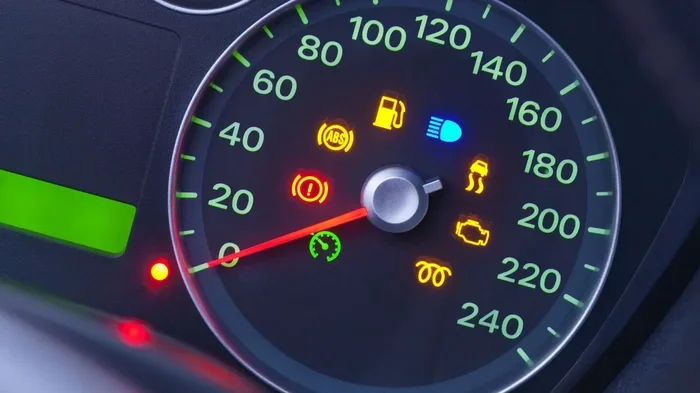
Common signs include squealing or grinding noises, a vibrating pedal, longer stopping distances, and a brake warning light on your dashboard. If you notice any of these, get your brakes inspected right away. Ignoring brake problems can lead to dangerous driving conditions and more expensive repairs.
=== CONCLUSION ===
Is it more expensive to get brakes done at a dealership? Yes, it usually is. But the higher cost comes with real benefits: OEM parts, factory-trained technicians, and backed warranties. If you value peace of mind and have a newer or luxury vehicle, the dealership is a solid choice.
For most drivers, a trusted independent shop offers excellent brake service at a much lower price. The key is doing your homework, comparing quotes, and choosing a shop with a strong reputation.
Whatever route you choose, do not delay brake service. Your brakes keep you and everyone on the road safe. Stay proactive, stay informed, and make the decision that fits your budget and your vehicle’s needs.