How to Remove Tire Pressure Sensor Light Step by Step
The tire pressure sensor light can be frustrating, but removing it is often simpler than you think. This guide walks you through each step to diagnose, fix, and reset your tire pressure monitoring system quickly and safely. From checking air pressure to performing a TPMS reset, you will learn exactly how to turn off that annoying dashboard warning light and keep your tires in great shape.
Key Takeaways
- Know the cause: Understanding why the tire pressure sensor light comes on helps you pick the right fix.
- Check pressure first: Always verify your tire pressure check before attempting any reset.
- Reset the TPMS: A proper TPMS reset clears the dashboard warning light after fixing the issue.
- Replace the battery: A dead tire pressure sensor battery is one of the most common reasons the light stays on.
- Prevent future issues: Regular tire maintenance keeps the tire pressure monitoring system working properly.
📑 Table of Contents
- Understanding the Tire Pressure Sensor Light
- Common Causes of the Tire Pressure Sensor Light
- How to Remove Tire Pressure Sensor Light Step by Step
- When to Replace the Tire Pressure Sensor
- Preventing the Tire Pressure Sensor Light from Coming Back
- Common Mistakes to Avoid When Dealing with the Tire Pressure Sensor Light
- Conclusion
Understanding the Tire Pressure Sensor Light
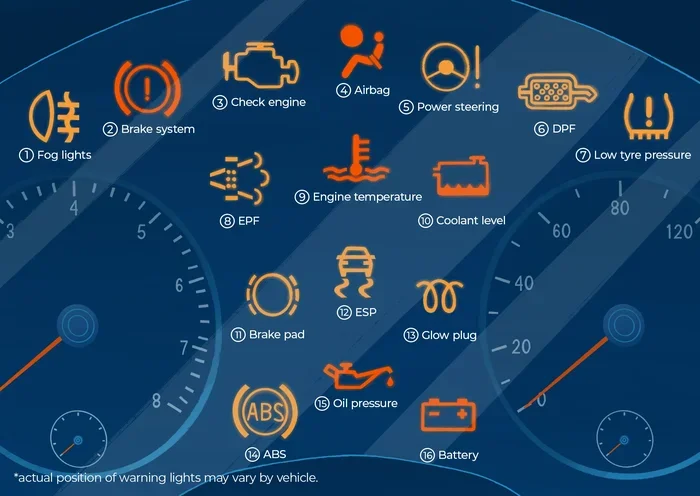
That little yellow horseshoe-shaped icon with an exclamation mark can really throw you off. You are driving along, minding your own business, and suddenly the tire pressure sensor light pops up on your dashboard. It is easy to panic, but here is the good news: in most cases, this is a fixable problem. The tire pressure monitoring system, commonly known as TPMS, is designed to keep you safe by alerting you when your air pressure in tires drops below the recommended level.
Before you rush to the mechanic, it helps to understand what this light actually means and how the system works. Once you know the basics, you can often handle the fix yourself. This article will walk you through everything you need to know about the tire pressure sensor light, from understanding what triggers it to removing it for good.
What Does the Tire Pressure Sensor Light Look Like?
The tire pressure sensor light looks like a horseshoe or a U-shape with an exclamation point in the center. Sometimes it may also show the letters TPMS. You will typically find it on the dashboard instrument cluster. The light can appear in two ways: as a solid yellow icon or as a flashing yellow icon. A solid light usually means the pressure is low but not critical. A flashing light often signals a malfunction in the tire pressure monitoring system itself, such as a dead sensor battery or a faulty tire sensor.
If you have ever seen this light and wondered whether to pull over immediately or just keep driving, the answer depends on how your car feels. If the car handles normally and you do not feel any vibration, the pressure drop is likely minor. Still, you should address it soon. Ignoring the tire pressure warning can lead to uneven tire wear, reduced fuel economy, and even a blowout at highway speeds.
How Does the Tire Pressure Monitoring System Work?
Every modern vehicle comes equipped with a tire pressure monitoring system. This system uses small sensors mounted inside each tire, usually attached to the valve stem. These sensors measure the air pressure in tires and send wireless signals to your car’s computer. If the pressure drops by about 25 percent below the recommended level, the system triggers the dashboard warning light.
The sensors are powered by small batteries that typically last between five and ten years. When the battery dies, the sensor can no longer send data, and the tire pressure sensor light stays on. Understanding this basic mechanism helps you figure out whether your problem is a simple pressure loss or something more complex like a tire pressure sensor battery replacement or a faulty sensor unit.
Common Causes of the Tire Pressure Sensor Light
So why does the tire pressure sensor light come on in the first place? There are several reasons, and knowing them helps you narrow down the problem fast. Let us look at the most common culprits.
Low Tire Pressure
The number one reason the light comes on is simple: your tires are underinflated. A slow leak from a nail, a loose valve stem, or even normal air loss over time can cause the pressure to drop. Cold weather makes this worse because air contracts when temperatures fall. If you have ever noticed the light coming on during winter mornings, this is why. The tire pressure sensor light is just doing its job by telling you to add air.
Checking your tire pressure regularly is one of the easiest forms of tire maintenance you can do. All you need is a tire pressure gauge, which you can pick up at any auto parts store for just a few dollars. Compare the reading to the recommended PSI listed on the sticker inside your driver’s door frame.
Dead Tire Pressure Sensor Battery
Each tire sensor has its own small battery. Over time, these batteries wear out and stop working. When this happens, the sensor cannot communicate with your car’s computer, and the dashboard warning light comes on. This is one of the most common reasons the tire pressure sensor light stays on even after you have inflated your tires to the correct level.
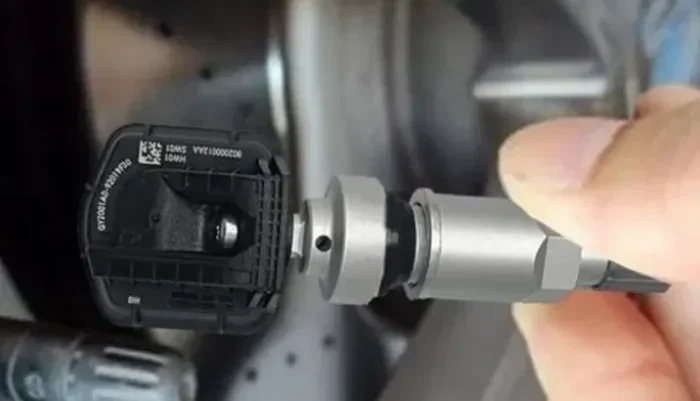
A tire pressure sensor battery replacement is usually a quick and affordable fix. The battery is built into the sensor, so in many cases, you need to replace the entire sensor unit. Some sensors are designed for easy DIY replacement, while others require a bit more work. If you are unsure, it is always a good idea to consult a professional or check if Can I Fix My Own Tire Pressure Sensor on your own.
Faulty or Damaged Tire Pressure Sensor
Sometimes the sensor itself is the problem. Sensors can get damaged from road debris, potholes, or even corrosion over time. A damaged sensor will not send accurate readings, which causes the tire pressure sensor light to stay on. If you have checked your tire pressure and everything looks fine, a faulty sensor is a likely suspect.
Temperature and Weather Changes
Cold weather is a sneaky trigger for the tire pressure sensor light. When the temperature drops, the air inside your tires contracts, causing the pressure to decrease. This can happen overnight on a cold morning. The good news is that simply inflating your tires to the proper PSI usually clears the light once the tire pressure monitoring system recalibrates.
After Tire Service or Replacement
If you have recently had your tires rotated, replaced, or repaired, the tire pressure sensor light may come on because the sensors were disturbed during service. In some cases, the sensors need to be reprogrammed or the system needs a manual reset after tire work. This is a very common situation and easy to fix.
How to Remove Tire Pressure Sensor Light Step by Step
Now that you understand the common causes, let us get into the actual process of removing the tire pressure sensor light. Follow these steps carefully, and you will have that annoying light off your dashboard in no time.
Step 1: Check Your Tire Pressure
The very first thing you should do is check all four tires, including the spare if applicable. Use a reliable tire pressure gauge and compare each tire to the recommended PSI. You can find this number on the sticker inside the driver’s door frame or in your owner’s manual. Do not rely on the tire sidewall markings, as those show the maximum pressure, not the recommended pressure.
If you are unsure how to check your tire pressure or want more details on reading your dashboard, you can learn more about Can You Check Tire Pressure On The Dashboard for additional guidance. Proper inflation is the foundation of resolving any tire pressure warning issue.
Step 2: Inflate or Deflate Tires to the Correct PSI
Once you know what the pressure should be, adjust accordingly. If your tires are low, use an air compressor to add air. You can find air pumps at most gas stations and auto parts stores. If a tire is overinflated, press the small valve stem inside the tire valve to release a small amount of air.
Make sure you check the pressure when the tires are cold, meaning the car has been sitting for at least three hours or has not been driven more than a mile. Hot tires can give inaccurate readings. Getting the pressure right is the most important step in clearing the tire pressure sensor light.
Step 3: Drive the Vehicle to Allow the System to Recalibrate
After inflating your tires to the correct pressure, drive the vehicle at a steady speed of 30 to 50 miles per hour for at least 10 to 15 minutes. This allows the tire pressure monitoring system to recalibrate and recognize the corrected pressure levels. In many cases, the tire pressure sensor light will turn off on its own during this drive.
If the light does not go off after driving, do not worry. There are more steps you can take. The system sometimes needs a manual reset to fully clear the dashboard warning light.
Step 4: Perform a TPMS Reset
Most vehicles have a built-in TPMS reset procedure. The exact steps vary by make and model, so always check your owner’s manual. However, here is a general process that works for many cars:
- Turn the ignition to the “on” position without starting the engine.
- Locate the TPMS reset button, which is usually found beneath the steering wheel.
- Press and hold the button until the tire pressure sensor light blinks three times.
- Release the button and start the engine.
- Drive the vehicle for 20 minutes to allow the system to relearn the tire pressure.
After this process, the dashboard warning light should be off. If you are wondering whether a reset is always necessary after filling air, check out this helpful guide on Do I Need To Reset Tpms After Filling Air for more details.
Step 5: Use a TPMS Reset Tool if Necessary
If the manual reset does not work, you may need a TPMS reset tool. These tools are available at auto parts stores and online. They connect to the vehicle’s OBD-II port and send a signal to the tire pressure monitoring system to clear the error code and turn off the light.
A TPMS reset tool is especially helpful if the light persists after you have corrected the tire pressure. It allows you to force the system to relearn the sensor IDs and recognize the current tire pressure as normal. These tools range from basic handheld devices to more advanced scanners, and many are affordable enough to keep in your garage for future use.
Step 6: Verify the Light Is Off
After completing the reset, start the engine and check the dashboard. The tire pressure sensor light should be off. If it stays on or comes back after a few days, there may be an underlying issue that needs further attention. At this point, it is a good idea to inspect each tire more closely for slow leaks, damaged valve stems, or worn tire treads.
When to Replace the Tire Pressure Sensor
Sometimes the tire pressure sensor light stays on because the sensor itself needs to be replaced. Here are some signs that it is time for a tire pressure sensor replacement:
- The dashboard warning light stays on even after you have inflated all tires to the correct pressure.
- The light flashes rather than stays solid, which often indicates a sensor malfunction.
- You have had the same sensor for more than five to ten years, and the battery is likely dead.
- The sensor has been physically damaged from a road hazard or collision.
- Your vehicle’s computer displays a specific error code pointing to a failed sensor.
Replacing a tire pressure sensor typically costs between $50 and $250 per sensor, depending on your vehicle make and model. Some vehicles have sensors that are easier to access and replace than others. If you are comfortable working on your car, you can do it yourself following the manufacturer’s instructions. Otherwise, a trusted mechanic can handle the replacement quickly.
Keep in mind that after replacing a sensor, you will need to reprogram it into the tire pressure monitoring system. This is another situation where a TPMS reset tool comes in very handy. It ensures the new sensor is properly recognized by your vehicle’s computer.
Preventing the Tire Pressure Sensor Light from Coming Back
The best way to deal with the tire pressure sensor light is to prevent it from coming back in the first place. Here are some simple habits that keep your tire pressure monitoring system happy and your tires in great shape:
- Check your tire pressure monthly. Make it a routine to check all four tires at least once a month. Use a quality tire pressure gauge and compare readings to the recommended PSI.
- Inspect your valve stems. The valve stem is the small metal or rubber piece on your tire that you use to add air. A damaged or loose valve stem can cause slow air leaks that trigger the tire pressure sensor light.
- Check tire pressure before long trips. Always verify your tire pressure check before heading out on a road trip. Properly inflated tires improve fuel economy and handling.
- Replace sensor batteries proactively. If your vehicle is more than five years old, consider replacing the tire pressure sensor battery before it dies. This prevents unexpected light triggers.
- Keep tires properly rotated. Regular tire rotation promotes even wear and helps the sensors last longer. Follow the rotation schedule in your owner’s manual.
- Monitor temperature changes. During seasonal temperature drops, check your tire pressure more frequently. Cold air causes pressure to drop, which can activate the tire pressure warning.
These simple steps go a long way in maintaining your tires and keeping the dashboard warning light off. Think of it as basic tire maintenance that saves you time, money, and stress in the long run.
Common Mistakes to Avoid When Dealing with the Tire Pressure Sensor Light
When the tire pressure sensor light comes on, it is tempting to just ignore it or take a quick shortcut to turn it off. Here are some common mistakes to avoid:
- Ignoring the light. The tire pressure monitoring system is there for your safety. Ignoring it can lead to unsafe driving conditions, poor fuel economy, and premature tire wear.
- Overinflating your tires. Adding too much air to compensate for a slow leak is a mistake. Overinflated tires wear unevenly and can be dangerous on wet roads.
- Resetting without fixing the root cause. If you reset the TPMS reset without first addressing the actual pressure problem, the light will come right back on. Always fix the cause before resetting the system.
- Using the wrong PSI. Every vehicle has a specific recommended tire pressure. Using the wrong number can trigger the tire pressure sensor light and compromise your safety.
- Assuming all sensors are the same. Different vehicles use different sensor types. Always use the correct sensor for your make and model to avoid compatibility issues with the tire pressure monitoring system.
Avoiding these mistakes saves you time and prevents the tire pressure sensor light from becoming a recurring headache. When in doubt, consult your owner’s manual or speak with a trusted mechanic.
Conclusion
The tire pressure sensor light may look scary, but in most cases, it is a straightforward problem to solve. Whether your tires are simply low on air, the sensor battery has died, or the system just needs a reset, the steps in this guide give you everything you need to handle the fix confidently. Start by checking your tire pressure, inflate to the correct PSI, perform a TPMS reset, and verify the light is off.
Regular tire maintenance is the best way to keep the tire pressure sensor light from returning. Make it a habit to check your pressure monthly, inspect your valve stems, and stay on top of sensor battery replacements. Your tires are the only part of your car that touches the road, so taking care of them is one of the smartest things you can do as a vehicle owner.
Now that you know exactly how to remove the tire pressure sensor light, you can handle the next time it appears with confidence and ease. Do not let that little yellow icon stress you out. You have the knowledge and the tools to fix it yourself.
Frequently Asked Questions
Can I drive with the tire pressure sensor light on?
It is generally safe to drive a short distance if the light is solid and your tires are not visibly flat. However, you should check your tire pressure as soon as possible. Driving on underinflated tires can cause poor handling, reduced fuel economy, and increased tire wear. If the light is flashing, pull over and inspect your tires right away.
How much does it cost to replace a tire pressure sensor?
The cost of a tire pressure sensor replacement typically ranges from $50 to $250 per sensor, depending on your vehicle make and model. Labor costs may apply if you have a professional handle the replacement. Many drivers choose to do the replacement themselves to save money, especially if the sensor is easily accessible.
How long does a tire pressure sensor battery last?
Most tire pressure sensor batteries last between five and ten years. The battery is built into the sensor and cannot be replaced separately in most models. When the battery dies, you need to replace the entire sensor unit. If your vehicle is older and the light comes on without any pressure issues, a dead sensor battery is a likely cause.
Will the tire pressure sensor light turn off by itself?
In some cases, yes. If the tire pressure sensor light came on because of a temporary pressure drop, such as from cold weather, it may turn off once the tires warm up and the pressure stabilizes. However, if the light persists after driving for a while, you will need to address the root cause and manually reset the system.
Do I need special tools to reset the TPMS?
Many vehicles allow you to perform a TPMS reset using the built-in button under the steering wheel. However, some models require a TPMS reset tool or an OBD-II scanner to clear the error code. These tools are affordable and widely available at auto parts stores. Check your owner’s manual to determine which method your vehicle uses.
What should I do if the tire pressure sensor light comes back after resetting?
If the tire pressure sensor light returns after a reset, there is likely an underlying issue that has not been resolved. Check for slow leaks, damaged valve stems, or faulty sensors. You may also need to inspect each tire more carefully for punctures or uneven wear. If you cannot find the cause, a professional mechanic can run diagnostics to identify the problem.