Can You Check Tire Pressure on the Dashboard Today
Yes, you can check tire pressure on the dashboard directly. Most modern vehicles have a tire pressure monitoring system that displays tire pressure levels on the instrument cluster. This guide explains how to read your dashboard tire pressure display, interpret the TPMS warning light, and troubleshoot common issues so you stay safe and save fuel.
Have you ever wondered Can You Check Tire Pressure on the Dashboard without leaving your seat? The answer is a simple yes. Most modern vehicles come equipped with a tire pressure monitoring system (TPMS) that lets you check tire pressure on the dashboard in seconds. This system uses small sensors inside each wheel to measure tire pressure levels and send the data straight to your dashboard display. If your tire pressure warning light turns on, you can often see the exact PSI reading right there. In this guide, I’ll walk you through how to read your dashboard tire pressure, what each symbol means, and when to take action.
Knowing your vehicle’s tire pressure is important for safety, fuel efficiency, and tire life. Underinflated tires can reduce gas mileage and cause uneven wear. Overinflated tires can lead to a harsh ride and blowouts. The dashboard tire pressure monitor gives you a quick snapshot, but it’s not a replacement for a proper tire pressure check with a gauge. I’ll show you how to use both together.
By the end of this article, you’ll understand exactly how your car reports tire pressure information and what to do when the light comes on. Let’s dive in.
Key Takeaways
- Dashboard TPMS gives instant readings: You can see tire pressure levels right from your instrument cluster without stepping out.
- The TPMS warning light is a critical alert: A flashing or solid light means you need to check tire pressure immediately.
- Manual checks are still essential: Dashboard readings can lag; use a digital tire gauge monthly for accuracy.
- Temperature changes trigger false alerts: Cold weather can lower pressure and light up the warning, even if tires are fine.
- Reset procedures vary by vehicle: After fixing a leak, you may need to recalibrate the system via a button or menu.
- Persistent warnings need professional help: If the light stays on despite correct pressure, the sensor may be faulty.
📑 Table of Contents
What Is a Tire Pressure Monitoring System?
A tire pressure monitoring system (TPMS) is an electronic system that tracks the air pressure inside your tires. It alerts you when pressure drops below a safe level. Most cars sold in the U.S. since 2007 have a TPMS installed. The system works with either direct or indirect sensors.
How TPMS Sensors Work
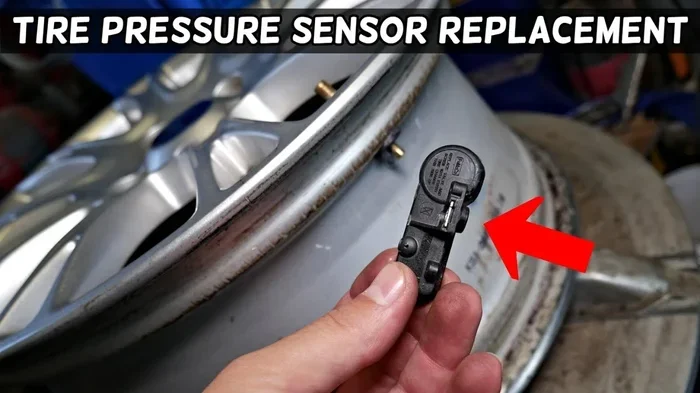
Direct TPMS uses a small sensor mounted inside each wheel. The sensor measures the actual tire pressure levels and sends a wireless signal to the car’s computer. The computer then displays the reading on the dashboard display. You can see the tire pressure readings for each tire in pounds per square inch (PSI) or bar.
Indirect TPMS doesn’t use physical pressure sensors. Instead, it relies on the vehicle’s anti-lock braking system (ABS) sensors. It compares the rolling circumference of each tire. A tire with low pressure has a smaller rolling radius and spins faster. The system detects this difference and triggers the tire pressure warning light. Indirect systems don’t give you exact tire pressure levels, but they alert you to a problem.
Direct vs. Indirect TPMS
Here’s a quick comparison of the two systems:
| Feature | Direct TPMS | Indirect TPMS |
|---|---|---|
| Sensors | Physical pressure sensors inside each wheel | Uses ABS wheel speed sensors |
| Readings | Shows exact PSI for each tire | Only warns of pressure difference |
| Accuracy | High – measures actual pressure | Moderate – infers pressure from wheel speed |
| Cost to Replace | Higher – sensor batteries last 5–10 years | Lower – no batteries in sensors |
| Common In | Most new cars and trucks | Older models and some economy cars |
Direct TPMS gives you the best tire pressure information right on the dash. You can see which tire is low and by how much. Indirect TPMS is simpler but less precise. Both systems serve the same goal: keep you safe by warning you about low tire pressure.
How to Read Tire Pressure on Your Dashboard
Reading your dashboard tire pressure is straightforward once you know where to look. The display varies by car maker, but the process is similar. I’ll walk you through the steps for most vehicles.
Finding the Tire Pressure Display
Start by locating the tire pressure monitor on your instrument cluster. In many cars, you’ll see a small icon that looks like a horseshoe with an exclamation point. That’s the TPMS warning light. To see actual numbers, you may need to press a button on the steering wheel or scroll through the menu on the digital dash.
Some vehicles show the tire pressure display on the main gauge cluster behind the steering wheel. Others put it in the trip computer display between the speedometer and tachometer. If your car has a head-up display, the tire pressure readings might pop up right on the windshield.
Understanding the Numbers
When you access the tire pressure monitor, you’ll see a list or a single number. Here’s what to look for:
- Front Left Tire Pressure: Shows PSI for the front left wheel.
- Front Right Tire Pressure: Shows PSI for the front right wheel.
- Rear Left Tire Pressure: Shows PSI for the rear left wheel.
- Rear Right Tire Pressure: Shows PSI for the rear right wheel.
- Average Pressure: Some systems show an overall average.
Compare these numbers to your recommended tire pressure. You’ll find this number on a sticker inside the driver’s door jamb or in the owner’s manual. The sticker lists the manual tire pressure for both normal and loaded conditions. If a tire reads more than 2–3 PSI below the recommended level, it’s time to add air.
Quick Comparison: Dashboard Displays by Car Brand
Different brands present tire pressure information in unique ways. Here’s a quick look:
| Brand | Display Type | How to Access |
|---|---|---|
| Toyota | Trip meter with PSI readout | Press steering wheel buttons to cycle to tire screen |
| Ford | Message center with warning icon | Scroll through steering wheel menu |
| Chevrolet | Driver information center | Press the set/reset button on the left steering wheel |
| BMW | iDrive display with live PSI | Vehicle Info > Vehicle Status > Tire Pressure |
| Honda | Multi-information display | Press the Info button on the steering wheel |
As you can see, Can You Check Tire Pressure on the Dashboard is a universal feature, but the exact steps depend on your car. Consult your owner’s manual for the specific button sequence.
Decoding the TPMS Warning Light
The tire pressure warning light is one of the most important dashboard symbols. It looks like a horseshoe with an exclamation point in the center. When you see it, your car is telling you something about your tire pressure levels. But the light can behave in different ways, and each behavior means something different.
Flashing Light vs. Solid Light
A flashing TPMS light usually indicates a malfunction in the monitoring system itself. It could mean a dead sensor battery, a faulty sensor, or a communication problem. A flashing light requires attention, but it’s not always an emergency. You should still check your tire pressure with a gauge as soon as possible.
A solid TPMS light typically means one or more tires are significantly underinflated. This is a direct warning from the tire pressure monitor. Pull over safely and check the tire pressure readings if your car displays them. If you don’t have a digital read-out, use a tire pressure gauge from your trunk.
When the Light Comes on and Off
Sometimes the TPMS warning light flickers and then goes away. This often happens with temperature changes. Cold air causes tire pressure to drop, triggering the light. Once the tires warm up from driving, the pressure rises and the light may turn off. However, don’t ignore it. The low tire pressure could still be unsafe. I recommend checking your tire pressure levels every time the light appears.
If the light stays on constantly, the system has detected a persistent problem. It could be a slow leak, a faulty sensor, or a need to reset the system after inflation. I’ll cover resetting later in this article.
Can You Check Tire Pressure on the Dashboard Manually?
Many drivers ask, “Can You Check Tire Pressure on the Dashboard without a physical gauge?” The answer is yes, to a degree. Your car’s dashboard tire pressure display gives you a real-time view of the tire pressure system. But there are limits to what you can learn from the dash alone.
Using the In-Dash Display to Check Pressure
If your vehicle has a direct TPMS, you can use the dashboard display to see the current tire pressure readings for each wheel. You don’t need to grab a gauge. Just scroll to the tire pressure menu and read the numbers. This is incredibly convenient when you’re at a gas station or before a long trip.
To get the most accurate dashboard tire pressure reading, make sure the tires are cold. Driving heats up the air inside the tires and can raise the PSI by 2–4 points. The tire pressure monitor will still show a reading, but it may be higher than the true cold pressure. For the most reliable manual tire pressure check, wait at least three hours after driving or check first thing in the morning.
Limitations of Dashboard Readings
Even though the dash gives you instant tire pressure information, it’s not perfect. Here are a few limitations:
- Sensor delay: Some TPMS update every 15–60 seconds. A sudden leak might not show up immediately.
- Battery life: Direct TPMS sensors run on small batteries that last about 5–10 years. When the battery dies, the sensor can’t send tire pressure levels anymore.
- No pressure trend: The dash shows current PSI, but it doesn’t tell you how fast the pressure is dropping.
- Temperature compensation: The system may not adjust for ambient temperature, so a cold morning can trigger a false low-pressure alert.
Because of these limits, I always keep a digital tire gauge in my glove box. It’s a cheap tool that gives you a precise tire pressure check anytime. The dash is great for quick monitoring, but a manual gauge is your best backup.
Common Reasons for Low Tire Pressure Alerts
The tire pressure warning light doesn’t always mean you have a flat tire. Several common factors can trigger a low tire pressure alert. Understanding these causes helps you respond correctly.
Temperature Changes and Seasonal Shifts
Air pressure inside a tire drops when the temperature falls. For every 10°F drop in ambient temperature, tire pressure can decrease by about 1 PSI. So in autumn and winter, many drivers see the TPMS warning light for the first time. The tires might be fine, but the cold air has reduced the tire pressure levels below the threshold. This is a very common reason for false alerts.
If the light comes on in cold weather, check your tire pressure readings with a gauge. You may just need to add a bit of air to reach the recommended tire pressure. Once you inflate to the correct level, the light should turn off after a few miles of driving or after you reset the system.
Slow Leaks and Punctures
A slow leak is the most common cause of a persistent low tire pressure warning. A nail, screw, or sharp object can puncture the tread and let air out gradually. You might not see the hole, but the tire pressure monitor will detect the drop over hours or days.
Other causes of slow leaks include a faulty valve stem, a corroded wheel rim, or a poor seal between the tire and the rim. If you notice the tire pressure warning light coming on repeatedly, inspect the tire visually. Look for embedded objects, bulges, or cracks in the sidewall. A tire pressure check with a gauge will confirm the loss.
Sensor Battery Failure
Direct TPMS sensors have built-in batteries that eventually die. When a sensor battery fails, the sensor can’t transmit tire pressure readings. The car’s computer often interprets this as a system malfunction and turns on the TPMS warning light. You might see a flashing light or a message like “Check TPMS System.”
Sensor battery replacement requires a mechanic or a DIYer with the right tools. The cost is usually modest, but it’s important to address it promptly. A dead sensor means you lose tire pressure information for that wheel, which defeats the purpose of the system.
Quick Tips for Accurate Tire Pressure Checks
Whether you rely on your dash or a manual gauge, following a few simple tips will improve your tire pressure check routine. Here’s what I’ve learned from years of maintaining my own vehicles.
When to Check Your Tires
The best time to check tire pressure levels is when the tires are cold. This means the car has been parked for at least three hours or driven less than a mile. Cold tires give the most accurate tire pressure readings because the air inside hasn’t expanded from heat.
If you must check hot tires, add about 3–4 PSI to the recommended tire pressure to account for the heat expansion. Then recheck when the tires are cold to confirm the proper level.
Common Mistakes to Avoid
Many people make these mistakes when checking tire pressure:
- Checking only when the light comes on: By then, the pressure may already be dangerously low. Check your tire pressure monthly.
- Guessing the valve stem cap location: Always unscrew the cap before pressing the gauge. A missing cap can let moisture in and cause slow leaks.
- Ignoring the spare tire: Your spare may also have a tire pressure sensor. Check it at least once a year.
- Using the pressure listed on the tire sidewall: That number is the maximum pressure the tire can hold, not the recommended pressure for your vehicle. Always use the door jamb sticker.
Expert Insight: The Best Time to Read Pressure
Expert Insight: According to tire safety experts, the ideal time to check vehicle tire pressure is in the morning before you drive. The tires are cold, the ambient temperature is stable, and you get a baseline reading. If you notice the tire pressure warning light in the afternoon after a long drive, wait until the next morning to recheck. The reading will be more accurate and you can determine if there’s a real leak or just heat expansion.
I also recommend keeping a small digital tire gauge in your car. The gas station air pumps often have inaccurate gauges. A personal gauge ensures you always have a reliable tire pressure check tool on hand.
When to See a Mechanic
Most tire pressure issues are easy to fix at home. You just add air and reset the system. But some situations require professional help. Knowing when to visit a mechanic can save you time and money.
Persistent Warnings After Inflation
If you’ve inflated your tires to the recommended tire pressure and the TPMS warning light stays on, there’s a deeper problem. The tire pressure sensor might be faulty, or the system needs a reset. Some cars have a reset button under the steering column or in the infotainment menu. If resetting doesn’t work, a mechanic can scan the system for error codes.
They can also test each tire pressure sensor with a special tool. This tool reads the sensor’s battery status and signal strength. If a sensor is dead or damaged, the mechanic can replace it. In some cases, you may need to replace all four sensors if they’re all old.
Resetting the TPMS
After you fix a leak or add air, you often need to reset the tire pressure monitoring system. The reset procedure varies by vehicle. Common methods include:
- Locating the TPMS reset button (often under the steering wheel or in the glove box).
- Pressing and holding the button until the TPMS warning light blinks three times.
- Starting the engine and driving for a few miles at speeds above 20 mph.
- Using the infotainment system to recalibrate the sensors (common in newer cars).
If you’re unsure how to reset your specific model, consult the owner’s manual or ask a mechanic. A proper reset ensures the dashboard tire pressure monitor relearns the correct tire pressure levels.
Key Takeaways from Your Dashboard TPMS
Here’s a quick recap of what we’ve covered about checking tire pressure on the dashboard:
- The tire pressure monitoring system gives you real-time tire pressure readings on the dash.
- The TPMS warning light alerts you to low pressure, but you should verify with a gauge.
- Cold weather and slow leaks are the most common triggers for low tire pressure warnings.
- Dashboard readings are convenient but have limitations; a digital tire gauge is still essential.
- Resetting the system after inflation is often necessary to turn off the warning light.
- Persistent lights or flashing lights need professional diagnosis.
Conclusion
Can You Check Tire Pressure on the Dashboard? Absolutely. Your car’s tire pressure monitoring system gives you a convenient way to monitor tire pressure levels without ever leaving the driver’s seat. The dashboard display shows you real-time tire pressure readings, and the TPMS warning light alerts you when something is wrong.
However, the dash is a monitoring tool, not a replacement for a proper tire pressure check with a reliable gauge. I recommend checking your tire pressure manually at least once a month and before long trips. Keep a digital tire gauge in your glove box, and always refer to the door jamb sticker for the recommended tire pressure.
By understanding how your dashboard tire pressure system works and what the warning lights mean, you’ll stay safer and save money on fuel and tire replacements. Take a few minutes today to familiarize yourself with your car’s tire pressure monitor. It could make all the difference the next time you’re on the road.
Frequently Asked Questions
Can You Check Tire Pressure on the Dashboard Without a TPMS?
No, if your car doesn’t have a tire pressure monitoring system, the dashboard won’t show tire pressure readings. You’ll need to use a manual tire pressure gauge to check the air level. Some older vehicles only have a tire pressure warning light that comes on when pressure is critically low, but it doesn’t give you a number.
Why Does My Tire Pressure Light Stay on After I Inflate the Tires?
The TPMS warning light may stay on because the system needs to be reset. After you add air and reach the recommended tire pressure, drive the car for a few miles at speeds above 20 mph. If the light still doesn’t turn off, there may be a faulty sensor or a slow leak. A mechanic can scan the system and reset it properly.
Is It Safe to Drive with the Tire Pressure Warning Light On?
Driving with the tire pressure warning light on is not safe. Low pressure can cause poor handling, longer stopping distances, and even a blowout. If the light comes on, pull over safely and check your tire pressure levels. If you can’t check immediately, drive slowly to the nearest gas station and add air.
How Often Should I Check My Tire Pressure Manually?
I recommend checking your tire pressure at least once a month and before any long trips. The dashboard tire pressure monitor is great for quick checks, but it can miss slow leaks. A manual tire pressure check with a gauge ensures you catch problems early and keep your tires in top shape.
Can Cold Weather Cause the Tire Pressure Light to Come On?
Yes, cold weather is a very common reason for the TPMS warning light to appear. When temperatures drop, the air inside your tires contracts and the pressure falls. This can trigger a low tire pressure alert even if there’s no leak. Once the tires warm up from driving, the pressure may rise and the light could turn off. Still, it’s wise to verify the tire pressure readings with a gauge.
What’s the Difference Between a Digital Tire Gauge and a Dashboard TPMS?
A digital tire gauge gives you an instant, precise measurement of the air pressure in each tire. The dashboard TPMS uses sensors to monitor pressure continuously and alert you when it drops. The gauge is more accurate for checking cold tires, while the dash provides ongoing monitoring and convenience. Both tools work together to keep your tires safe.