Anti Rodent Spray for Cars Protect Against Rodent Damage
Anti rodent spray for cars is a powerful deterrent that keeps mice, rats, and other rodents away from your vehicle’s engine bay, wires, and interior. These sprays use natural or chemical ingredients to create a scent barrier that rodents find unbearable, helping you avoid expensive repairs and frustrating infestations. Using anti rodent spray for cars regularly can save you hundreds of dollars in damage costs and keep your car running smoothly all year long.
Every car owner knows the frustration of unexpected repair costs. But there is one threat that many drivers overlook until it is too late. Rodents can cause serious damage to your vehicle, chewing through wires, hoses, and insulation with ease. The problem is more common than most people think, especially during colder months when rodents seek warm shelter.
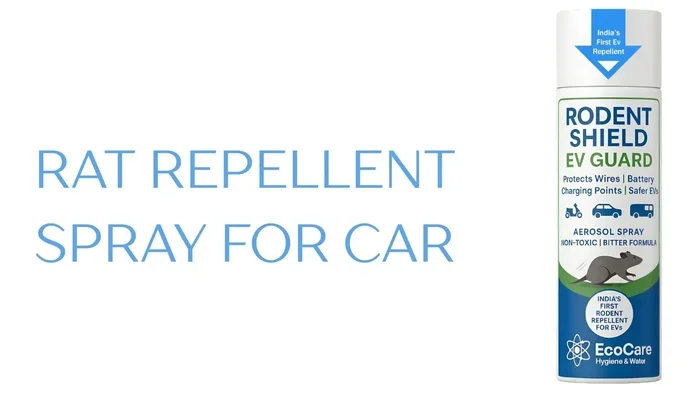
This is where anti rodent spray for cars comes in. A quality rodent repellent spray for cars creates a protective barrier that keeps mice, rats, and other pests away from your engine bay and interior. Whether you park your car in a garage or outdoors, this simple step can save you from expensive rodent damage repair costs and a lot of headaches.
In this guide, we will cover everything you need to know about anti rodent spray for cars. You will learn how these products work, which types are available, and how to apply them correctly. By the end, you will have all the tools you need to protect your car from rodents effectively and affordably.
Key Takeaways
- Rodent damage can cost hundreds to thousands: Rats and mice chew through wires, hoses, and insulation, leading to pricey repairs.
- Anti rodent spray for cars creates a protective barrier: The spray repels rodents using scents they dislike intensely.
- Multiple types of sprays are available: You can choose from natural, chemical, and electronic options based on your needs.
- Proper application matters: Spraying the right areas at the right frequency ensures maximum protection against rodents.
- Prevention is easier than repair: Using a spray regularly is far cheaper than fixing rodent damage to your car.
- Seasonal use boosts effectiveness: Applying spray before rodent season gives your car extra defense during high-risk months.
📑 Table of Contents
What Is Anti Rodent Spray for Cars?
Anti rodent spray for cars is a specially formulated product designed to repel rodents from vehicles. Unlike regular pest sprays used in homes, these sprays are made to withstand engine heat, weather exposure, and the unique environment under your car’s hood. They work by emitting strong scents that rodents find offensive, which keeps them away from your car entirely.
How It Differs from Regular Repellents
Not all rodent repellents are created equal. Regular household repellents are not built to handle the high temperatures and harsh conditions found in a car engine bay. Anti rodent spray for cars is engineered to withstand heat up to 200 degrees Fahrenheit or more. This means the protection lasts longer, even in hot weather or after the engine has been running.
Another key difference is the application method. Car rodent sprays often come with precision nozzles that let you reach tight spaces under the hood. You can target areas where rodents are most likely to nest, such as near wire bundles, air intake vents, and engine compartments.
Key Ingredients to Look For
When shopping for the best rodent repellent spray for cars, check the ingredient list. Most quality products contain one or more of the following:
- Peppermint oil: A natural ingredient that rodents absolutely hate. It is safe for your car and the environment.
- Capsaicin: Derived from hot peppers, this creates a spicy scent that deters rodents effectively.
- Sulfur compounds: These produce a strong odor that rodents find unbearable.
- Synthetic repellents: Some sprays use lab-created compounds that mimic natural deterrents for longer-lasting effects.
Look for a product that combines long-lasting protection with safe ingredients. You do not want something that damages rubber seals or paint while repelling rodents.
Why Rodents Love Your Car Engine
It might seem strange that rodents would choose a car engine as their home. But for mice and rats, your vehicle offers everything they need. The engine bay provides warmth, shelter from predators, and plenty of materials to chew through for nesting. Understanding why rodents target cars helps you see why underhood rodent protection is so important.
The Hidden Danger Inside Your Engine Bay
Your car engine bay is full of materials that attract rodents. The wiring harnesses use soy-based insulation, which tastes like a snack to rats and mice. Hoses made from natural rubber are also appealing. Even the cabin air filter and insulation inside the dashboard can become targets.
Once a rodent moves in, the damage starts quickly. Rats chewing car wires can cause short circuits, engine misfires, and even fires. A single mouse can chew through multiple wires in just a few days. The cost to repair car wire damage from rodents can range from a few hundred dollars to over a thousand, depending on the severity.
Common Signs of Rodent Infestation in Cars
Spotting a rodent problem early can save you a lot of money. Watch for these warning signs:
- Chewed wires and hoses: Visible bite marks on cables under the hood.
- Nesting materials: Shredded paper, fabric, or plant matter found in the engine bay or cabin.
- Unusual smells: A strong urine or feces odor coming from the dashboard or engine area.
- Strange noises: Scratching or scurrying sounds when you start the car or turn the steering wheel.
- Malfunctioning electronics: Lights flickering, power windows acting up, or the check engine light turning on for no clear reason.
If you notice any of these signs, act fast. The longer a rodent stays in your car, the more damage it can cause. Using a car rodent deterrent spray as soon as you spot these warnings can prevent further harm.
How Anti Rodent Spray for Cars Works to Protect Your Vehicle
Understanding how anti rodent spray for cars works helps you appreciate its value. These sprays do not kill rodents. Instead, they create an invisible barrier that makes your car unappealing to them. Think of it as a force field of bad smells that rodents simply cannot tolerate.
The Science Behind Rodent Deterrent Sprays
Rodents have an extremely sensitive sense of smell. Their noses are far more powerful than ours. Certain scents that humans find pleasant or neutral are overwhelming and even painful for rodents. Anti rodent spray for cars leverages this biological weakness to keep pests away.
When you spray the product in your engine bay and other vulnerable areas, it coats the surfaces with a thin layer of repellent. As the heat from the engine activates the spray, the scent spreads throughout the engine compartment. Rodents that approach your car smell the deterrent and choose to go elsewhere. It is a simple but highly effective method of car rodent prevention.
Natural vs Chemical Repellents
There are two main categories of rodent repellent spray for cars: natural and chemical.
Natural sprays use ingredients like peppermint oil, clove oil, and citronella. They are safe for humans, pets, and the environment. Many car owners prefer natural options because they do not produce harsh fumes. However, natural sprays may need more frequent reapplication, especially in humid or rainy conditions.
Chemical sprays use synthetic compounds designed for maximum potency and longevity. They tend to last longer and withstand weather better. The trade-off is that some chemical sprays have a strong odor during application and may not be as eco-friendly. Choose a product that balances effectiveness with safety for your car’s materials.
Some products combine both approaches, using natural oils enhanced with synthetic stabilizers for longer-lasting protection. These hybrid formulas are often the best choice for car engine protection year-round.
Types of Anti Rodent Sprays Available
The market for anti rodent spray for cars has grown significantly in recent years. There are now many options to choose from, each with its own strengths. Understanding the different types helps you pick the right product for your situation.
Comparison Table: Top Types of Anti Rodent Sprays
| Type | Pros | Cons | Best For |
|---|---|---|---|
| Peppermint Oil Sprays | Natural, safe, pleasant smell | Shorter lasting, needs frequent reapplication | Eco-conscious car owners |
| Chemical Synthetic Sprays | Long-lasting, strong repellent effect | Strong odor during application | High-risk areas with heavy rodent activity |
| Capsaicin-Based Sprays | Very effective, long shelf life | Can irritate skin during application | Severe rodent problems |
| Electronic Ultrasonic Devices | No spraying needed, continuous operation | Battery dependent, limited coverage | Parked cars in garages |
| Soy-Free Tape and Pads | Easy to install, no spraying required | Limited coverage area | Supplemental protection |
Choosing the Right Spray for Your Needs
Selecting the best anti rodent spray for cars depends on your specific situation. Here are some factors to consider:
- Where you park: If you park outdoors or in areas with high rodent activity, choose a stronger chemical spray for longer-lasting protection.
- Climate: In humid or rainy areas, opt for a spray that is weather-resistant and designed to last through rain and heat.
- Sensitivity to smells: If you or your passengers are sensitive to strong odors, go with a natural peppermint-based spray.
- Frequency of use: If you prefer minimal maintenance, look for sprays that only need application once every three to six months.
- Budget: Most quality sprays cost between $10 and $30. This is a small price compared to the cost of repairing rodent damage to your car.
Reading customer reviews can also help you find the most effective best rodent spray for vehicles. Look for products with high ratings and detailed feedback about real-world results.
How to Apply Anti Rodent Spray for Maximum Protection
Even the best anti rodent spray for cars will not work if you apply it incorrectly. Proper application ensures that every vulnerable area is covered and the protection lasts as long as possible.
Step-by-Step Application Guide
Follow these steps to get the most out of your rodent repellent spray for cars:
- Start with a clean engine bay: Remove any debris, leaves, or nesting materials. Rodents are attracted to clutter, so a clean space makes the spray more effective.
- Shake the can well: Most sprays need to be shaken before use to mix the ingredients properly.
- Spray from a distance of 6 to 8 inches: This ensures even coverage without over-saturating any one area.
- Focus on high-risk zones: Spray around wire bundles, air intake vents, engine hoses, and any openings where rodents can enter.
- Do not spray on hot surfaces: Wait until the engine has cooled down to avoid the spray evaporating too quickly.
- Reapply the spray evenly: Make sure every surface is lightly coated, not dripping wet.
- Let it dry completely: Allow at least 30 minutes before starting the engine.
Repeat this process every 30 to 60 days for continuous car rodent prevention. During peak rodent season in fall and winter, you may want to apply more frequently.
How Often Should You Reapply?
The reapplication frequency depends on several factors. Sprays with natural ingredients typically last 2 to 4 weeks before the scent fades. Chemical-based sprays can last 1 to 3 months. Rain, snow, and high humidity all shorten the duration of protection.
A good rule of thumb is to inspect your car every two weeks during rodent season. If you notice any signs of rodent activity, reapply the spray immediately. Consistent use of anti rodent spray for cars is the best way to maintain long-term rodent proof car engine protection.
Additional Tips to Keep Rodents Away from Your Car
Sprays work best when combined with other prevention strategies. Protecting car from rodents requires a multi-layered approach. Here are some extra steps you can take to keep your vehicle rodent-free.
Parking Strategies That Help
Where you park your car has a big impact on rodent risk. Follow these parking tips:
- Park in well-lit areas: Rodents prefer dark, secluded spots. Open, well-lit spaces are less appealing to them.
- Avoid parking near trash cans or dumpsters: These are rodent hotspots. Keep your car at least 20 feet away from waste areas.
- Use a car cover with rodent repellent treatment: Some covers are treated with deterrent scents that add an extra layer of protection.
- Park in a garage when possible: A garage offers physical barriers that reduce rodent access. Make sure the garage itself is sealed against pests.
- Keep grass and vegetation trimmed: Overgrown plants near your parking spot give rodents easy access to your car.
When to Seek Professional Help
Sometimes a rodent problem goes beyond what a spray can handle. If you find extensive nesting inside your car or notice persistent damage despite using anti rodent spray for cars, it may be time to call a professional. Pest control experts can inspect your vehicle thoroughly and address hidden infestations.
Professionals can also install physical barriers like wire mesh over vulnerable entry points. Combined with regular spray application, this provides the strongest possible car engine protection against rodents.
Quick Tips for Rodent-Free Driving
- Store your car in a clean, dry space whenever possible.
- Check under the hood regularly for signs of nesting or chewing.
- Use peppermint sachets in the cabin as a secondary deterrent.
- Seal any gaps or openings in the engine bay with steel wool or wire mesh.
- Keep your car moving regularly. Rodents prefer stationary vehicles that have not been started in weeks.
- Dispose of any food wrappers or crumbs inside the car immediately.
- Consider using anti chew spray for car on specific wires that have been targeted before.
Conclusion
Anti rodent spray for cars is one of the simplest and most affordable ways to protect your vehicle from costly rodent damage. Rodents cause thousands of dollars in repairs every year, targeting wires, hoses, and insulation inside your engine bay. A quality rodent repellent spray for cars creates a powerful barrier that keeps these pests away before they can do any harm.
By understanding how these sprays work, choosing the right product, and applying it correctly, you can significantly reduce the risk of infestation. Combine spray application with smart parking habits and regular inspections for the best results. Preventing rodent damage is always cheaper than repairing it, and a few minutes of preventive care each month can save you hours of frustration and hundreds of dollars in repair bills.
Take action today. Protect your car with anti rodent spray for cars and enjoy peace of mind knowing your vehicle is safe from rodents all year round.
Frequently Asked Questions
How long does anti rodent spray for cars last?
Most sprays last between two weeks and three months, depending on the type and weather conditions. Natural sprays tend to fade faster, while chemical-based formulas provide longer-lasting underhood rodent protection. Reapply every 30 to 60 days during peak rodent season for best results.
Is anti rodent spray safe for car paint and rubber seals?
Quality car rodent deterrent spray products are formulated to be safe on paint, rubber, and plastic. However, always check the product label before use. Avoid spraying directly on painted surfaces and test a small hidden area first to ensure no discoloration or damage occurs.
Can I use regular peppermint oil instead of a dedicated car spray?
While peppermint oil has repellent properties, it is not designed for the high-heat environment of a car engine bay. Dedicated anti rodent spray for cars is heat-resistant and formulated to last longer. Using regular oil may provide temporary relief but requires much more frequent reapplication.
How often should I reapply rodent repellent spray during winter?
Winter is peak rodent season, so you should reapply your spray for car engine every three to four weeks. Rodents are actively seeking warm shelter during cold months, making your vehicle a prime target. Consistent application throughout winter gives you the best car rodent prevention results.
What should I do if I already have rodents in my car?
First, remove any nesting materials and clean the affected areas thoroughly. Then apply anti rodent spray for cars generously throughout the engine bay and cabin. If the infestation is severe, consult a pest control professional. After clearing the problem, maintain regular spray application to prevent future visits.
Are electronic ultrasonic repellents effective as an alternative to sprays?
Electronic ultrasonic devices can be a useful supplement to sprays, but they have limited coverage and depend on battery life. For comprehensive rodent proof car engine protection, combining ultrasonic devices with a quality natural rodent repellent car spray provides the strongest defense against rodent damage.