Is 36 PSI Too High for Tires Here Is What You Need to Know
36 PSI is not too high for most passenger vehicles, but whether it is right for your car depends on your tire size, vehicle type, and driving conditions. The correct tire pressure ensures safety, fuel efficiency, and even tire wear. Always check your owner’s manual or the door jamb sticker before inflating. Overinflating can cause a harsh ride, uneven wear, and reduced traction.
Is 36 PSI too high for tires? This is a question many car owners ask when they see the number on their tire sidewall and wonder if they are pushing their limits. The short answer is no. For most vehicles, 36 PSI falls within a safe and normal range. But the full answer depends on your car, your tires, and how you drive.
Tire pressure is one of the simplest yet most overlooked parts of car maintenance. A few extra pounds per square inch might seem like a small thing. But it can change how your car handles, how much fuel you use, and how long your tires last. In this guide, we will break down everything you need to know about 36 PSI and tire pressure in general.
Whether you drive a daily commuter or a heavy-duty truck, understanding your tire pressure keeps you safe on the road. It also saves you money by preventing premature tire wear. Let us dive into what 36 PSI really means for your vehicle.
Key Takeaways
- 36 PSI is safe for most cars: Many standard passenger vehicles use 32 to 35 PSI, so 36 PSI is only slightly above average.
- Check your door jamb first: The sticker on your driver’s door lists the exact recommended pressure for your vehicle.
- Overinflation has real risks: Too much air reduces the tire contact patch, leading to poor traction and a rough ride.
- Towing changes your needs: If you haul heavy loads, higher pressure may be needed, but always follow manufacturer guidelines.
- Temperature affects PSI: Cold weather can drop your pressure, while hot weather can raise it by several PSI.
- Use a reliable gauge: Gas station air pumps are often inaccurate. A personal tire pressure gauge gives better readings.
📑 Table of Contents
What Does 36 PSI Mean for Your Tires?
PSI stands for pounds per square inch. It measures the amount of air pressure inside your tire. Every tire has a maximum PSI rating printed on the sidewall. That number tells you the most air the tire can safely hold. It does not tell you the pressure you should run.
The recommended tire pressure for your vehicle is different from the maximum. Car manufacturers set the recommended pressure based on the vehicle’s weight, suspension, and intended use. For most passenger cars, the recommended pressure falls between 30 and 35 PSI. So 36 PSI is just slightly above the typical range.
Where to Find Your Recommended Pressure
You do not need to guess what your car needs. Look for a sticker on the driver’s side door jamb. It lists the exact tire pressure for front and rear tires. You will also find this information in your owner’s manual. Some vehicles use different pressures for front and rear, especially heavier models.
When a car comes off the assembly line, the factory sets the tire pressure to match the recommended specs. If you are curious about how long it takes for a car to come from the factory, the tire pressure is already set before it ever reaches the dealership. This is one of the many quality checks built into the manufacturing process.
Maximum PSI vs. Recommended PSI
This is where many drivers get confused. The maximum PSI on the tire sidewall is not your target. It is the absolute ceiling. Running your tires at maximum pressure gives you a harder ride and less grip. Think of it like overpacking a suitcase. It might close, but everything inside gets crushed.
For most standard tires, the maximum PSI ranges from 40 to 50. So 36 PSI is well below that ceiling for most models. It is a perfectly normal operating pressure for many vehicles.
How Tire Pressure Affects Your Driving
Tire pressure affects more than just safety. It changes how your car feels on the road, how much fuel it uses, and how evenly your tires wear. Even one or two PSI can make a noticeable difference over time.
Ride Comfort and Handling
When you run 36 PSI in a tire rated for 32 PSI, the tire becomes firmer. This can make the ride feel stiffer, especially over bumps and potholes. The tire has less flex, which means it absorbs less road vibration. On smooth highways, this might feel fine. On rough roads, it can get uncomfortable fast.
Handling also changes with pressure. A slightly higher PSI can improve steering response. The tire stays more rigid during turns. But too much pressure reduces the contact patch. That means less grip on wet roads, gravel, or snow. Safety should always come before a sportier feel.
Fuel Economy and Tire Wear
Overinflated tires have a smaller contact area with the road. Less friction means the engine does less work. This can slightly improve fuel economy. But the trade-off is not worth it if it wears out your tires too fast.
When a tire sits at too high a pressure, the center of the tread wears down faster. You end up replacing tires sooner than you should. That costs more money than any fuel savings you might gain. Even tire wear is the goal, and that happens at the recommended PSI.
Tire Pressure Monitoring System
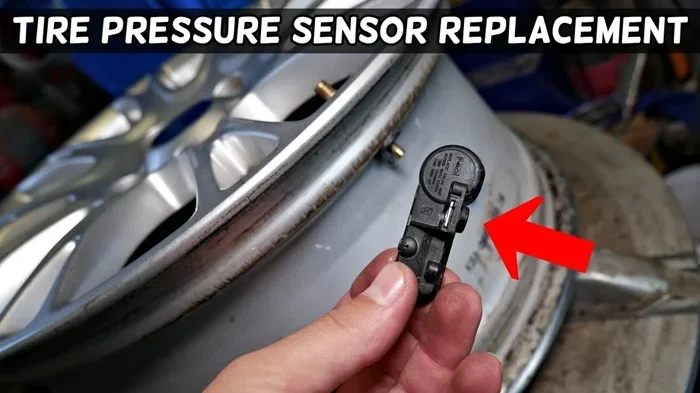
Most modern cars have a tire pressure monitoring system, or TPMS. This light on your dashboard warns you when pressure drops too low. It does not usually alert you to overinflation. That is why you should check your tires manually at least once a month.
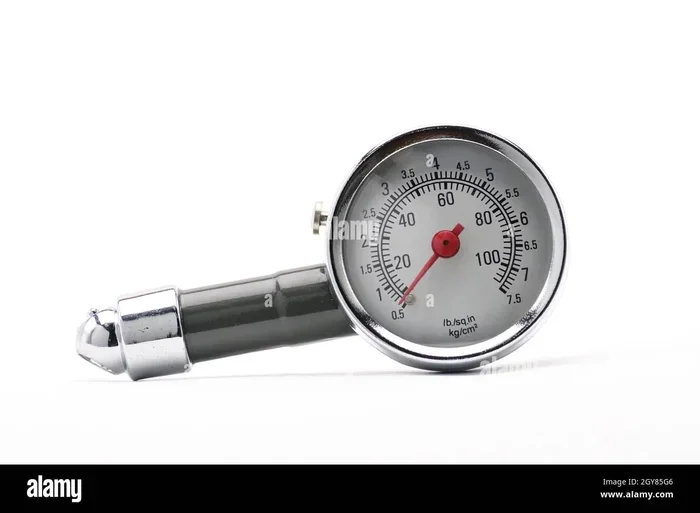
A simple tire pressure gauge costs under ten dollars. Keep one in your glove box. Check your tires when they are cold, meaning the car has been parked for at least three hours. Driving heats up the air inside the tire and raises the PSI reading.
When Is 36 PSI the Right Choice?
Not every vehicle has the same tire pressure needs. Some cars are designed to run at 36 PSI or higher. It all depends on the vehicle type, tire size, and how you use the car.
Passenger Cars and Sedans
Most sedans and small passenger cars use 30 to 35 PSI. Running 36 PSI in these vehicles is usually fine. It is only one PSI above the typical range. You might notice a slightly firmer ride, but nothing dramatic. Just make sure you are not exceeding the maximum PSI listed on the tire.
SUVs and Light Trucks
Larger vehicles often need higher tire pressure. SUVs and light trucks carry more weight. They need firmer tires to handle the load safely. For many trucks and SUVs, 36 PSI falls right within the recommended range. Always check the door jamb sticker for your specific model.
If you use your truck for towing, tire pressure becomes even more important. Towing puts extra stress on your tires. Higher pressure helps support the added weight. If you are wondering whether your truck can handle towing, check out our guide on are Toyota Sequoias good for towing. It covers how towing affects your vehicle and what you need to know about tire safety when hauling heavy loads.
High-Mileage Driving
If you drive a lot of miles, tire pressure matters even more. High mileage puts extra wear on your tires. Running the correct pressure helps them last longer. For vehicles like the Toyota Tundra, which are often driven for many years and high mileage, maintaining proper tire pressure is essential.
When you hit the 200,000-mile mark, tires may need replacing sooner if pressure has not been managed properly. Check out our article on whether 000 miles a lot for a Toyota Tundra to learn more about maintaining your truck at high mileage, including tire care tips that help your vehicle last.
Cold Weather vs. Hot Weather
Air pressure inside a tire changes with temperature. For every 10-degree drop in temperature, your tire loses about 1 PSI. In winter, your tires might read 33 PSI in the morning even if you set them to 36 PSI the night before. This is normal and not a cause for alarm.
In summer, the opposite happens. Hot pavement heats up the air inside the tire. Pressure can rise by 2 to 4 PSI during a long drive. This is why you should never let air out of a hot tire. Always adjust pressure when the tires are cold.
Risks of Driving on Overinflated Tires
While 36 PSI is safe for most vehicles, significantly overinflating your tires is dangerous. Know the risks so you can avoid them.
Reduced Traction
An overinflated tire has a smaller footprint on the road. Less rubber touches the surface. This means less grip, especially on wet or icy pavement. Reduced traction increases your stopping distance. It also makes cornering and turning less safe.
Think of it this way. A wide tire spreads its weight over more ground. A thin tire concentrates all the weight on a small strip in the center. That strip alone has to handle braking, turning, and acceleration.
Uneven and Premature Tire Wear
The center of the tread wears down first when pressure is too high. You will notice this after a few thousand miles. The tire looks worn in the middle but still has plenty of tread on the sides. This kind of wear shortens the overall lifespan of the tire.
Replacing tires is expensive. A set of quality tires can cost several hundred dollars. Keeping your pressure at the recommended level is the easiest way to protect that investment.
Harsh Ride and Increased Blowout Risk
Overinflated tires are stiffer and less forgiving. They transmit more road shock into the cabin. Potholes and bumps feel much harder. Over time, this stiffness can also damage your suspension components.
In extreme cases, too much pressure can cause a blowout. The tire sidewall flexes less at high pressure, which reduces its ability to absorb impacts. A sharp pothole or curb at maximum pressure can cause the tire to fail. This is especially dangerous at highway speeds.
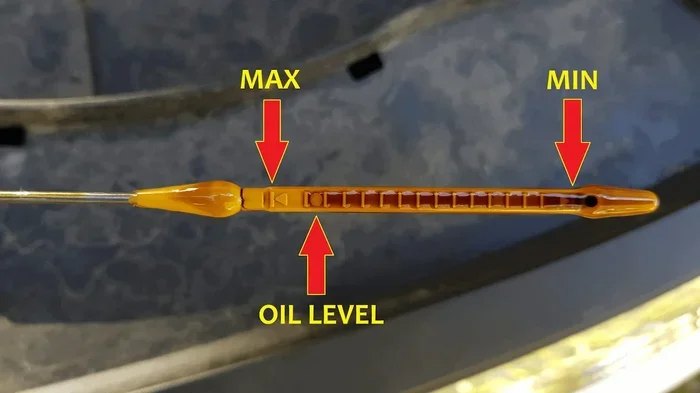
Some people wonder if driving with too much of something in your car causes problems. For example, can I drive my car with too much oil in it? The answer is yes, overfilling oil causes issues. The same logic applies to tire pressure. More is not always better.
Impact on Vehicle Warranty
Running your tires at the wrong pressure can affect your vehicle warranty. If a tire or suspension problem is linked to overinflation, the manufacturer may deny the claim. Always follow the recommended pressure listed in your owner’s manual or on the door jamb sticker.
If you take your vehicle to a dealership for warranty work, they will check tire pressure as part of the inspection. For information on warranty service, check out our guide on can I take my Toyota to any dealership for warranty work.
How to Find Your Correct Tire Pressure
Finding the right tire pressure for your vehicle is simple. Follow these steps to get it right every time.
- Check the door jamb sticker. Open your driver’s door and look for a sticker or plate on the door frame. It lists the recommended PSI for front and rear tires.
- Consult your owner’s manual. The manual provides the same information in detail. It also explains any differences between loaded and unloaded tire pressure.
- Use a quality tire pressure gauge. Do not rely on the air pump at the gas station. Those gauges are often inaccurate. A digital or dial gauge gives you a precise reading.
- Check when tires are cold. Park your car for at least three hours before checking. Morning is the best time.
- Add air slowly. Use the air pump in short bursts. Check the pressure after each addition. It is easy to add too much air.
- Do not bleed air from hot tires. If you have been driving, wait for the tires to cool before adjusting pressure.
Quick Tips for Tire Pressure Maintenance
- Check tire pressure at least once a month.
- Check before long road trips.
- Do not forget the spare tire.
- Replace valve stems every few years.
- Rotate your tires regularly to promote even wear.
- Keep a log of your pressure readings in your glove box.
Common Tire Pressure Mistakes
Many drivers make simple mistakes that lead to tire problems. Here are the most common ones to avoid.
- Relying on the tire sidewall number: That is the maximum, not the recommendation.
- Only checking tires when they look low: Tires can lose pressure slowly over weeks without looking flat.
- Ignoring the TPMS light: If the light comes on, check your pressure immediately.
- Setting all tires to the same PSI: Front and rear tires often need different pressures.
- Overlooking temperature changes: Seasonal shifts can drop or raise your PSI by several pounds.
Expert Insights on Tire Pressure
Automotive experts agree that proper tire pressure is one of the most important things you can do for your vehicle. The Tire and Rubber Association recommends checking pressure monthly and before any long trip.
Most tire manufacturers suggest setting pressure to the vehicle manufacturer’s recommendation, not the tire’s maximum. This ensures the best balance of comfort, safety, and tread life. A tire professional at your local service center can also help you confirm the right pressure for your specific setup.
If you are shopping for tire protection products, a coating like 3M Teflon can help shield your tires from UV damage and cracking. It does not replace proper pressure maintenance, but it adds an extra layer of care. You can learn more about the cost of this treatment in our article on 3M Teflon coating for car price.
Conclusion
So is 36 PSI too high for tires? The answer is no. For most vehicles, 36 PSI is a perfectly safe and normal tire pressure. It sits just slightly above the typical range of 30 to 35 PSI for passenger cars. As long as you stay at or below the maximum PSI listed on the tire sidewall, you are in good shape.
The key is knowing your vehicle’s recommended pressure and sticking to it. Check your door jamb sticker, use a reliable gauge, and make it a monthly habit. Proper tire pressure keeps you safe, saves fuel, and helps your tires last longer.
Do not let a small number like 36 PSI cause worry. With the right knowledge and a few simple habits, you can keep your tires in great condition all year long. Stay safe, stay informed, and keep rolling.
Frequently Asked Questions
Is 36 PSI too much for a regular passenger car?
For most passenger cars, the recommended pressure is between 30 and 35 PSI. So 36 PSI is just slightly above average. It is generally safe, but you should always check your vehicle’s specific recommendation first.
Can I drive with 36 PSI in tires rated for 35 PSI?
Yes, 36 PSI in a tire rated for 35 PSI maximum is fine. The rated pressure is the maximum the tire can handle. Running one PSI above the recommended vehicle pressure will not cause damage. Just do not go significantly over the maximum sidewall rating.
What happens if my tire pressure is too high?
Overinflated tires have a smaller contact patch with the road. This leads to reduced traction, a harsher ride, and uneven wear in the center of the tread. In extreme cases, it can increase the risk of a blowout. Always stick to the recommended PSI.
How often should I check my tire pressure?
You should check your tire pressure at least once a month. Also check before long road trips and during seasonal temperature changes. Cold weather can drop your PSI, while hot weather can raise it. Use a reliable gauge for accurate readings.
Does tire pressure affect fuel economy?
Yes, tire pressure affects fuel economy. Underinflated tires create more rolling resistance, which reduces fuel efficiency. Overinflated tires can slightly improve economy but at the cost of safety and tire life. The recommended PSI gives you the best balance.
Should I set different tire pressures for front and rear tires?
Yes, many vehicles use different pressures for front and rear tires. This is especially common in trucks and SUVs where the rear carries more weight. Always follow the specific numbers listed on your door jamb sticker or owner’s manual.