How Does a Car Run When Low on Oil and What You Should Know
When a car runs low on oil, the engine loses its lubrication, causing increased friction, overheating, and potentially severe engine damage. Recognizing the warning signs early, such as the oil warning light, unusual engine noise, and burning oil smell, can prevent costly repairs. Regular oil changes and monitoring your oil level are the best ways to keep your engine running smoothly and avoid oil starvation.
Every car owner has had that moment. You are driving down the road, and the dashboard flickers with a warning. Or maybe you popped the hood and noticed the oil level is dangerously low. The question that probably hits your mind first is simple: how does a car run when low on oil? The answer matters more than most people realize, and understanding it could save your engine from serious harm.
Engine oil is the lifeblood of your vehicle. It keeps all the moving parts working smoothly, reducing friction and preventing metal-on-metal contact. When that oil drops below the safe level, your engine starts fighting against itself. The consequences can range from minor performance issues to catastrophic engine failure.
In this guide, we will walk you through exactly what happens when your car runs low on engine oil, the warning signs to watch for, and what you can do to protect your vehicle. Whether you are a new driver or a seasoned car owner, this information will help you stay ahead of low oil pressure problems before they turn into expensive repairs.
Key Takeaways
- Engine Damage Risk: Running a car low on oil causes metal-on-metal contact, leading to accelerated wear and potential engine failure.
- Warning Signs Matter: The oil warning light, engine noise, and burning smell are clear indicators that your oil level is dangerously low.
- Oil Starvation Is Serious: Without proper lubrication, your crankshaft, camshaft, and piston rings can suffer irreversible damage within minutes.
- Prevention Is Simple: Regular oil changes, checking your dipstick weekly, and using the right oil viscosity keep your engine protected.
- Low Oil Causes Overheating: Insufficient oil leads to increased friction and heat, which can cause your engine to overheat quickly.
- Act Fast: If you notice low oil symptoms, pull over safely and address the issue immediately to avoid expensive repairs.
📑 Table of Contents
What Happens When Your Car Runs Low on Oil
Your engine contains hundreds of moving parts. The crankshaft, camshaft, piston rings, and valve train all rely on a thin film of engine oil to operate smoothly. When the oil level drops, this protective film disappears, and metal begins to grind against metal.
The Role of Lubrication in Your Engine
Think of oil as the cushion between every moving part inside your engine. Without it, the crankshaft spins against the bearings with nothing to separate them. The camshaft loses its smooth operation. The piston rings start scoring the cylinder walls. Within seconds, the damage begins.
Oil also serves a secondary role. It helps cool the engine by carrying heat away from hot components. When oil levels drop, this cooling effect diminishes. The engine runs hotter, and the risk of engine overheating increases dramatically.
Oil Starvation and Its Effects
Oil starvation is the term experts use when the oil pump cannot deliver enough oil to all the engine components. This happens when the oil level drops too low for the pump to draw from the oil pan. The pump starts sucking air instead of oil, and the lubrication system fails.
The effects of oil starvation are severe and fast. You might notice a ticking noise from the valve train first. Then the engine temperature rises. If you do not address it quickly, the bearings can fail, the crankshaft can seize, and the entire engine may need replacement.
How Low Oil Pressure Impacts Engine Performance
Low oil pressure is one of the first things you will notice when oil levels drop. The oil pressure gauge on your dashboard may read lower than normal. You might feel a slight loss of power when accelerating. The engine may feel sluggish or unresponsive.
Some drivers ignore these early signs because the car still moves. But here is the truth: a car running on low oil is like a person running on no sleep. It might still function, but every minute makes the damage worse. The longer you drive, the more expensive the repair becomes.
Warning Signs Your Engine Oil Is Running Low
The good news is that your car gives you plenty of warning before things get dire. Knowing these signs can help you act before permanent damage occurs. Here are the most common indicators that your oil level is too low.
The Oil Warning Light on Your Dashboard
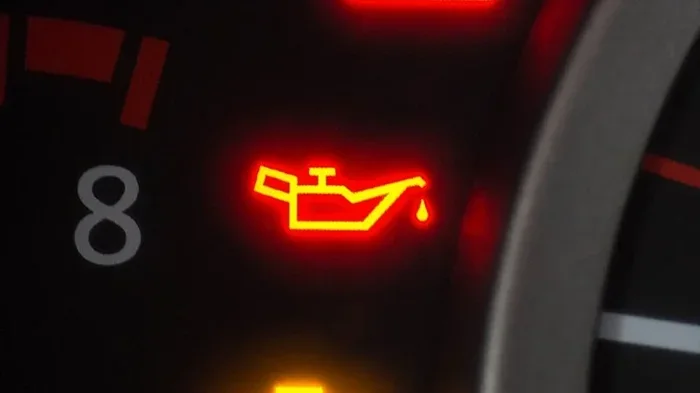
The oil warning light is the most obvious signal. It usually looks like an oil can symbol and illuminates when your oil pressure drops below safe levels. If you see this light, do not ignore it. Pull over safely and check your oil dipstick as soon as possible.
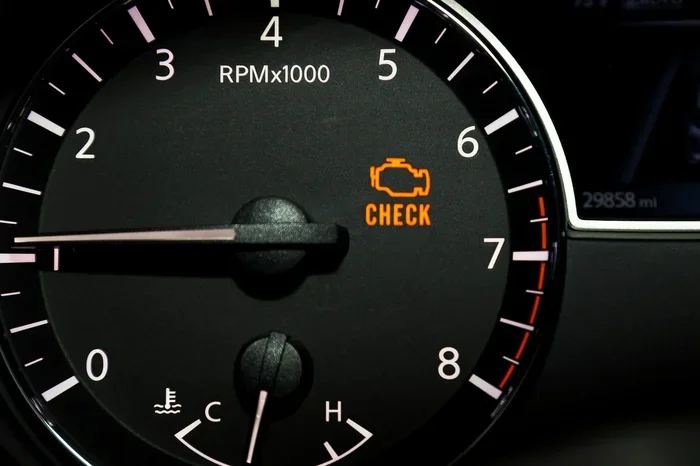
Many drivers wonder whether does low engine oil show on the dashboard. The answer is yes. Most modern vehicles have both an oil pressure warning light and an oil level indicator. If either one comes on, your engine needs attention right away.
Unusual Engine Noise
A healthy engine runs quietly. When oil levels drop, you will start hearing sounds that should not be there. A ticking or tapping noise from the top of the engine is very common. This comes from the valve train not receiving enough oil.
Some drivers describe it as a light clicking that gets faster as you accelerate. If you hear this noise, do not wait. Check your oil level immediately. Continuing to drive with a noisy engine can lead to engine damage that costs thousands to repair.
Burning Oil Smell
If you smell something burning while driving, do not ignore it. A burning oil smell often means oil is leaking onto hot engine components. It can also mean your oil level is so low that internal parts are overheating and scorching the remaining oil.
This is a serious warning sign. Stop the car safely, let the engine cool, and check for leaks. If you notice a puddle of dark liquid under your car, you likely have an oil leak that needs professional attention.
Decreased Fuel Efficiency
When your engine struggles due to low lubrication, it works harder. This means it burns more fuel than usual. If you notice you are visiting the gas station more often, low oil levels could be the culprit.
Overheating Engine
As mentioned earlier, oil helps cool your engine. When oil levels drop, the cooling effect weakens. Your temperature gauge may start climbing. If you see the temperature light come on, can a car overheat with low oil? Absolutely yes. In fact, overheating is one of the most dangerous consequences of low oil.
If your engine starts overheating, pull over immediately. Turn off the air conditioning and turn on the heater to help draw heat away. Do not continue driving. Let the engine cool completely before checking the oil level.
The Science Behind Oil and Engine Performance
Understanding a little bit about how oil works inside your engine helps you appreciate why keeping the right level matters so much. It is not just about filling a reservoir. It is about maintaining a complex system that keeps your engine alive.
How the Oil Pump Works
The oil pump is the heart of your lubrication system. It sits at the bottom of the engine and draws oil from the oil pan. It then pushes the oil through channels and passages to reach every component that needs lubrication.
When the oil level is too low, the pump cannot do its job properly. It may suck air instead of oil, creating air bubbles in the system. These air bubbles reduce the oil pressure and mean that some engine parts go without lubrication entirely.
Oil Viscosity and Why It Matters
Oil viscosity refers to how thick or thin your oil is. Thicker oil (higher viscosity) works better at high temperatures. Thinner oil (lower viscosity) flows more easily at cold start-up. Using the wrong viscosity can contribute to low oil pressure and poor lubrication.
Does it really matter what oil you put in your car? The answer is a definite yes. Different engines are designed for specific oil weights. Using the wrong oil can lead to poor performance, increased wear, and even engine overheating. Always check your owner manual for the recommended oil viscosity.
The Oil Filter and Oil Circulation
Your oil filter removes dirt and debris from the oil as it circulates through the engine. When the oil level is low, the filter may not receive enough oil to function properly. Contaminants can build up faster, and the remaining oil becomes dirtier more quickly.
Clean oil flows better and protects your engine more effectively. Dirty oil creates more friction, which generates more heat. This creates a vicious cycle that accelerates engine wear and can lead to engine damage over time.
How Long Can You Drive With Low Oil
This is one of the most common questions car owners ask. The honest answer is: not very long, and it depends on how low the oil is.
Driving on Low Oil: The Timeline
If your oil level is just slightly below the minimum mark on the dipstick, you might be able to drive a short distance to the nearest service station. However, even a few miles of driving on low oil can cause damage to the engine bearings and other internal components.
If your oil level is critically low, driving even a short distance can result in severe engine damage. The crankshaft bearings can fail within minutes. The camshaft can become scored. The piston rings can start sticking. All of these problems lead to expensive repairs or even a complete engine replacement.
Can low oil cause overheating? Yes, absolutely. When oil levels drop significantly, the engine loses its primary cooling mechanism. The temperature rises rapidly, and within a short drive, you could face a seized engine. The relationship between low oil and overheating is direct and dangerous.
What to Do If You Are Stranded With Low Oil
If you find yourself in a situation where your oil is low and you need to get to a repair shop, follow these steps:
- Check the oil level with your dipstick.
- If you have a bottle of the correct oil in your trunk, add it slowly. Do not overfill.
- Drive slowly and avoid heavy acceleration.
- Keep an eye on the temperature gauge and oil pressure light.
- Stop immediately if the temperature rises or the warning light comes on.
- Get to a mechanic as soon as possible.
Remember that adding oil is only a temporary fix. You still need to find out why the oil level dropped in the first place. There may be an oil leak or another underlying issue that needs professional attention.
Common Causes of Low Engine Oil
Understanding why your oil level drops helps you prevent the problem from happening again. Here are the most common reasons engines run low on oil.
Oil Leaks
The most common cause of low oil is a leak. Oil can escape from the oil pan, valve cover gasket, oil filter housing, or any of the oil passages in the engine. Even a small leak can drain your oil level over time.
If you notice oil spots under your parked car, get it checked right away. Catching a leak early can save you from the much larger cost of dealing with engine damage caused by low oil.
Burning Oil
Some engines burn a small amount of oil as part of normal operation. However, if you are burning through oil quickly, there may be a problem with the piston rings, valve seals, or PCV valve. Burning oil is a sign that should not be ignored.
Oil Changes Are Overdue
Over time, oil breaks down and loses its effectiveness. Old oil becomes thin and contaminated. It does not lubricate the engine components properly, which can make it feel like your oil level is low even when the volume is technically adequate.
Regular oil changes are essential for engine health. Follow the manufacturer recommendations for your specific vehicle, and never skip an oil change just because the oil looks fine on the surface.
Wrong Oil Type or Capacity
Using the wrong oil type or not adding enough oil during a change can leave your engine running low. Different engines have different oil capacities, and using the wrong weight oil can cause it to burn off faster or not circulate properly.
When you are getting an oil change, make sure the technician uses the correct oil type and fills it to the proper level. If you are unsure, check your owner manual or ask the service advisor.
Engine Consumption Issues
Some engines, particularly older vehicles or those with high mileage, consume oil at a higher rate. The piston rings wear over time, allowing small amounts of oil to enter the combustion chamber and burn away. If you find yourself adding oil frequently, this could be the cause.
How to Prevent Low Oil Problems
The good news is that preventing low oil problems is straightforward and requires only a few simple habits. Staying on top of your maintenance routine can save you from the headache and expense of engine damage.
Check Your Oil Level Regularly
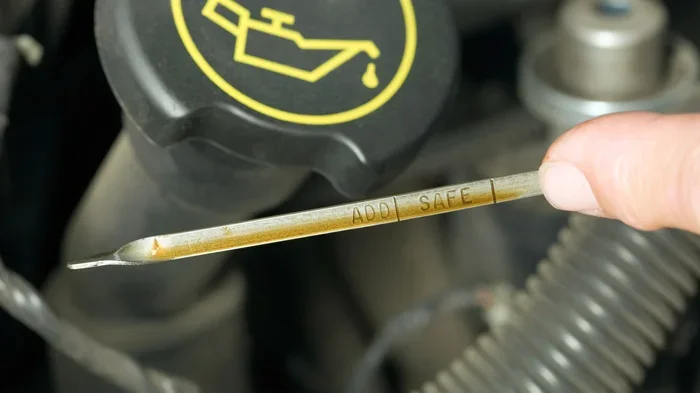
Get into the habit of checking your oil level at least once a month. Pull out the dipstick, wipe it clean, reinsert it, and pull it out again. Look at the level against the minimum and maximum marks. If it is close to or below the minimum, add oil right away.
Checking your oil is one of the easiest things you can do as a car owner, and it takes less than five minutes. Make it part of your regular routine, just like checking your tire pressure.
Follow the Recommended Oil Change Schedule
Every vehicle has a recommended oil change interval. For most modern cars, this is between 5,000 and 7,500 miles. Some newer vehicles with synthetic oil can go up to 10,000 miles between changes. Check your owner manual and stick to the schedule.
If you are unsure about which oil to use, you can always ask a professional at your local service center. Using the right synthetic oil or conventional oil for your engine makes a big difference in longevity and performance.
Watch for Early Warning Signs
Do not wait for the oil warning light to come on. By that point, your oil level may already be dangerously low. Pay attention to any unusual engine noises, changes in performance, or the smell of burning oil. These early warning signs give you a chance to address the problem before serious damage occurs.
Use Quality Oil and Filters
Not all oil and filters are created equal. Using high-quality oil and OEM or premium filters ensures proper lubrication and filtration. Cheap oil may break down faster and provide less protection for your engine components.
Does it really matter what oil you put in your car? Yes, it absolutely does. Quality oil maintains its viscosity better, lasts longer, and provides superior protection against wear and heat. It is a small investment that pays off in engine longevity.
Address Leaks Immediately
If you notice any signs of an oil leak, do not delay repairs. Even a small drip can drain your oil level over days or weeks. A leaking oil pan gasket or a loose oil filter can lead to dangerously low oil levels if left unaddressed.
Regular inspections of your engine bay can help you spot leaks early. Look for fresh oil residue around the oil pan, filter, and gasket areas. Catching a leak early is always cheaper than repairing engine damage.
Conclusion
How does a car run when low on oil? The short answer is: poorly, and dangerously. Your engine depends on a steady supply of clean oil to lubricate its many moving parts, cool critical components, and prevent premature wear. When that oil level drops, every minute of driving puts your engine at risk.
The warning signs are there for a reason. The oil warning light, unusual engine noise, burning oil smell, and rising temperature gauge are all your car trying to tell you something important. Listen to those signals and act quickly.
Prevention is always better than repair. Regular oil changes, weekly dipstick checks, and using the right oil for your engine are simple habits that can save you from the devastating cost of engine failure. Your car is a significant investment, and protecting it starts with something as basic as maintaining the proper oil level.
Take care of your engine oil, and your engine will take care of you for miles and miles to come. Do not wait until the damage is done. Check your oil today, and make it a habit you never skip.
Frequently Asked Questions
Can I drive my car if the oil light is on?
No, you should not drive your car if the oil light is on. The oil warning light indicates that your oil pressure is too low, which means your engine components are not receiving proper lubrication. Driving in this condition can cause severe and immediate engine damage. Pull over safely and check your oil level or call for roadside assistance.
How often should I check my engine oil level?
You should check your engine oil level at least once a month and before any long trips. The best time to check is when the engine is cool and the car is parked on a level surface. Regular checks help you catch low oil levels early before they lead to costly engine repairs.
What happens if I let my car run out of oil completely?
If your car runs completely out of oil, the engine will seize. Without any lubrication, the metal components grind against each other, generating extreme heat and friction. The crankshaft can weld itself to the bearings, causing catastrophic and irreversible engine damage. A seized engine often requires a full replacement, which is extremely expensive.
Can low oil cause my engine to overheat?
Yes, low oil can absolutely cause your engine to overheat. Oil plays a critical role in cooling your engine by absorbing and carrying away heat from internal components. When oil levels drop, this cooling effect is lost, and friction between moving parts generates even more heat. This can quickly lead to overheating and serious engine damage.
Does the type of oil I use affect how my engine runs?
Yes, the type of oil you use matters significantly for engine performance. Different engines require specific oil viscosities and formulations to operate correctly. Using the wrong oil can lead to poor lubrication, increased wear, and reduced fuel efficiency. Always refer to your owner manual for the manufacturer recommended oil type and weight.
How do I know if I have an oil leak?
Signs of an oil leak include dark puddles under your parked car, a burning oil smell while driving, frequent need to top off oil, and oil residue around the engine bay. You may also notice low oil levels dropping faster than normal. If you suspect a leak, have a mechanic inspect your vehicle promptly to prevent further oil loss and potential engine damage.