How Much Oil Goes in a 36L Engine A Complete Guide
Knowing how much oil goes in a 3.6L engine is essential for keeping your car running smoothly and avoiding costly repairs. Most 3.6L engines require between 5.5 and 6.5 quarts of oil, depending on whether you change the filter. This guide covers the exact oil capacity, the best oil type, viscosity ratings, and common mistakes to avoid so your engine stays in top shape for years to come.
Understanding how much oil goes in a 3.6L engine is one of the most basic yet important things every car owner should know. Whether you are changing your oil at home or just trying to keep track of your engine health, getting the right amount matters more than most people realize. Too little oil can cause serious damage, and too much oil can create its own set of problems. This guide walks you through everything you need to know about oil capacity, the right oil type, and how to avoid common mistakes.
A 3.6L engine is found in many popular vehicles, and knowing your specific oil capacity helps you stay on top of maintenance. The numbers might seem small, but even a quarter quart off can affect how your engine runs. Below, you will find detailed information on capacity, oil type, step-by-step instructions, and warning signs to watch for.
By the end of this article, you will feel confident about your next oil change. You will know exactly how much oil to add, which type works best, and how to spot problems early. Let us dive in and make sure your engine stays in great shape.
Key Takeaways
- Oil Capacity Matters: Most 3.6L engines need between 5.5 and 6.5 quarts, including the filter change. Always check your owner manual for the exact number.
- Use the Right Oil Type: Synthetic, conventional, or synthetic blend each have their place. Match your choice to your manufacturer recommendations for the best engine protection.
- Viscosity Is Critical: Stick to the viscosity rating your vehicle specifies to ensure proper oil flow and lubrication at all temperatures.
- Avoid Overfilling and Underfilling: Both extremes can cause serious engine damage. Always check your dipstick and add oil gradually.
- Watch for Warning Signs: Pay attention to your oil pressure, oil warning light, and any unusual engine noises. Early detection prevents costly repairs.
- Regular Oil Changes Keep Your Engine Healthy: Following the recommended oil change interval is one of the simplest ways to extend engine life and maintain performance.
📑 Table of Contents
- How Much Oil Goes in a 3.6L Engine: Capacity and Oil Type Guide
- How Much Oil Goes in a 3.6L Engine: Exact Numbers
- Choosing the Right Oil Type for a 3.6L Engine
- Step-by-Step Oil Change Guide for a 3.6L Engine
- Common Mistakes and How to Avoid Them
- Warning Signs Your Oil Level Is Off
- Key Takeaways
- Conclusion
How Much Oil Goes in a 3.6L Engine: Capacity and Oil Type Guide
What Does 3.6L Mean for Your Engine?
The “3.6L” refers to the engine displacement, which is the total volume of all the cylinders in your engine. Think of it as the size of the engine’s breathing space. A 3.6-liter engine moves 3.6 liters of air and fuel through its cylinders with each full rotation. This size is popular in sedans, SUVs, and trucks because it offers a good balance of power and efficiency.
Engine displacement directly affects how much oil your engine needs. A larger engine generally requires more oil to lubricate all the moving parts. The 3.6L engine is a V6 in most applications, which means it has six cylinders that all need proper lubrication. Understanding this helps you appreciate why getting the oil capacity right matters so much.
The oil capacity for a 3.6L engine is not a one-size-fits-all number. Different manufacturers design their engines slightly differently, so the capacity can vary. Always check your owner manual for the exact number. That said, most 3.6L engines fall within a common range that we will cover below.
Why Oil Capacity Matters for Engine Health
Getting the oil capacity right is crucial for engine health. Oil serves several vital functions in your engine. It lubricates the crankshaft and other moving parts, reduces friction, and helps regulate temperature. Without the correct amount of oil, these functions break down quickly.
When you underfill your engine, there is not enough oil to reach all the components that need lubrication. This leads to increased friction, heat buildup, and eventually engine wear. Over time, running low on oil can cause permanent damage to internal parts like the pistons and camshaft.
When you overfill your engine, the excess oil can foam up and lose its lubricating properties. Foamed oil does not flow properly, which means your engine parts are not getting the protection they need. In extreme cases, overfilling can cause oil to enter the combustion chamber, leading to blue smoke and poor engine performance.
How Much Oil Goes in a 3.6L Engine: Exact Numbers
Oil Capacity With and Without Filter Change
So, how much oil goes in a 3.6L engine exactly? The answer depends on your specific vehicle model. Most 3.6L engines require between 5.5 and 6.5 quarts of oil, including the oil filter change. Here is a quick breakdown of common numbers:
- With oil filter change: Typically 6.0 to 6.5 quarts
- Without oil filter change: Typically 5.5 to 6.0 quarts
- Refill after partial drain: Usually 4.5 to 5.5 quarts depending on how much was drained
Always refer to your vehicle owner manual for the precise number. The manual will also tell you the recommended oil type and viscosity. Using the wrong amount or type of oil can void your warranty and lead to expensive repairs down the road.
Many people wonder whether they should include the oil filter change when calculating how much oil they need. The short answer is yes, you should always account for the oil filter change. A new oil filter holds some oil, and draining the old filter releases that oil into the engine. When you change the oil filter, you add roughly 0.5 to 1 quart of oil that stays in the filter. This is why the total capacity is higher when you include the filter change.
Here is a simple way to think about it. If your manual says the engine takes 6 quarts with a filter change, and you are only adding oil without replacing the filter, you might only need 5 quarts. Always check the manual to be sure.
Choosing the Right Oil Type for a 3.6L Engine
Synthetic vs Conventional Oil: What You Need to Know
Choosing the right oil type is just as important as getting the amount right. The two main options are synthetic oil and conventional oil. Each has its own benefits and drawbacks.
Synthetic oil is engineered in a lab to provide superior lubrication and protection. It performs well in extreme temperatures and lasts longer between changes. If you want the best protection for your 3.6L engine, synthetic oil is the way to go. It costs more upfront but can extend the life of your engine significantly.
Conventional oil is refined from crude oil and is more affordable. It works well for standard driving conditions and is perfectly fine for many vehicles. However, it breaks down faster than synthetic oil and may need more frequent changes.
Some manufacturers recommend a blend of synthetic and conventional oil, known as synthetic blend. This option offers a middle ground between performance and cost. Check your owner manual to see what your engine specifications call for.
Does it really matter what oil I put in my car? Absolutely. Using the wrong oil type can affect engine performance, fuel economy, and longevity. To learn more about this topic, check out our guide on does it really matter what oil I put in my car.
Viscosity Ratings Explained Simply
Viscosity is a measure of how thick or thin your oil is at different temperatures. You will see viscosity ratings like 5W-20, 5W-30, or 10W-30 on oil bottles. The first number (with the W) refers to the oil’s thickness in cold weather, and the second number refers to its thickness at operating temperature.
For most 3.6L engines, the manufacturer recommends a specific viscosity. Common recommendations include 5W-20 and 5W-30. Using the wrong viscosity can affect oil flow and protection. For example, if your engine needs 5W-20 and you use 5W-30, the oil may be too thick at cold start-up, reducing its ability to lubricate quickly.
Can you use a different viscosity than what is recommended? In some cases, yes. But you should always check with your manufacturer first. To learn more about viscosity and oil substitutions, read our article on can I use 5W 30 instead of 5W 20 in my Toyota Camry.
Step-by-Step Oil Change Guide for a 3.6L Engine
What You Need Before You Start
Before you start changing your oil, gather everything you need. Having all your supplies ready makes the process smooth and stress-free. Here is a checklist of what you will need:
- The correct type and amount of engine oil
- A new oil filter
- An oil filter wrench
- A socket wrench and the correct socket
- A drain pan to catch the old oil
- A funnel for pouring in new oil
- Jack stands or a ramp if needed
- Gloves and safety glasses
- Rags or paper towels for cleanup
Once you have everything ready, make sure your engine is warm but not hot. Running the engine for a few minutes before draining helps the oil flow more smoothly. This simple tip can save you time and frustration.
The Drain and Fill Process Made Easy
Start by locating the oil drain plug underneath your vehicle. Place your drain pan directly beneath it. Using your socket wrench, carefully loosen the drain plug and let the old oil flow out completely. This usually takes about 5 to 10 minutes.
While the oil is draining, remove the old oil filter using your oil filter wrench. Before installing the new filter, lightly coat the rubber gasket with a little bit of new oil. This helps create a proper seal and makes future filter changes easier.
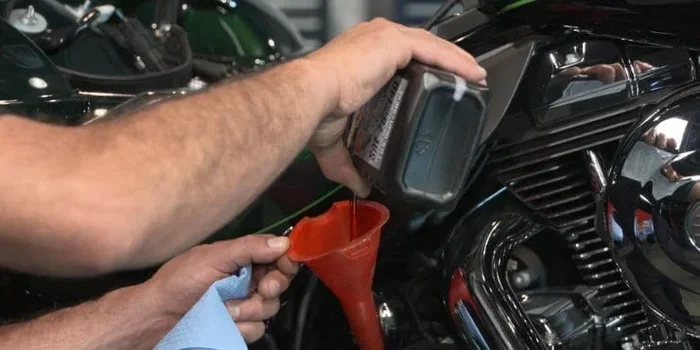
Once the old oil has stopped draining, reinstall the drain plug and tighten it snugly. Do not over-tighten, as this can strip the threads. Next, use a funnel to pour in the new oil slowly. Add a little less than the full capacity, then check the dipstick.
Start your engine and let it run for a minute. Then turn it off and wait a few minutes for the oil to settle. Check the dipstick again and add more oil if needed until the level is between the minimum and maximum marks. This two-check method ensures you get the oil level exactly right.
Common Mistakes and How to Avoid Them
Overfilling Your Engine: What Goes Wrong
Overfilling your engine with too much oil is a common mistake that can cause serious problems. When there is too much oil in the oil pan, the crankshaft can splash against the excess oil and create foam. Foamed oil loses its ability to lubricate properly, which can lead to increased wear on engine components.
Signs of an overfilled engine include blue or white smoke from the exhaust, a burning oil smell, and oil leaks around gaskets and seals. If you suspect you have overfilled your engine, do not ignore it. Have the excess oil drained as soon as possible to prevent damage.
To avoid overfilling, always add oil gradually. Pour in small amounts and check the dipstick frequently. It is much easier to add a little more than to remove excess oil. A funnel helps you control the pour and prevents spills.
Underfilling Your Engine: The Hidden Danger
Underfilling your engine is just as dangerous as overfilling. When the oil level drops below the minimum mark on the dipstick, the engine does not get the lubrication it needs. This leads to increased friction, heat, and eventually costly repairs.
Common causes of low oil include oil leaks, burning oil, and not checking the oil level regularly. If you notice your oil level dropping frequently, inspect your vehicle for leaks and address them promptly. To learn more about what happens when your engine runs low on oil, visit our guide on can a car overheat with low oil.
A good habit is to check your oil level at least once a month. This takes only a few minutes and can save you from expensive engine repairs. Simply pull out the dipstick, wipe it clean, reinsert it, and then pull it out again to read the level. Make this part of your regular routine.
Warning Signs Your Oil Level Is Off
Low Oil Symptoms You Should Never Ignore
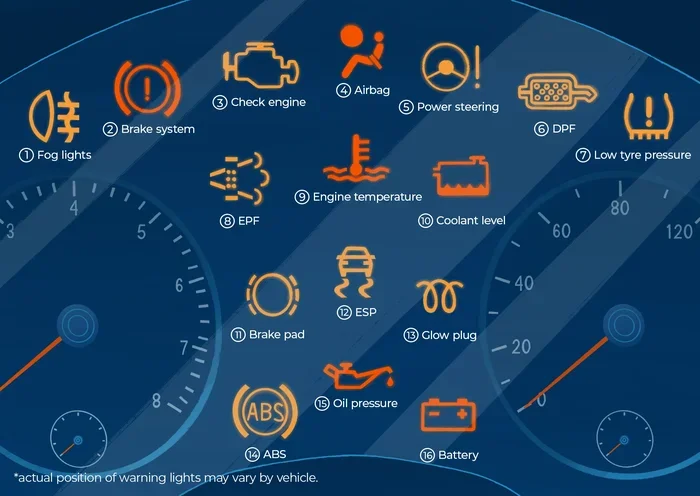
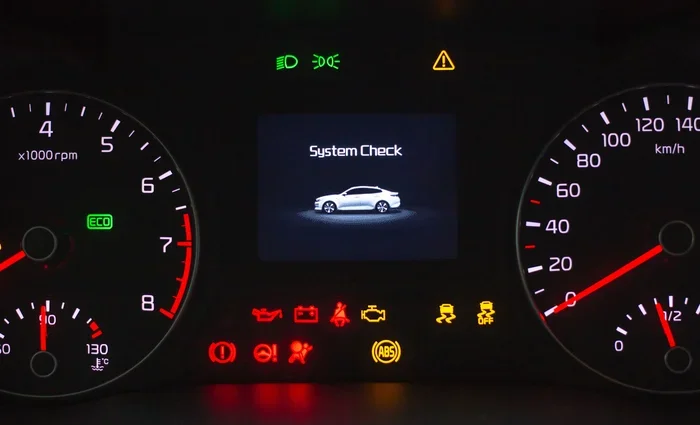
Knowing the warning signs of low oil can help you catch problems early before they turn into major repairs. One of the most obvious signs is the oil warning light on your dashboard. This light typically looks like an oil can and should never be ignored.
Other symptoms of low oil include engine noise, especially knocking or ticking sounds. You might also notice reduced engine performance, poor fuel economy, or a burning smell coming from the engine bay. If your oil warning light comes on, pull over safely and check your oil level immediately.
To understand more about how low oil shows up on your dashboard, check out our article on does low engine oil show on the dashboard. Being proactive about monitoring your oil level can save you from costly repairs and keep your engine running smoothly for years.
High Oil Symptoms to Watch For
Symptoms of too much oil are less obvious but still important to watch for. Blue or white exhaust smoke is one of the most common signs. You might also notice a rough idle, oil leaks around the engine, or a strong burning oil smell.
If you notice any of these symptoms, check your oil level with the dipstick. If the level is above the maximum mark, you will need to drain some oil to bring it back to the proper level. Most auto parts stores and quick-lube shops can help you with this if you are not comfortable doing it yourself.
Key Takeaways
- Oil Capacity Matters: Most 3.6L engines need between 5.5 and 6.5 quarts, including the filter change. Always check your owner manual for the exact number.
- Use the Right Oil Type: Synthetic, conventional, or synthetic blend each have their place. Match your choice to your manufacturer recommendations for the best engine protection.
- Viscosity Is Critical: Stick to the viscosity rating your vehicle specifies to ensure proper oil flow and lubrication at all temperatures.
- Avoid Overfilling and Underfilling: Both extremes can cause serious engine damage. Always check your dipstick and add oil gradually.
- Watch for Warning Signs: Pay attention to your oil pressure, oil warning light, and any unusual engine noises. Early detection prevents costly repairs.
- Regular Oil Changes Keep Your Engine Healthy: Following the recommended oil change interval is one of the simplest ways to extend engine life and maintain performance.
Conclusion
Knowing how much oil goes in a 3.6L engine is a fundamental part of vehicle ownership. The right oil capacity, the correct oil type, and a consistent maintenance routine all work together to keep your engine running at its best. Whether you handle your own oil changes or visit a professional, understanding these basics empowers you to make informed decisions about your vehicle.
Remember to always consult your owner manual for the specific numbers and recommendations for your vehicle. Do not guess when it comes to oil capacity and oil type. Taking a few extra minutes to get it right can save you thousands of dollars in engine repairs over the life of your car.
Keep your oil level in check, change your oil on schedule, and never ignore warning signs. Your engine works hard for you every day, and giving it the proper lubrication it needs is the least you can do. Stay proactive, stay informed, and enjoy a smoother ride for miles to come.
Frequently Asked Questions
Can I use a different oil type than what my manual recommends?
It is best to stick with what your manufacturer recommends. However, you can switch between synthetic and conventional oil in most cases without causing damage. Just make sure the viscosity rating matches. If you are unsure, consult your owner manual or ask a trusted mechanic for advice.
How often should I check my oil level in a 3.6L engine?
A good rule of thumb is to check your oil level at least once a month. You should also check it before any long road trips. Make sure your car is parked on a level surface and the engine has been off for a few minutes before checking for an accurate reading.
What happens if I put too much oil in my engine?
Overfilling causes excess oil to foam up, which reduces its lubricating ability. This can lead to increased engine wear, oil leaks, and blue or white exhaust smoke. If you overfill, have the excess oil drained promptly to prevent damage to your engine components.
Do I need to change my oil filter every time I change the oil?
Yes, it is strongly recommended to change the oil filter every time you change your oil. The old filter contains contaminants and used oil that can reduce the quality of your fresh oil. A new oil filter ensures your engine gets clean lubrication right from the start.
How can I tell if my oil level is too low?
The most common sign is the oil warning light on your dashboard. You may also hear knocking or ticking sounds from the engine, notice reduced performance, or see a burning smell. Always check your dipstick if you suspect low oil, and add oil immediately if the level is below the minimum mark.
Is synthetic oil worth the extra cost for a 3.6L engine?
Synthetic oil offers better protection, longer life, and improved performance in extreme temperatures. While it costs more upfront, it can extend the time between oil changes and protect your engine better over the long run. For most 3.6L engines, synthetic oil is a worthwhile investment.