Why Wont My Tire Come Off After I Took the Lug Nuts Off
A stuck tire after removing lug nuts is a frustrating but common problem. Rust, corrosion, and over-torquing are the top reasons your tire won’t budge. This guide walks you through every cause, tool, and method to free your tire safely at home or know when to call a pro.
Key Takeaways
- Rust and corrosion between the wheel and hub are the #1 reason tires get stuck after lug nut removal.
- Over-torqued lug nuts can fuse the wheel to the hub, making removal nearly impossible without the right tools.
- Penetrating oil, a breaker bar, and heat are your best friends when dealing with a stuck tire.
- Never use a jack alone to pull a stuck tire off — always use jack stands for safety.
- Regular maintenance like anti-seize application prevents lug nuts from seizing in the future.
- Know when to call a professional if the tire won’t budge after trying all safe methods.
- Checking your tire pressure regularly can help you spot issues before they become stuck-tire emergencies.
📑 Table of Contents
- Why Wont My Tire Come Off After I Took The Lug Nuts Off
- Common Reasons Why Your Tire Won’t Come Off
- Tools You’ll Need to Remove a Stuck Tire
- Step-by-Step Methods to Free Your Stuck Tire
- How To Prevent Your Tire From Getting Stuck Again
- When To Call a Professional
- Common Mistakes People Make With Stuck Tires
- Quick Tips for a Smooth Tire Change
- Final Thoughts
Why Wont My Tire Come Off After I Took The Lug Nuts Off
You’ve got the lug nuts off. The wrench is in your hand. You’re ready to swap out that old tire. But nothing happens. The tire just sits there, stuck to the hub like it grew there overnight. You push. You pull. You curse under your breath. Sound familiar?
This is one of the most common problems car owners face. And it happens to everyone at some point. Whether you’re changing a flat tire or doing routine maintenance, a stuck tire can turn a simple job into a major headache. The good news is that you’re not alone, and there’s almost always a fix.
In this guide, we’ll walk through every reason why your tire won’t come off, the tools you need, and the safest ways to get it done. We’ll also cover how to prevent this from happening again. Let’s get into it.
Common Reasons Why Your Tire Won’t Come Off
Before you start forcing things, it helps to understand what’s actually happening. Several factors can cause a tire to stick to the hub even after the lug nuts are removed. Let’s break them down.
Rust and Corrosion Between the Wheel and Hub
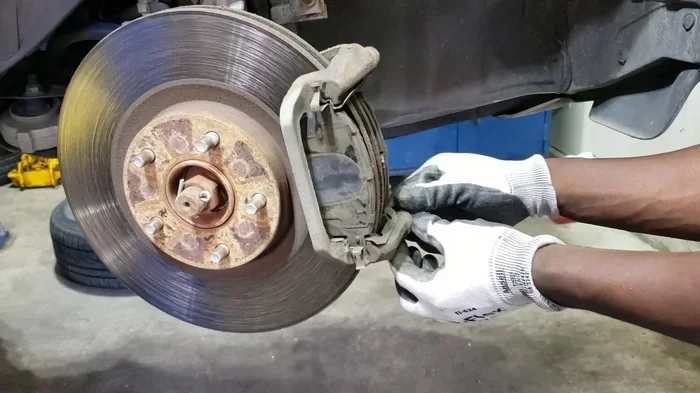
This is the number one reason tires get stuck. Over time, moisture and road grime build up between the wheel and the hub. This creates rust that literally welds the two surfaces together. The tire looks fine from the outside, but underneath, rust has formed a strong bond.
Older vehicles are especially prone to this. If you drive in areas with salt on the roads in winter, the problem gets worse. Salt accelerates rust formation dramatically. Even newer cars can experience this if they sit unused for long periods.
Corrosion doesn’t just affect the outside of the wheel. It can form on the hub surface and the wheel mounting surface too. This hidden rust is often invisible but extremely strong.
Over-Torqued Lug Nuts
When lug nuts are tightened beyond their recommended torque specifications, they can warp the wheel and create extreme pressure against the hub. Over time, this pressure causes the wheel to bind tightly. Removing the lug nuts alone won’t free the tire because the physical pressure is still there.
Many people use impact wrenches at home without a torque wrench to check their work. This often leads to over-tightening. Factory specs exist for a reason. They ensure the wheel is snug but not crushed against the hub.
Heat Warping and Disc Brakes
If you drive hard or tow heavy loads, your disc brakes can generate a lot of heat. This heat can warp the brake rotor and the wheel mounting surface. A warped surface creates uneven contact between the wheel and hub. The tire gets stuck in spots where the surfaces press together tightly.
This is especially common on performance vehicles and trucks. If you’ve been towing a trailer or driving down a mountain road, heat warping could be the culprit.
Debris and Dirt Buildup
Small rocks, mud, and road debris can get trapped between the wheel and the hub. Over time, this buildup creates a layer that locks the wheel in place. It’s like a natural cement layer that forms slowly. This is more common for off-road drivers or those who frequently drive on dirt roads.
A simple cleaning job might solve the problem. But often, the debris combines with rust to create an even stronger bond.
Tools You’ll Need to Remove a Stuck Tire
Having the right tools makes all the difference. You don’t need anything fancy, but you do need the right equipment. Here’s what to gather before you start.
Essential Tools
- Breaker bar — This is a long-handled wrench that gives you extra leverage. A standard lug wrench often isn’t enough for a stuck tire.
- Penetrating oil — Products like PB Blaster or WD-40 Specialist Penetrating Oil work wonders on rusted connections.
- Jack stands — Never work under a car supported only by a jack. Jack stands provide stable, safe support.
- Rubber mallet — A gentle tap can help break the rust bond without damaging the wheel.
- Heat source — A propane torch or heat gun can expand the metal and break the rust bond.
- Wire brush — For cleaning rust and debris off the hub and wheel surfaces.
- Anti-seize compound — For preventing future corrosion (more on this later).
Optional But Helpful Tools
- Impact wrench — If you have access to one, an impact wrench delivers powerful rotational force.
- Bolt cutter — Only as a last resort for lug nuts that are completely stripped or rusted shut.
- Vise grips — Useful for gripping and twisting stubborn bolts.
Having these tools ready before you start saves time and frustration. You don’t want to be halfway through the job and realize you’re missing something.
Step-by-Step Methods to Free Your Stuck Tire
Now for the part you’ve been waiting for. Here are proven methods to get your tire off the hub. Try them in order, starting with the safest approach.
Method 1: Penetrating Oil and Patience
This is the gentlest method and often the most effective. Spray penetrating oil generously around the wheel hub where it meets the tire. Focus on the edges where the wheel sits against the hub. Let it soak for at least 15 to 30 minutes.
For really bad cases, apply the oil and let it sit overnight. The penetrating oil works its way into the tiny gaps between the rusted surfaces. It breaks down the corrosion bond gradually.
After soaking, try to rock the tire back and forth gently. Push from one side, then the other. This motion helps break the rust bond without applying too much force in one direction.
Method 2: Heat Application
Heat causes metal to expand. When you heat the hub area, the wheel expands slightly. This breaks the rust bond and frees the tire.
Use a propane torch or heat gun. Apply heat evenly around the hub area. Don’t focus on one spot too long. Keep the flame moving. After heating, try to wiggle the tire loose immediately while the metal is still expanded.
Important safety note: Never use heat near a tire that still has air in it. Heat can cause the tire to explode. Deflate the tire completely before applying any heat. Also, keep flammable materials away from the work area.
Method 3: The Breaker Bar Technique
Sometimes you just need more leverage. A breaker bar gives you the extra torque you need. Attach the breaker bar to the lug nut studs (not the tire itself) and push down firmly.
Have a helper push down on the breaker bar while you rock the tire. This combination of force from both directions often breaks the rust seal. If one person isn’t enough, try stepping on the breaker bar carefully.
Never use a pipe extension on your breaker bar. It creates too much force and can snap the bar or damage the studs.
Method 4: Tapping and Vibration
Sometimes a good tap is all it takes. Use a rubber mallet to hit the tire sidewall firmly. Hit it all around the tire — top, bottom, left, and right.
The vibration helps break the rust bond between the wheel and hub. You can also use a small sledgehammer for heavier-duty tapping. Just be careful not to damage the wheel or brake components.
While tapping, have someone try to push the tire off. The combination of vibration and pushing often works wonders.
Method 5: Combined Approach
For really stubborn tires, combine multiple methods. Apply penetrating oil first. Let it soak. Then apply heat. While the metal is still warm, use the breaker bar and rubber mallet together.
This multi-pronged approach tackles the problem from every angle. The penetrating oil breaks down corrosion. The heat expands the metal. The breaker bar provides force. And the mallet adds vibration.
Most stuck tires come free with this combined approach. If they don’t, it’s time to call a professional.
How To Prevent Your Tire From Getting Stuck Again
The best way to deal with a stuck tire is to never have one in the first place. Prevention is simple and takes just a few minutes during your regular maintenance routine.
Apply Anti-Seize Compound
Before reinstalling your wheel, apply a thin layer of anti-seize compound to the hub surface and lug nut threads. This compound creates a barrier between metal surfaces. It prevents rust and corrosion from forming in the first place.
Anti-seize is inexpensive and available at any auto parts store. A small tube lasts for years and can save you from many future headaches.
Check Your Tire Pressure Regularly
Keeping your tire pressure at the recommended level helps maintain proper contact between the wheel and hub. Under-inflated or over-inflated tires create uneven pressure that can contribute to sticking over time.
If you’re unsure about your tire pressure readings, you can learn more about checking tire pressure on the dashboard to understand what your vehicle is telling you.
Clean Your Wheels During Oil Changes
When you’re under the car for an oil change or other maintenance, take a moment to inspect the wheel mounting area. Clean off any dirt, debris, or surface rust with a wire brush.
This simple habit takes just a few minutes but goes a long way in preventing future problems. Think of it as a quick check-up for your wheel connection.
Use the Right Torque
Always use a torque wrench when tightening lug nuts. Follow your vehicle’s recommended torque specifications. Over-tightening causes just as many problems as under-tightening.
If you’re wondering about proper torque values for specific vehicles, understanding does it really matter what oil I put in my car and similar maintenance questions helps build good habits that protect every part of your vehicle, including your wheels.
Drive Your Vehicle Regularly
Vehicles that sit unused for weeks or months are more prone to rust formation. If you have a seasonal car or a project vehicle, drive it regularly to prevent moisture buildup and corrosion at the wheel hub.
Even a short drive around the block helps keep things moving and prevents rust from taking hold.
When To Call a Professional
There’s no shame in calling a professional. Some situations are simply beyond what you should handle on your own. Here’s when it’s time to seek help.
If you’ve tried all the methods above and the tire still won’t budge, a professional has access to more powerful tools and techniques. They can use hydraulic lifts, industrial impact wrenches, and specialized penetrating agents that aren’t available to consumers.
Also, if you notice any damage to the wheel, hub, or brake components during your attempts, stop immediately. Driving on a damaged wheel is dangerous. A professional can assess the damage and make safe repair recommendations.
For those who need maintenance light reset or other vehicle guidance after repairs, understanding whether you can drive with the maintenance required light on is important to keep your vehicle running safely while you address the stuck tire issue.
If you’re dealing with a stuck tire and also need to check on your vehicle’s warranty coverage, you might want to look up your warranty with your VIN to see if any related repairs are covered.
Common Mistakes People Make With Stuck Tires
Learning what not to do is just as important as learning what to do. Here are common mistakes that make the problem worse.
- Using too much force too soon. This can strip lug nut studs, crack the wheel, or damage the brake rotor. Always start with the gentler methods first.
- Skipping penetrating oil. Many people jump straight to force without letting chemical solutions do the work first. Give penetrating oil time to do its job.
- Working under a car on just a jack. This is extremely dangerous. A jack can slip or fail. Always use jack stands.
- Ignoring rust on the hub. Some people remove the tire, clean the lug nuts, and reinstall without cleaning the hub surface. The rust stays and the problem returns quickly.
- Using the wrong size wrench. A slightly too-large or too-small wrench can strip the lug nut heads, making the problem much worse.
Avoiding these mistakes saves you time, money, and potential injury. Take your time and work through the problem methodically.
Quick Tips for a Smooth Tire Change
Even when everything goes smoothly, a few pro tips can make your tire change faster and safer.
- Always loosen the lug nuts while the car is still on the ground. This gives you the full strength of the vehicle’s weight holding the wheel in place.
- Keep your lug nuts and jack in your trunk at all times. Don’t wait until you have a flat to discover they’re missing.
- Store your tools in a dedicated toolbox in your trunk. A small bag with a breaker bar, torque wrench, and penetrating oil weighs almost nothing.
- After removing a stuck tire, inspect the hub surface and wheel mounting area before reinstalling anything new.
- If you need to reset your TPMS after a tire change, make sure you do it before driving away to avoid dashboard warning lights.
These small habits add up to big savings in time and frustration over the life of your vehicle.
Final Thoughts
A stuck tire after removing lug nuts is annoying, but it’s almost always solvable. Whether it’s rust, corrosion, over-torquing, or debris, there’s a method that will work. Start with the gentlest approach and work your way up to more forceful techniques as needed.
Remember that prevention is the best cure. A little anti-seize compound, regular cleaning, and proper torque habits can keep your tires from getting stuck in the future. And when in doubt, don’t hesitate to call a professional. Your safety matters more than saving a few dollars.
Next time you’re under the car and the tire won’t budge, take a deep breath. You now have all the knowledge you need to handle it. You’ve got this.
Frequently Asked Questions
Can I drive my car if the tire is stuck and I can’t remove it?
No. Driving on a stuck or damaged tire is dangerous and can cause further damage to your wheel, brakes, and suspension. If the tire is stuck and you need to drive, call a roadside assistance service or a tow truck to take your vehicle to a safe location.
How long should I let penetrating oil soak before trying to remove a stuck tire?
At minimum, let it soak for 15 to 30 minutes. For severely rusted tires, letting the penetrating oil sit overnight gives it the best chance to break down the corrosion. Reapply every few hours if needed for really tough cases.
Is it safe to use a torch to heat a stuck tire?
Yes, but only if the tire is completely deflated and there are no flammable materials nearby. Heat causes the metal to expand and break the rust bond. Always keep the flame moving and never leave it unattended. Deflate the tire first to prevent any risk of explosion.
What causes lug nuts to strip or rust shut?
Lug nuts strip when a wrench that doesn’t fit properly is used, or when too much force is applied. Rust happens from exposure to moisture, road salt, and grime over time. Using anti-seize compound and the correct tools prevents both problems.
Can a stuck tire damage my wheel hub?
Yes. If you force a stuck tire off incorrectly, you can damage the wheel hub, brake rotor, or wheel mounting surface. This is why gentle methods should always come first. If you notice any damage during removal, have a professional inspect the area before reinstalling anything.
How often should I check my tire pressure to prevent problems like stuck tires?
Check your tire pressure at least once a month and before long trips. Proper pressure keeps tires seated correctly on the hub and reduces uneven wear that can contribute to sticking. You can also use your dashboard display to monitor pressure levels if your vehicle supports it.