What Happens When an Alternator Goes Out While Driving
When your alternator dies while driving, your car loses its electrical power source and quickly runs on battery alone. Within minutes, you may experience dimming headlights, a dead battery, stalling engine, and loss of power steering and brakes. Understanding the warning signs and knowing what to do can keep you safe and prevent a costly breakdown.
Imagine you are driving down the highway, and suddenly your dashboard lights start flickering. Your radio cuts out. The power steering feels heavy. Within a few minutes, your engine sputters and dies. This nightmare scenario is exactly what happens when an alternator goes out while driving. It is scary, stressful, and potentially dangerous. But knowing what to expect and how to respond can make all the difference.
The alternator is one of those parts you rarely think about until it stops working. It charges your battery and powers all the electrical systems in your vehicle while the engine runs. When it fails, your car essentially becomes a rolling battery that will drain and die. In this article, we will walk through exactly what happens, what warning signs to watch for, and what you should do if it happens to you.
Understanding your charging system is essential for every driver. Whether you drive a daily commuter or an older vehicle, alternator failure can strike without warning. Let us break down everything you need to know about alternator failure on the road.
Key Takeaways
- Your alternator keeps your battery charged: Without it, your car can only run on stored battery power for a short time.
- Warning signs appear early: Dim lights, dashboard warnings, and unusual sounds often signal alternator trouble before total failure.
- Safety risks increase fast: Power steering and power brakes may become harder to use when the alternator fails.
- You can pull over safely: Turning off non-essential electronics helps extend your remaining battery life.
- Rebuilding or replacing the alternator is usually the fix: Depending on damage, a rebuild might save you money over a full replacement.
- Regular maintenance prevents surprises: Checking your charging system during routine service catches problems early.
📑 Table of Contents
- What Does an Alternator Do?
- Warning Signs Your Alternator Is Failing
- What Happens When the Alternator Fails While Driving
- How to React When Your Alternator Dies on the Road
- Can You Prevent Alternator Failure?
- Alternator Rebuild vs. Replacement
- How Long Can You Drive on a Failing Alternator?
- Common Mistakes Drivers Make When the Alternator Fails
- How Much Does It Cost to Fix a Failed Alternator?
- Final Thoughts
What Does an Alternator Do?
Before we talk about what happens when it fails, let us quickly cover what the alternator actually does. Think of it as your car’s electrical generator. While your engine runs, the alternator converts mechanical energy into electrical energy. This power keeps your battery charged and runs all your electrical accessories.
Every time you turn on the headlights, use the radio, charge your phone, or rely on power steering, the alternator is working behind the scenes. It also powers the ignition system, fuel pump, and engine control module. Without a functioning alternator, none of these systems get the steady power they need.
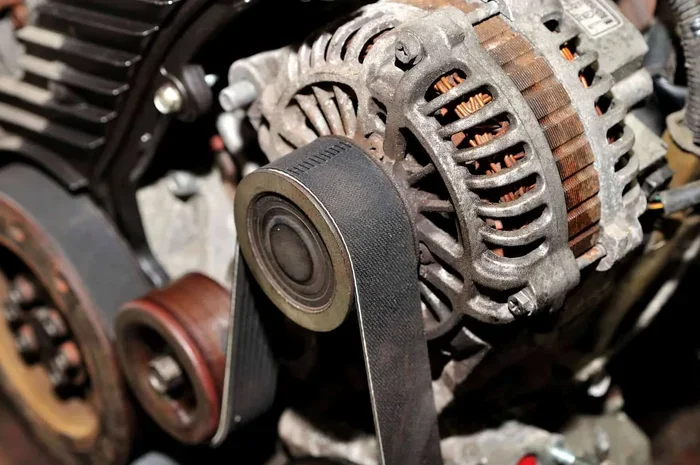
The alternator is connected to your engine through a serpentine belt. As the engine spins, the belt spins the alternator’s rotor. This creates electricity that flows through your vehicle’s electrical network. A voltage regulator controls the output to make sure you do not overcharge or undercharge the battery.
Now here is the important part. Your battery alone cannot power everything for long. It stores energy, but it is not meant to be the primary source. Once the battery drains, everything goes dark. That is exactly what happens when your alternator stops working on the road.
Warning Signs Your Alternator Is Failing
The good news is that alternator problems rarely come out of nowhere. Your vehicle usually gives you plenty of warning signs before a complete failure. Catching these early can save you from a roadside emergency.
Dashboard Warning Lights
Most modern vehicles have a battery or charging system warning light on the dashboard. It often looks like a battery icon. If this light comes on, it means your charging system is not working properly. Do not ignore it. This is your first and most obvious clue that something is wrong with your alternator.
Some drivers mistake this light for a battery problem and think they just need a new battery. But if the battery is relatively new and the light stays on, the alternator is usually the culprit. A bad alternator will drain even a brand-new battery quickly.
Dimming or Flickering Lights
Notice your headlights getting dimmer when you idle? Or maybe your dashboard lights flicker when you turn on the AC? These are classic signs of a weak alternator. When the alternator cannot produce enough power, the electrical systems compete for what little energy is available. Lights are often the first thing to suffer because they draw significant electricity.
If you notice your headlights dimming at idle but brightening when you rev the engine, that is a strong indicator your alternator is struggling. The engine speed affects how fast the alternator spins, which directly affects its output.
Electrical Accessories Acting Up
Power windows slowing down, the radio cutting in and out, or your phone charger not working properly. These small issues can add up to a big problem. Your electrical accessories need consistent voltage to work correctly. When the alternator starts to fail, these are often the first things to act strangely.
Do not write these off as random glitches. If multiple electrical accessories start misbehaving at the same time, have your charging system checked. A simple alternator test at a repair shop can confirm whether the alternator is holding up.
Unusual Sounds
A failing alternator can make grinding, whining, or squealing noises. These sounds usually come from worn bearings or a damaged rotor inside the alternator. If you hear strange noises coming from the engine bay, especially near the front where the alternator sits, get it inspected right away.
Battery Dies Frequently
If you find yourself jumping your car more than once a month, the alternator may be to blame. A healthy alternator keeps the battery topped off. A failing one lets the battery drain slowly over time. Eventually, the battery cannot hold a charge at all, and you are left stranded.
Sometimes drivers replace the battery thinking that is the problem, only to have the new battery die within weeks. Before you buy a new battery, make sure the alternator is doing its job. Can a bad alternator make your car overheat? Yes, and frequent battery drain is just one of the many side effects of a failing charging system.
What Happens When the Alternator Fails While Driving
So what actually goes wrong when the alternator dies on the road? Let us walk through it step by step. The experience usually unfolds quickly, and understanding the sequence can help you react calmly.
First: Electrical Systems Start Losing Power
The moment the alternator stops producing electricity, your vehicle shifts to battery power alone. At first, you may not notice much difference. Your engine keeps running, and the lights stay on. But the battery is not designed to handle the full electrical load by itself.
Within a few minutes, you may notice the headlights dimming. The radio might cut out. The power windows may slow down or stop working entirely. These are all signs that the battery is being drained faster than it can keep up.
Then: Dashboard Lights and Warning Indicators
As the voltage drops, more dashboard lights will start flickering or coming on. Your check engine light may activate. Other warning lights for things like traction control or stability systems may also appear. These are not separate problems. They are all caused by the same root issue: low voltage from a dead alternator.
Next: Power Steering and Brakes Become Harder
This is where things get serious. Most modern vehicles use electric or hydraulic power steering. When the alternator fails and voltage drops, power steering can become very heavy. The same goes for power brakes. While you can still steer and stop, it requires significantly more effort. At highway speeds, this can be extremely dangerous.
If you have a hydraulic power steering system, the power steering pump needs electricity to operate. Without sufficient voltage, the pump slows down or stops, making the steering wheel almost impossible to turn at low speeds.
Finally: The Engine Stalls
Once the battery voltage drops too low, the fuel pump and ignition system can no longer function. The engine sputters and stalls. At this point, your vehicle is dead in the water. You will need to pull over to the side of the road and call for roadside assistance.
This entire sequence can happen in as little as five to fifteen minutes, depending on how much electrical load you were running. If you had the AC on, headlights, rear defroster, and the radio all going, the battery drains much faster.
How to React When Your Alternator Dies on the Road
Knowing what to do in this situation can keep you safe and prevent further damage. Here is a step-by-step guide.
Step 1: Stay Calm and Pull Over Safely
Do not panic. Turn on your hazard lights immediately to alert other drivers. Gradually steer to the right shoulder or a safe parking area. If you are on a highway, try to exit at the next opportunity.
Step 2: Turn Off All Non-Essential Electronics
Turn off the air conditioning, radio, heated seats, and any other electrical accessories. This reduces the drain on the battery and may buy you a few extra minutes of power. Keep the headlights on if it is dark, but turn off everything else.
Step 3: Try to Get to a Safe Location
If you still have some battery power and the engine is running, drive to the nearest safe spot. A gas station, parking lot, or well-lit area is ideal. Do not stop on a blind curve or narrow road.
Step 4: Call for Help
Once you are safely pulled over, call a tow truck or roadside assistance service. Do not attempt to drive long distances with a dead alternator. You risk stalling in traffic or causing an accident.
Step 5: Get the Alternator Tested
Once you are at a repair shop, have the alternator and charging system fully tested. Sometimes the issue is a bad voltage regulator, a worn serpentine belt, or a faulty wiring connection. A mechanic can pinpoint the exact cause and recommend the right repair.
Depending on the damage, you may be able to rebuild an alternator at home if you have some mechanical experience. However, for most drivers, replacing the alternator is the safest and most reliable option.
Can You Prevent Alternator Failure?
While you cannot prevent every alternator failure, regular maintenance can significantly reduce the risk. Here are some proactive steps every driver should take.
- Have the charging system inspected regularly. Most mechanics will check the alternator output during routine oil changes or scheduled service. This is one of the easiest ways to catch a weak alternator before it fails completely.
- Watch for warning signs. Do not ignore dimming lights, dashboard warnings, or unusual noises. The earlier you catch an alternator problem, the cheaper the repair will be.
- Keep the battery terminals clean. Corroded battery terminals can mimic alternator problems and put extra strain on the charging system. A simple cleaning can make a big difference.
- Check the serpentine belt. A cracked or loose belt can cause the alternator to underperform or stop working entirely. Inspect it during routine under-hood checks.
- Avoid overloading the electrical system. Running too many high-draw accessories at once puts extra stress on the alternator. Be mindful of what you are running, especially at idle.
Some drivers wonder, does it really matter what oil I put in my car? While oil choice is important for engine health, it does not directly affect the alternator. However, keeping up with all your scheduled maintenance, including oil changes, helps the overall health of your vehicle and can indirectly support the electrical system.
Alternator Rebuild vs. Replacement
When your alternator fails, you have two main options: rebuild it or replace it with a new or remanufactured unit. Each option has its pros and cons.
A rebuild involves taking the old alternator apart, replacing worn components like bearings, brushes, and the voltage regulator, and putting it back together. This can be a cost-effective solution, especially if the damage is limited to specific parts. Some experienced DIYers even rebuild alternators in their home garage.
On the other hand, a replacement alternator comes ready to install. It typically comes with a warranty and offers peace of mind that the unit will work reliably. Remanufactured alternators are a middle ground, offering lower cost than new while still providing a warranty.
If you are not comfortable working on electrical components yourself, it is best to let a professional handle the job. Electrical systems can be tricky, and a poor installation can lead to further damage.
Also, keep in mind that a dead alternator can leave you stranded, and if your car is not starting but the battery is fine, the alternator should be one of the first things you check. Many drivers assume it is a battery problem when the real issue lies in the charging system.
How Long Can You Drive on a Failing Alternator?
This is one of the most common questions drivers ask. The honest answer is: not very long. A fully charged battery might keep your engine running for 20 to 40 minutes after the alternator fails, depending on the electrical load and battery condition.
However, this is a very rough estimate. If you are running the AC, headlights, and rear defroster, the battery could die in as little as 10 minutes. If you are driving at night with no accessories, you might squeeze out a bit more time.
The real takeaway is this: do not try to push it. Once you notice alternator symptoms, get your vehicle to a repair shop as soon as possible. Driving on a failing alternator risks leaving you stranded in an unsafe location.
Some people wonder if they can just replace the battery and keep driving. The answer is no. A new battery will work temporarily, but without a functioning alternator to recharge it, the battery will drain again and you will be right back where you started.
Common Mistakes Drivers Make When the Alternator Fails
When the alternator dies on the road, panic can set in quickly. Here are some common mistakes to avoid.
- Ignoring warning lights. Many drivers see the battery light and keep driving, hoping it will fix itself. It will not. Continuing to drive on a dead alternator will drain the battery completely and leave you stranded.
- Trying to jump-start and keep driving. A jump start can give you enough power to reach a nearby shop, but do not count on it to get you home or to a faraway destination. The alternator is not charging the battery anymore, so the jump-start power will run out quickly.
- Assuming it is just the battery. A dead battery and a dead alternator share many of the same symptoms. Always have both components tested before replacing anything.
- Continuing to drive with heavy electrical loads. Leaving the AC, heated seats, and high beams on will drain the battery faster. Turn everything off to conserve power.
- Delaying the repair. Some drivers put off replacing a bad alternator because of cost concerns. This is a false economy. A failed alternator can leave you stranded, and the resulting battery damage can add to the repair bill.
Being proactive about alternator maintenance can save you from these stressful situations. A little attention goes a long way toward keeping your vehicle reliable and safe.
How Much Does It Cost to Fix a Failed Alternator?
The cost of replacing an alternator varies depending on your vehicle make and model, the type of alternator you choose, and labor rates in your area. On average, you can expect to pay between 300 and 800 for parts and labor combined.
Remanufactured alternators are the most affordable option, usually costing 100 to 300 for the part alone. New alternators run higher, often 400 to 600 or more. If you choose to rebuild the alternator yourself, you can save significantly on labor costs, but you need the right tools and knowledge.
Some vehicles have alternators that are harder to access, which can increase labor time and cost. Luxury vehicles and trucks often have more expensive alternators as well. Always get a quote from a trusted mechanic before committing to the repair.
Keep in mind that the cost of a tow and roadside assistance can add up quickly if you are stranded. Preventive maintenance is always cheaper than emergency repairs.
Final Thoughts
Experiencing an alternator failure while driving is a stressful situation, but it does not have to be a dangerous one. When you understand what happens when an alternator goes out while driving, you are better prepared to react calmly and safely. The key is to recognize the warning signs early, pull over carefully, and get professional help as soon as possible.
Your vehicle’s electrical system depends on the alternator to keep everything running smoothly. From charging the battery to powering the ignition, fuel pump, and safety systems, the alternator plays a vital role in every drive. Do not take it for granted.
Regular maintenance, prompt attention to warning signs, and smart decisions on the road can help you avoid a complete alternator failure. If you ever find yourself dealing with this issue, remember the steps we covered: stay calm, pull over safely, conserve battery power, and call for help. Being prepared is the best defense against any unexpected breakdown.
Take care of your alternator, and it will take care of you. Drive safe, stay aware, and keep your vehicle in top shape.