How to Fix a Blown Head Gasket Without Replacing It
You can fix a blown head gasket without replacing it using sealants, cold welding techniques, and proper cooling system maintenance. This guide covers temporary and permanent solutions to save you money and get your engine running again safely.
Dealing with a blown head gasket can feel overwhelming. You might think the only option is a costly engine rebuild or full replacement. But that is not always the case. How to Fix a Blown Head Gasket Without Replacing It is a question many car owners ask every year. The good news is that several methods can help you seal a damaged head gasket and keep your engine running.
Whether you are dealing with engine overheating, white smoke from the exhaust, or coolant mixing with oil, there are steps you can take. This guide walks you through every option. You will learn about temporary fixes, permanent repair methods, and how to prevent future head gasket failure. Let us dive in and save you money.
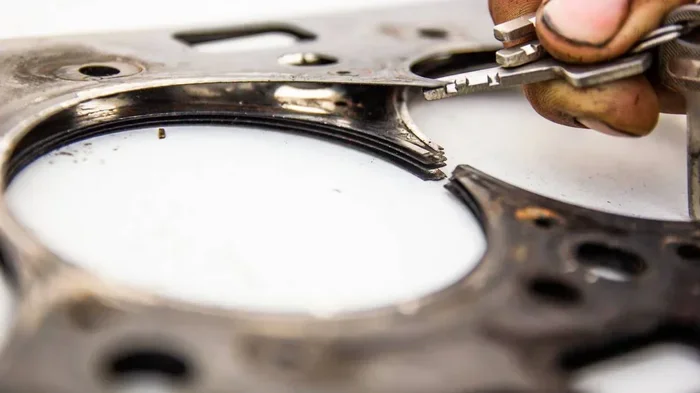
A head gasket sits between the engine block and the cylinder head. It seals the combustion chamber and keeps coolant and oil from mixing. When this gasket blows, your engine can suffer serious damage. Understanding the problem is the first step toward fixing it.
Key Takeaways
- Head gasket sealants can provide a temporary fix for minor leaks
- Recognizing symptoms early saves you from costly engine damage
- DIY repair methods work best for small, non-severe gasket failures
- Regular cooling system maintenance prevents future head gasket problems
- Knowing when to call a pro saves time and prevents further damage
- Head gasket cost for full replacement can be high, making non-replacement methods valuable
- Cold welding techniques offer a semi-permanent fix for certain gasket failures
📑 Table of Contents
What Is a Blown Head Gasket and Why Does It Matter
The Role of the Head Gasket
The head gasket is one of the most important parts in your engine. It creates a tight seal between the engine block and the cylinder head. This seal does three critical jobs. First, it keeps combustion gases contained in the combustion chamber. Second, it prevents coolant from leaking into the cylinders. Third, it stops oil from mixing with coolant.
When the head gasket works properly, your engine runs smoothly. But when it fails, things go wrong fast. Combustion gases can escape. Coolant can leak into places it does not belong. Oil can become contaminated. All of this leads to engine overheating and potential engine damage.
What Causes Head Gasket Failure
Several factors can cause a head gasket to blow. Understanding these causes helps you prevent future problems. Here are the most common reasons:
- Engine overheating: When your engine runs too hot, the cylinder head can warp. This warping breaks the seal of the head gasket.
- Age and wear: Over time, the gasket material degrades. Older engines are more prone to failure.
- Improper installation: If the head bolts are not torqued correctly, the gasket can fail early.
- Hot spots: Some engines develop hot spots that weaken the gasket over time.
- Coolant system problems: A failing cooling system puts extra stress on the head gasket.
For instance, just like a bad catalytic converter can cause a car to overheat, a failing cooling system puts enormous stress on your head gasket. Keeping your cooling system healthy is essential for gasket longevity.
How to Fix a Blown Head Gasket Without Replacing It
Temporary Fixes You Can Try at Home
If you are looking for a temporary head gasket fix, there are a few options you can try at home. These methods work best for small leaks and minor gasket failures. They are not permanent solutions, but they can buy you time until you can do a full repair.
Method 1: Head Gasket Sealant
Head gasket sealant is a liquid you pour into your radiator. It flows through the cooling system and seals small leaks in the gasket. Here is how to use it:
- Let your engine cool completely.
- Open the radiator cap carefully.
- Pour the sealant into the radiator.
- Start the engine and let it run for 15 to 30 minutes.
- Turn on the heater to maximum heat.
- Let the engine cool down again.
Most sealants need 24 hours to fully cure. During this time, avoid driving the car. After the curing period, check for leaks. If the sealant works, you should notice reduced white smoke and no more coolant loss.
Method 2: Cold Welding Compound
Cold welding compounds are another option for temporary head gasket fix methods. These compounds harden at room temperature and can seal small cracks and leaks. You apply the compound directly to the affected area on the cylinder head. This method works best for external leaks you can access easily.
Method 3: Epoxy Sealant for External Leaks
If the leak is on the outside of the engine, you can use epoxy-based sealants. These products bond to metal and create a temporary seal. They work well for small cracks in the cylinder head or engine block. Clean the surface thoroughly before applying the epoxy for the best results.
Using a Gasket Sealant Effectively
Not all gasket sealants are the same. Choosing the right product matters. Here are some tips for using sealant effectively:
- Choose a sealant designed for your engine type. Some work better with aluminum heads.
- Follow the manufacturer instructions carefully.
- Do not overfill the cooling system.
- Monitor your temperature gauge after application.
- Replace the sealant with a proper gasket repair as soon as possible.
A gasket sealant is not a long-term solution. Think of it as a band-aid, not a cure. It can stop a small leak temporarily, but it will not fix a severely damaged gasket. If your engine has a large crack or the cylinder head is warped, sealant alone will not solve the problem.
Cold Welding as a Repair Option
Cold welding is a more advanced DIY repair method. It involves using a two-part compound that bonds metal surfaces without heat. This technique can seal small cracks in the cylinder head or engine block. Here is what you need to know:
- Clean the damaged area thoroughly with a wire brush.
- Mix the cold weld compound according to instructions.
- Apply the compound to the crack or leak area.
- Let it cure for the recommended time, usually 24 hours.
- Pressure test the system to confirm the repair.
Cold welding works best for small, clean cracks. If the damage is extensive, this method will not hold. Always pressure test after any DIY repair to make sure the seal holds.
Common Symptoms of a Blown Head Gasket
White Smoke From the Exhaust
One of the most recognizable blown gasket symptoms is white smoke from the exhaust. This happens when coolant leaks into the combustion chamber and burns. The smoke looks thick and sweet-smelling. If you notice this symptom, check your coolant level immediately.
White smoke is different from normal exhaust vapor. Normal vapor is thin and disappears quickly. White smoke from a gasket leak is persistent and heavy. If you see this, stop driving and investigate the problem.
Overheating Engine
Engine overheating signs are another major indicator of head gasket failure. A blown gasket allows combustion gases to enter the cooling system. This creates air pockets that prevent proper coolant flow. The result is an overheating engine.
Watch for these overheating signs:
- Temperature gauge climbing into the red zone
- Steam or vapor coming from under the hood
- Coolant leaking from the overflow tank
- Bubbles in the radiator or coolant reservoir
Overheating can cause serious engine damage if you ignore it. Similar to how extreme heat can affect your car in direct sunlight, engine overheating from a blown gasket can warp the cylinder head and crack the engine block.
Oil Contamination and Coolant Mixing
When a head gasket fails, coolant can leak into the oil passages. This creates a milky, chocolate-milk-like substance on your dipstick or oil cap. This contamination is dangerous because oil cannot lubricate properly when mixed with coolant.
Check your oil regularly. If it looks milky or frothy, stop driving and address the problem. Running an engine with contaminated oil can cause bearing failure and complete engine seizure.
Bubbles in the Coolant Reservoir
Another sign of head gasket failure is bubbles in the coolant reservoir. These bubbles are combustion gases escaping into the cooling system. If you see constant bubbling when the engine is running, your gasket may be compromised.
A simple pressure test can confirm this. A mechanic can pressurize the cooling system and check for leaks. This test is inexpensive and gives you a clear answer about the condition of your head gasket.
Comparison: Temporary Fixes vs Permanent Repair
| Factor | Temporary Fix (Sealant) | Permanent Repair (Replacement) |
|---|---|---|
| Cost | $30 to $80 for sealant | $1,000 to $2,500 for professional repair |
| Time Required | 1 to 2 hours DIY | Several days at a shop |
| Longevity | Months to a year | Engine lifetime with proper maintenance |
| Effectiveness | Works for small leaks only | Fixes all gasket issues permanently |
| Risk | May fail under stress | Low risk when done professionally |
| Skill Level | Beginner friendly | Requires professional tools and expertise |
As you can see from the comparison table, the head gasket cost of a full replacement is significantly higher than a temporary fix. However, a temporary fix is just that, temporary. For a lasting solution, you will eventually need a proper replacement.
Preventing Future Head Gasket Problems
Regular Cooling System Maintenance
The best way to prevent head gasket failure is to maintain your cooling system. Here is a simple maintenance checklist:
- Check coolant levels monthly
- Flush and replace coolant every 30,000 miles
- Inspect hoses and clamps for wear
- Replace the thermostat at recommended intervals
- Test the radiator cap for proper pressure rating
- Watch for any signs of coolant leaks under the car
For example, understanding how long a car can sit in cold weather matters because extreme cold can cause coolant to freeze and crack the engine block, which stresses the head gasket. Always use the right coolant mixture for your climate.
Driving Habits That Protect Your Engine
How you drive affects your head gasket life. Aggressive driving puts extra stress on the engine. Here are some habits that protect your gasket:
- Let the engine warm up before driving hard
- Avoid towing beyond your vehicle’s capacity
- Do not ignore temperature gauge warnings
- Address overheating immediately
- Keep up with oil changes
Just as a clogged catalytic converter can cause a car to overheat, pushing your engine too hard without proper cooling can lead to gasket failure. Treat your engine with care and it will last longer.
When to Replace the Coolant
Old coolant loses its protective properties. It becomes acidic and corrosive. This corrosion eats away at the head gasket over time. Replace your coolant on schedule to keep the cooling system working properly. Fresh coolant also helps transfer heat more efficiently, reducing the risk of hot spots that cause gasket failure.
Final Thoughts on Head Gasket Repair
How to Fix a Blown Head Gasket Without Replacing It is absolutely possible in many cases. Whether you choose a gasket sealant, cold welding compound, or a combination of methods, the key is acting quickly. The longer you drive with a blown gasket, the worse the damage becomes.
Start with the simplest fix. Try a quality head gasket sealant first. Monitor your engine closely after application. If the leak stops and symptoms disappear, you have found your solution. If not, it is time to consider more permanent options or professional help.
Remember that every repair method has limits. Sealants work for small leaks. Cold welding helps with minor cracks. But if the cylinder head is severely warped or cracked, replacement is the only real option. Do not force a temporary fix when your engine needs a permanent solution.
Taking care of your cooling system is the best investment you can make. Regular maintenance prevents head gasket failure and saves you thousands of dollars in engine repair costs. Stay proactive, address problems early, and your engine will thank you for years to come.
Frequently Asked Questions
Can I drive with a blown head gasket?
You should not drive with a blown head gasket. Doing so can cause further engine damage, including warped cylinder heads and cracked engine blocks. If you must move the car, drive it only a short distance to a repair shop.
How much does it cost to fix a blown head gasket without replacing it?
Using a head gasket sealant costs between $30 and $80 for a DIY repair. Cold welding compounds range from $50 to $150. These costs are a fraction of the $1,000 to $2,500 you would pay for a full gasket replacement at a shop.
How long does a head gasket sealant last?
A quality head gasket sealant can last from several months to over a year depending on the severity of the leak and driving conditions. It is not a permanent solution but can extend the life of your engine until you can do a proper repair.
What happens if a blown head gasket is not fixed?
An unfixed blown head gasket leads to progressive engine damage. Coolant enters the combustion chamber and contaminates the oil. Combustion gases escape into the cooling system. The engine overheats, and eventually the cylinder head can warp or crack beyond repair.
Can a head gasket sealant damage the engine?
Most modern head gasket sealants are safe for engines when used as directed. However, some older sealants contained particles that could clog the cooling system. Always choose a reputable brand and follow the instructions carefully. If you are unsure, consult a mechanic before using any sealant product.
Is it better to repair or replace a head gasket?
For minor leaks, a repair using sealant or cold welding is a cost-effective solution. For severe damage, a full replacement is the better choice. A permanent replacement ensures the seal holds for the life of the engine and prevents recurring problems.
=== CONCLUSION ===
How to Fix a Blown Head Gasket Without Replacing It is a smart approach when you catch the problem early. Whether you use a gasket sealant, cold welding compound, or a combination of methods, you can save significant money and extend the life of your engine. The key is to act quickly, monitor your symptoms closely, and know when a temporary fix is enough and when you need a permanent solution.
Keep up with your cooling system maintenance, watch for early warning signs, and never ignore overheating. These simple habits protect your head gasket and keep your engine running smoothly for years. Your wallet will thank you, and so will your engine.