How Do I Reset My Internal Clock for Restful Sleep
Resetting your internal clock is one of the most impactful things you can do for your sleep quality and overall health. Your body runs on a natural circadian rhythm that regulates when you feel awake and when you feel sleepy. By making a few simple changes to your sleep schedule, light exposure, and bedtime routine, you can retrain your body clock and enjoy deeper, more restorative sleep every night.
This is a comprehensive guide about How Do I Reset My Internal Clock.
Key Takeaways
- Consistency is king: Going to bed and waking up at the same time every day is the single most effective way to reset your internal clock.
- Light exposure matters: Morning sunlight helps anchor your circadian rhythm, while evening darkness triggers melatonin production for sleep.
- Your sleep environment counts: A cool, dark, and quiet room supports deeper sleep and helps your body recognize it is time to rest.
- Avoid sleep disruptors: Caffeine, screens, and irregular naps can sabotage your efforts to reset your body clock.
- Patience pays off: It typically takes one to two weeks for your internal clock to fully adjust to a new schedule.
- Small habits add up: Relaxation techniques, a warm bath, and a consistent wind-down routine make a big difference over time.
[FEATURED_IMAGE_PLACEHOLDER]
Why Your Internal Clock Controls Everything
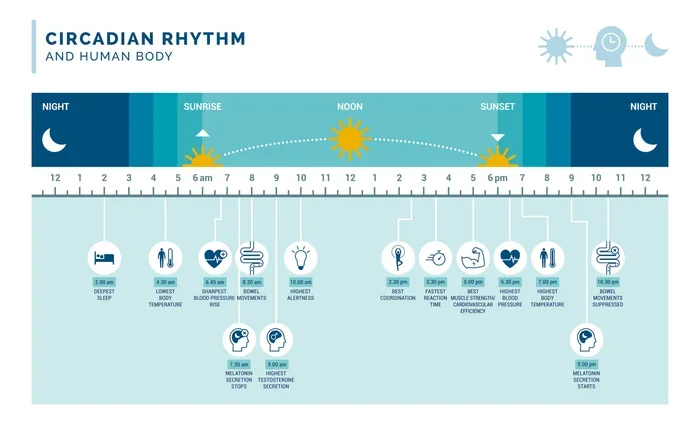
Your body has a built-in timekeeper called the circadian rhythm. This internal clock runs in the background of your brain and cycles between sleepiness and alertness throughout the day. Think of it as your body’s personal scheduler. It tells you when to wake up, when to feel energized, and when it is time to wind down for the night.
When your internal clock is out of sync, everything feels off. You might struggle to fall asleep at night, feel groggy in the morning, or hit an energy slump in the afternoon. This is not just a minor annoyance. Research shows that a disrupted sleep schedule can affect your mood, immune system, and even your weight.
The good news is that your body clock is flexible. With the right approach, you can reset it and get back on track. Whether you have been staying up too late, traveling across time zones, or just falling into a bad routine, there are proven methods to bring your body clock back into balance.
Understanding How Your Internal Clock Works
The Science Behind Your Sleep-Wake Cycle
Your circadian rhythm responds primarily to light. When your eyes detect sunlight in the morning, your brain signals your body to produce cortisol, which helps you feel awake and alert. As the sun goes down and darkness falls, your brain starts producing melatonin, the hormone that makes you feel sleepy.
This cycle is incredibly precise. In fact, most people’s internal clocks run on a cycle that is slightly longer than 24 hours. This means your body needs daily cues, called zeitgebers, to stay synchronized. The most powerful cue is light exposure.
Other factors that influence your sleep-wake cycle include meal timing, physical activity, and social schedules. When these cues are inconsistent, your body clock gets confused. That is why shift workers and frequent travelers often struggle with sleep. Their internal clocks receive mixed signals every day.
What Happens When Your Clock Is Off
A misaligned internal clock can cause a range of problems. You might experience sleep deprivation even if you are getting enough hours in bed. That is because the quality of your sleep matters just as much as the quantity.
Common signs of a disrupted body clock include:
- Difficulty falling asleep at your desired bedtime
- Waking up multiple times during the night
- Feeling tired even after a full night of sleep
- Struggling to concentrate during the day
- Irritability and mood swings
- Craving sugary or high-carb foods
If you recognize any of these symptoms, do not worry. Resetting your internal clock is absolutely achievable with consistent effort.
How to Reset Your Internal Clock Step by Step
Step One: Set a Consistent Sleep Schedule
The most powerful tool for resetting your body clock is consistency. Go to bed at the same time every night and wake up at the same time every morning. This includes weekends. Yes, even Saturdays and Sundays.
Your body loves predictability. When you keep a steady sleep schedule, your brain learns exactly when to start producing melatonin and when to ramp up cortisol. Within a few days of sticking to a consistent routine, you will notice that you start feeling sleepy at your bedtime and more alert in the morning.
Here is a practical tip: pick a bedtime that gives you at least seven to eight hours of sleep before your wake-up time. Then commit to it for at least two weeks. Your sleep consistency is what drives the reset.
Step Two: Harness the Power of Morning Light
Light is the strongest signal for your internal clock. Getting bright light exposure within the first 30 to 60 minutes of waking up helps anchor your circadian rhythm. Step outside, open the blinds wide, or sit near a bright window. Even on cloudy days, natural outdoor light is much brighter than indoor lighting.
Try to get at least 15 to 20 minutes of morning sunlight daily. This simple habit tells your brain that the day has started and helps regulate the timing of your melatonin production later that evening.
On the flip side, you also need to manage light in the evening. Dim the lights in your home a couple of hours before bed. Avoid bright overhead lights and use warm, soft lamps instead. This signals to your body that it is time to start winding down.
Step Three: Create a Relaxing Bedtime Routine
Your body needs time to transition from an active state to a restful one. A consistent bedtime routine acts as a signal that sleep is coming. Aim to start your wind-down routine 30 to 60 minutes before your target bedtime.
Here are some effective activities to include in your routine:
- Reading a physical book or magazine
- Taking a warm bath or shower
- Practicing gentle stretching or yoga
- Listening to calming music or a sleep podcast
- Writing in a journal to clear your mind
- Practicing deep breathing or meditation
Avoid stimulating activities during this window. No intense exercise, difficult conversations, or work-related tasks. The goal is to send a clear message to your brain that it is time to relax and prepare for restful sleep.
Step Four: Optimize Your Sleep Environment
Your bedroom should be a sleep sanctuary. The environment you sleep in has a direct impact on the quality of your rest. Start by making sure your room is cool, dark, and quiet.
Most sleep experts recommend keeping your bedroom between 60 and 67 degrees Fahrenheit. A slightly cool room helps your body temperature drop, which is a natural trigger for sleep. Think about how how hot a car can get in the sun even on a mild day. Your bedroom should be the opposite of that kind of heat. Keep it comfortably cool.
Use blackout curtains or a sleep mask to block out light. Consider a white noise machine or earplugs if outside noise is a problem. Remove electronic devices from your bedroom or at least keep them out of arm’s reach. Your bed should be associated only with sleep and relaxation.
Step Five: Watch What You Consume and When
What you eat and drink plays a bigger role in your sleep quality than most people realize. Caffeine is a stimulant that can stay in your system for six to eight hours. That means your afternoon coffee could still be affecting you at midnight. Try to cut off caffeine intake by early afternoon.
Alcohol is another sneaky disruptor. While it might make you feel drowsy initially, it actually fragments your sleep and reduces the amount of deep sleep you get. Avoid drinking alcohol within three hours of bedtime.
Meal timing also matters. Eating a heavy meal right before bed can cause discomfort and make it harder to fall asleep. Try to finish your last meal at least two to three hours before you plan to go to bed. If you need a late-night snack, keep it light and avoid sugary foods.
Step Six: Move Your Body at the Right Times
Regular physical activity is one of the best things you can do for your sleep. Exercise helps regulate your energy levels and promotes deeper sleep. However, timing matters. Intense workouts too close to bedtime can actually make it harder to fall asleep because they raise your core body temperature and stimulate your nervous system.
Aim to finish vigorous exercise at least three to four hours before bed. Morning or early afternoon workouts are ideal for supporting your body clock. Even a simple 20 to 30 minute walk during the day can make a meaningful difference in how well you sleep at night.
Think of it this way: just as how long you can drive with a full tank depends on how efficiently you use your fuel, how well you sleep depends on how wisely you spend your energy throughout the day. Regular movement helps your body use its energy in a way that naturally supports rest at night.
Common Mistakes That Keep Your Internal Clock Off Track
Inconsistent Weekend Sleep Schedules
One of the biggest mistakes people make is sleeping in on weekends. While it feels great in the moment, it creates what sleep scientists call “social jet lag.” Your body clock shifts forward on Saturday and Sunday, and then you have to shift it back on Monday. This constant back-and-forth keeps your internal clock confused.
Try to limit weekend sleep differences to no more than 30 minutes. If you need extra rest, a short nap is better than sleeping in. Keep your wake-up time as consistent as possible, even on days off.
Long or Late Naps
Naps are not inherently bad. In fact, a short power nap of 10 to 20 minutes can boost your afternoon energy. But long naps or naps taken late in the day can interfere with your ability to fall asleep at night. If you need to nap, keep it short and finish it before 3 p.m.
Screen Time Before Bed
The blue light emitted by phones, tablets, and computers suppresses melatonin production and tricks your brain into thinking it is still daytime. Scrolling through social media or watching videos right before bed is one of the fastest ways to keep your internal clock off balance.
Set a digital curfew for at least 30 minutes before your bedtime. Use night mode settings on your devices if you must use them in the evening, but ideally, put them away and pick up a book instead.
Ignoring the Role of Temperature
Your body temperature naturally drops as you fall asleep. A room that is too warm can interfere with this process. Just as how long a car can sit in cold weather affects how it starts up, extreme temperatures in your sleep environment affect how easily your body transitions into sleep. Keep your room cool and comfortable for the best results.
How Long Does It Take to Reset Your Internal Clock?
Resetting your internal clock is not an overnight fix. It takes time and consistency. Most experts agree that it takes about one to two weeks for your body to fully adjust to a new sleep schedule. Some people notice improvements within a few days, but full adjustment requires patience.
Think of it like building something from scratch. Just as how long it takes to build a car from start to finish involves many steps and careful attention to detail, resetting your body clock requires a series of consistent actions over time. Each night you stick to your schedule, you are reinforcing the new pattern.
During the first few days, you might feel a bit groggy or out of sorts. This is normal. Your body is adjusting to the new rhythm. Stick with it. Do not give up after a couple of rough nights. The results are worth the effort.
Advanced Tips for Chronic Sleep Problems
If you have tried the basic steps and are still struggling, there are additional strategies you can explore. Sleep hygiene goes beyond just a bedtime routine. It encompasses all the habits and environmental factors that affect your sleep.
Consider keeping a sleep diary for two weeks. Write down what time you went to bed, how long it took to fall asleep, how many times you woke up, and what time you woke up. This data can reveal patterns and help you identify specific areas that need adjustment.
If sleep problems persist despite your best efforts, it may be worth consulting a sleep specialist. Conditions like insomnia, sleep apnea, and delayed sleep phase disorder require professional diagnosis and treatment. Do not hesitate to seek help if your sleep quality is consistently poor.
Some people also benefit from chronotype awareness. Your chronotype is your natural tendency to be a morning person or an evening person. Understanding your chronotype can help you design a sleep schedule that works with your body’s natural tendencies rather than against them.
Conclusion
Resetting your internal clock is one of the most worthwhile investments you can make in your health and well-being. Your body clock controls more than just sleep. It influences your energy, mood, metabolism, and immune function. By setting a consistent schedule, managing light exposure, creating a relaxing bedtime routine, and optimizing your sleep environment, you can bring your circadian rhythm back into harmony.
Start with small, manageable changes. Pick one or two tips from this guide and commit to them for two weeks. Once those become habit, add more. Over time, you will notice that falling asleep becomes easier, your mornings feel more refreshed, and your energy levels stabilize throughout the day.
The path to restful sleep starts with a single step. Tonight, set your alarm for the same wake-up time tomorrow. Tonight, put your phone away 30 minutes earlier. Tonight, take the first step toward resetting your internal clock and waking up to better days.
Frequently Asked Questions
How long does it take to reset your internal clock?
Most people need about one to two weeks for their internal clock to fully adjust to a new sleep schedule. The exact timeline depends on how far off your current rhythm is and how consistently you follow the new routine. Stick with it, and you will see results.
Can I reset my internal clock in one day?
While you can make small adjustments in a single day, fully resetting your body clock typically takes several days to a couple of weeks. Your circadian rhythm responds best to gradual, consistent changes rather than sudden shifts. Be patient and give your body time to adapt.
What is the fastest way to reset your sleep schedule?
The fastest approach is to combine a consistent sleep-wake schedule with bright morning light exposure and a strict evening wind-down routine. Avoid caffeine after midday, limit screens before bed, and keep your bedroom cool and dark. These steps work together to accelerate the reset process.
Does melatonin help reset your internal clock?
Yes, melatonin can be a helpful tool when used correctly. Taking a low dose of melatonin 30 to 60 minutes before your target bedtime can help signal to your body that it is time to sleep. However, it works best when combined with consistent light exposure and sleep schedule habits.
Why is my internal clock off even when I get enough sleep?
Getting enough hours of sleep does not guarantee good sleep quality. If your internal clock is misaligned, you may be sleeping at the wrong times for your body. This can lead to waking up during deep sleep phases or missing out on the most restorative stages of sleep. Consistency in timing is just as important as duration.
Can napping help or hurt my internal clock reset?
Short naps of 10 to 20 minutes can be helpful, especially if you are feeling drowsy in the early afternoon. However, long naps or naps taken late in the day can push back your bedtime and make it harder to fall asleep at night. Keep naps short and early to support your reset efforts.