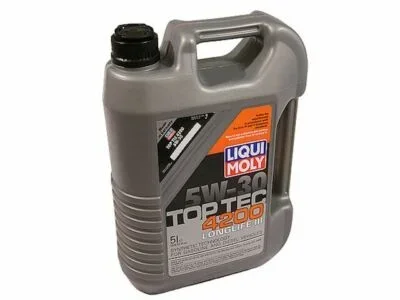
How Many Quarts of Oil Does a 2008 FJ Cruiser Take
The 2008 Toyota FJ Cruiser takes approximately 5 quarts of oil with a filter change for its 4.0L V6 engine. Using the right oil type and staying on top of oil change intervals keeps your engine running strong for years. Always check your owner’s manual and monitor your oil levels regularly to avoid costly repairs.
If you own a 2008 Toyota FJ Cruiser, you already know this truck is built tough. Whether you use it for off-roading adventures or daily commutes, keeping up with basic maintenance is essential. One of the most important yet simple tasks is changing your engine oil. But before you grab a wrench and a drain pan, you need to know one key question: how many quarts of oil does a 2008 FJ Cruiser take?
The answer is straightforward. Your 2008 FJ Cruiser with the 4.0L V6 engine holds roughly 5 quarts of oil when you include the filter change. That number matters because overfilling or underfilling can cause real engine problems. Too little oil means poor lubrication and potential overheating. Too much oil can create excess pressure and even damage your seals.
In this guide, we will walk you through everything you need to know about your FJ Cruiser’s oil capacity. You will learn the right oil type, the best change intervals, how to check your levels, and tips to make the process easy. Let us get into it.
Key Takeaways
- 5 Quarts Total: The 2008 FJ Cruiser with a 4.0L V6 engine requires about 5 quarts of oil when changing the filter.
- Use 5W-30 Oil: Toyota recommends 5W-30 for most driving conditions, though synthetic options offer extra protection.
- Change Every 5,000–7,500 Miles: Stick to regular intervals to keep your engine healthy and avoid buildup.
- Check the Dipstick: Always verify your oil level after a change to make sure everything is topped off correctly.
- Don’t Skip the Filter: Replacing the oil filter with every change ensures clean oil circulates through your engine.
- Warranty Matters: If your FJ Cruiser is still under warranty, check with your dealer before choosing a non-dealer service option.
📑 Table of Contents
Understanding the 2008 FJ Cruiser Engine
The 2008 FJ Cruiser comes equipped with a 4.0L V6 engine (also known as the 1GR-FE). This engine has been a workhorse in the Toyota lineup for years. It produces around 245 horsepower and 260 pound-feet of torque. It is a reliable, naturally aspirated engine that handles both highway driving and off-road trails with ease.
Because this engine is fairly straightforward mechanically, maintaining it is not overly complicated. The oil system is standard, and finding the right oil capacity is well documented. Toyota designed this engine to be durable, but like any engine, it depends on proper lubrication to stay that way.
Why Oil Capacity Matters
Knowing your exact oil capacity helps you avoid two common mistakes. First, adding too little oil can starve your engine of lubrication. This leads to increased friction, heat buildup, and eventually engine wear. Second, adding too much oil can cause foaming inside the crankcase. Foamed oil loses its lubricating properties, which can also damage your engine over time.
Always aim to add the exact amount recommended. For the 2008 FJ Cruiser, that means 5 quarts with a new filter. If you are just doing a drain and refill without replacing the filter, you may need slightly less, around 4.5 quarts. But when in doubt, go with 5 quarts and check your dipstick to confirm the level.
The Right Oil Type for Your 2008 FJ Cruiser
Choosing the correct oil type is just as important as knowing how much oil to add. Toyota specifies 5W-30 as the recommended viscosity for the 2008 FJ Cruiser. This grade works well across a wide range of temperatures and driving conditions.
Conventional vs. Synthetic Oil
You have two main options when it comes to oil: conventional and synthetic. Conventional oil is more affordable and works perfectly fine for normal driving conditions. Synthetic oil offers better protection at extreme temperatures and lasts longer between changes. It also tends to flow more smoothly in cold weather, which can help your engine start easier during winter months.
For the 2008 FJ Cruiser, synthetic blend or full synthetic 5W-30 is an excellent choice. It provides superior engine protection and can extend your time between oil changes. If you frequently tow heavy loads or drive in extreme heat, synthetic oil is especially beneficial.
You might wonder, does it really matter what oil I put in my car? The answer is yes. Using the wrong viscosity can affect engine performance and fuel efficiency. Always check your owner’s manual or the oil fill cap under the hood for the manufacturer’s recommendation.
Oil Brands to Consider
Some trusted brands for your FJ Cruiser include:
- Mobil 1 – A popular full synthetic option with excellent protection.
- Castrol Edge – Another high-quality synthetic that performs well under stress.
- Valvoline SynPower – A great synthetic blend at a reasonable price.
- Toyota Genuine Oil – The OEM option, always a safe bet.
Any of these brands in 5W-30 viscosity will work perfectly for your 2008 FJ Cruiser. The key is to use the correct grade and change it on schedule.
Oil Change Intervals for the 2008 FJ Cruiser
Toyota recommends changing your oil every 5,000 to 7,500 miles under normal driving conditions. However, if you drive in severe conditions, you should shorten that interval. Severe conditions include frequent short trips, towing, driving in extreme heat or cold, and off-roading in dusty terrain.
What Counts as Severe Driving?
You might think your driving is normal, but certain habits can push your engine oil harder than you realize. Here are some examples of severe driving conditions:
- Frequent short trips under 5 miles
- Driving in very hot or very cold climates
- Towing a trailer or carrying heavy loads
- Off-roading through mud, sand, or dust
- Stop-and-go traffic for extended periods
If any of these sound like your typical driving pattern, stick to the 5,000-mile interval. For casual driving on highways and regular roads, you can safely stretch it to 7,500 miles.
How to Track Your Oil Change Schedule
Keeping track of your oil changes does not need to be complicated. Many drivers use a simple notebook or a phone app. Others rely on their dashboard maintenance reminder if their FJ Cruiser has one. Whatever method you choose, the important thing is to stay consistent. Skipping oil changes is one of the fastest ways to shorten your engine’s lifespan.
Step-by-Step Oil Change Guide
Changing the oil in your 2008 FJ Cruiser is a manageable DIY project if you have basic tools. Here is a step-by-step walkthrough to help you get it done right.
Step 1: Gather Your Supplies
Before you start, make sure you have everything ready:
- 5 quarts of 5W-30 oil (synthetic or conventional)
- New oil filter (Toyota OEM or quality aftermarket)
- Oil drain pan
- Socket wrench and appropriate socket
- Funnel
- Jack and jack stands or ramps
- Gloves and safety glasses
Step 2: Warm Up the Engine
Start your FJ Cruiser and let it run for about 5 to 10 minutes. Warm oil flows more easily and drains more completely. Then turn off the engine and wait a minute or two for the oil to settle.
Step 3: Drain the Old Oil
Lift your vehicle safely using a jack and jack stands or drive onto ramps. Locate the oil drain plug underneath the engine. Place your drain pan beneath it, then loosen the plug with your socket wrench. Let the old oil drain completely into the pan. This usually takes about 10 to 15 minutes.
Step 4: Replace the Oil Filter
While the oil is draining, locate the oil filter. It is typically near the front of the engine. Use an oil filter wrench to remove the old filter. Before installing the new one, lightly coat the rubber gasket with a little fresh oil. This helps create a proper seal and makes future removal easier.
Step 5: Add New Oil
Once the old oil has fully drained, reinstall the drain plug and tighten it securely. Then open the oil fill cap on top of the engine. Insert a funnel and pour in the new oil slowly. Start with about 4.5 quarts, then check the dipstick to see where the level stands. Add the remaining oil gradually until the dipstick shows the full mark.
Step 6: Check for Leaks
Start your engine and let it run for a minute or two. Look underneath for any drips from the drain plug or oil filter. If everything looks dry, you are good to go. Dispose of your old oil and filter properly at a recycling center or auto parts store.
Common Oil Mistakes to Avoid
Even experienced car owners can make mistakes when it comes to oil changes. Here are some common errors to watch out for.
Overfilling the Oil
Adding too much oil might seem harmless, but it can cause serious issues. Excess oil gets whipped into foam by the crankshaft, which reduces its ability to lubricate properly. This can lead to increased engine wear and even oil leaks past seals. Always add oil gradually and check the dipstick frequently.
Using the Wrong Oil Viscosity
Some drivers think they can use any oil they have on hand. This is a mistake. Using the wrong viscosity affects lubrication, fuel economy, and engine performance. Stick with 5W-30 for your 2008 FJ Cruiser unless your owner’s manual specifies otherwise.
Forgetting to Change the Oil Filter
Skipping the oil filter change means old contaminants stay in your engine. The filter traps dirt, metal particles, and other debris. Over time, a clogged filter restricts oil flow and can cause engine damage. Always replace the filter with every oil change.
Ignoring the Dipstick
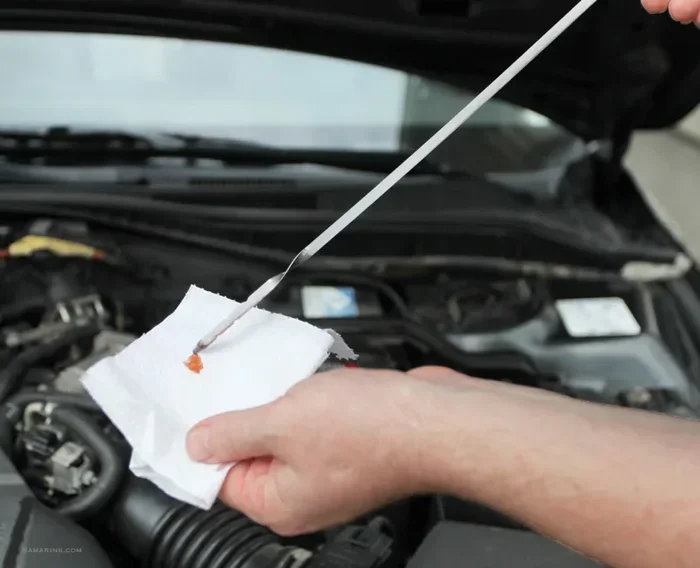
After adding oil, many people walk away without checking the level. This can result in overfilling or underfilling. Always wait a few minutes after adding oil, then pull the dipstick and verify the level is between the minimum and maximum marks.
It is also worth noting that low engine oil can sometimes show warning signs on your dashboard. However, do not rely solely on warning lights. Make checking your oil level a regular habit.
When to Seek Professional Help
While an oil change is one of the simplest maintenance tasks, there are times when you should let a professional handle it. If your FJ Cruiser is still under warranty, check whether you can take your Toyota to any dealership for warranty work or if you need to stick with a specific service provider. Staying within your warranty guidelines protects you from unexpected repair costs.
Also, if you notice unusual symptoms after an oil change, such as strange engine noises, oil pressure warnings, or a burning smell, have a mechanic inspect your vehicle right away. These could indicate a more serious problem that an oil change alone cannot fix.
If you are unsure about the process or do not have the right tools, a quick trip to a trusted mechanic or quick-lube shop is always a smart choice. A professional oil change typically costs between $40 and $80, which is a small price for peace of mind and proper engine care.
How Oil Quality Affects Engine Longevity
Your engine is one of the most expensive components in your vehicle. Taking care of it with quality oil pays off in the long run. Fresh oil keeps all the internal metal parts moving smoothly without metal-to-metal contact. It also helps absorb heat and carry away contaminants.
Over time, oil breaks down and loses its effectiveness. It becomes contaminated with dust, fuel residue, and combustion byproducts. This is why regular oil changes are so important. Fresh oil restores proper lubrication and helps your engine run efficiently.
Think of it this way: would you drink dirty water? Of course not. Your engine feels the same way about old, contaminated oil. Keep it clean, and your 4.0L V6 will reward you with reliable performance for hundreds of thousands of miles.
For more tips on maintaining your Toyota vehicle, check out our article on whether the oil you choose really matters for your car. Understanding the basics of engine oil helps you make smarter decisions for your vehicle.
Final Thoughts
So, to answer the question directly: your 2008 FJ Cruiser takes 5 quarts of oil with a filter change. Use 5W-30 viscosity, change your oil every 5,000 to 7,500 miles, and always replace the filter at the same time. These simple steps keep your engine running smoothly and help you avoid expensive repairs down the road.
Whether you do the oil change yourself or have a professional handle it, staying on top of this basic maintenance task is one of the best things you can do for your FJ Cruiser. This truck is built to last, and proper oil care is one of the easiest ways to make sure it does.
Now that you know exactly how much oil your 2008 FJ Cruiser needs, you can tackle the job with confidence. Grab your supplies, follow the steps, and enjoy the satisfaction of a job well done. Your engine will thank you for it.
Frequently Asked Questions
Can I use 5W-40 oil instead of 5W-30 in my 2008 FJ Cruiser?
Toyota recommends 5W-30 for the 2008 FJ Cruiser. Using 5W-40 is not ideal and could affect engine performance and fuel economy. Stick with the manufacturer’s recommendation unless you have a specific reason and guidance from a trusted mechanic.
How do I check my FJ Cruiser’s oil level?
Make sure your engine is cool and the vehicle is on level ground. Pull the dipstick, wipe it clean, reinsert it fully, then pull it out again. The oil level should fall between the minimum and maximum marks on the dipstick.
Can I drive my 2008 FJ Cruiser with low oil?
Driving with low oil is risky. It can cause increased friction, overheating, and serious engine damage. If your oil level is low, add the correct oil immediately and avoid driving until it is properly topped off.
How much does an oil change cost for a 2008 FJ Cruiser?
A professional oil change typically costs between $40 and $80, depending on the type of oil used and where you go. Doing it yourself is much cheaper, usually around $25 to $40 for oil and a filter.
What happens if I overfill my FJ Cruiser with oil?
Overfilling causes excess oil to foam and lose its lubricating properties. It can also increase pressure inside the engine, potentially leading to oil leaks or seal damage. If you overfill, drain the excess oil to bring the level back to the proper range.
Is synthetic oil worth it for the 2008 FJ Cruiser?
Yes, synthetic oil offers better protection, especially in extreme temperatures and heavy-duty driving. It also tends to last longer between changes, which can save you time and money over the long run.
=== CONCLUSION ===
Maintaining the right oil level in your 2008 FJ Cruiser is one of the simplest yet most important things you can do for your vehicle. With a 5-quart oil capacity and a recommendation for 5W-30 oil, keeping your engine properly lubricated is easy and affordable. Stick to regular oil change intervals, use quality oil and filters, and always check your levels after each change. Your FJ Cruiser will reward you with reliable, powerful performance for many miles to come.