Is Michelin a High-End Tire Brand Worth Every Penny
Michelin is widely regarded as a premium high-end tire brand known for exceptional durability, advanced technology, and superior performance. While Michelin tires carry a higher price tag than budget alternatives, they often deliver better fuel efficiency, longer tread life, and improved safety. This guide breaks down whether investing in Michelin tires truly pays off for everyday drivers and enthusiasts alike.
Key Takeaways
- Michelin is a top-tier tire brand with a long history of innovation and quality engineering.
- Premium pricing reflects superior materials, advanced tread designs, and rigorous testing.
- Michelin tires typically last longer than budget alternatives, offsetting the higher upfront cost.
- Fuel efficiency and safety are standout benefits that make Michelin a smart investment.
- Not every model needs a premium tire — match the tire to your driving needs and budget.
- Proper maintenance extends the life of any tire, including Michelin.
📑 Table of Contents
- Is Michelin a High-End Tire Brand?
- What Makes a Tire Brand “High-End”?h2>
Quality Materials and Construction
- The Michelin Brand Story
- Michelin Tire Performance and Technology
- Michelin vs. Other Premium Tire Brands
- Are Michelin Tires Worth the Price?
- How to Get the Most Out of Your Michelin Tires
- When Michelin Might Not Be the Right Choice
- The Bottom Line
Is Michelin a High-End Tire Brand?
The short answer is yes. Michelin is one of the most respected tire manufacturers in the world. The French company has been making tires since 1889. Over more than 130 years, it has built a reputation for quality, innovation, and performance. When people talk about premium tires, Michelin almost always comes up first.
But being a high-end brand means different things to different people. For some, it means a luxury feel and quiet ride. For others, it means lasting longer and performing better in tough conditions. Michelin delivers on all fronts. The company invests heavily in research and development. It spends billions of dollars each year improving tire technology.
So is a Michelin tire worth the extra money? That depends on what you value. If you care about safety, durability, and driving comfort, the answer is likely yes. Let us break down what makes Michelin stand out from the competition.
What Makes a Tire Brand “High-End”?h2>
Quality Materials and Construction
A high-end tire brand uses superior materials. Michelin tires are built with special rubber compounds. These compounds resist wear better than cheaper alternatives. The sidewalls are stronger. The tread patterns are designed with precision. Every detail matters when you are building a tire that needs to perform at the highest level.
Budget tires often cut corners. They use lower-grade rubber. They may have simpler tread designs. This can lead to shorter lifespan and less predictable handling. A high-end tire brand like Michelin avoids these shortcuts.
Advanced Technology
Michelin is known for pushing the boundaries of tire technology. The company developed MaxTouch Technology. This design helps the tire make even contact with the road. The result is better grip and more even wear. Michelin also uses special silica compounds. These compounds improve traction in both wet and dry conditions.
The brand also focuses on reducing road noise. Nobody wants a loud, uncomfortable ride. Michelin engineers work hard to make their tires quiet. This is a hallmark of a true premium brand.
Rigorous Testing Standards
High-end brands test their products more thoroughly. Michelin puts every tire through extensive testing. This includes lab tests, track tests, and real-world driving tests. The company tests in extreme heat and extreme cold. It tests on highways and rough roads. This level of testing gives drivers confidence.
When you buy a Michelin tire, you are buying a product that has been tested more than most competitors. This is part of what justifies the higher price.
The Michelin Brand Story
Michelin has a rich history. The company started in Clermont-Ferrand, France. The founders, André and Édouard Michelin, had a vision. They wanted to make tires that were better than anything else on the market. That vision has paid off. Today, Michelin is a global leader in tire manufacturing.
The brand supplies tires to car manufacturers worldwide. Companies like BMW, Mercedes-Benz, and Porsche choose Michelin for their vehicles. This is no accident. Car makers trust Michelin because the tires meet their high standards.
Michelin also has a strong presence in motorsports. The company supplies tires for Formula 1, Le Mans, and rally racing. This racing heritage feeds back into consumer tire technology. What Michelin learns on the track helps make better tires for everyday drivers. If you are curious about how long it takes to build a car from start to finish, tires are one of the most carefully engineered components that go into the process.
Michelin Tire Performance and Technology
Tread Design and Grip
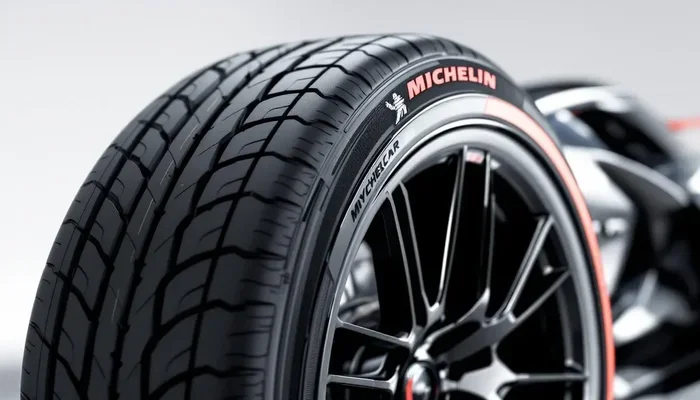
The tread pattern on a Michelin tire is engineering at its finest. The company uses computer modeling to design each tread. Every groove and groove edge has a purpose. Some channels move water away to prevent hydroplaning. Others provide biting edges for better grip on snow and ice.
Michelin offers different tread patterns for different needs. The Pilot Sport series is designed for performance driving. The Defender series focuses on longevity. The CrossClimate series handles all seasons. Each line shows how much thought goes into every product.
Wet and Dry Traction
One of the biggest advantages of Michelin tires is their grip. In wet conditions, Michelin tires consistently rank at the top of independent tests. The rubber compounds stay flexible even on wet roads. This means shorter stopping distances and better cornering confidence.
On dry roads, the performance is equally impressive. The tires feel planted and responsive. Drivers notice the difference, especially during emergency maneuvers. Tire safety should never be compromised, and Michelin takes this seriously.
Fuel Efficiency
Did you know your tires affect your fuel economy? They do. Michelin tires are designed with low rolling resistance. This means the tire requires less energy to roll. Over time, this can save you money at the gas pump. If you want to learn more about how far you can drive on a full tank, tire quality plays a bigger role than most people realize.
The savings may seem small at first. But over the life of a tire, they add up. Plus, you are helping the environment by using less fuel. That is a win-win.
Michelin vs. Other Premium Tire Brands
Michelin vs. Bridgestone
Bridgestone is another top-tier tire brand. Both companies offer excellent products. But there are differences. Michelin tends to focus more on comfort and noise reduction. Bridgestone often emphasizes sport performance. Both brands are reliable, but Michelin usually wins on ride quality.
Michelin vs. Continental
Continental is a German tire maker with a strong reputation. The two brands are close in quality. Michelin often edges ahead in tread life. Continental sometimes offers a sportier feel. The choice between them depends on your priorities. Both are excellent premium tire options.
Michelin vs. Budget Brands
Budget tires from brands like General or Falken can save you money upfront. But they often do not last as long. The handling may not be as precise. And the safety margins can be smaller. When you compare the cost per mile, Michelin tires often come out ahead. A budget tire that lasts 30,000 miles is not always cheaper than a Michelin that lasts 70,000 miles.
Comparison Table: Michelin vs. Competitors
- Average Price: Michelin is in the top tier, typically 20-40% more than budget brands
- Tread Life: Michelin averages 60,000-80,000 miles, well above most competitors
- Wet Braking: Michelin consistently scores highest in independent tests
- Road Noise: Michelin is among the quietest premium brands
- Fuel Efficiency: Michelin tires often carry top energy ratings
- Warranty: Michelin offers strong treadwear warranties, often 60,000+ miles
Are Michelin Tires Worth the Price?
This is the question everyone wants answered. And the honest answer is: it depends. Let us look at the real-world costs and benefits.
The Upfront Cost
Michelin tires are not cheap. A set of four can easily cost $800 to $1,200 or more. That is a significant investment. For many drivers, this is the biggest hesitation. Nobody wants to spend a lot of money on tires.
The Long-Term Value
Here is where things change. Michelin tires last a long time. A quality set can go 60,000 to 80,000 miles before needing replacement. Budget tires might last 30,000 to 40,000 miles. Over the life of a vehicle, you may need two sets of budget tires for every one set of Michelins.
When you factor in the cost per mile, Michelin often wins. The initial higher price is spread over many more miles. You also save on fuel thanks to lower rolling resistance. And you gain peace of mind from superior safety performance.
Who Should Buy Michelin?
Michelin tires are ideal for drivers who:
– Keep their cars for a long time
– Drive many miles each year
– Value safety and performance
– Want a quiet, comfortable ride
– Live in areas with varied weather conditions
If you only drive a few thousand miles a year, a budget tire might make more sense. There is no shame in choosing a more affordable option. The key is matching the tire to your needs.
How to Get the Most Out of Your Michelin Tires
Proper Tire Inflation
The single most important thing you can do is keep your tires properly inflated. Underinflated tires wear out faster. They also use more fuel. Check your tire pressure at least once a month. Use the pressure listed on your driver’s side door jamb. Not the number on the tire itself.
Regular Rotation
Rotate your tires every 5,000 to 7,500 miles. This helps them wear evenly. Even wear means a longer lifespan. It also means better handling throughout the life of the tire. Do not skip this simple maintenance step.
Wheel Alignment
Get your alignment checked at least once a year. A misaligned car can wear out tires on one side much faster. You might notice your car pulling to one side. Or the steering wheel feeling off-center. These are signs you need an alignment check.
Storage and Care
If you have seasonal tires, store them properly. Keep them in a cool, dry place away from direct sunlight. Heat and ozone can damage rubber over time. If your car sits for long periods, check your tire pressure more often. Tires lose air slowly over time, and cold weather can accelerate this process.
Driving Habits
Your driving style affects tire life. Aggressive acceleration and hard braking wear tires faster. Smooth driving helps your tires last longer. It also improves fuel economy. Think of your tires as an investment that rewards gentle treatment.
When Michelin Might Not Be the Right Choice
Even great products are not for everyone. Here are situations where you might want to consider other options.
If you drive very few miles each year, the longevity advantage of Michelin matters less. A budget tire might serve you just fine. If you are on a tight budget and need tires right now, a more affordable option can get you back on the road safely.
Also, consider your driving conditions. If you only drive on smooth highways in mild weather, many tires will perform well. You do not necessarily need a premium brand. But if you face snow, ice, heavy rain, or rough roads, Michelin tires give you an edge.
Finally, think about your vehicle. A luxury car deserves premium tires. But a basic commuter car might not need the same level of investment. Match the tire to the vehicle and the driver.
The Bottom Line
Michelin is a high-end tire brand that earns its reputation. The company combines cutting-edge technology with proven engineering. The result is tires that perform beautifully, last a long time, and keep you safe on the road.
Yes, you pay more upfront. But you get more in return. Better longevity. Better fuel economy. Better handling. And better confidence every time you drive. For most drivers, Michelin tires are worth every penny.
The key is to buy the right model for your needs. Do your research. Read reviews. Talk to tire professionals. And once you have your set of Michelin tires, take care of them. Proper maintenance will help you get the most out of your investment.
Tires are the only part of your car that touches the road. Everything else — the engine, the brakes, the steering — depends on them. Make sure your tires are up to the task. And if you are wondering how long you can drive with a full tank of gas, remember that good tires help you go farther on every drop of fuel.
Invest in quality. Invest in safety. Invest in Michelin. Your driving experience will thank you.
Frequently Asked Questions
Are Michelin tires really better than budget brands?
Yes, in most cases. Michelin tires use superior materials and advanced technology. They typically last longer and perform better in safety tests. The higher upfront cost is often offset by longer tread life and better fuel efficiency over time.
How long do Michelin tires last on average?
Most Michelin tires last between 60,000 and 80,000 miles with proper care. This is significantly longer than many budget alternatives that may last only 30,000 to 40,000 miles. Regular rotations and proper inflation help maximize their lifespan.
Are Michelin tires worth the extra cost for daily driving?
For most daily drivers, yes. The improved comfort, safety, and longevity make them a smart choice. If you drive a lot of miles each year, the cost-per-mile advantage of Michelin becomes even more clear.
Do Michelin tires improve fuel economy?
Yes, Michelin tires are designed with low rolling resistance. This means they require less energy to roll, which can improve your fuel economy. Over time, these savings can help offset the higher purchase price.
Which Michelin tire line is best for all-season driving?
The Michelin CrossClimate series is one of the best all-season options available. It provides excellent grip in both wet and dry conditions, and it handles light snow well. For heavier snow and ice, the Michelin X-Ice line is a better choice.
Can I put Michelin tires on any car?
Michelin makes tires for a wide range of vehicles, from economy cars to luxury sedans to trucks and SUVs. You just need to make sure you choose the right size and model for your specific vehicle and driving needs.
=== CONCLUSION ===
Michelin stands as a true high-end tire brand that delivers on its promises. The combination of advanced technology, superior materials, and rigorous testing sets it apart from the competition. While the price tag is higher than budget alternatives, the long-term value is hard to ignore. Better durability, improved safety, and enhanced driving comfort make Michelin a top choice for discerning drivers.
Whether you are replacing your current tires or shopping for a new set, consider what Michelin has to offer. Do the math on cost per mile. Think about the miles of safe, comfortable driving you will get in return. And remember that your tires are the foundation of your entire driving experience.
Invest in quality tires. Invest in Michelin. You will feel the difference every time you hit the road.