What Does Engine Coolant Over Temperature Mean for Your Car
Engine coolant over temperature means your car’s cooling system is failing to keep the engine within a safe heat range. This warning signals that your engine is running too hot and needs immediate attention. Ignoring it can lead to serious and expensive engine damage.
You are driving along, minding your own business, when suddenly a warning light pops up on your dashboard. It says something about coolant over temperature. Your heart drops. What does that even mean? Is your engine about to explode? Take a breath. This warning is your car telling you something important. And the sooner you understand it, the better off you and your wallet will be.
Engine coolant over temperature is one of those warnings you should never ignore. It means the heat inside your engine has risen above the safe operating range. Your cooling system is not doing its job. And if you keep driving, you risk serious engine damage. In this article, we will break down exactly what this warning means, why it happens, and what you should do about it. Whether you are a seasoned driver or a total beginner, this guide will help you stay safe and informed.
Let us start with the basics. Your engine generates a tremendous amount of heat. We are talking about temperatures that can melt metal if left unchecked. The cooling system keeps everything in check. It circulates coolant through the engine block, absorbs heat, and releases it through the radiator. When something goes wrong in this process, the temperature rises. And your dashboard lets you know.
Key Takeaways
- Engine coolant over temperature is a warning that your engine is running above safe heat levels.
- Common causes include low coolant, a broken thermostat, a failing water pump, or radiator problems.
- Driving with an overheated engine can cause permanent damage like a blown head gasket or warped engine parts.
- You should pull over safely and turn off the engine as soon as you see the temperature warning light.
- Regular coolant flushes and cooling system checks can prevent most over temperature issues before they start.
- Using the heater on full blast can temporarily help pull heat away from the engine in an emergency.
- If the low oil light also comes on, you may be dealing with multiple system failures at once.
📑 Table of Contents
- What Does Engine Coolant Over Temperature Mean?
- Common Causes of Engine Coolant Over Temperature
- What Happens When Your Engine Overheats
- How to Respond When You See the Coolant Over Temperature Warning
- Preventing Coolant Over Temperature Problems
- Common Mistakes Drivers Make with Overheating Engines
- Expert Insight: How Mechanics Diagnose Coolant Over Temperature Issues
- Quick Tips to Remember
- Conclusion
What Does Engine Coolant Over Temperature Mean?
When your car displays an engine coolant over temperature warning, it is telling you the coolant has reached a dangerously high level. The sensor in your engine detects the heat and triggers the light. This is not a suggestion to keep driving. It is a clear call to action.
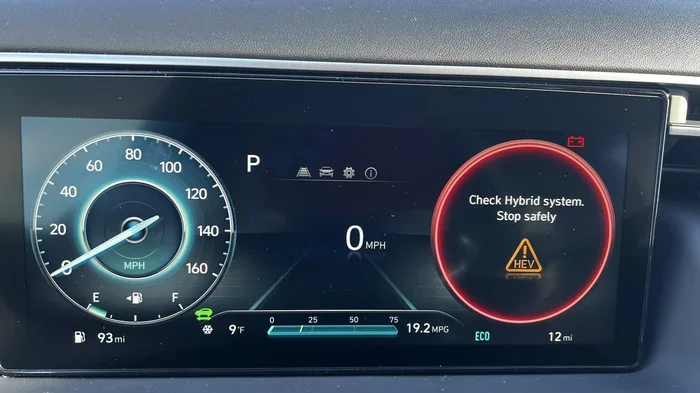
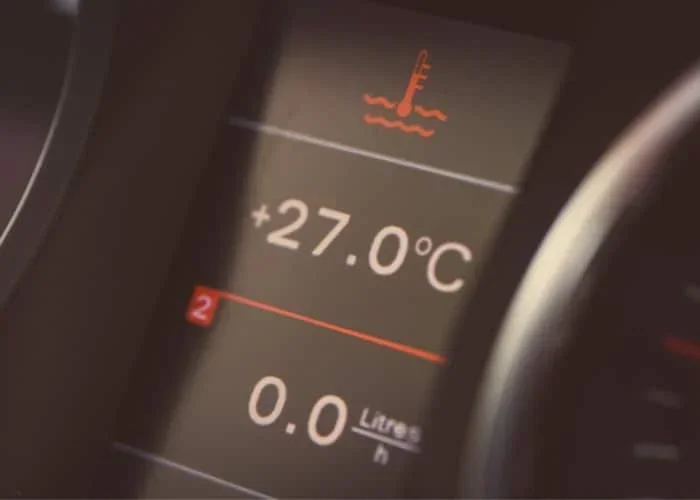
The normal operating temperature for most engines sits between 195 and 220 degrees Fahrenheit. When the temperature climbs past that range, the coolant over temperature warning activates. Different cars show this differently. Some have a red thermometer icon. Others display a message on the digital dash. Either way, the meaning is the same: your engine is too hot.
How the Cooling System Keeps Your Engine Safe
To understand the warning, you need to understand the system. Your cooling system has several key parts working together. The coolant absorbs heat from the engine. The water pump pushes it through the system. The radiator releases that heat into the air. The thermostat opens and closes to regulate flow. And the cooling fan kicks on when extra help is needed.
When any one of these parts fails, the whole system suffers. Heat builds up. Temperatures climb. And your dashboard lights up with the coolant over temperature warning. It is like a chain reaction. One weak link and everything gets hotter.
Why This Warning Should Never Be Ignored
Some drivers see a warning light and keep going. They think it will sort itself out. That is a dangerous gamble. Driving with an overheated engine can cause catastrophic damage in minutes. The head gasket can blow. The engine block can crack. Pistons can seize. These repairs are not cheap. We are talking thousands of dollars in some cases.
And here is the thing. If you ignore this warning and the engine fails, your car insurance may not cover the damage. Most policies treat overheating as maintenance neglect. That means you are on the hook for the full cost. So paying attention to this warning is not just smart. It can save you a lot of money.
Common Causes of Engine Coolant Over Temperature
Now that you know what the warning means, let us talk about why it happens. There are several reasons your engine might run hot. Some are simple fixes. Others need a mechanic. But understanding the cause helps you act faster and smarter.
Low Coolant Levels
This is the number one cause of coolant over temperature warnings. Coolant is the lifeblood of your cooling system. Without enough of it, heat builds up fast. Leaks are the most common reason coolant levels drop. You might notice a puddle under your car. Or you might see a sweet smell coming from the engine bay. Sometimes the leak is internal and invisible.
Check your coolant reservoir when the engine is cool. If the level is low, top it off with the right type of coolant. But do not just keep adding coolant without finding the leak. That is like putting a bandage on a bullet wound. The problem will come back.
Thermostat Failure
Your thermostat controls the flow of coolant through the engine. When the engine is cold, it stays closed to help warm up fast. When it heats up, it opens to let coolant circulate. If the thermostat gets stuck closed, coolant cannot flow. Heat builds up. And you get the over temperature warning.
Thermostat failure is common as cars age. It is a relatively cheap fix if you catch it early. But if you ignore it, you risk the same engine damage we talked about earlier. A stuck thermostat is one of those small problems that turns big fast.
Water Pump Problems
The water pump is the heart of your cooling system. It pushes coolant through the engine and radiator. When it fails, coolant stops moving. Heat has nowhere to go. The engine temperature spikes. Water pumps can fail from wear, leaks, or a broken drive belt.
Signs of a failing water pump include coolant leaks near the front of the engine, unusual whining noises, and steam coming from under the hood. If you notice any of these, get your car checked right away. A new water pump is much cheaper than a new engine.
Radiator Issues
Your radiator does the heavy lifting of releasing heat from the coolant. But it can run into problems too. Clogs, leaks, or a damaged radiator cap can all cause cooling failures. Old coolant loses its effectiveness over time. It becomes acidic and corrosive. This can eat away at the inside of your radiator.
A clogged radiator is especially common in older vehicles. The coolant passages get blocked with rust and debris. Flow slows down. Heat builds up. And the over temperature warning appears. A radiator flush can help prevent this. Most mechanics recommend one every 30,000 to 50,000 miles.
Cooling Fan Malfunction
Your cooling fan kicks in when your car is idling or moving slowly. It pulls air through the radiator to cool the coolant. If the fan motor or fan relay fails, the radiator cannot do its job. This is why you often see cars overheating at traffic lights or in stop-and-go traffic.
Fan problems can come from a bad motor, a blown fuse, or a faulty temperature sensor. The good news is that fans are usually easy to replace. But driving without a working fan in heavy traffic on a hot day is asking for trouble.
What Happens When Your Engine Overheats
Let us paint a picture. You are on the highway. The temperature gauge starts climbing. The warning light comes on. You decide to keep going for a few more miles. What happens next?
In the short term, your engine starts to run poorly. You might notice a loss of power. The engine might knock or ping. The check engine light might also come on. Steam or smoke may rise from under the hood. The smell of coolant or burning fluid becomes strong.
In the long term, the damage can be severe. Here are some of the most common results of driving with an overheated engine:
- Blown head gasket: This seal between the engine block and cylinder head fails. Coolant leaks into the cylinders. Repair costs can range from $1,000 to $2,000.
- Warped cylinder head: The extreme heat warps the metal. The head must be machined or replaced entirely.
- Cracked engine block: This is the worst-case scenario. The engine block develops cracks from the expansion and contraction of extreme heat. A new engine or a full rebuild becomes necessary.
- Piston damage: Overheated pistons can seize in the cylinders. This often means a complete engine replacement.
The bottom line is clear. An overheated engine is not something you should push through. Pull over safely and deal with it.
How to Respond When You See the Coolant Over Temperature Warning
So you see the warning. Now what? Your immediate actions matter a lot. Here is a step-by-step guide to handle this situation safely.
Step-by-Step Actions to Take
- Turn off the air conditioning: The A/C puts extra load on the engine. Turning it off reduces the heat.
- Turn on the heater to full blast: This might feel uncomfortable, but it helps pull heat away from the engine. It acts as a secondary radiator. If you have ever wondered does turning on the heater cool the engine, the answer is yes, it can help in an emergency.
- Pull over safely as soon as possible: Find a safe spot to stop. Do not stop on a highway shoulder if you can avoid it.
- Turn off the engine: Let the engine rest. Do not keep revving it or restarting it.
- Wait at least 15 to 20 minutes: The engine needs time to cool down. Do not open the radiator cap while it is hot. You could get burned by hot coolant spraying out.
- Check the coolant level: Once the engine is cool, open the reservoir and check the level. If it is low, add coolant or water as a temporary fix.
- Call for help if needed: If the problem keeps coming back or you cannot find the cause, call a tow truck.
When You Should Not Drive at All
There are times when you should not drive the car at all. If the temperature gauge is in the red zone, do not drive. If you see steam coming from the hood, stop immediately. If the engine malfunction light is also on, that is a double warning. Your car needs professional attention.
Also, if you notice a sudden drop in power or strange noises from the engine, do not keep driving. You might make a bad situation much worse. A tow truck is always cheaper than a new engine.
Preventing Coolant Over Temperature Problems
The best way to deal with coolant over temperature is to prevent it from happening in the first place. Regular maintenance goes a long way here. A few simple habits can keep your cooling system healthy for years.
Regular Coolant Flushes
Coolant breaks down over time. It loses its ability to absorb heat and protect against corrosion. Most manufacturers recommend a coolant flush every 30,000 to 50,000 miles. Check your owner manual for the exact interval. Staying on top of this simple service can prevent most cooling system failures.
Check Coolant Levels Monthly
Make it a habit to check your coolant level once a month. It only takes a minute. Make sure the engine is cool before you open the reservoir. If you find yourself adding coolant frequently, you have a leak somewhere. Find it and fix it early.
Watch for Warning Signs
Your car gives you clues before a full overheating event. Pay attention to these signs:
- A slight rise in the temperature gauge during hot weather or heavy traffic
- A sweet smell coming from the engine area
- Small puddles of green, orange, or pink fluid under your car
- The heater blowing cold air when it should be warm
- Steam or mist coming from under the hood
Catching these early can save you from a major breakdown. The sooner you address the issue, the better the outcome.
Use the Right Coolant
Not all coolants are the same. Different cars require different types. Using the wrong coolant can cause corrosion and reduce cooling efficiency. Check your owner manual or ask your mechanic. And if you are wondering does it really matter what fluids you put in your car, the answer is absolutely yes. Using the wrong fluid can cause serious problems.
Keep an Eye on the Temperature Gauge
Do not wait for the warning light. If your temperature gauge starts climbing, take action early. Pull over and check things out. Many drivers ignore the gauge until the light comes on. By then, the damage may already be done. The gauge is your early warning system. Use it.
Common Mistakes Drivers Make with Overheating Engines
There are several mistakes drivers make when they face a coolant over temperature situation. Avoiding these can save you time, money, and stress.
Mistake 1: Ignoring the warning light. We have covered this one already. But it bears repeating. That light is not a suggestion.
Mistake 2: Opening the radiator cap while hot. The system is pressurized. Opening it hot can cause severe burns. Always wait for the engine to cool.
Mistake 3: Adding water instead of coolant long-term. Water works in a pinch. But it does not protect against corrosion or freezing. Use proper coolant for long-term health.
Mistake 4: Driving to the nearest mechanic when the engine is in the red. If the gauge is in the red, call a tow truck. Driving even a short distance can cause irreversible damage.
Mistake 5: Neglecting cooling system inspections. Most people think about oil changes and tire rotations. But the cooling system needs attention too. Ask your mechanic to inspect hoses, clamps, and the water pump during regular service visits.
Expert Insight: How Mechanics Diagnose Coolant Over Temperature Issues
When you bring your car in with an over temperature warning, mechanics follow a systematic approach. First, they check the coolant level and condition. They look for leaks around the hoses, radiator, and water pump. Next, they test the thermostat to see if it opens and closes properly.
They also check the cooling fan operation. A simple test involves letting the engine warm up and watching for the fan to kick on. If it does not, the fan motor or relay is likely the culprit. The radiator cap gets tested for proper pressure rating too. A weak cap can cause the coolant to boil at lower temperatures.
In more serious cases, a compression test can reveal internal engine damage. A blown head gasket will show up as uneven compression between cylinders. This test helps determine whether the overheating has already caused lasting harm.
The takeaway here is simple. Do not try to diagnose a serious overheating problem on your own if you are not experienced. Get professional help. It is always better to be safe than sorry.
Quick Tips to Remember
- Keep a gallon of coolant in your trunk for emergencies.
- Know where your coolant reservoir is and how to check it safely.
- Set a reminder on your phone for coolant flushes every 30,000 miles.
- Never ignore the temperature gauge, even if the warning light has not come on yet.
- Replace old hoses and clamps before they fail. Prevention is always cheaper than repair.
Conclusion
Engine coolant over temperature is a serious warning that demands your attention. It means your engine is running too hot and the cooling system is not keeping up. Whether the cause is low coolant, a failed thermostat, a broken water pump, or a clogged radiator, the result is the same. Your engine is in danger.
The good news is that most overheating problems are preventable with regular maintenance. Check your coolant levels. Flush the system on schedule. Watch for warning signs. And when the light comes on, take it seriously. Pull over, turn off the engine, and give it time to cool.
Your engine is the heart of your car. Treat it with care and it will serve you well for years. Ignore the warnings and you could face a repair bill that hurts. Stay informed, stay proactive, and keep your cool. Literally.
Frequently Asked Questions
Can I keep driving if the coolant over temperature light comes on briefly?
If the light flashes briefly and then goes off, it might be a temporary glitch. However, you should still get your cooling system checked soon. A momentary warning can signal a low coolant level or a sensor issue that needs attention. Do not assume it is nothing.
How long can you drive with the coolant over temperature warning on?
You should not drive at all once this warning appears. Even a few minutes of driving with an overheated engine can cause permanent damage. Pull over safely, turn off the engine, and call for help if needed.
Is it safe to add coolant while the engine is hot?
No, it is not safe. The cooling system is pressurized when hot. Opening it can cause hot coolant to spray out and cause severe burns. Always wait for the engine to cool completely before checking or adding coolant.
How much does it cost to fix a coolant over temperature problem?
The cost varies widely depending on the cause. A thermostat replacement might cost $150 to $300. A water pump repair can run $300 to $750. A blown head gasket repair can cost $1,000 to $2,000 or more. Early detection keeps costs lower.
Can low engine oil cause the coolant to overheat?
Yes, it can. Engine oil helps lubricate and cool internal components. When oil levels are low, friction increases and heat builds up. If you notice the low oil light is also on, you may have multiple issues that need attention right away.
Does the heater help cool an overheating engine?
Yes, turning the heater to full blast can help pull excess heat from the engine. It uses the heater core as a secondary radiator. This is a temporary emergency measure. It does not fix the underlying problem. You still need to get the car checked by a mechanic.