Does Low Engine Oil Show on the Dashboard Warning Light
Yes, low engine oil can trigger a warning light on your dashboard. Most modern vehicles have an oil pressure sensor or oil level sensor that alerts you when oil drops to a dangerous level. Understanding what these dashboard warning lights mean can save your engine from costly damage.
Every driver has seen a strange light pop up on the dash and wondered what it means. One of the most worrying lights is the oil warning light. If you have ever asked yourself, “Does low engine oil show on the dashboard?” — you are not alone. This is a question many car owners ask, especially when they notice a flicker on the instrument cluster.
The short answer is yes. Most vehicles built in the last two decades have sensors designed to alert you when engine oil level drops too low. However, the way your car warns you depends on the type of sensor it uses and the make and model of your vehicle. Some cars show a specific oil pressure light, while others use a generic check engine light or a message on the digital display.
Understanding what your dashboard warning lights mean is one of the most important parts of basic car ownership. Ignoring these alerts can lead to engine damage from low oil, which is one of the most expensive repairs a driver can face. In this guide, we will walk you through everything you need to know about low oil warnings, what they look like, and how to respond quickly and safely.
Key Takeaways
- Low oil does trigger dashboard warnings: Most cars have sensors that detect low oil pressure or low oil level and illuminate a warning light.
- Different lights mean different things: An oil pressure warning and an oil change reminder are not the same.
- Ignoring the light is risky: Driving with low oil can cause severe engine damage within minutes.
- Check your oil regularly: Use the dipstick to verify oil level even if no light is on.
- Act quickly when the light comes on: Pull over safely and check your oil level or call for help.
- Prevention is simple: Regular oil changes and monthly oil checks keep your engine healthy.
📑 Table of Contents
- How Dashboard Warning Lights Work
- What Does a Low Oil Warning Look Like?
- Can Low Oil Cause the Check Engine Light to Come On?
- What to Do When the Oil Light Comes On
- Common Symptoms of Low Engine Oil
- How to Prevent Low Oil Warnings
- Quick Tips for Dashboard Oil Alerts
- Common Mistakes Drivers Make With Oil Warnings
- Expert Insight: What Mechanics Wish Every Driver Knew
- Key Takeaways
- Conclusion
How Dashboard Warning Lights Work
Your car’s dashboard is packed with sensors and indicators. Each light serves a specific purpose. When it comes to oil pressure warning signals, the system is designed to protect your engine from harm.
The Role of the Oil Pressure Sensor
Most vehicles use an oil pressure sensor to monitor the force of oil flowing through the engine. When the oil pump pushes oil through the system, it creates pressure. If that pressure drops — because the oil level is low or the oil is too old — the sensor sends a signal to the dashboard. A light then appears on the oil light on dashboard cluster.
This is different from an oil level sensor, which measures how much oil is sitting in the oil pan. Some newer cars have both sensors built in. Others rely on just one or the other. Either way, the goal is the same: to warn you before your engine runs dry.
Oil Pressure Warning vs. Oil Change Reminder
It is important to know the difference between an oil pressure warning light and an oil change indicator. These two lights look different and mean very different things.
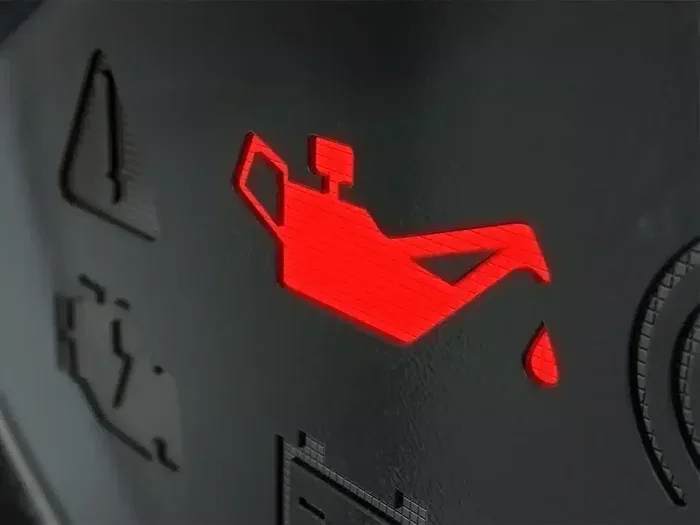
- Oil Pressure Warning Light: This usually looks like an old oil can with a drip. It means the oil pressure is dangerously low right now. This is urgent.
- Oil Change Reminder: This often shows a simple “OIL” message or a wrench icon. It means it is time to change your oil based on mileage or time intervals. This is not an emergency.
Both lights are part of your engine maintenance system. But only the oil pressure warning requires immediate action.
What Does a Low Oil Warning Look Like?
Every car brand uses a slightly different symbol for the oil warning light. However, most follow a similar design. Knowing what to look for can help you react faster when the light appears.
Common Oil Warning Symbols
Here are the most common symbols you might see on your dashboard indicator panel:
- Red Oil Can with Drip: This is the classic oil pressure warning. It is almost always red, which means danger.
- Red Oil Lamp Icon: Some brands use an old-fashioned oil lamp symbol. It means the same thing — low oil pressure.
- “OIL” Text Message: Many modern cars display the word “OIL” in red or amber text on the digital dash.
- Wrench or Service Light: This is usually the oil change reminder, not a low oil pressure alert.
When Does the Light Come On?
The low oil level dashboard alert typically activates when your oil drops below the minimum safe level. For most cars, this means the oil has fallen below the minimum mark on the dipstick. In some vehicles, the light comes on when oil pressure drops below a certain threshold, even if the oil level itself is not completely empty.
Here are common situations that trigger the warning:
- You have not changed your oil in a long time and it has burned off or leaked.
- You have a slow oil leak from the oil pan or gasket.
- You recently had an oil change and the level was set too low.
- The oil pressure sensor itself is faulty and giving a false reading.
- Cold weather thickens the oil temporarily, causing a brief pressure drop.
Can Low Oil Cause the Check Engine Light to Come On?
Many drivers are surprised to learn that a low oil level can sometimes trigger the check engine light. While the check engine light is most commonly associated with emissions and fuel system issues, it can also respond to oil problems in certain situations.
Why Does the Check Engine Light Relate to Oil?
Modern engines have many sensors connected to the car’s computer, known as the Engine Control Unit (ECU). If the oil pressure drops low enough, some vehicles will log a trouble code and turn on the check engine light. This is the car’s way of saying something is seriously wrong.
However, the check engine light is not specific to oil problems. It could mean hundreds of different things. That is why you should never ignore any warning light on your dashboard warning lights panel. Use an OBD2 scanner to read the code if you are unsure what triggered it.
Other Dashboard Lights That Relate to Oil
Besides the oil pressure light and the check engine light, some vehicles have additional dashboard indicators related to oil health:
- Oil Life System: Found in many GM and Chevrolet vehicles. It tracks oil quality and displays a percentage of remaining oil life.
- Oil Temperature Warning: Some high-performance cars monitor oil temperature and warn when it gets too hot.
- Low Oil Pressure Message: Certain luxury brands like BMW and Mercedes display a text message on the digital cluster instead of a symbol.
What to Do When the Oil Light Comes On
Seeing the oil warning light on dashboard can be scary. But knowing what to do in the next few seconds can make all the difference. Here is a step-by-step guide.
Step 1: Stay Calm and Find a Safe Place to Pull Over
Do not slam on the brakes. Do not try to drive to the nearest shop at high speed. Turn off the radio, listen for any unusual engine sounds, and safely pull over to the side of the road or into a parking lot.
Step 2: Turn Off the Engine
Once you are safely stopped, turn the engine off. Continuing to run the engine with low or no oil can cause the internal components to seize within minutes. This type of engine damage from low oil is often irreversible and extremely expensive to fix.
Step 3: Check the Oil Level
Wait a few minutes for the oil to settle, then pull out the oil dipstick. Wipe it clean, reinsert it, and pull it out again. Look at the level marks on the stick. If the oil is below the minimum line, you have found the cause of the low oil warning light.
Step 4: Add Oil if Needed
If you have the correct type of oil in your trunk or can get some from a nearby store, add it slowly. Use the grade recommended in your owner’s manual. Add a small amount at a time and recheck the dipstick. Do not overfill.
Step 5: Restart the Engine and Monitor the Light
After adding oil, restart the engine and watch the dashboard indicator. If the light goes off, your problem was simply low oil level. Drive carefully to the nearest mechanic or auto parts store for a proper check. If the light stays on, you may have a deeper problem like a leak or a failing oil pressure sensor.
Common Symptoms of Low Engine Oil
The oil warning light is the most obvious sign, but your car often gives you clues before the light even comes on. Watch for these low oil symptoms:
- Engine Noise: A ticking or knocking sound from the engine is one of the earliest signs. Without enough oil, metal parts grind against each other.
- Reduced Performance: The engine may feel sluggish or less responsive than usual.
- Oil Smell Inside the Car: If oil is leaking onto hot engine parts, you may smell it through the vents.
- Exhaust Smoke: Blue or gray smoke from the tailpipe can indicate oil is burning in the combustion chamber.
- Oil Stains on the Ground: If you see dark puddles under your parked car, you likely have an oil leak.
- Oil Pressure Gauge Drops: If your car has a physical gauge, watch for it falling below the normal range.
How to Prevent Low Oil Warnings
Preventing a low oil level dashboard alert is much easier than dealing with one on the highway. Here are simple steps every driver can take.
Check Your Oil Monthly
Get into the habit of checking your oil level at least once a month. Park on a flat surface, let the engine cool slightly, and use the dipstick. This takes less than five minutes and can save you from a major breakdown.
Follow the Oil Change Schedule
Stick to the oil change interval recommended by your car manufacturer. Most modern cars need an oil change every 5,000 to 7,500 miles. Older vehicles may need it every 3,000 miles. Check your owner’s manual for the exact schedule.
Use the Right Oil
Not all oils are the same. Using the wrong grade can affect oil pressure readings and engine performance. Always use the oil weight and type specified in your owner’s manual.
Watch for Leaks
Inspect under your car regularly for oil spots. A small leak can become a big problem fast. If you notice oil drips or puddles, get your car inspected by a mechanic right away.
Pay Attention to the Oil Life System
If your car has an oil change reminder system, do not ignore it. Reset it after every oil change. These systems are designed to keep your engine properly maintained.
Quick Tips for Dashboard Oil Alerts
- Never ignore a red oil light: Red means stop and check immediately.
- Keep a quart of oil in your trunk: It can save you in an emergency.
- Know your dipstick location: Familiarize yourself with how to check oil before you need to do it in a panic.
- Do not overfill: Too much oil can be just as harmful as too little.
- Use the dipstick, not just the light: The light may come on late. Regular manual checks are always better.
- Replace the oil pressure sensor if needed: A faulty sensor can give false warnings and cause unnecessary worry.
Common Mistakes Drivers Make With Oil Warnings
Even experienced drivers sometimes make mistakes when the oil pressure warning light appears. Here are the most common errors:
- Ignoring the light and keeping driving: This is the worst thing you can do. Even a few minutes of driving with no oil can destroy an engine.
- Assuming the light means you just need more oil: Sometimes the light indicates a sensor problem, a clogged oil filter, or a failing oil pump. Always investigate the root cause.
- Adding the wrong oil type: Mixing oil grades can reduce lubrication effectiveness and cause oil pressure problems.
- Waiting for the light to go away on its own: A warning light does not turn off by itself unless the underlying issue is fixed.
- Not checking for leaks: If your oil keeps dropping, there is a leak somewhere. Adding oil without fixing the leak is only a temporary solution.
Expert Insight: What Mechanics Wish Every Driver Knew
Professional mechanics often see cars brought in with severe engine damage that could have been prevented with a simple oil check. According to certified technicians, the most common cause of premature engine failure is low or dirty oil. The oil warning light exists for one reason: to give you a chance to act before the damage becomes permanent.
Many drivers also do not realize that the oil level sensor in modern cars is not always perfectly accurate. Some sensors only trigger when the oil is critically low, not when it is simply below the recommended level. This is why experienced car owners rely on both the dashboard light and the traditional dipstick method.
Another key insight from mechanics is that oil pressure and oil level are two different measurements. You can have full oil but low pressure, which points to a different problem like a worn oil pump or clogged oil passages. Understanding this distinction helps you respond correctly to the warning.
Key Takeaways
- Low engine oil does show on the dashboard: Your car is equipped with sensors designed to warn you when oil drops to a dangerous level.
- The oil pressure warning light is the most urgent signal: It means your engine may not be getting the lubrication it needs right now.
- Different cars show different symbols: Familiarize yourself with your specific vehicle’s dashboard warning lights by reading the owner’s manual.
- Act immediately when the light comes on: Pull over safely, turn off the engine, and check the oil level.
- Regular maintenance prevents most oil warnings: Monthly oil checks and timely oil changes keep your engine running smoothly.
- The check engine light can sometimes indicate oil problems: Use a diagnostic scanner to confirm the cause.
- Prevention is always cheaper than repair: A few minutes of attention can save you thousands of dollars in engine repairs.
Conclusion
So, does low engine oil show on the dashboard? Absolutely. Your vehicle is designed to protect you and your engine with a dashboard warning light system that alerts you to oil pressure and level problems. The key is knowing what each light means and responding quickly and correctly.
Whether it is the red oil can symbol, the “OIL” text message, or the check engine light, never ignore a warning from your car. Take a few minutes each month to check your engine oil level manually, follow your manufacturer’s oil change interval, and keep an eye out for early low oil symptoms like unusual engine noise or oil spots on the ground.
Your engine is the heart of your vehicle. Treating it well with proper oil maintenance ensures it will keep running smoothly for years to come. The next time that oil warning light on dashboard catches your eye, you will know exactly what to do.
Frequently Asked Questions
Can I drive a short distance with the oil light on?
It is not recommended. Even a short drive with the oil pressure light on can cause serious engine damage. Pull over safely and turn off the engine as soon as you can. If you must move the car, push it to a safe spot only.
Why did my oil light come on even though I just had an oil change?
This could be caused by a faulty oil pressure sensor, an oil leak, or the oil level being set too low during the service. Have a mechanic check the oil level and pressure to find the real cause.
How do I know if my oil pressure sensor is bad?
A bad sensor may give false warnings or no warnings at all. If the oil light comes on but your oil level looks fine on the dipstick, the sensor may be the problem. A mechanic can test the sensor and replace it if needed.
What should I do if the oil light comes on while driving at highway speed?
Stay calm. Turn on your hazard lights, slowly reduce speed, and pull over to the right shoulder. Turn off the engine and do not restart it until you have checked the oil level or called for roadside assistance.
Does low oil affect the check engine light?
Yes, in some vehicles, critically low oil can trigger the check engine light. This happens when the oil pressure sensor detects a pressure drop and sends a code to the car’s computer. Always get the code read with an OBD2 scanner to confirm the cause.
How often should I check my engine oil level?
Most experts recommend checking your oil level at least once a month. You should also check it before any long road trip. Make it a habit to check it when the engine is cool and the car is parked on a flat surface.