How Do I Fix a Car Time Change Issue Without Any Stress
A car clock that loses or resets time is a common annoyance, but it is usually easy to fix. Most car time change issues stem from a weak battery, a blown fuse, or a simple settings reset. This guide walks you through every fix step by step, so you can get your car clock working correctly again without stress or expensive trips to the shop.
Have you ever looked at your car dashboard and noticed the time is completely wrong? Maybe it reset to 12:00 after you changed the battery. Perhaps it keeps losing minutes every single week. Whatever the case, a car time change issue can be frustrating and confusing.
The good news is that you do not need to be a mechanic to fix this. Most car clock problems have simple solutions that anyone can handle at home. In this guide, we will walk you through every possible fix. From quick resets to deeper electrical checks, you will know exactly what to do. We will also cover when it is smart to call a professional.
Let us get your car clock back on track. No stress, no guesswork, just clear steps that work.
Key Takeaways
- Battery Problems Cause Most Clock Issues: A weak or dying car battery is the number one reason your clock loses time or resets entirely.
- A Simple Reset Often Solves the Problem: Many car clocks just need a manual reset through the dashboard or infotainment menu.
- Check Your Fuses Before Calling a Mechanic: A blown fuse related to the clock circuit is an easy and cheap fix you can do at home.
- Regular Maintenance Prevents Future Issues: Keeping your battery healthy and your electrical system checked stops clock problems before they start.
- Know When to Seek Professional Help: If basic fixes do not work, the issue may be deeper in your car’s wiring or computer system.
- Daylight Saving Time Can Trigger Clock Glitches: Seasonal time changes sometimes reveal underlying electrical issues in your vehicle.
📑 Table of Contents
Understanding Your Car Time Change Issue
Before you start fixing anything, it helps to understand why your car clock is acting up in the first place. Cars are complex machines, and the clock is connected to more systems than you might think. When something goes wrong, the clock is often one of the first things to show it.
A car time change issue usually shows up in a few common ways. The clock resets to 12:00 every time you start the car. The time drifts slowly throughout the day. Or the clock simply stops working altogether. Each of these symptoms points to a different cause, and knowing which one you have makes the fix much easier.
Why Does Your Car Clock Lose Time?
Your car clock runs on a small electrical signal from the vehicle’s main system. It does not work like the clock on your phone, which connects to a network. Instead, your car clock depends on steady power and a functioning internal oscillator. When either of those is disrupted, the clock starts to lose time or reset completely.
Here are the most common reasons a car clock loses time:
- Weak or dying car battery: When battery voltage drops, the clock does not get consistent power.
- Blown clock fuse: A small fuse protects the clock circuit, and when it blows, the clock stops working.
- Loose wiring connection: Vibration and age can loosen the wires connected to the clock or infotainment system.
- Computer system glitch: Sometimes the car’s main computer simply needs a reset, and the clock is the first thing to show it.
- Aftermarket electronics interference: New stereos or dash cams can sometimes interfere with the clock signal.
Common Symptoms of a Car Time Problem
Not all clock problems look the same. Here is how to identify what kind of issue you are dealing with:
- The clock resets every time you turn off the engine: This usually means a power supply problem, often linked to the battery.
- The time drifts by a few minutes each day: A failing internal oscillator or a loose connection is likely the cause.
- The clock shows a blank or frozen screen: This points to a blown fuse or a completely dead circuit.
- The clock works but the date is wrong: Some cars link the date and time settings together, so one reset affects both.
Quick Fixes for Car Clock Issues
Now that you know what might be causing the problem, let us get into the fixes. We will start with the simplest solutions and work our way up. Most car owners can handle the first two steps without any special tools.
Resetting Your Dashboard Clock Manually
The first thing you should try is a manual reset. This works for most cars, whether you have a digital dash display or a traditional clock. Here is how to do it:
- Turn on your car but do not start the engine. Just turn the key to the “on” position or press the start button without pressing the brake.
- Locate the clock button on your dashboard. It is usually labeled “Clock” or has a clock icon.
- Press and hold the button for about five seconds. The display should flash.
- Use the hour and minute buttons to set the correct time.
- Press the clock button again to save the new time.
For cars with touchscreen infotainment systems, the process is slightly different. Go to Settings, then look for a “Clock” or “Time & Date” option. From there, you can manually adjust the time or set it to auto-update based on your time zone.
If the clock resets again after you turn the car off, the manual fix did not solve the root problem. Move on to the next step.
Checking the Car Battery Connection
A weak car battery is the most common cause of clock problems. When your battery is low, it cannot deliver steady power to all the electrical systems. The clock is one of the first things to suffer because it needs constant voltage to keep accurate time.
Here is what you should check:
- Look at the battery terminals: Are they corroded or loose? Greenish or white buildup means the connection is weak.
- Test the battery voltage: A healthy car battery should read 12.6 volts or higher when the engine is off. Anything below 12.0 volts means the battery is struggling.
- Check if other electronics act up: If your headlights dim when you start the engine, or if your radio resets, the battery is likely the culprit.
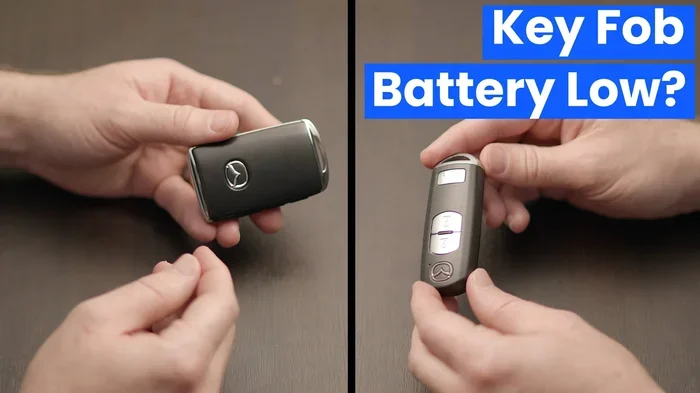
If you notice your low battery key fob drain has been happening alongside clock issues, that is a strong signal your battery is failing. A weak battery affects everything from your key fob to your dashboard clock. Consider replacing the battery if it is more than three to five years old.
While you are checking the battery, it is also a good idea to look at the ground cable. This is the negative cable that connects the battery to the car frame. A loose ground cable can cause all sorts of electrical gremlins, including clock resets. Tighten it if it feels loose.
When the Problem Is Deeper: Electrical Causes
If the quick fixes did not work, the issue is likely deeper in your car’s electrical system. Do not worry. This does not mean you need to spend hundreds of dollars at a shop. Many deeper electrical problems are still within reach of a handy car owner.
Fuse and Wiring Issues
Every car has a fuse box, and inside it are small fuses that protect individual circuits. The clock has its own fuse, and when that fuse blows, the clock stops working entirely. This is actually one of the easiest problems to fix.
Here is how to check and replace a blown fuse:
- Find your fuse box. It is usually under the dashboard on the driver’s side or under the hood near the battery.
- Open the fuse box cover. There should be a diagram printed on the inside that shows which fuse controls the clock.
- Pull out the clock fuse using the fuse puller tool (most fuse boxes include one).
- Look at the fuse. If the metal strip inside is broken or melted, the fuse is blown.
- Replace it with a new fuse of the exact same amperage. You can find the correct rating on the fuse box diagram.
After you replace the fuse, turn on your car and check if the clock comes back to life. If it does, you are all set. If the new fuse blows right away, there is a short circuit somewhere in the wiring, and that is a job for a professional.
The Role of Your Car Computer System
Modern cars are essentially computers on wheels. Your car has a central computer module that controls everything from the engine to the infotainment system. When this computer has a glitch, it can affect the clock in strange ways.
Sometimes a simple computer reset fixes the problem. Here is how:
- Turn off your car and remove the key from the ignition.
- Disconnect the negative battery terminal using a wrench.
- Wait for about 15 minutes. This gives the computer time to fully reset.
- Reconnect the negative terminal and tighten it securely.
- Start your car and check the clock.
This process works like a hard restart on your computer. It clears temporary glitches and resets all the systems, including the clock. Just keep in mind that you may need to reset your radio presets and other personalized settings after doing this.
Some cars also have a specific reset procedure for the infotainment system. Check your owner’s manual for the exact steps. Usually, it involves holding a combination of buttons on the steering wheel or touchscreen for about 10 to 15 seconds.
DIY Repairs You Can Handle Yourself
You do not need a mechanic for most car clock problems. With the right tools and a little patience, you can handle the repair yourself. Here are some DIY fixes that work for the majority of vehicles.
Tools You Will Need
Before you start, gather these basic tools. You probably already have most of them in your garage:
- A basic screwdriver set (flathead and Phillips)
- A fuse puller or a pair of needle-nose pliers
- A multimeter for testing voltage
- A replacement fuse pack (assorted sizes)
- A wire brush for cleaning battery terminals
- A wrench set for battery terminal connections
Having these tools ready saves you time and frustration. You will not have to stop mid-repair to run to the hardware store.
Step-by-Step Clock Repair Guide
Here is a complete walkthrough for fixing a car clock that keeps losing time or resetting:
Step 1: Check the battery. Start with the battery because it is the most common cause. Clean the terminals with a wire brush and make sure the connections are tight. If the battery is old, replace it.
Step 2: Check the fuses. Pull the clock fuse and inspect it. Replace it if it is blown. If the new fuse also blows, stop there and move to Step 4.
Step 3: Reset the car computer. Disconnect the battery for 15 minutes and reconnect it. This clears any software glitches that might be affecting the clock.
Step 4: Check the wiring. Look behind the dashboard for any loose wires connected to the clock or infotainment unit. Reseat any connections that feel loose. Be gentle and do not force anything.
Step 5: Set the clock again. After completing all the steps, set the clock manually and monitor it over the next few days. If it holds the correct time, the problem is solved.
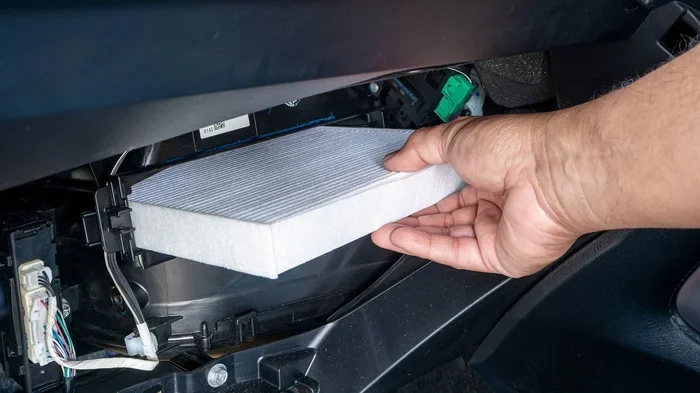
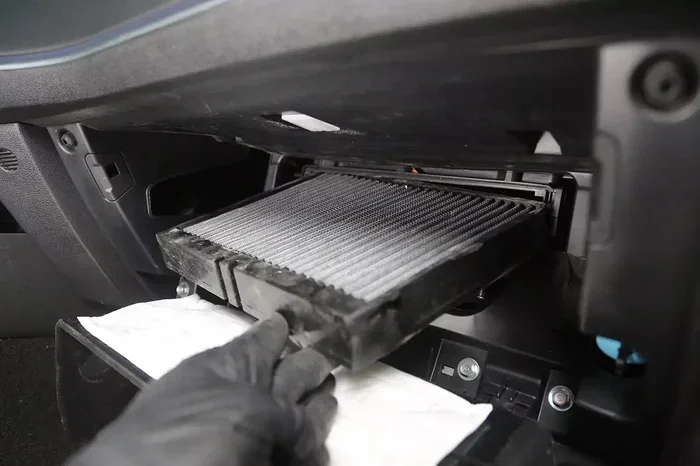
Remember, you can also change my car air filter myself as part of regular maintenance. Keeping up with basic upkeep helps your entire electrical system run better, including the clock.
Preventing Future Time Change Problems
Once you fix your car clock, you want to keep it working. Prevention is always easier than repair. Here are some simple habits that keep your car’s electrical system healthy and your clock accurate.
Regular Maintenance Tips
- Check your battery every six months: A quick voltage test at an auto parts store takes two minutes and catches problems early.
- Clean battery terminals regularly: Corrosion builds up over time and weakens the electrical connection. A wire brush takes care of it in seconds.
- Avoid leaving electronics on when the engine is off: Things like dome lights, dash cams, and phone chargers slowly drain the battery. This is especially important because do car lights on auto drain the battery is a real concern for many car owners.
- Address electrical issues quickly: If you notice flickering lights or slow power windows, get it checked. Small electrical problems can snowball into bigger ones that affect the clock.
- Keep your infotainment system updated: Some manufacturers release software updates that fix clock sync bugs. Check your dealer or the manufacturer’s website for updates.
Another great habit is to do a quick electrical check whenever you visit the mechanic for an oil change or tire rotation. Ask them to look at your battery voltage and inspect the fuse box. Catching a weak battery early can save you from a clock reset disaster later.
When to See a Professional Mechanic
Most car clock problems are simple fixes. But sometimes the issue goes beyond what a DIY approach can handle. Knowing when to call a professional saves you time, money, and frustration.
You should see a mechanic if:
- The clock fuse keeps blowing after you replace it. This signals a short circuit that needs professional diagnosis.
- Multiple electrical systems are failing at the same time. If your clock, radio, and dashboard lights all act up together, the problem is likely in the main electrical system.
- You have tried the battery reset and the clock still does not work. The issue may be in the infotainment unit itself, which requires specialized tools to diagnose.
- Your car is under warranty. DIY repairs can sometimes void your warranty. Check with your dealer first.
- You are not comfortable working with electrical components. There is no shame in that. A mechanic can handle it safely and quickly.
When you do visit a mechanic, describe the problem clearly. Tell them when the clock resets, what other symptoms you have noticed, and what steps you have already tried. This helps them diagnose the issue faster and saves you money on diagnostic fees.
Also keep in mind that some car models are more prone to clock issues than others. If you own a vehicle known for electrical quirks, staying on top of maintenance becomes even more important. Regular checkups can prevent small problems from turning into big headaches.
Final Thoughts
A car time change issue might seem like a small problem, but it can be a window into bigger electrical issues. The good news is that most fixes are simple, affordable, and something you can do yourself. Whether it is a quick manual reset, a battery check, or a fuse replacement, you have the power to get your car clock working correctly again.
Start with the simplest fix and work your way up. Check the battery first. Then the fuses. Then try a computer reset. Nine times out of ten, one of these steps solves the problem. And if it does not, you have all the information you need to talk to a mechanic with confidence.
Keep up with regular maintenance and your car clock should stay accurate for years to come. A little attention now saves you a lot of trouble later. You have got this, and your car will thank you for it.
Frequently Asked Questions
Why does my car clock reset to 12:00 every time I start the car?
This usually means your car battery is not holding a steady charge. When the battery voltage drops, the clock loses its saved time and resets to the default. Check your battery voltage and consider replacing it if it is more than a few years old.
Can a dead key fob battery affect my car clock?
Not directly, but a weak key fob battery and a weak car battery often go hand in hand. If your key fob is draining, it could be a sign that your car battery is also running low, which can affect the clock.
How much does it cost to fix a car clock?
Most clock fixes cost little to nothing. A fuse replacement costs just a few dollars, and a battery reset is free. If the infotainment unit itself needs to be replaced, that can cost between $200 and $500 depending on your vehicle.
Do I need to reset my car clock after replacing the battery?
Yes, in most cases. When you disconnect the battery, the clock loses power and resets. Simply set the correct time again after the new battery is installed and the car is running.
Can daylight saving time cause car clock problems?
Seasonal time changes can sometimes trigger clock glitches, especially in older vehicles. If your car clock does not auto-update for daylight saving time, you may need to manually adjust it or check for a software update from the manufacturer.
Is it safe to disconnect my car battery to reset the clock?
Yes, it is safe as long as you follow the proper steps. Turn off the car, remove the key, disconnect the negative terminal first, wait 15 minutes, and then reconnect it. Make sure you know your radio code before doing this, as you may need to re-enter it.