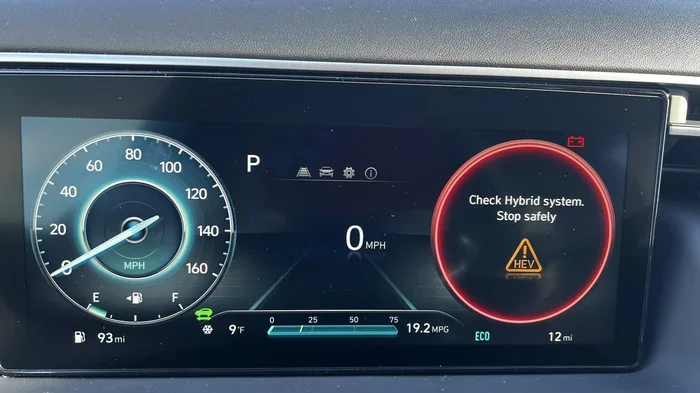
How to Reset the Check Hybrid System on Your Vehicle
The check hybrid system warning can be alarming, but it is often fixable with a simple reset. This guide walks you through the exact steps to reset the check hybrid system on your vehicle, explains what triggers the warning, and shares practical tips to prevent it from coming back. Whether you drive a Toyota Prius or another hybrid model, you will find clear, actionable advice here.
That little warning light on your dashboard can send anyone into a panic. You are driving along, everything seems fine, and then you see the words Check Hybrid System glowing on your instrument cluster. Your heart drops. What does it mean? Can you still drive? Is your hybrid car about to break down? Take a breath. In most cases, this warning is not a death sentence for your vehicle. It is a signal that something needs attention, and in many situations, a simple reset can clear the warning and get you back on the road with confidence.
In this guide, we will walk you through everything you need to know about the check hybrid system warning. You will learn what it means, what causes it, how to reset it step by step, and when it is time to call in a professional. We will also share tips to help you prevent this warning from showing up again. Whether you own a Toyota Prius, a Honda Insight, or another popular hybrid model, this article has you covered. Let us dive in.
Key Takeaways
- Resetting the check hybrid system is often a simple process that you can do at home with basic tools.
- Common causes include a weak hybrid battery, faulty sensors, or a loose connection that triggers the warning light.
- You can usually still drive short distances with the hybrid warning light on, but you should address the issue promptly.
- Regular hybrid battery maintenance helps prevent the check hybrid system light from returning.
- Professional diagnostics are recommended if the warning light keeps coming back after a reset.
📑 Table of Contents
What the Check Hybrid System Warning Means
The check hybrid system warning light is your vehicle’s way of telling you that something in the hybrid powertrain needs attention. Unlike a simple low-fuel warning, this light points to an issue within the complex system that combines your gasoline engine and electric motor. The exact meaning can vary depending on your car’s make and model, but the general idea is the same: the hybrid system has detected a fault.
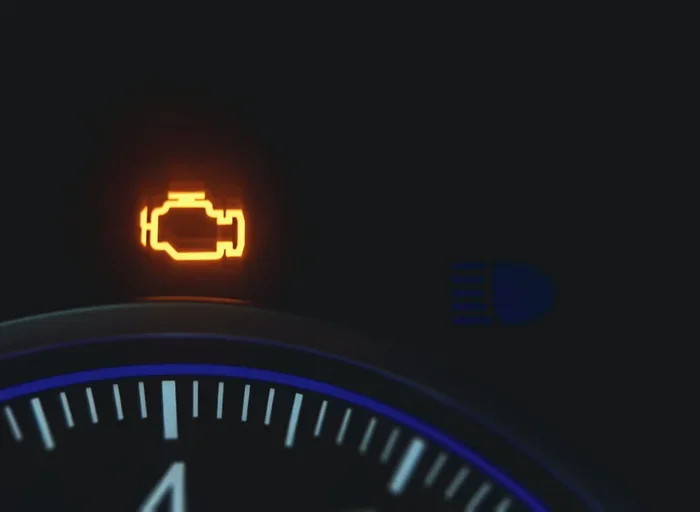
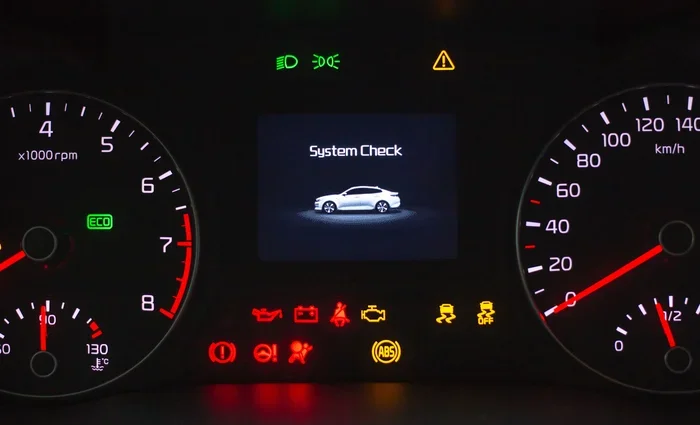
On most vehicles, the light looks like a triangle with an exclamation point, or it may display the words “Check Hybrid System” or “Hybrid System Malfunction.” Some cars also show a battery icon alongside the warning. The light might glow steadily or flash, and the behavior can give you clues about how serious the issue is.
Steady Light vs. Flashing Light
A steady check hybrid system light usually means there is a non-emergency issue. Your car is still safe to drive, but you should have it checked soon. A flashing light, on the other hand, often signals a more serious problem. If the light is flashing, you should reduce your speed and avoid heavy acceleration. Pull over safely and consider calling for roadside assistance if the light is blinking rapidly.
It is also worth noting that some hybrid vehicles use color coding. A yellow or amber light typically means a warning that needs attention but is not urgent. A red light means you should stop driving immediately and seek help. Always pay attention to the color and behavior of your warning lights.
Common Causes of the Hybrid System Warning
Understanding what triggers the check hybrid system light is the first step toward fixing it. The hybrid system in your car relies on many components working together seamlessly. When one part fails or underperforms, the system flags it. Here are the most common culprits.
Weak or Failing Hybrid Battery
The hybrid battery is the heart of your vehicle’s electric powertrain. Over time, these batteries can lose their ability to hold a full charge. When the battery voltage drops below a certain threshold, the car’s computer detects the issue and illuminates the warning light. A weak battery is one of the top reasons drivers see the check hybrid system message on their dashboard.
Hybrid batteries typically last between 80,000 and 150,000 miles, but extreme temperatures, driving habits, and age can shorten their lifespan. If you live in a very hot or very cold climate, your battery may degrade faster than expected. Regular maintenance and smart charging habits can help extend the life of your hybrid battery.
Faulty Sensors and Control Modules
Modern hybrid vehicles are packed with sensors that monitor everything from battery temperature to motor output. When one of these sensors sends incorrect data to the car’s computer, the system may trigger the warning light. A faulty hybrid system control module can also cause the light to come on, even if the underlying components are working fine.
Loose or Corroded Connections
Sometimes the cause is surprisingly simple. A loose wire harness or a corroded connector in the hybrid system can disrupt communication between components. This often triggers the check hybrid system light. Vibration from driving, exposure to moisture, and general wear and tear can all loosen connections over time.
Low Hybrid Battery Electrolyte or Coolant
Some hybrid vehicles use a liquid cooling system for the battery pack. If the coolant level drops too low, the battery may overheat, and the system will warn you. Similarly, older nickel-metal hydride (NiMH) batteries may need their electrolyte levels checked and topped off as part of regular hybrid battery maintenance.
How to Reset the Check Hybrid System on Your Vehicle
Now for the part you have been waiting for: how to actually reset the check hybrid system light. The method you use depends on your vehicle’s make and model, but there are several common approaches that work for most hybrid cars. Before you begin, make sure your car is parked in a safe, flat location and the engine is turned off.
Method 1: The Simple Reset via the OBD-II Scanner
An OBD-II scanner is one of the most reliable tools for resetting hybrid system warnings. You can buy a basic scanner for under $30 at most auto parts stores, or you can use one at your local mechanic’s shop. Here is how it works:
- Locate your vehicle’s OBD-II port. It is usually found under the dashboard on the driver’s side.
- Plug the scanner into the port and turn the ignition to the “On” position (do not start the engine).
- Follow the scanner’s prompts to read any stored error codes.
- Note the codes related to the hybrid system. Common codes include P0A80 (hybrid battery malfunction) and P0AA6 (hybrid system voltage fault).
- Select the option to clear the codes from the scanner.
- Turn the ignition off, wait 30 seconds, then start the engine again.
- Check if the check hybrid system light has turned off.
If the light stays off after this process, the reset was successful. If it comes back within a few days, there is an underlying issue that needs to be addressed.
Method 2: Disconnect the Hybrid Battery
For some vehicles, disconnecting the hybrid battery for a few minutes can reset the system. This method works by draining the residual power from the car’s computer, which clears stored fault codes. Important safety note: Only attempt this if you are comfortable working with high-voltage hybrid components. If you are unsure, skip this method and use the OBD-II scanner approach instead.
- Turn off the engine and remove the key from the ignition.
- Open the hood and locate the hybrid battery disconnect switch (consult your owner’s manual for the exact location).
- Disconnect the negative terminal first, then the positive terminal.
- Wait at least 10 minutes to allow the system to fully power down.
- Reconnect the positive terminal first, then the negative terminal.
- Start the engine and check if the warning light has cleared.
Method 3: The Ignition Cycle Reset
This is the simplest method and works on many hybrid vehicles. It involves cycling the ignition on and off several times to force the car’s computer to reinitialize the hybrid system.
- Turn the ignition to the “Off” position and remove the key.
- Wait 30 seconds.
- Turn the ignition to the “On” position (just far enough to activate the dashboard lights, but do not start the engine).
- Wait another 30 seconds.
- Turn the ignition back to “Off.”
- Repeat this cycle two more times (for a total of three cycles).
- Start the engine and check if the check hybrid system light is off.
This method does not always work, but it is worth trying because it requires no special tools and poses no risk to your vehicle.
Comparison Table: Reset Methods at a Glance
| Method | Difficulty | Tools Needed | Success Rate | Risk Level |
|---|---|---|---|---|
| OBD-II Scanner | Easy | OBD-II scanner | High | Low |
| Battery Disconnect | Moderate | Wrench | Medium | Medium |
| Ignition Cycle | Very Easy | None | Low to Medium | None |
Quick Tips for a Successful Reset
- Always check for error codes first before resetting. Clearing the light without knowing the root cause is like turning off a smoke alarm without checking for fire.
- Make sure your hybrid battery is fully charged before attempting a reset. A low battery can cause the warning light to return immediately.
- Drive gently after the reset for the first few miles. Avoid hard acceleration and heavy braking to give the system time to recalibrate.
- Keep your owner’s manual handy during the reset process. Different models have slightly different procedures, and the manual will have the most accurate instructions for your specific vehicle.
Can You Still Drive With the Hybrid Warning Light On?
This is one of the most common questions drivers ask when they see the check hybrid system light. The short answer is: in most cases, yes, you can still drive. But the longer answer comes with important caveats.
When the hybrid warning light comes on, your vehicle typically switches to a “limp mode.” This means the car relies more heavily on the gasoline engine and limits the electric motor’s power. You might notice reduced acceleration, lower fuel efficiency, or a rougher ride. You can usually still drive to a nearby repair shop or home safely in this mode.
However, there are situations where driving with the light on is not safe. If you notice the car stalling, losing power unexpectedly, or making unusual noises, you should pull over and stop. A failing hybrid battery can sometimes cause sudden loss of power, which is dangerous at highway speeds. If you are unsure about the severity of the issue, it is always better to call a tow truck.
Can you drive a hybrid without the hybrid battery? In most modern hybrids, the answer is yes, but only in a limited capacity. The gasoline engine can power the car on its own, though you will lose the fuel efficiency benefits and performance advantages of the electric motor. If your hybrid battery has completely failed, you can still operate the vehicle, but you should get it repaired or replaced as soon as possible. Can a dead hybrid battery be recharged? In many cases, yes. A professional mechanic or dealership can often recharge or replace a dead hybrid battery, restoring full functionality to your vehicle.
What Happens If You Ignore the Warning Light?
Ignoring the check hybrid system light is not a good idea. Here is what can happen if you keep driving without addressing the issue:
- Reduced fuel efficiency: The car will rely more on the gasoline engine, which means you will fill up more often and spend more money at the pump.
- Worsening damage: A small problem like a loose connection can grow into a bigger issue if left unchecked. What starts as a simple fix can turn into an expensive repair.
- Complete hybrid system failure: In rare cases, ignoring the warning can lead to a total breakdown where the car will not start at all.
- Failed emissions test: Many states require vehicles to pass an emissions test. A malfunctioning hybrid system can cause your car to fail this test.
Preventing Future Hybrid System Warnings
The best way to deal with the check hybrid system light is to prevent it from coming back in the first place. Regular maintenance and smart driving habits go a long way toward keeping your hybrid system healthy and your warning lights off.
Follow the Recommended Maintenance Schedule
Every hybrid vehicle comes with a manufacturer-recommended maintenance schedule. This schedule includes specific items for the hybrid system, such as battery health checks, coolant flushes, and inspections of the electric motor and power electronics. Following this schedule is the single best thing you can do to prevent unexpected warnings.
Make sure to use the correct fluids and components for your hybrid vehicle. For example, do I have to use Subaru coolant? is a common question among owners of Subaru hybrid models, and the answer is yes — using the wrong coolant can damage the hybrid system over time. Always refer to your owner’s manual for the manufacturer’s recommended fluids and parts.
Monitor Your Hybrid Battery Health
Keep an eye on your hybrid battery’s state of charge. Most vehicles have a battery health indicator in the dashboard display or infotainment system. If you notice the battery health declining over time, it is worth getting the battery inspected before it fails completely. A healthy hybrid battery is the key to a long-lasting and efficient hybrid powertrain.
Drive Smart
How you drive affects your hybrid system more than you might think. Aggressive acceleration, hard braking, and frequent short trips can all put extra strain on the hybrid battery. Try to adopt a smooth, steady driving style. Avoid letting the battery drain completely, and if possible, allow the car to recharge through regenerative braking by coasting to stops rather than braking hard at the last second.
Keep Connections Clean and Secure
Under the hood, hybrid system connections are exposed to heat, moisture, and vibration. Periodically check that all electrical connections are secure and free of corrosion. If you notice any frayed wires or loose connectors, have them repaired right away. A simple fix today can prevent a costly repair tomorrow.
Address Warning Signs Early
Your vehicle often gives you hints before a full warning light appears. If you notice reduced electric-only driving range, unusual noises from the powertrain area, or a decrease in fuel efficiency, do not ignore these signs. Getting an early hybrid system check can save you from a bigger problem down the road. Can you run diagnostics without a check engine light? Yes, in many cases a professional scan tool can run hybrid-specific diagnostics even if the check engine light is not on, giving you early warning of potential issues.
When to See a Professional Mechanic
While many drivers can successfully reset the check hybrid system light at home, there are times when professional help is the right choice. Knowing when to make that call can save you time, money, and a lot of frustration.
Signs You Need Professional Help
You should see a professional mechanic if any of the following apply:
- The warning light comes back immediately after you reset it.
- You hear strange noises coming from the powertrain or battery area.
- Your vehicle enters limp mode frequently or for extended periods.
- The hybrid battery warning light is flashing rapidly.
- You notice a significant drop in fuel efficiency that does not improve after a reset.
- The car will not start, even though the battery is fine.
Can You Take Your Toyota to Any Dealership for Warranty Work?
If your hybrid vehicle is still under warranty, you might wonder whether you need to visit a specific dealership for repairs. The answer depends on your warranty terms and the brand of your vehicle. Some manufacturers require you to use authorized dealers for warranty-covered repairs, while others allow you to visit any certified mechanic. It is always a good idea to check with your manufacturer before having hybrid system work done if your car is still under warranty.
How Much Does Hybrid System Repair Cost?
The cost of fixing a check hybrid system warning varies widely depending on the root cause. A simple sensor replacement might cost $100 to $300. A loose connection fix could be free if you do it yourself. However, a full hybrid battery replacement can range from $1,000 to $6,000 or more, depending on the vehicle model and whether you choose a new or refurbished battery. Always get a detailed estimate before authorizing any major repair.
Expert Insight: Many drivers worry that a hybrid system warning means they need an expensive new battery. In reality, the majority of check hybrid system warnings are caused by simple, inexpensive issues like loose connections, faulty sensors, or a need for a software update. Always get a proper diagnosis before assuming the worst.
Common Mistakes to Avoid
When dealing with the check hybrid system light, there are a few mistakes that many drivers make. Avoiding these can save you time and money:
- Resetting the light without diagnosing the root cause. This is the most common mistake. If you clear the light without fixing the underlying problem, it will almost certainly come back.
- Ignoring the warning light. Hoping it will go away on its own is a recipe for bigger problems and higher repair costs.
- Using the wrong reset method for your vehicle. Not all reset methods work on all models. Always consult your owner’s manual first.
- Attempting high-voltage repairs without proper training. Hybrid batteries operate at high voltages that can be dangerous. Leave complex electrical work to trained professionals.
- Delaying routine maintenance. Skipping scheduled check-ups is one of the fastest ways to let a small issue turn into a major hybrid system failure.
Final Thoughts
Dealing with the check hybrid system warning does not have to be stressful. With the right knowledge and a calm approach, you can often reset the light yourself and get back to enjoying the benefits of your hybrid vehicle. Remember to always diagnose the root cause before resetting, drive gently after a reset, and keep up with regular maintenance to prevent the light from returning.
If the warning light persists or keeps coming back, do not hesitate to seek professional help. A qualified mechanic can run a full diagnostic and pinpoint exactly what is causing the issue. Taking quick action not only keeps your car running smoothly but also protects your investment in a hybrid vehicle that can serve you well for many years to come.
Your hybrid car is a marvel of modern engineering, combining the best of electric and gasoline power. Treat it well, stay on top of maintenance, and it will reward you with excellent fuel economy, smooth performance, and reliable transportation for miles to come. The check hybrid system light is just a reminder to pay attention — and now you know exactly what to do when it appears.
Frequently Asked Questions
How do I know if my hybrid system needs a reset?
The most obvious sign is the “Check Hybrid System” warning light appearing on your dashboard. You might also notice reduced electric-only driving range, a drop in fuel efficiency, or unusual behavior from the powertrain. If the light is steady, you can usually drive to a safe location and attempt a reset. If it is flashing, reduce your speed and seek professional help.
Will resetting the hybrid system fix the underlying problem?
No, resetting the light only clears the warning message. It does not repair the actual problem that triggered the light in the first place. Think of it like turning off a smoke alarm — the alarm stops, but if there is still a fire, you need to put it out. Always diagnose the root cause before resetting, or the light will likely return.
Can I reset the check hybrid system myself?
Yes, in most cases you can reset the light yourself using an OBD-II scanner, the ignition cycle method, or by disconnecting the hybrid battery. These methods are straightforward and do not require professional training. However, if you are uncomfortable working with hybrid components, it is perfectly fine to visit a mechanic or dealership to have the reset performed for you.
How much does it cost to reset the check hybrid system?
If you use an OBD-II scanner, the cost is minimal — scanners start at around $25 for basic models. Ignition cycle resets and battery disconnects cost nothing at all. If you visit a mechanic or dealership, you might pay a diagnostic fee of $50 to $150, but the reset itself is typically included in that fee. The real cost comes if the underlying issue requires parts or labor to fix.
What happens if I don’t reset the hybrid warning light?
Nothing immediately dangerous in most cases — the car will usually continue to run in a limited “limp mode.” However, ignoring the light means the underlying problem goes unaddressed, which can lead to worsening damage, reduced fuel efficiency, and eventually a complete hybrid system failure. It is always better to deal with the warning promptly rather than hoping it will go away on its own.
How often should I reset the hybrid system?
You should only reset the hybrid system when the warning light comes on and you have addressed the root cause. There is no reason to reset it as a routine maintenance task. If you find yourself resetting the light frequently, it is a clear sign that there is an ongoing issue that needs professional diagnosis. Regular hybrid system inspections as part of your vehicle’s maintenance schedule are the best way to avoid repeated warning lights.