How Many Miles Do Most Transmissions Last on Average
Most transmissions last between 100,000 and 200,000 miles with proper care. The exact lifespan depends on your transmission type, driving habits, and maintenance routine. Regular transmission fluid changes and smart driving can push your transmission well beyond average expectations.
How many miles do most transmissions last? This is one of the most common questions car owners ask. The short answer is that most transmissions last between 100,000 and 200,000 miles. But that range is just the starting point. Your actual results depend on several factors that you can control.
Whether you drive a daily commuter or a long-haul truck, understanding transmission lifespan helps you plan for the future. A transmission is one of the most expensive parts to replace. Knowing what affects its durability puts you in a much better position. You can take action early, avoid surprises, and save thousands of dollars over the life of your vehicle.
In this guide, we will break down everything you need to know. We will cover average lifespans by transmission type, warning signs of wear, and the maintenance steps that make the biggest difference. By the end, you will know exactly how to protect your transmission and get the most miles out of it.
Key Takeaways
- Average lifespan: Most transmissions last 100,000 to 200,000 miles with proper care.
- Automatic vs manual: Manual transmissions often last longer than automatics when maintained well.
- Fluid matters: Regular transmission fluid changes are the single biggest factor in longevity.
- Driving habits count: Aggressive driving, towing, and stop-and-go traffic reduce transmission life.
- Warning signs: Slipping gears, strange noises, and delayed shifting mean it is time for a check.
- Rebuild vs replace: A rebuild costs less than a full replacement and can add years of life.
- Maintenance schedule: Following your manufacturer’s service intervals keeps your transmission healthy.
📑 Table of Contents
- What Is the Average Transmission Lifespan?
- Automatic vs Manual Transmission Longevity
- Signs Your Transmission Is Wearing Out
- How to Make Your Transmission Last Longer
- When to Replace vs Rebuild a Transmission
- Transmission Maintenance Schedule
- Common Mistakes That Shorten Transmission Life
- How Transmission Technology Is Changing
- Conclusion
What Is the Average Transmission Lifespan?
The average transmission lasts somewhere around 150,000 miles. But that number means very little without context. A well-maintained transmission in a light-duty commuter car can easily reach 250,000 miles. A neglected transmission in a heavy-duty truck might fail at 80,000 miles.
Here is a quick look at what you can expect from different vehicle types:
- Compact cars: 150,000 to 200,000 miles with regular maintenance.
- Mid-size sedans: 150,000 to 250,000 miles depending on usage.
- Trucks and SUVs: 120,000 to 200,000 miles, especially if used for towing.
- Performance vehicles: 100,000 to 180,000 miles under normal driving.
- Commercial vehicles: 100,000 to 150,000 miles under heavy loads.
These numbers come from real-world data and manufacturer estimates. The transmission lifespan you actually experience will depend on how you treat your vehicle. Think of it like dental health. Brush and floss regularly, and your teeth last a lifetime. Ignore them, and you will face big problems fast. The same logic applies directly to your transmission.
Why Mileage Estimates Vary So Much
You might wonder why one source says 100,000 miles and another says 300,000. The truth is that there is no single universal number. Every driving situation is different. Climate, road conditions, load weight, and maintenance habits all play a role. A car driven mostly on highways in mild weather will last longer than one stuck in daily city traffic. That is why manufacturers give broad ranges instead of exact numbers.
Automatic vs Manual Transmission Longevity
The type of transmission you have is one of the biggest factors in how long it lasts. Automatic transmissions and manual transmissions have very different wear patterns. Let us look at each one.
Automatic Transmission Mileage
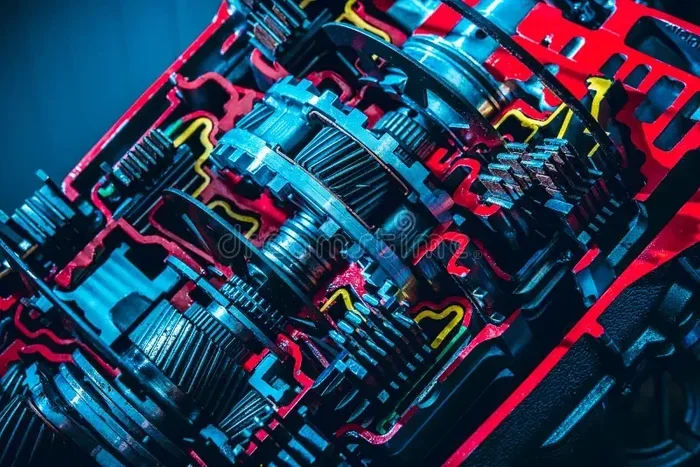
Automatic transmissions are the most common type on the road today. They use a complex system of planetary gear sets, torque converters, and hydraulic controls. All of those parts work together to shift gears smoothly. That complexity means more things can go wrong over time.
Most automatic transmissions last between 100,000 and 200,000 miles. Some high-quality units, especially those from Toyota and Honda, have been known to push past 250,000 miles. The key factor is almost always maintenance. Drivers who change their fluid on schedule tend to get far more life out of their automatics.
Modern automatics with CVT technology (continuously variable transmission) are a different story. CVTs are efficient but can be more prone to wear. Many CVT units start showing problems around 100,000 miles if the fluid is not changed regularly.
Manual Transmission Durability
Manual transmissions are simpler in design. They have fewer moving parts, which generally means fewer things to break. A well-maintained manual transmission can often last 200,000 miles or more. Some drivers have reported manuals lasting 300,000 miles with no major issues.
However, manual transmissions are not invincible. The clutch is the weak point. A clutch typically lasts between 50,000 and 100,000 miles depending on driving style. Heavy-footed drivers who ride the clutch will wear one out much faster. Gentle drivers who use the clutch properly can get 150,000 miles or more from a single clutch.
Interestingly, many drivers who buy used cars look for vehicles with manual transmissions because of their reputation for durability. If you are shopping for a high-mileage vehicle, a manual car with a fresh clutch can be a smart buy. You can check resources like Can Toyota Camry Last 400 for insights on long-lasting vehicles.
Signs Your Transmission Is Wearing Out
Transmissions do not usually fail overnight. They give you warning signs long before a complete breakdown. Catching these signals early can save you from a costly transmission replacement. Here are the most common warning signs to watch for.
Slipping Gears
Slipping is when your transmission unexpectedly shifts out of gear or jumps between gears while driving. You might feel a momentary loss of power or a change in engine RPM without warning. This is one of the most serious warning signs. It usually means the internal clutch packs or bands are worn and can no longer hold gear properly.
Delayed or Harsh Shifting
Does your car hesitate before engaging a gear? Do shifts feel jerky or abrupt? A healthy transmission shifts smoothly and quickly. Delays of more than a second or two can indicate low fluid levels, worn solenoids, or internal damage. Do not ignore this symptom. The longer you wait, the worse the damage gets.
Unusual Noises
Grinding, whining, or buzzing sounds from the transmission area are never good. A healthy transmission should be nearly silent. Whining noises often point to worn bearings. Grinding sounds usually mean metal-on-metal contact inside the gearbox. Both situations require immediate attention.
Fluid Leaks and Discoloration
Transmission fluid should be reddish and relatively clear. If you see puddles under your car, check the color. Dark brown or black fluid means it is burnt and needs to be changed immediately. Burnt fluid loses its lubricating properties and causes increased wear on internal components. Checking your fluid regularly is one of the simplest things you can do.
Some drivers also notice a burning smell while driving. This is a strong indicator that the transmission fluid is overheating. Pull over safely and check the fluid level. Continuing to drive in this condition can cause permanent damage.
Warning Lights and Error Codes
Modern vehicles have transmission sensors that trigger dashboard warning lights. If you see a check engine light or a transmission-specific warning, do not ignore it. A mechanic can hook up a diagnostic scanner and pull the error codes. These codes give you a head start on identifying the problem before it becomes expensive.
How to Make Your Transmission Last Longer
The good news is that you have a lot of control over your transmission lifespan. Simple habits and regular maintenance can add tens of thousands of miles to your transmission life. Here is what works best.
Change Your Transmission Fluid Regularly
This is the single most important thing you can do. Transmission fluid lubricates, cools, and cleans the internal components. Over time, it breaks down and loses its effectiveness. Old, dirty fluid causes increased friction and heat, which accelerates wear.
Most manufacturers recommend changing transmission fluid every 30,000 to 60,000 miles. If you tow frequently or drive in stop-and-go traffic, you should change it more often, around every 20,000 miles. Always use the fluid type specified in your owner’s manual. Using the wrong transmission fluid type can cause serious damage.
If you are unsure about the process, you can read about how to check transmission fluid while running for helpful guidance. Proper fluid checks are the foundation of transmission care.
Warm Up Your Vehicle Before Driving
This is especially important in cold weather. When you start your car in the morning, the transmission fluid is thick and cold. It takes a few minutes for the fluid to warm up and flow properly. Driving aggressively before the fluid reaches operating temperature causes extra wear on internal components. Just let your car idle for 30 seconds to a minute and drive gently for the first few minutes.
Avoid Towing Beyond Your Vehicle’s Capacity
Towing puts enormous stress on your transmission. The extra weight generates more heat and forces the transmission to work harder. If you regularly tow near your vehicle’s maximum capacity, your transmission will wear out faster. Check your owner’s manual for the towing capacity and stay well within limits. Consider installing an auxiliary transmission cooler if you tow frequently.
Shift Gears Properly
If you drive a manual transmission, do not ride the clutch. Keep your foot off the clutch pedal when you are not actively shifting. For automatic drivers, never shift from drive to reverse while the car is still moving. This is one of the fastest ways to damage an automatic transmission. Always come to a complete stop first.
Get Regular Professional Inspections
Even if you do everything right, a trained eye can spot problems you cannot see. Have a mechanic inspect your transmission at every major service interval. They can check fluid condition, look for small leaks, and test shift quality. Catching a small issue early can prevent a major failure later.
Many drivers also find it helpful to learn more about overall vehicle maintenance at sites like Are Toyotas Reliable After 200K Miles for general longevity insights that apply to transmission health as well.
Quick Tips for Daily Driving
- Do not floor the accelerator from a standstill.
- Give yourself extra following distance to avoid hard braking.
- Avoid shifting from park to drive while the car is still rolling.
- Keep your transmission fluid topped off between changes.
- Address any unusual sounds or sensations immediately.
When to Replace vs Rebuild a Transmission
At some point, every transmission will need major work. The question is whether to replace it entirely or rebuild the existing unit. The answer depends on the damage, your budget, and how long you plan to keep the vehicle.
What Is a Transmission Rebuild?
A rebuild means taking the transmission apart, inspecting every component, and replacing the worn parts. The housing and any undamaged components are reused. A rebuild typically costs between $2,500 and $4,000, depending on the vehicle. It is usually 30 to 50 percent cheaper than a full replacement.
What Is a Full Transmission Replacement?
A full replacement means swapping in a remanufactured or used transmission. This option costs more, typically between $4,000 and $8,000 including labor. However, it comes with a warranty and gives you a known quantity. You know exactly what you are getting with a new or remanufactured unit.
Which Option Makes More Sense?
If your vehicle is relatively new and has high value, a full replacement is usually the better choice. You get a warranty and peace of mind. If your vehicle is older and has lower value, a rebuild might be the smarter financial decision. In some cases, it simply does not make sense to spend $8,000 on a transmission for a car worth $5,000.
Many drivers also look at the overall vehicle condition before deciding. If the engine and body are in great shape but the transmission is failing, a rebuild or replacement makes sense. If multiple major systems are failing, it might be time to move on to a new vehicle.
For those interested in long-term vehicle ownership, understanding overall car durability is valuable. Check out Do You Leave The Car Running When Adding Transmission Fluid for another essential maintenance tip that protects your transmission investment.
Transmission Maintenance Schedule
A regular maintenance schedule is the best defense against transmission failure. Here is a simple timeline to follow.
- Every 30,000 miles: Check transmission fluid level and condition. Top off if needed.
- Every 60,000 miles: Perform a full transmission fluid and filter change.
- Every 100,000 miles: Have a professional inspection of all transmission components.
- At any sign of problems: Get a diagnostic check immediately. Do not wait.
Following this schedule consistently will keep your transmission running smoothly for many years. It also helps you catch small problems before they become big expenses.
Maintenance Tips for Different Driving Conditions
Your driving environment affects how often you should service your transmission. Here is a quick comparison:
- Highway driving: Fluid changes every 60,000 miles are usually sufficient.
- City driving: Change fluid every 30,000 to 40,000 miles due to frequent stops and starts.
- Towing and hauling: Change fluid every 20,000 miles and consider an auxiliary cooler.
- Hot climates: More frequent fluid changes are needed because heat breaks down fluid faster.
- Cold climates: Cold starts cause extra wear. Warm up gently and check fluid more often.
Every driver’s situation is different. Use these guidelines as a starting point and adjust based on your specific conditions. The goal is to keep your transmission fluid clean and cool at all times.
Common Mistakes That Shorten Transmission Life
There are several habits that silently destroy transmissions. Being aware of these mistakes helps you avoid them.
- Ignoring warning signs: Slipping, hesitation, or strange noises mean something is wrong. Ignoring them makes the problem worse.
- Skipping fluid changes: Dirty fluid is the number one killer of transmissions. Do not skip this service.
- Overheating the transmission: Towing too much weight or driving aggressively generates excess heat.
- Using the wrong fluid: Not all transmission fluids are the same. Using the wrong one causes poor performance and damage.
- Shifting while moving: Going from drive to reverse while the car is still rolling stresses the gears.
- Neglecting the cooling system: Your transmission relies on the cooling system to stay at the right temperature. A failing coolant system affects your transmission too.
Avoiding these mistakes alone can add 50,000 or more miles to your transmission life. It is much easier to prevent problems than to fix them.
How Transmission Technology Is Changing
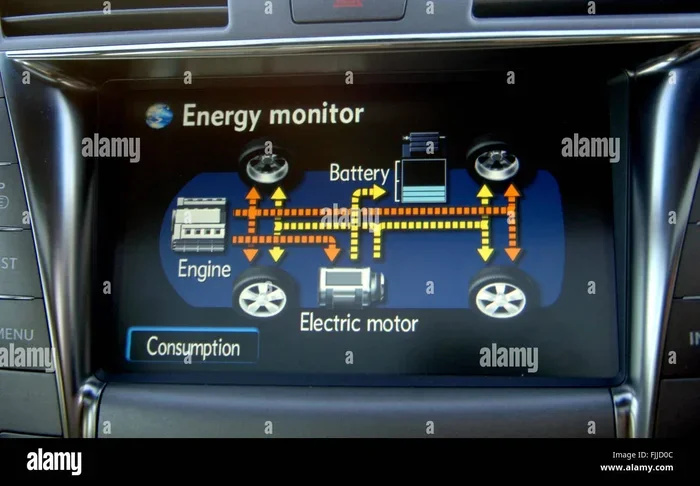
The automotive industry is evolving rapidly. New transmission technologies are changing what we expect from drivetrain longevity. Dual-clutch transmissions offer faster shifts and better efficiency. Electrified transmissions in hybrid vehicles reduce mechanical wear because the electric motor handles much of the driving workload.
Some manufacturers are even moving toward single-speed transmissions in electric vehicles. Without traditional gear sets, these systems have far fewer moving parts to wear out. While this technology is still new, it suggests that future vehicles may need far less transmission maintenance than today’s cars.
For now, the principles remain the same. Regular maintenance, gentle driving, and prompt attention to problems will keep any transmission running its best. Whether you drive a cutting-edge hybrid or a classic manual, the basics of transmission care do not change.
Conclusion
How many miles do most transmissions last? The answer is 100,000 to 200,000 miles on average, but your results can be much better with the right approach. Regular transmission fluid changes, smart driving habits, and prompt attention to warning signs are the three pillars of transmission longevity.
Your transmission is one of the most important and expensive components in your vehicle. Treat it well, and it will reward you with years of reliable service. Ignore it, and you will face repair bills that can easily reach thousands of dollars. The choice is yours, and the power is in your hands.
Start today by checking your transmission fluid. Make a plan for your next service interval. Small actions taken now lead to big savings later. Your future self will thank you every time you turn the key and your transmission shifts smoothly into gear.
Frequently Asked Questions
What is the average lifespan of a car transmission?
Most car transmissions last between 100,000 and 200,000 miles. However, with proper maintenance and gentle driving, many transmissions can go well beyond 200,000 miles. The exact lifespan depends on your transmission type, driving habits, and how consistently you follow a maintenance schedule.
Can a transmission last 300,000 miles?
Yes, it is possible. Many manual transmissions and well-maintained automatics have been known to reach 300,000 miles or more. The key factors are regular fluid changes, avoiding aggressive driving, and addressing small problems before they become big issues. Consistent care makes all the difference.
How often should I change my transmission fluid?
Most manufacturers recommend changing transmission fluid every 30,000 to 60,000 miles. If you tow frequently, drive in city traffic, or live in a hot climate, you should change it more often, around every 20,000 to 30,000 miles. Always use the fluid type recommended in your owner’s manual.
Is it worth rebuilding a transmission?
Yes, a rebuild is often worth it, especially if your vehicle is still in good overall condition. A rebuild typically costs $2,500 to $4,000, which is significantly less than a full replacement at $4,000 to $8,000. A rebuilt transmission can last another 100,000 miles or more with proper care.
What kills a transmission the fastest?
The fastest way to kill a transmission is by ignoring warning signs and skipping fluid changes. Burnt, dirty fluid causes increased friction and heat inside the transmission. Over time, this leads to worn clutch packs, damaged bearings, and eventually complete failure. Driving with low fluid or using the wrong fluid type also causes rapid damage.
Does driving style really affect transmission life?
Absolutely. Aggressive driving, sudden acceleration, and hard braking put extra stress on transmission components. Towing beyond your vehicle’s capacity generates excess heat. Even something as simple as shifting from drive to reverse while the car is still moving can cause premature wear. Gentle, aware driving habits extend transmission life significantly.
=== META DATA ===
SEO Title: How Many Miles Do Most Transmissions Last on Average
Meta Title: How Many Miles Do Transmissions Last? (Average Lifespan)
Meta Description: Discover how many miles most transmissions last on average. Learn tips to extend your transmission lifespan and avoid costly repairs.
URL Slug: how-many-miles-do-most-transmissions-last
Primary Keyword: How Many Miles Do Most Transmissions Last
Category: Maintenance
Target Word Count: 2500-3000
LSI Keywords Used: transmission lifespan, automatic transmission mileage, manual transmission durability, transmission replacement cost, transmission fluid change, car maintenance schedule, drivetrain longevity, vehicle reliability, high mileage car, transmission rebuild, transmission repair, car longevity, transmission warning signs, car ownership costs, transmission warranty, OEM transmission, transmission fluid type, driving habits transmission, CVT technology, dual-clutch transmission
Internal Links Used: 4 (transmission fluid check, Toyota reliability, Toyota Camry longevity, transmission fluid while running)