How Do You Reset Warning Lights on a Car and Save Money
Resetting warning lights on a car is simpler than most drivers think, and it can save you hundreds in unnecessary mechanic bills. Whether it is a check engine light, tire pressure warning, or oil indicator, understanding why lights appear and how to clear them puts you in control of your vehicle maintenance. This guide walks you through every method, tool, and precaution you need to know.
Nobody wants to see a glowing warning light on their dashboard. It instantly raises your heart rate and makes you wonder what is wrong with your car. The good news is that resetting warning lights on a car is something most drivers can do themselves. You do not need to be a mechanic or spend hundreds of dollars at a shop. In this guide, we will walk you through every method, tool, and precaution you need to reset those annoying lights and save real money.
Cars today are packed with sensors. These sensors monitor everything from engine temperature to tire pressure. When something falls outside the normal range, your car throws a warning light onto the dashboard. Sometimes the issue is minor, like a loose gas cap. Other times it signals a real problem that needs attention. Either way, knowing how to handle these lights is a valuable skill.
Many drivers panic when a light appears. They immediately book an expensive dealership appointment. But here is the truth: some warning lights are harmless and easy to fix. Learning to reset car warning lights properly can save you time, stress, and a lot of cash. Let us dive into how this works.
## Why Do Warning Lights Come On?
Warning lights exist for one reason: to tell you something needs attention. Your car’s onboard computer constantly runs checks on every system. When a sensor detects an issue, it logs a fault code and triggers a light. Understanding why lights appear helps you decide whether to reset warning lights on a car right away or schedule a repair first.
### Common Reasons Warning Lights Activate
Here are the most common triggers for dashboard warning lights:
- Loose or faulty gas cap — This is the number one cause of a check engine light. A loose cap lets fuel vapors escape and triggers the emissions system.
- Low tire pressure — Underinflated tires activate the TPMS light. This is an easy fix that many drivers overlook.
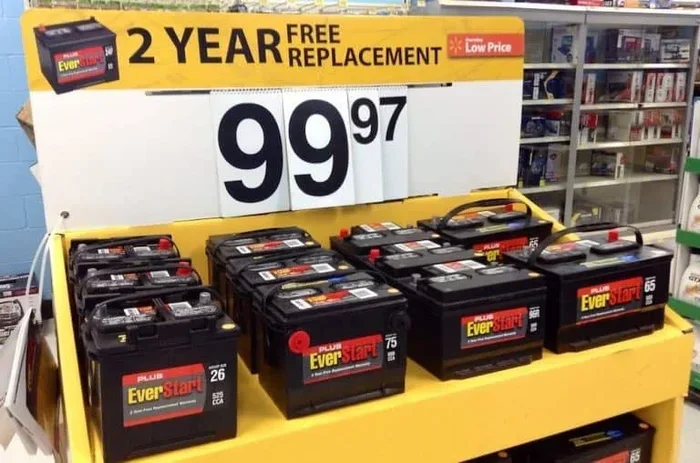
- Old or failing battery — A weak car battery can cause multiple electrical warnings to pop up on the dashboard.
- Oil pressure drop — Low oil levels or old oil can trigger the oil pressure warning light.
- Overheating engine — If the coolant level is low or the radiator is not working properly, the temperature light comes on.
- Worn brake pads — The brake warning light often appears when pad material gets thin.
- Sensor malfunction — Sometimes sensors themselves fail and send false readings to the computer.
### The Role of Your Car’s Computer System
Every modern vehicle has an Engine Control Unit, or ECU. This small computer processes data from dozens of sensors. When it receives an abnormal reading, it stores a diagnostic fault code. That code is what mechanics read when they plug in a scanner. But you can also read these codes yourself with the right tool.
The ECU does not just turn lights on randomly. Each code corresponds to a specific problem area. For example, a P0441 code relates to an EVAP system issue, while a P0301 code points to a misfire in cylinder one. Knowing this helps you understand whether a quick car diagnostic at home makes sense before you reset anything.
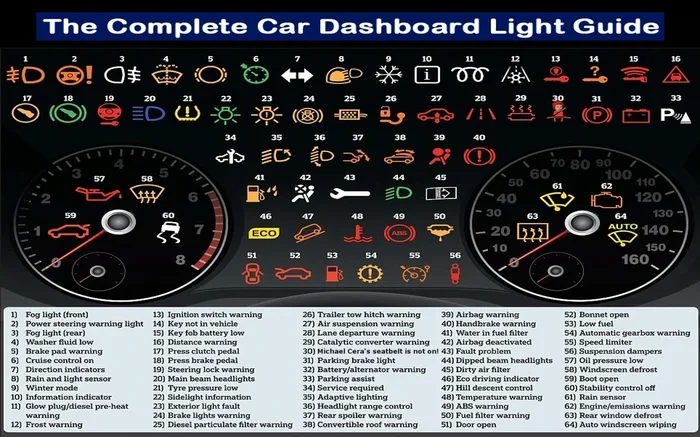
## Common Car Warning Lights Explained
Before you learn how to reset lights, you need to know what they mean. Not all warning lights are equal. Some demand immediate action, while others are minor. Here is a breakdown of the most common dashboard symbols you will encounter.
### Check Engine Light
The check engine light is the most well-known and most misunderstood warning light. It looks like an engine silhouette or the words “CHECK ENGINE.” This light can mean anything from a loose gas cap to a serious engine misfire. The key is to read the fault code before deciding whether to reset warning lights on a car or get repairs done first.
### Tire Pressure Monitoring System (TPMS) Light
The TPMS light looks like a horseshoe shape with an exclamation point in the center. It illuminates when one or more tires are underinflated. If you recently filled your tires with air, this light often stays on until you manually reset TPMS. Many drivers do not know this simple step and end up driving around with a permanently lit dashboard light.
### Oil Pressure Warning
This light looks like an oil can dripping oil. If it comes on, pull over safely and check your oil level immediately. Driving with low oil can cause severe engine damage. Do not reset this light until you have confirmed your oil level is correct.
### Battery or Charging Warning
A battery-shaped light means there is an issue with your charging system. This could be a dying battery, a faulty alternator, or a loose connection. If you have a low battery key fob, it can sometimes cause electrical gremlins that trigger this light indirectly.
### Brake Warning Light
The brake light can mean your parking brake is engaged, or it could signal low brake fluid or worn brake pads. Always check your parking brake first before assuming the worst.
## How to Reset Warning Lights on a Car
Now for the part you have been waiting for. There are several methods to reset warning lights on a car, and they range from super simple to slightly more technical. Let us go through each one step by step.
### Method 1: Use an OBD-II Scanner
An OBD-II scanner is the most reliable and professional way to reset warning lights. These devices plug directly into your car’s diagnostic port, which is usually located under the steering column.
Here is how to do it:
- Locate your car’s OBD-II port. It is almost always under the dash on the driver’s side.
- Plug the scanner into the port.
- Turn the ignition to the “ON” position (do not start the engine).
- Follow the scanner’s prompts to read any stored fault codes.
- Note down the codes so you can research what they mean later.
- Select the option to clear or erase the codes.
- The scanner will reset the warning lights.
- Start the engine and verify the lights are off.
OBD-II scanners range from basic models under $30 to advanced wireless versions over $200. For most drivers, a mid-range Bluetooth scanner works perfectly. You can even read codes and reset lights from your phone using a companion app.
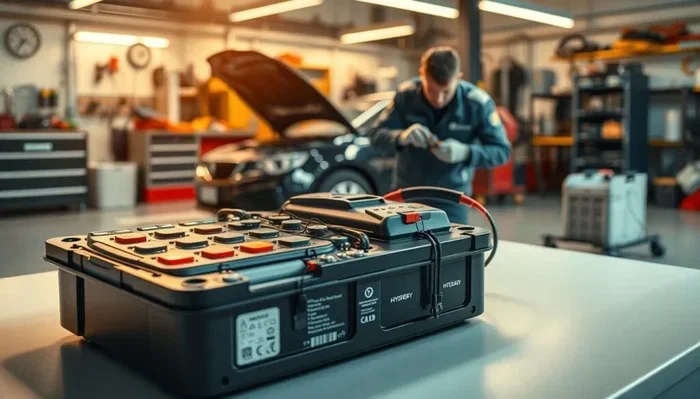
### Method 2: Disconnect the Car Battery
This is the old-school method, and it works on most vehicles. By disconnecting the battery, you reset the car’s computer and clear stored fault codes.
Here is what to do:
- Turn off the engine and remove the key from the ignition.
- Open the hood and locate the battery.
- Using a wrench, disconnect the negative (black) cable first.
- Wait at least 15 minutes. This allows the computer to fully reset.
- Reconnect the negative cable and tighten it securely.
- Start the engine and check if the warning lights are off.
One thing to keep in mind: disconnecting the battery may also reset your radio presets, clock, and other personalized settings. Some vehicles may also need to relearn idle patterns after a battery disconnect. If you are concerned about these side effects, the OBD scanner method is a better choice.
### Method 3: Turn the Ignition On and Off Three Times
This trick works on many older vehicles and some newer ones too. It is sometimes called the “key cycling” method.
- Sit in the driver’s seat with the engine off.
- Turn the ignition key to the “ON” position (do not start the engine).
- Wait about 10 seconds.
- Turn the key back to the “OFF” position.
- Repeat this cycle three times total.
- On the third cycle, the car’s computer should reset and clear minor fault codes.
This method is not guaranteed to work on every vehicle, but it is worth trying before investing in a scanner. It is especially effective for temporary sensor glitches that triggered a light.
### Method 4: Press and Hold the Reset Button
Many cars have a small reset button somewhere in the cabin. Common locations include the dashboard area near the speedometer, the steering column area, or the glove box.
With the ignition in the “ON” position, press and hold the reset button for about 10 to 15 seconds. Release it and wait for the dashboard lights to cycle. This method is commonly used for resetting the maintenance light and sometimes the TPMS light.
### When Should You NOT Reset a Warning Light?
This is critical information. Resetting warning lights on a car is not always the right move. You should never reset a light if:
- The light is flashing — a flashing check engine light means a serious problem that needs immediate attention.
- You notice unusual noises, smoke, or performance issues — these are signs of active damage.
- The oil pressure light is on — driving without proper oil pressure can destroy your engine.
- The brake warning light is illuminated — brake issues are safety-critical and should never be ignored.
- The temperature gauge is in the red — an overheating engine can suffer catastrophic failure within minutes.
Always diagnose the problem first. Use your scanner to read the fault code. If the code points to something serious, take your car to a trusted mechanic before resetting anything.
## Tools You Need for Resetting Warning Lights
You do not need a garage full of equipment to reset most warning lights. Here is a list of the essential tools that make the job easy.
### OBD-II Scanner
This is the single most important tool for any car owner. A basic OBD-II scanner costs between $20 and $60 and plugs into your car’s diagnostic port. Advanced Bluetooth scanners let you view codes on your smartphone. Popular brands include Autel, BlueDriver, and Innova.
If you want to learn more about related car maintenance tasks, check out our guide on checking transmission fluid while running — it is a simple maintenance step that prevents many warning lights from appearing.
### Basic Hand Tools
A set of wrenches, a screwdriver, and some pliers go a long way. You may need to tighten a loose gas cap or disconnect a battery cable. Having these tools in your trunk means you are always prepared.
### A Good Battery Charger
If you disconnect your battery to reset lights, having a battery charger on hand helps. You do not want to return to a car with a dead battery because you left something plugged in overnight. A trickle charger or a portable jump starter is a smart investment.
## Tips to Prevent Warning Lights From Coming Back
Resetting a warning light feels great, but the best strategy is to prevent them from appearing in the first place. Here are some practical tips to keep your dashboard clean and your car running smoothly.
### Follow Your Maintenance Schedule
Every car comes with a recommended maintenance schedule. This includes oil changes, tire rotations, brake inspections, and fluid flushes. Staying on top of these services prevents many warning lights from triggering. If you ignore regular maintenance, your car will eventually let you know — usually with a bright dashboard light.
### Check Fluid Levels Regularly
Make it a habit to check your oil, coolant, brake fluid, and windshield washer fluid once a month. Low fluid levels are one of the top reasons warning lights activate. A five-minute check can save you from a costly repair down the road.
### Keep Your Gas Cap Tight
This sounds too simple to matter, but a loose gas cap is the leading cause of the check engine light. After every fill-up, make sure you hear the cap click at least three times. If your gas cap is cracked or worn, replace it immediately. A new cap costs less than $20 and solves countless warning light issues.
### Monitor Tire Pressure Monthly
Tire pressure changes with the seasons. Cold weather causes pressure to drop, which can trigger your TPMS light. Check your tire pressure at least once a month and keep a portable air compressor in your garage. If you need to reset your TPMS after filling your tires, refer to our article on whether you need to reset TPMS after filling air for a detailed walkthrough.
### Address Small Issues Immediately
Do not ignore small problems. A minor rattling sound, a slight pull to one side, or a faint burning smell can signal bigger issues developing. The sooner you address small problems, the less likely they are to trigger warning lights and expensive repairs.
### Keep Your Key Fob Battery Fresh
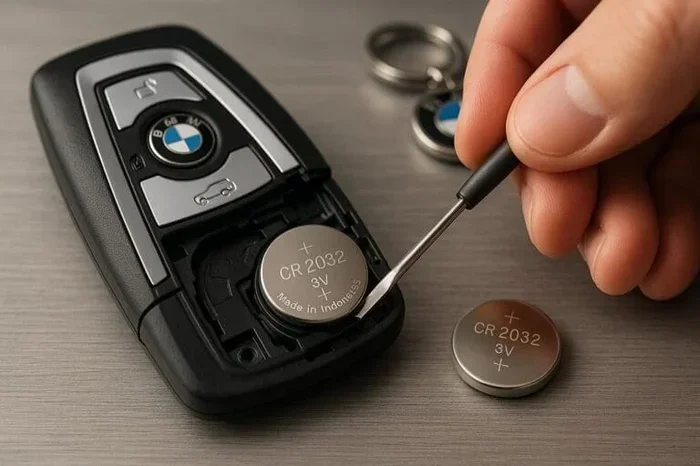
A dying key fob battery can sometimes cause electrical quirks that trigger dashboard warnings. If you notice your key fob is not working as well as it used to, replace the battery promptly. For more on this topic, read our article on what to do after replacing a key fob battery to make sure you cover all the steps properly.
## When to See a Professional Mechanic
There are times when resetting a warning light is not enough, and you need professional help. Here are clear signs that it is time to visit a mechanic:
- The check engine light returns within a few days of resetting it — this means the underlying problem is still present.
- Multiple warning lights come on at the same time — this often indicates a serious electrical or system-wide issue.
- Your car is running rough, stalling, or losing power — these symptoms suggest engine or transmission problems.
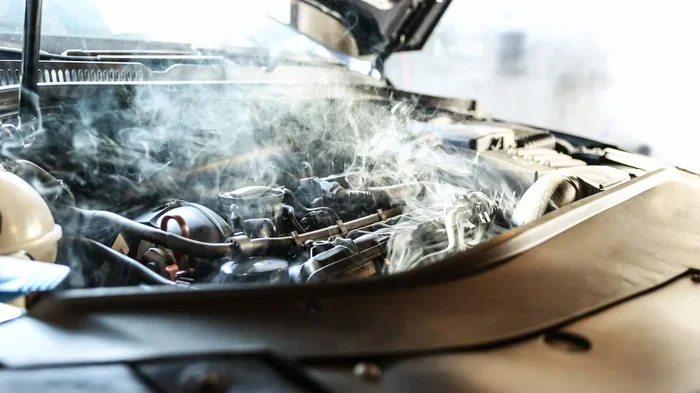
- You see smoke or steam coming from under the hood — pull over safely and call for roadside assistance.
- A warning light is flashing rather than solid — flashing lights almost always indicate urgent problems.
A professional mechanic has access to advanced diagnostic equipment and years of training. They can identify problems that a basic OBD scanner might not fully explain. Sometimes paying for a diagnostic fee is worth it to avoid a much larger repair bill later.
## How Resetting Warning Lights Saves You Money
Let’s talk numbers. A typical diagnostic visit to a mechanic costs between $75 and $150 just to read the codes. If the issue is something simple like a loose gas cap or a low tire, you could have fixed it yourself for free or just a few dollars. By learning to reset warning lights on a car at home, you eliminate unnecessary shop visits and take control of your maintenance budget.
Over the course of a year, drivers who handle basic resets and diagnostics themselves can save $300 to $500 or more. That money goes toward actual repairs when they are needed, not toward diagnostic fees for problems that turned out to be minor.
## Common Mistakes People Make When Resetting Warning Lights
Avoid these common pitfalls to get the best results from your reset attempts:
- Resetting without diagnosing first — Always read the fault code before clearing anything. You might be masking a real problem.
- Using the wrong scanner — Make sure your OBD-II scanner is compatible with your vehicle’s make and model.
- Disconnecting the battery incorrectly — Always disconnect the negative cable first to avoid short circuits.
- Ignoring returning lights — If a light comes back after resetting, there is a persistent problem that needs fixing.
- Resetting while driving — Always turn off the engine before attempting any reset procedure.
## Expert Insight
Experienced mechanics agree that the check engine light is the most overreaction trigger in all of automotive care. According to industry data, roughly 10% of check engine light visits to repair shops result in no actual repair being needed. The light was triggered by something minor like a loose gas cap or a temporary sensor glitch. Learning to read codes and reset lights responsibly gives you the confidence to distinguish between “pull over immediately” situations and “fill up your gas tank and see if it goes away” situations.
The key is to treat your dashboard as a communication tool, not an alarm system that demands panic. Each light is trying to tell you something. Your job is to listen, diagnose, and respond appropriately.
## Key Takeaways
Key Takeaways
- Most warning lights can be reset at home with basic tools like an OBD scanner or by disconnecting the battery.
- Understanding what each dashboard symbol means helps you decide whether to reset immediately or seek repairs first.
- Resetting too early can hide serious problems, so always diagnose the root cause before clearing any light.
- A low battery key fob can trigger electrical warnings, so checking your fob battery is a quick first step.
- Resetting the TPMS after filling air is one of the most common and easiest resets drivers perform at home.
- Regular car maintenance prevents most warning lights from appearing in the first place.
Key Takeaways
- Most warning lights can be reset at home using an OBD-II scanner, battery disconnect, or key cycling method.
- Always read fault codes before resetting to make sure you are not hiding a serious problem.
- Never reset flashing warning lights or lights accompanied by smoke, noise, or performance loss.
- Regular maintenance prevents most warning lights from appearing in the first place.
- A low battery key fob can cause electrical issues that trigger false dashboard warnings.
- Resetting TPMS after filling tires is one of the simplest and most common resets drivers perform.
- Investing in an OBD-II scanner pays for itself quickly by eliminating unnecessary mechanic visits.
## Frequently Asked Questions
Can I drive my car with a warning light on?
It depends on the light. A solid check engine light usually means you can drive carefully to a repair shop. But a flashing check engine light, oil pressure light, or temperature warning light means you should pull over immediately. Always assess the severity of the symbol before deciding to keep driving.
How much does an OBD-II scanner cost?
Basic OBD-II scanners start at around $20 and work perfectly for most drivers. Mid-range Bluetooth scanners cost between $50 and $100 and let you read codes on your phone. Professional-grade scanners can cost several hundred dollars, but they are usually overkill for home use.
Will resetting a warning light fix the underlying problem?
No. Resetting only clears the light and the stored code. If the actual problem is not fixed, the light will come back. Always diagnose and repair the root cause before clearing any warning light. Otherwise, you are just hiding the symptom, not treating the disease.
How do I know if a warning light is serious?
Color and behavior tell you a lot. Red lights usually mean stop immediately. Yellow or orange lights suggest a less urgent issue. Flashing lights are almost always serious. If you are unsure, it is always safer to pull over and check or call for roadside assistance.
Can a low battery key fob trigger a car warning light?
Yes, in some cases. A weak key fob battery can cause communication errors between the fob and the car’s computer. This can sometimes trigger electrical or security-related warning lights. Replacing your key fob battery is a quick and easy first step if you notice unexplained dashboard warnings.
How often should I check my car’s fluid levels?
Once a month is a good habit. Check your oil, coolant, brake fluid, and transmission fluid regularly. Catching low fluid levels early prevents warning lights and protects your car’s critical systems from damage.
## Conclusion
Resetting warning lights on a car is one of the most empowering skills a driver can learn. It saves money, builds confidence, and helps you understand your vehicle better. With the right tools and a little knowledge, you can handle most dashboard warnings without ever leaving your driveway.
The key is to approach warning lights with curiosity, not panic. Read the codes, diagnose the issue, and only reset the light once you are confident the problem is resolved. Follow the maintenance tips in this guide, keep your fluids topped off, and your tires properly inflated, and you will see far fewer warning lights in the future.
Take control of your car’s health today. Grab an OBD-II scanner, learn your dashboard symbols, and start saving money on unnecessary mechanic visits. Your wallet — and your car — will thank you.
Frequently Asked Questions
What is How Do You Reset Warning Lights on a Car?
How Do You Reset Warning Lights on a Car is an important topic with many practical applications.