What Kills a Key Fob Battery and How to Replace It Fast
What kills a key fob battery is usually cold weather, frequent button presses, or simply age. This guide walks you through the top causes of key fob battery death and shows you how to replace it fast in just a few minutes. You will also learn the warning signs, the right battery type, and easy tips to make your remote last longer.
Key Takeaways
- Cold weather and frequent use are the two biggest killers of key fob batteries.
- Signs of a dying battery include reduced signal range, intermittent working, and needing to press buttons harder.
- Replacing the battery takes under 5 minutes with just a small flathead screwdriver and a new CR2032 cell.
- Simple habits like keeping the remote away from metal objects can double your battery life.
- Dealerships sometimes replace the battery for free, so it is always worth asking before you DIY.
- A low key fob battery will not drain your car battery, but it can cause frustrating starting issues.
- Always reset your key fob after a battery swap to restore full functionality.
📑 Table of Contents
- What Kills a Key Fob Battery and How to Replace It Fast
- What Exactly Kills a Key Fob Battery?
- How to Replace a Key Fob Battery in Under 5 Minutes
- Can a Low Key Fob Battery Drain Your Car Battery?
- How to Make Your Key Fob Battery Last Longer
- When to See a Professional
- Key Fob Battery Replacement: Quick Reference
- Final Thoughts
What Kills a Key Fob Battery and How to Replace It Fast
You are walking to your car on a cold morning. You press the button on your key fob. Nothing happens. You press it again. Still nothing. That sinking feeling hits fast.
A dead key fob battery is one of the most common and frustrating problems car owners face. It happens to everyone at some point. The good news? You can fix it yourself in just a few minutes. No mechanic needed. No expensive shop visit required.
In this article, we will cover exactly what kills a key fob battery, how to spot the warning signs before it dies completely, and the fastest way to swap in a new one. We will also share practical tips to help your replacement battery last as long as possible. Whether you drive a Toyota, a Honda, or any other push-button-start vehicle, this guide has you covered.
Let us get into it. Your remote should be working again before you finish reading.
Why Do Key Fob Batteries Die So Quickly?
Understanding what kills a key fob battery starts with knowing how these small remotes work. A key fob sends a low-energy radio signal to your car. Every time you press a button, the battery powers up a tiny circuit and broadcasts that signal. Over time, this constant use wears the battery down.
But usage is only part of the story. Several other factors speed up battery death. Let us break them down.
Cold Weather Is the Biggest Enemy
If you live in a cold climate, you already know this problem well. Low temperatures reduce the chemical reaction inside the battery. That means less power reaches your fob when you need it most. In freezing weather, a battery that normally lasts two years might give out in just a few months.
Cold mornings make the problem even worse. Your fob sits in the frigid air overnight. By the time you reach for it, the battery is already struggling. This is why many people notice their key fob not working only during winter. The battery is not dead. It is just too cold to perform.
Quick Tip: Keep your fob in an inside pocket close to your body. Your body heat keeps the battery warm and ready to go. This simple habit can noticeably extend battery life during cold months.
Frequent Button Presses Wear Out the Battery Faster
Every press counts. If you use your remote starter every single day, your battery works harder than someone who only unlocks the car once a week. Key fob battery life depends heavily on how often you use it.
Some habits drain the battery without you realizing it. Pressing the unlock button repeatedly when the fob is far away wastes power. The fob keeps searching for a signal that never reaches the car. That extra effort burns through the battery quickly.
Another common habit is keeping the fob near other electronic devices. Phones, laptops, and even other remotes can interfere with the signal. The fob works harder to push through that interference, which shortens battery life.
Age and Quality Matter
Not all batteries are created equal. Cheap off-brand batteries might save you a dollar or two, but they often die faster. A quality CR2032 battery from a trusted brand will last much longer and perform more reliably.
The age of the fob itself also plays a role. Older remotes have less efficient circuitry. They draw more power from the battery with each press. If your fob is more than five years old, expect to replace the battery more often.
Quick Tip: Always buy fresh batteries from a reputable brand. Check the expiration date on the package. A battery sitting on a shelf for two years might not last you six months inside your fob.
Common Signs Your Key Fob Battery Is Dying
You do not always get a warning that your key fob battery is about to die. But most remotes give you subtle clues. Learning to recognize these signs saves you from getting stranded at the worst possible moment.
Here are the most common warning signs to watch for:
- Reduced signal range. You have to stand right next to the car for the fob to work. A healthy fob should unlock your car from 20 to 30 feet away.
- Intermittent working. The fob works sometimes but not others. This inconsistency is a classic sign of a weakening battery.
- You need to press harder. The buttons feel stiffer or require more force to register. This means the battery is losing voltage.
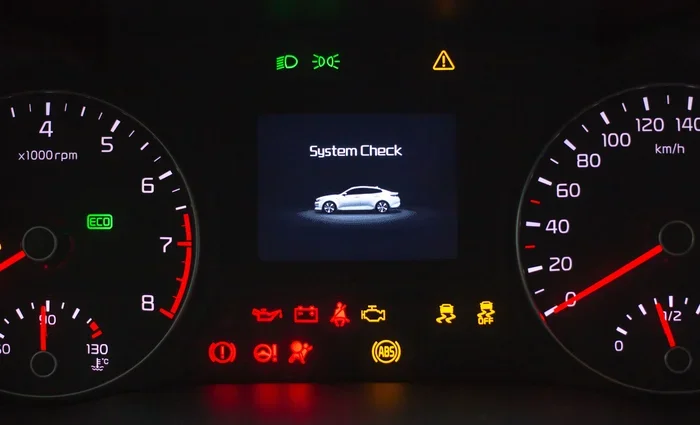
- Dashboard warning light. Many newer cars display a key fob battery low message on the instrument cluster. Do not ignore this warning.
- Slow response time. There is a noticeable delay between pressing the button and the car responding.
- Remote start fails. If your push-button-start car will not start remotely, a dead fob battery is often the culprit.
If you notice any of these signs, do not wait. Swap the battery right away. Waiting too long can leave you stuck with a completely dead remote.
What Exactly Kills a Key Fob Battery?
Now that you know the warning signs, let us look at the specific causes. Understanding what kills a key fob battery helps you prevent premature failure.
1. Exposure to Moisture and Humidity
Water is the enemy of electronics. Even small amounts of moisture can corrode the battery contacts inside your fob. Over time, this corrosion creates resistance. The battery has to work harder to push power through the damaged contacts. That extra effort drains the battery faster.
Some people carry their fobs in pockets while doing dishes or working out. Sweat and humidity can seep in. Rain is another common cause. If your fob gets wet, dry it off immediately and leave it out overnight to air dry completely.
2. Storing the Fob Near Metal Objects
Keys, coins, and other metal objects can short-circuit your fob. When the fob rubs against metal in your pocket or bag, it can accidentally activate. This means the battery drains even when you are not using the remote.
Quick Tip: Store your fob in a small fabric pouch or a dedicated pocket. Keeping it separate from keys and coins prevents accidental signal loss and extends battery life significantly.
3. Using the Wrong Battery Type
This is a surprisingly common mistake. Not every fob uses the same battery. Some require a CR2032, while others need a CR2025 or CR1632. Using the wrong size or type means the battery might not fit properly or deliver the correct voltage.
Using a battery with the wrong voltage can damage the fob’s internal circuitry. Always check your owner’s manual or look up the correct battery type for your specific vehicle model before you make a swap.
4. Extreme Heat
People worry about cold weather, but extreme heat is just as damaging. Leaving your fob on the dashboard in direct sunlight exposes it to temperatures that can exceed 150 degrees Fahrenheit. That kind of heat degrades the battery chemicals and shortens its lifespan.
Quick Tip: Never leave your fob sitting on the dashboard or seat in direct sun. Keep it in the glove box or a shaded pocket when the car is parked outside on hot days.
5. A Fob That Is Too Old
Even with perfect care, every fob has a lifespan. The internal circuitry wears out over time. Old fobs draw more power than newer ones because their components are less efficient. If you have had the same fob for many years, a new battery might only buy you a few more months.
In that case, it might be time to replace the entire fob. Many dealerships and locksmiths can program a new one for you. Some people wonder whether they can handle this themselves. Replacing a key fob cover is something you can do at home, but full fob replacement usually requires professional programming.
How to Replace a Key Fob Battery in Under 5 Minutes
Replacing your key fob battery is one of the easiest car maintenance tasks you will ever do. You do not need any special tools or mechanical skills. Here is exactly how to do it fast.
Step 1: Get the Right Battery
Most key fobs use a CR2032 battery. This is a common 3-volt coin cell battery. You can find them at any grocery store, pharmacy, or auto parts shop for about $3 to $5. Make sure you buy the right size for your vehicle. Some models use CR2025 or other variants.
Check your owner’s manual or look up your specific model online before you buy. Using the correct battery ensures a perfect fit and reliable performance.
Step 2: Open the Fob Casing
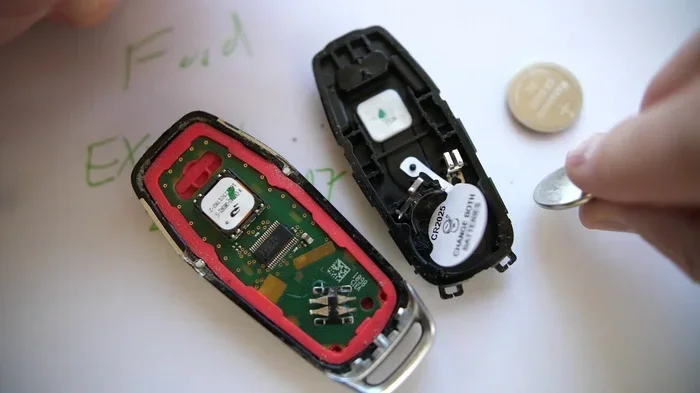
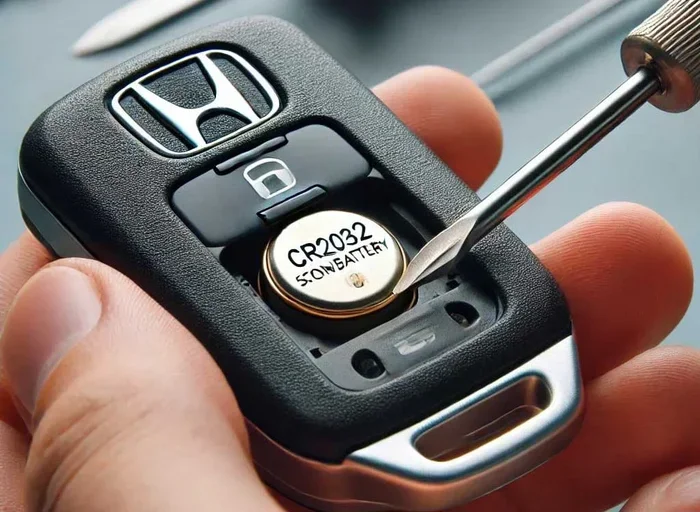
Most key fobs have a small seam where the two halves meet. Use a small flathead screwdriver to gently pry them apart. Work slowly around the edge. Do not use too much force. You do not want to crack the plastic.
Some fobs have a small release button or sliding latch. Check the back of your fob for any visible opening mechanism. If you are unsure, a quick search online for your specific model will show you the exact opening method.
Step 3: Remove the Old Battery
Once the fob is open, you will see the old battery sitting in a small compartment. Note which side is facing up. Use a toothpick or the tip of a pen to gently push the battery out. Do not use metal tools that could scratch the contacts inside the fob.
Dispose of the old battery properly. Most recycling centers accept coin cell batteries. Do not throw them in the regular trash.
Step 4: Insert the New Battery
Take your fresh CR2032 battery and place it in the compartment with the positive side facing up. The positive side is usually marked with a “+” sign and has a smooth, shiny surface. The negative side has a slight rim around the edge.
Make sure the battery sits flat and secure. It should not wobble or feel loose. A snug fit ensures good electrical contact and reliable signal strength.
Step 5: Snap the Fob Back Together
Align the two halves of the fob and press them together firmly. You should hear a slight click when the two halves lock into place. Make sure there are no gaps or loose spots.
Now test your fob. Stand near your car and press the unlock button. If the doors respond immediately, you are all set. If nothing happens, double-check that the battery is seated correctly and the positive side is facing up.
Important: After replacing the battery, you may need to reset your key fob to restore full functionality. This is especially common with push-button-start vehicles. The reset process is usually simple and takes just a few seconds.
What to Do After Replacing Your Key Fob Battery
Once you have swapped in the new battery, there are a few things you should do to make sure everything works perfectly. First, test all the buttons. Unlock, lock, trunk release, and remote start if your vehicle has that feature. Make sure every function responds as expected.
Next, check the signal range. Walk about 20 feet away from the car and try unlocking it. If the range feels weak, the battery might not be seated properly. Open the fob again and reseat the battery.
Finally, if your car has a key fob battery low dashboard warning, that message should clear up within a few minutes of the new battery being installed. If it does not, try cycling the ignition off and back on. If the warning persists, you may need to perform additional steps after replacing the battery specific to your vehicle model.
Can a Low Key Fob Battery Drain Your Car Battery?
This is one of the most common questions people ask. The short answer is no. A low or dead key fob battery will not drain your car battery. The fob and the car battery are completely separate systems.
However, a weak fob battery can cause problems that feel like a car battery issue. If your fob cannot send a strong enough signal, the car might not recognize it when you press the start button. You might think the car is not starting because of a dead car battery, but the real problem is the fob.
Some people also worry that leaving a fob with a dying battery near the car overnight could cause parasitic drain. This is not something you need to lose sleep over. The fob’s power draw is far too small to affect your car battery in any meaningful way.
For more details on this topic, you can read our article on whether a low battery key fob can drain a car battery. It covers this topic in depth and should clear up any remaining concerns.
How to Make Your Key Fob Battery Last Longer
You have invested in a new battery. Now you want to make it last as long as possible. Here are some simple habits that can significantly extend your key fob battery life.
- Avoid extreme temperatures. Keep your fob out of direct sunlight and away from freezing conditions. A temperature-controlled environment is best.
- Do not press buttons unnecessarily. Only press the buttons when you actually need to. Every press uses a small amount of battery power.
- Store the fob separately from other keys. Metal keys and coins can cause friction and accidental activation. A small fabric pouch helps.
- Keep contacts clean. Over time, dust and grime can build up on the battery contacts. A quick wipe with a dry cloth keeps things working smoothly.
- Buy quality batteries. Name-brand batteries from reputable manufacturers consistently outperform cheap alternatives. The small extra cost is worth the longer life.
- Replace the battery proactively. Do not wait until the fob stops working. Swap the battery at the first sign of weakness. This prevents you from getting stranded.
Following these tips consistently can add months or even years to your battery life. It is a small effort with a big payoff.
When to See a Professional
Most key fob battery replacements are simple DIY jobs. But sometimes, professional help is the right move. Here are situations where you should consider seeing a mechanic or visiting your dealership.
If you have replaced the battery and the fob still does not work, there might be a deeper issue. The internal circuitry could be damaged. The battery contacts might be corroded beyond what a simple cleaning can fix. In these cases, a professional can diagnose the problem and recommend the right solution.
Some people also prefer to have the dealership handle the replacement. Do dealerships replace key fob batteries for free? In many cases, the answer is yes. Dealerships often do this as a complimentary service, especially if your car is still under warranty. It is always worth asking before you buy a battery and do it yourself.
If your fob is physically damaged — cracked, water-damaged, or broken — a new battery will not fix it. You will need a replacement fob. A dealership or locksmith can help you find the right one and get it programmed to your vehicle.
Key Fob Battery Replacement: Quick Reference
Here is a quick at-a-glance reference for the most common key fob battery types and how long they typically last:
- CR2032 — Most common. Lasts 2 to 4 years. Used in Toyota, Honda, Ford, and many other brands.
- CR2025 — Slightly thinner than CR2032. Lasts 2 to 3 years. Common in some Honda and Hyundai models.
- CR1632 — Smaller and less common. Lasts 1 to 3 years. Found in some older BMW and Mercedes fobs.
- CR2016 — Even thinner. Lasts 1 to 2 years. Rare, but found in some compact fobs.
Always confirm the correct battery type for your specific vehicle before purchasing. Using the wrong size can damage the fob or cause it to malfunction.
Expert Insight: When in doubt, check your vehicle’s owner manual. It will list the exact battery type and replacement procedure for your specific fob model. This is the most reliable source of information for your particular car.
Final Thoughts
Knowing what kills a key fob battery helps you prevent premature failure and stay ahead of the problem. Cold weather, frequent use, moisture, and old age are the main culprits. But with the right habits and a fresh battery swap, you can keep your remote working reliably for years.
Replacing the battery is fast, easy, and costs just a few dollars. You do not need to visit a dealership or pay for a mechanic. With the steps in this guide, you can handle the job yourself in under five minutes.
Keep spare batteries in your glove box. You never know when the old one will die. Being prepared means you never have to deal with a dead fob when you are rushing out the door.
Take care of your key fob, and it will take care of you. Your car is always ready to go — you just need to make sure the remote is working too.
Frequently Asked Questions
How long does a key fob battery usually last?
Most key fob batteries last between 2 and 4 years depending on usage and climate. Frequent use and exposure to extreme temperatures shorten that lifespan. Keeping spare batteries on hand is a smart habit.
Can I use a rechargeable battery in my key fob?
Most key fobs are designed for disposable batteries. Rechargeable coin cells have a slightly lower voltage and may not provide consistent signal strength. Stick with a standard CR2032 or the battery type recommended for your vehicle.
What battery does a Toyota key fob use?
Most Toyota key fobs use a CR2032 battery. Some older models may use a CR2025. Always check your owner’s manual or look up your specific model to confirm the correct battery type before purchasing.
Why does my key fob work sometimes but not others?
Intermittent operation is a classic sign of a weakening battery. The battery has just enough power to work under certain conditions but fails when the signal needs to be stronger. Replace the battery as soon as you notice this pattern.
Can I drive my car if my key fob battery dies?
Yes, most vehicles with push-button-start have a backup method. You can usually place the dead fob directly against the start button, and the car will read the passive chip inside. Consult your owner’s manual for the exact procedure for your model.
How much does it cost to replace a key fob battery?
A replacement battery costs between $3 and $5 at most stores. If you visit a dealership, they may do it for free. The entire process takes less than five minutes and requires no special tools or expertise.