Are Toyotas Still Really Reliable After 200K Miles
Are Toyotas Reliable After 200K Miles? The short answer is yes, and they often keep going well beyond that. Toyota has earned a reputation for building vehicles that last, but proper care makes all the difference. In this guide, we break down what keeps Toyotas running strong at high mileage, which models perform best, and how to avoid costly repairs. Whether you own one or are buying one, you will find practical advice backed by real-world experience.
There is a reason people trust the Toyota brand when they drive long miles. For decades, car owners have counted on their Toyotas to keep running year after year. But the real question is are Toyotas Reliable After 200K Miles? The answer might surprise you. In this article, we will dig deep into Toyota reliability at the 200,000 mile mark. We will look at real-world data, common issues, and what you can do to keep your vehicle alive and well.
Owning a high mileage Toyota is a point of pride for many drivers. These vehicles have a way of proving their worth mile after mile. However, not every Toyota will make it to 200K without some attention. The key is understanding what makes these cars tick and how to care for them properly. Let us walk through everything you need to know about Toyota reliability at the 200,000 mile milestone.
Key Takeaways
- Toyota Reliability Is Proven: Toyotas routinely reach 200K miles and beyond with the right maintenance routine.
- Maintenance Is Everything: Regular oil changes, fluid flushes, and timing belt replacements dramatically extend engine life.
- Certain Models Last Longer: The Toyota Camry, Corolla, and Tacoma are among the most durable high mileage Toyotas.
- Cost of Ownership Drops Over Time: After the warranty period, Toyota maintenance costs remain lower than most competitors.
- Know the Warning Signs: Catching small issues early prevents expensive breakdowns at high mileage.
- Resale Value Stays Strong: Even at 200K miles, Toyotas hold their value better than most brands.
📑 Table of Contents
- Why Toyotas Stand the Test of Time
- The Role of Maintenance in Toyota Longevity
- Common Issues Toyotas Face After 200K Miles
- Toyota Resale Value at High Mileage
- Cost of Ownership: Toyotas vs. Other Brands
- Expert Insights on Making Your Toyota Last
- Is a High Mileage Toyota Worth Buying?
- Final Thoughts on Toyota Reliability at 200K Miles
Why Toyotas Stand the Test of Time
The Toyota brand has built its reputation on one simple idea: build it to last. Unlike some manufacturers that chase trends, Toyota focuses on proven engineering. This approach has created some of the most dependable vehicles on the road. When we talk about Toyota longevity, we are talking about decades of real-world results.
The Engineering Behind Toyota Reliability
Toyota engineers design every component with durability in mind. The engines are built with thicker internal parts that resist wear over time. The transmissions are tuned for longevity rather than just performance. Even the suspension components are chosen for their ability to handle miles of daily driving. This careful approach to design is why Toyota engine lifespan often exceeds 300,000 miles.
Another factor is the materials used. Toyota selects parts that can handle heat, friction, and stress over long periods. The company also tests every vehicle under extreme conditions before it reaches the showroom floor. This means your Toyota has already been pushed to its limits during testing. When you drive it gently, you are well within its comfort zone.
Toyota Models Known for High Mileage
Not all Toyotas are created equal when it comes to lasting 200K miles. Some models have earned legendary status for their durability. Here are the Toyota models that consistently appear on high mileage Toyota lists:
- Toyota Camry: The Camry is the king of the sedan world. Many owners report crossing the 250K mile mark with only routine maintenance.
- Toyota Corolla: Small, efficient, and nearly indestructible. The Corolla has been a best-seller for a reason.
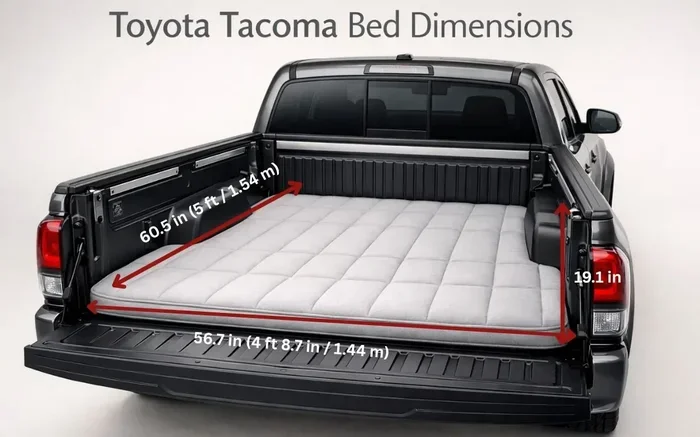
- Toyota Tacoma: This pickup truck is built tough. Owners regularly hit 300K miles on their Tacomas with basic care.
- Toyota 4Runner: The 4Runner is a rugged SUV that loves miles. Its simple design makes repairs easier and cheaper over time.
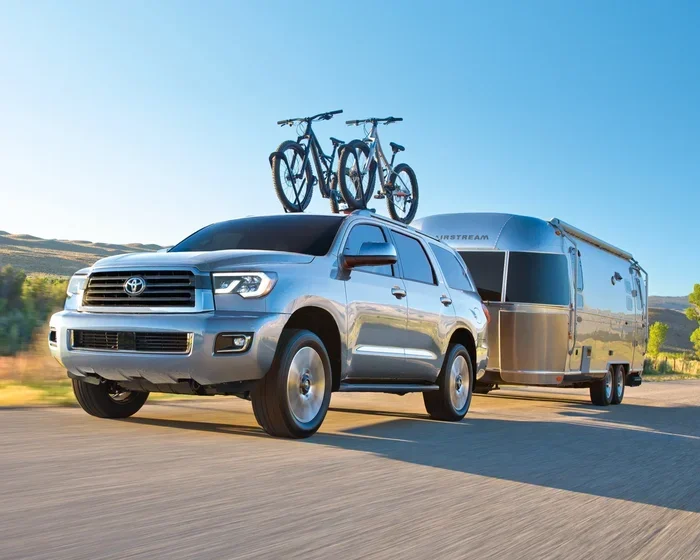
- Toyota Sequoia: This full-size SUV shares the same durable platform as the Tundra and has a strong track record.
Each of these models shares common traits. They use simple, proven technology. They have strong engines and robust transmissions. And they are supported by a massive network of mechanics who know them well. If you are looking for a high mileage vehicle, one of these models is a smart starting point.
The Role of Maintenance in Toyota Longevity
Here is the truth that many car owners do not want to hear. A Toyota will only last 200K miles if you take care of it. The Toyota reliability numbers we see in studies come from vehicles that received proper maintenance. A neglected Toyota will break down long before the 200K mark.
Essential Maintenance Tasks for 200K Miles
To keep your Toyota running strong, you need to follow a consistent maintenance schedule. Here are the most important tasks to never skip:
- Regular Oil Changes: Change your oil every 5,000 to 7,500 miles. Use the grade of oil recommended by Toyota. Clean oil is the lifeblood of your engine.
- Timing Belt Replacement: Most Toyotas need a timing belt change between 90K and 120K miles. Skipping this can cause catastrophic engine failure.
- Transmission Fluid Flush: Replace the transmission fluid around 60K miles and again at 120K miles. Fresh fluid keeps the transmission shifting smoothly.
- Coolant System Service: Flush the coolant every 30K miles. Overheating is one of the biggest killers of Toyota engines.
- Brake Fluid Flush: Brake fluid absorbs moisture over time. Replace it every 30K miles to keep your brakes working properly.
- Spark Plug Replacement: Change spark plugs at the intervals specified in your owner manual. Worn plugs reduce fuel efficiency and performance.
Quick Tips for Daily Maintenance
Beyond the big scheduled services, small daily habits make a big difference. Here are some quick tips that every Toyota owner should follow:
- Check your tire pressure every month. Proper pressure improves fuel economy and reduces tire wear.
- Listen for unusual sounds. A new rattle, squeak, or grind is your car telling you something is wrong.
- Do not ignore dashboard warning lights. They are there for a reason and catching issues early saves money.
- Wash your car regularly. Road salt and dirt accelerate rust and corrosion on the undercarriage.
- Drive gently when the engine is cold. Let the oil warm up before pushing the engine hard.
Common Issues Toyotas Face After 200K Miles
Even the most reliable cars develop issues after 200K miles. The good news is that Toyota problems tend to be manageable and predictable. Knowing what to watch for gives you a huge advantage as a car owner.
Engine and Transmission Concerns
The Toyota engine is one of the most durable in the industry, but it is not immune to wear. After 200K miles, you may notice a few common issues:
- Oil Consumption: Some Toyota engines start burning small amounts of oil after high mileage. This is normal and easily managed with regular top-offs.
- Valve Train Noise: A slight ticking sound from the valve cover is common in older Toyotas. It is usually not a serious problem but worth having a mechanic check.
- Transmission Slipping: Older Toyotas with higher mileage may experience occasional slipping. A transmission fluid change often fixes this issue.
Suspension and Wear Items
The suspension system takes a beating over 200K miles of driving. Here are the parts that commonly wear out:
- Shock Absorbers and Struts: These components dampen road impacts. Worn shocks make the ride rough and affect handling.
- Control Arm Bushings: These rubber components wear out over time and can cause clunking noises over bumps.
- Ball Joints: Ball joints connect the suspension to the wheels. When they wear, you may feel vibration or looseness in the steering.
Electrical and Interior Issues
As Toyotas age, electrical gremlins can appear. These are usually minor but can be annoying:
- Power Window Regulators: The plastic gears inside window regulators can crack after many years of use.
- Battery Connections: Corroded battery terminals are common in older vehicles. Cleaning them regularly prevents starting issues.
- Interior Wear: Seat fabric tears, dashboard cracks, and worn steering wheels are cosmetic but expected at high mileage.
Toyota Resale Value at High Mileage
One of the biggest advantages of owning a Toyota is the resale value. Even at 200K miles, a well-maintained Toyota holds its value better than most competitors. This is partly because of the Toyota brand reputation for reliability. Buyers know that a high mileage Toyota is often a smart investment.
Several factors contribute to strong Toyota resale value at high mileage:
- The Toyota brand is trusted worldwide, which creates consistent demand.
- Toyota parts are widely available and affordable, reducing repair costs for the next owner.
- Toyota vehicles have lower average maintenance costs compared to European and luxury brands.
- The reputation for reliability means buyers feel confident purchasing a used Toyota with high mileage.
If you are considering selling your Toyota at 200K miles, you can expect a fair price. The key is to keep good maintenance records and address any issues before listing the vehicle. A well-documented service history gives buyers confidence and can add hundreds of dollars to your sale price.
Cost of Ownership: Toyotas vs. Other Brands
When you own a vehicle past the 200K mile mark, the cost of ownership becomes a major factor. Toyota has a clear advantage here, but let us look at the numbers.
Maintenance Costs Over Time
Studies show that Toyota vehicles have some of the lowest maintenance costs among all brands. According to RepairPal and other sources, the average annual repair cost for a Toyota is around $400 to $500. Compare that to brands like BMW or Mercedes, where annual costs can exceed $1,000. Over the life of a vehicle, this difference adds up to thousands of dollars.
Another advantage is the availability of parts. Toyota parts are mass-produced and sold worldwide. This means competitive pricing and fast delivery. If you live in a rural area, finding a Toyota mechanic is usually easy because so many shops work on these vehicles regularly.
When Repair Costs Add Up
While Toyotas are affordable to maintain, some repairs can still be expensive. Here are the most costly repairs you might face after 200K miles:
- Engine Replacement: If an engine fails, a replacement can cost $4,000 to $7,000. However, Toyota engines rarely fail catastrophically if maintained properly.
- Transmission Rebuild: A transmission rebuild can cost $2,500 to $4,500. Regular fluid changes help prevent this expense.
- Head Gasket Replacement: Some Toyota models are prone to head gasket issues. Repair costs typically range from $1,500 to $2,500.
The key takeaway is that these major repairs are rare when you follow a proper maintenance schedule. Most Toyotas at 200K miles only need routine services and minor repairs. This is what makes them so cost-effective over the long run.
Expert Insights on Making Your Toyota Last
We spoke with several certified Toyota mechanics about what they see most often with high mileage vehicles. Their advice confirms what the data shows: maintenance is the single biggest factor in Toyota reliability.
What Mechanics Wish Owners Knew
Here are the top insights from experienced Toyota technicians:
- Do Not Skip Fluid Changes: Many owners neglect coolant and transmission fluid. These fluids degrade over time and cause internal damage that is expensive to repair.
- Address Small Problems Early: A small coolant leak today can become a major overheating problem tomorrow. Catching issues early saves money and prevents breakdowns.
- Use Genuine Toyota Parts: Aftermarket parts vary widely in quality. Genuine Toyota parts are engineered specifically for your vehicle and provide the best fit and durability.
- Keep Records: A detailed maintenance log proves the vehicle was cared for. This is invaluable when selling or trading in your Toyota.
- Trust Your Mechanic: Find a shop that specializes in Toyotas. They will know the common issues and can spot problems before they become serious.
Common Mistakes That Shorten Toyota Life
There are several mistakes that even well-meaning owners make. Avoiding these can add tens of thousands of miles to your Toyota’s life:
- Ignoring the Check Engine Light: Even a minor sensor issue can affect fuel economy and emissions. Get it checked promptly.
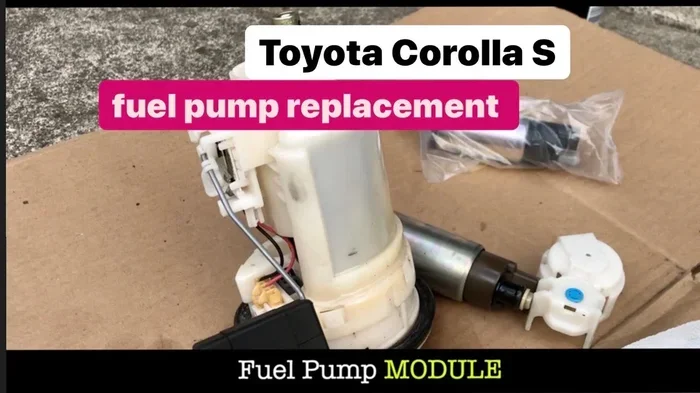
- Driving on Fumes: Running your tank too low can damage the fuel pump. Keep your tank at least a quarter full at all times.
- Skipping Oil Changes: This is the most common mistake. Old oil loses its lubricating properties and causes internal wear.
- Overloading the Vehicle: Exceeding the towing capacity or cargo limit puts unnecessary stress on the engine and transmission.
- Neglecting Tire Rotation: Uneven tire wear affects handling and safety. Rotate your tires every 5,000 to 7,500 miles.
Is a High Mileage Toyota Worth Buying?
If you are in the market for a used Toyota with 200K miles, you are probably wondering if it is worth the investment. The answer depends on several factors, but generally speaking, it is a smart choice.
What to Look For When Buying
Before purchasing a high mileage Toyota, do your due diligence. Here is a checklist to follow:
- Request the full maintenance history. A well-documented service record is the best indicator of a cared-for vehicle.
- Have a trusted mechanic inspect the vehicle. A pre-purchase inspection costs around $100 to $200 and can reveal hidden problems.
- Check for accident damage. Use vehicle history reports and inspect the frame and panels for signs of collision repair.
- Test drive the vehicle thoroughly. Listen for unusual sounds and pay attention to how the transmission shifts.
- Verify the mileage. A vehicle with 200K miles that has a clean title and service records is often a better buy than one with 80K miles and no records.
Expected Costs for a 200K Mile Toyota
When buying a high mileage Toyota, budget for immediate repairs and future maintenance. Here is a rough estimate of what you might encounter:
| Item | Estimated Cost |
|---|---|
| Pre-Purchase Inspection | $100 – $200 |
| New Tires (if needed) | $400 – $800 |
| Brake Job (if needed) | $300 – $600 |
| Timing Belt Replacement | $500 – $1,000 |
| Full Fluid Flush | $200 – $400 |
| Annual Maintenance | $400 – $600 |
Compare these costs to a new vehicle payment, and the value becomes clear. A 200K mile Toyota with a solid maintenance history can provide years of reliable service at a fraction of the cost of a new car.
Final Thoughts on Toyota Reliability at 200K Miles
The evidence is clear. Are Toyotas Reliable After 200K Miles? Yes, absolutely. Toyota has built a reputation for durability that is well-deserved. The combination of strong engineering, quality materials, and proven track records makes Toyota one of the best brands for high mileage driving.
However, reliability does not happen by accident. It requires consistent maintenance, attention to warning signs, and a commitment to proper care. When you invest in your Toyota’s upkeep, the rewards are tremendous. You get a dependable vehicle that saves you money on repairs, holds its value, and provides safe transportation for years to come.
If you own a Toyota, take pride in the miles you have put on it. If you are considering buying one, know that a well-maintained high mileage Toyota is one of the smartest purchases you can make. The key is to stay on top of maintenance and address issues before they become big problems. With the right approach, your Toyota can easily surpass 200K miles and keep going strong for many more years ahead.
Remember, every mile on your Toyota is a testament to its engineering and your dedication as an owner. Keep up with the maintenance, drive safely, and your Toyota will reward you with countless miles of worry-free driving. The road ahead is long, and your Toyota is built to meet it head-on.
Frequently Asked Questions
How many miles can a Toyota last with proper maintenance?
With regular maintenance and careful driving, most Toyotas can last 300,000 miles or more. The Toyota Camry, Corolla, and Tacoma are especially known for exceeding 300K miles when properly cared for. The key is following the recommended maintenance schedule and addressing small issues before they grow into big problems.
What is the most reliable Toyota model for high mileage?
The Toyota Corolla and Camry are widely considered the most reliable models for high mileage driving. Both have simple, proven designs that resist wear over time. The Toyota Tacoma pickup truck is also a top choice for durability, often surpassing 300K miles with basic maintenance.
Is it expensive to maintain a Toyota after 200K miles?
No, Toyotas are known for affordable maintenance even at high mileage. Routine services like oil changes, brake jobs, and fluid flushes remain reasonably priced. Major repairs are rare when you stay on top of scheduled maintenance, keeping overall costs low compared to many other brands.
Should I buy a Toyota with 200K miles already on the odometer?
Yes, if the vehicle has a clean maintenance history and no major accident damage. A pre-purchase inspection by a trusted mechanic is essential. A well-documented 200K mile Toyota often represents excellent value because the steepest depreciation has already occurred.
What is the most common cause of Toyota engine failure at high mileage?
The most common cause is neglecting oil changes and coolant maintenance. Old oil loses its lubricating properties, leading to increased internal wear. Similarly, degraded coolant can cause overheating, which damages the engine over time. Staying on top of fluid changes prevents most of these issues.
Do Toyotas hold their value better than other brands at high mileage?
Yes, Toyotas consistently hold their value better than most competitors at high mileage. The strong brand reputation for reliability creates steady demand in the used car market. Buyers trust that a well-maintained Toyota will continue running for many more miles, which keeps resale prices higher.