How Do You Know Your Oil Is Low And Why It Matters
Your engine relies on oil to reduce friction and prevent overheating, so how do you know your oil is low is a question every driver should answer quickly. Ignoring this can lead to costly repairs or even engine failure. In this guide, we break down the visual cues, warning lights, and simple checks that tell you your oil level is dropping. You’ll also learn why oil levels fall and what to do right away.
Your car’s engine is a complex machine with hundreds of moving parts. These parts spin, rub, and grind against each other thousands of times every minute. Without proper lubrication, that friction creates heat and wear. How do you know your oil is low becomes a critical safety question. Ignoring it can turn a simple fix into a blown engine.
Oil is the lifeblood of your vehicle. It reduces friction, cleans metal surfaces, and carries heat away. When the level drops, those jobs suffer. You might notice strange sounds, warning lights, or even a burning smell. Catching low oil early saves money and keeps you safe on the road.
In this guide, we walk you through every sign, every check, and every reason oil levels fall. You will learn how to inspect your dipstick, read your dashboard, and understand what the smells and sounds mean. We also cover the most common causes of oil loss and the steps to take right now. By the end, you will know exactly what to do to protect your engine.
Key Takeaways
- Check the dipstick regularly: This is the most reliable way to see your engine oil level at home.
- Watch for dashboard warnings: The oil pressure light or check engine light often signals low oil.
- Listen for engine noise: Knocking or ticking can mean your oil level is dangerously low.
- Low oil causes serious damage: Running on low oil can lead to overheating and engine seizure.
- Top up safely and often: Use the right oil type and check the level after topping off.
- Prevent leaks and burns: Regular maintenance catches oil loss before it becomes a big problem.
📑 Table of Contents
What Happens When Your Oil Level Drops
Engine oil does more than just lubricate. It cleans, cools, and seals. When the level drops, each of these jobs gets harder. Understanding the immediate effects helps you act fast.
The Role Of Engine Oil
Think of oil as a cushion between metal parts. The pistons, crankshaft, and camshaft all rely on a thin film of oil. Without it, metal touches metal. This creates heat and friction. Over time, the parts wear out or weld together.
Oil also carries dirt and debris to the oil filter. When the level is low, there is less oil to do this cleaning. Contaminants build up faster. This accelerates engine wear.
Immediate Symptoms Of Low Oil
Your car gives clear signals when oil drops. Here are the most common low oil symptoms to watch for:
- Oil pressure warning light: This is the most direct sign. It often looks like an oil can or says “OIL.”
- Knocking or ticking sounds: These noises come from parts rubbing without enough oil.
- Reduced engine performance: You might feel sluggishness or a lack of power.
- Burning smell: Oil can drip onto hot engine parts and smell burnt.
- Smoke from the exhaust: Blue or grey smoke often means oil is entering the combustion chamber.
If you see any of these, stop safely and check your oil. Driving with low oil can cause permanent damage.
Quick Tips
Check your oil when the engine is cool. Park on a flat surface. Wait at least five minutes after turning off the car. This lets the oil settle back into the pan for an accurate reading.
Common Mistakes
Many drivers check oil right after driving. The oil is hot and thin, and it coats the dipstick unevenly. This gives a false low reading. Another mistake is ignoring the oil pressure light. Treat it as a serious warning, not a suggestion.
How To Check Your Oil Level The Right Way
Knowing how to check your oil is a basic skill every driver should have. It takes less than two minutes and can prevent major repairs.
Using The Dipstick
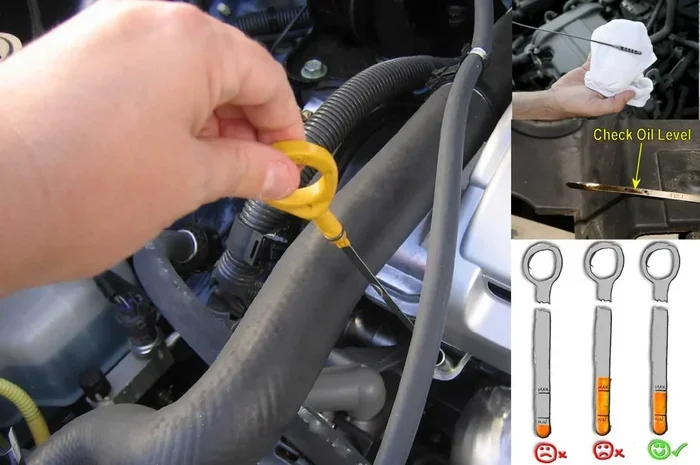
Most cars have a dipstick. Pop the hood and locate it. The handle is usually bright yellow or orange. Pull it out, wipe it clean with a rag, and reinsert it fully. Pull it out again and look at the oil level.
You will see markings on the dipstick. These are often two dots, two lines, or a crosshatched area. The oil should fall between the minimum and maximum marks. If it is near or below the minimum, you need to add oil.
Also check the oil color. Healthy oil is amber or brown. Black, gritty oil means it is time for an oil change. Milky or foamy oil could signal a coolant leak, which is a different problem.
Electronic Oil Level Sensors
Many modern cars do not have a traditional dipstick. Instead, they use an electronic sensor. You can check the oil level through the instrument cluster or infotainment screen. The system measures oil volume and pressure digitally.
If your car has this system, you might wonder does low engine oil show on the dashboard. The answer is yes. Most vehicles will display a warning message or an oil level indicator when the level drops below safe limits.
Even with electronic sensors, it is good to know where your oil fill cap is. You may need to top up in an emergency.
Warning Signs Your Car Is Telling You
Your car speaks to you through sounds, lights, and smells. Learning to listen can save you from a breakdown.
Dashboard Warning Lights
The oil pressure warning light is the most urgent. It usually comes on when oil pressure drops, not just when the level is low. Low oil level causes low pressure. If this light flashes, pull over immediately.
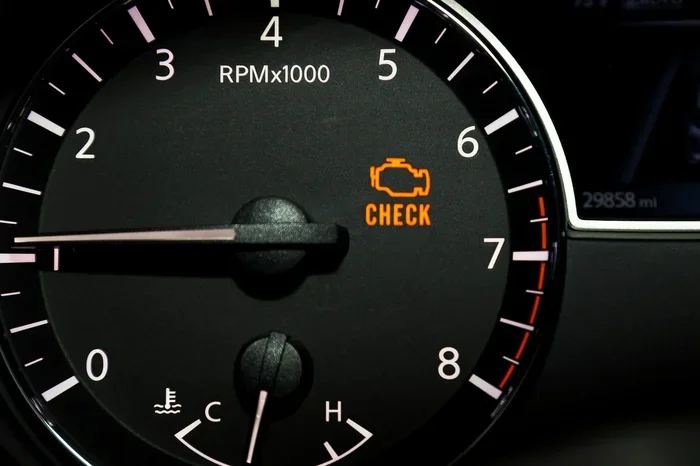
The check engine light can also relate to oil. A drop in oil pressure can trigger this light. However, many things cause the check engine light. Use a scanner or visit a mechanic to read the code. Do not ignore it.
Unusual Engine Noises
A healthy engine runs quietly. When oil is low, you hear lifter noise, rocker arm noise, or piston slap. These sound like ticking, tapping, or knocking. They happen because the parts are not fully separated by oil.
If you hear a loud knock that gets worse with RPMs, stop the car. This could mean the oil has completely failed to reach the bearings. Continuing to drive can destroy the engine in minutes.
Oil Smells And Leaks
A strong oil smell inside or outside the car is a red flag. You might see dark puddles under the vehicle. This indicates an oil leak. Leaks can happen from a worn oil pan gasket, loose drain plug, or faulty valve cover gasket.
Even a small leak drains oil over time. Check your parking spot regularly. If you see spots, inspect the oil level. Catching a leak early keeps oil levels stable.
Why Low Oil Is So Dangerous
Running an engine on low oil is like running a marathon without water. The damage builds fast and can be irreversible.
Engine Overheating Risks
Oil absorbs heat from the engine. When the level is low, there is not enough oil to carry heat away. The engine temperature rises. This can warp cylinder heads, blow head gaskets, or crack the engine block.
One of the most serious low oil symptoms is overheating. To understand why, read our article on can low oil cause overheating. The connection is direct and dangerous.
Long-Term Damage To Your Engine
Even if the engine does not seize immediately, low oil causes wear. Metal particles mix with the oil and circulate. This creates a abrasive slurry that scores cylinder walls and bearing surfaces.
Over time, compression drops. Power decreases. Fuel economy worsens. Eventually, the engine needs a full rebuild or replacement. All of this because of a preventable oil level drop.
Expert Insights
According to ASE-certified technicians, running an engine with low oil is the fastest way to cause catastrophic wear. Many rebuilds could have been avoided with a simple oil top-up or a timely oil change. The cost of a quart of oil is nothing compared to an engine replacement.
Common Reasons Oil Levels Drop
Oil does not disappear on its own. Something is causing the loss. Understanding the reason helps you fix the root problem.
Natural Oil Consumption
All engines burn a small amount of oil. This is normal. Piston rings allow tiny amounts of oil to pass into the combustion chamber. If your car burns less than a quart every 1,000 miles, it is usually within spec.
However, some engines burn more oil. High-mileage vehicles and older cars are more prone. If you need to add oil often, monitor the level weekly.
Leaks And External Loss
Oil leaks are a common cause of low oil. Gaskets and seals wear over time. The oil pan gasket, front and rear seals, and valve cover gaskets are common leak points.
Road debris can also damage the oil pan. A dent or puncture causes a slow or fast leak. Check under your car for fresh oil stains. Repairing a small leak early prevents a big mess and oil loss.
Burning Oil
Worn valve stem seals or piston rings let oil enter the cylinders. The engine burns it along with fuel. You will often see blue smoke on startup or acceleration.
PCV (Positive Crankcase Ventilation) valve problems can also push oil vapor into the intake. A stuck PCV valve causes excess oil consumption. Replacing this small part is cheap and easy.
What To Do If You Find Low Oil
Finding low oil is not a panic moment. It is a chance to act before damage occurs. Follow these steps to stay safe.
Topping Up Safely
First, find the right oil type. Check your owner’s manual for the viscosity grade, such as 5W-30 or 0W-20. Using the wrong oil can harm your engine.
Open the oil fill cap on the engine. Add oil a little at a time. Wait a minute for it to settle, then recheck the dipstick. Do not overfill. Too much oil can cause foaming and pressure problems.
If you are unsure about the process, you can learn how to do an oil and filter change yourself and handle this simple task with confidence.
When To See A Mechanic
Topping up is a temporary fix. If your oil level drops again quickly, something is wrong. Visit a mechanic if you notice leaks, blue smoke, or frequent low oil warnings.
A professional can inspect the engine for internal leaks, worn seals, or burning issues. They can also perform a full oil service with a new filter. Regular maintenance keeps your engine healthy.
Preventive Maintenance Tips
Prevention is the best cure. Follow these habits to keep your oil level stable:
- Check oil weekly: Make it a habit, especially on long trips.
- Follow the maintenance schedule: Change oil and filter at the recommended intervals.
- Use quality oil: Synthetic oil often lasts longer and protects better.
- Inspect for leaks: Look under the car after parking.
- Monitor oil consumption: Note how much oil you add between changes.
Conclusion
Knowing how do you know your oil is low is one of the most important skills you can learn as a driver. Your car gives you plenty of warnings. Dashboard lights, strange noises, and oil smells all point to a problem. The dipstick check is your best friend at home.
Do not ignore these signs. Low oil leads to overheating, wear, and engine failure. A few minutes of attention can save thousands of dollars in repairs. Make oil checks part of your routine, and your engine will reward you with years of reliable service.
Stay proactive. Check your oil, top up when needed, and keep your maintenance schedule. Your car will run smoother, safer, and longer. Take charge of your vehicle’s health today.
Frequently Asked Questions
What are the first signs of low engine oil?
The first signs are usually the oil pressure warning light on the dashboard, a ticking or knocking sound from the engine, and a burning oil smell. Some drivers also notice reduced power or blue exhaust smoke. These signals mean you should check your oil level immediately.
Can low oil cause a check engine light to come on?
Yes, low oil can trigger the check engine light because it reduces oil pressure. The engine control unit detects this and illuminates the warning. However, the check engine light can also mean many other issues, so a diagnostic scan is needed to confirm the cause.
How often should you check your oil level?
You should check your oil at least once a month. For older vehicles or those prone to oil consumption, checking weekly is safer. Always check when the engine is cool and the car is on a level surface for the most accurate reading.
Is it safe to drive with the oil light on?
No, it is not safe. The oil light means your engine does not have enough oil pressure. Driving even a short distance can cause severe internal damage. Pull over safely, turn off the engine, and check your oil level or call for assistance.
What oil should you add if your level is low?
Always use the oil type specified in your owner’s manual, such as 5W-30 or 0W-20. You can also use synthetic blend or full synthetic oil if it meets the viscosity and certification requirements. Never mix different oil types unless you are in an emergency and need to reach a service center.
Can a faulty oil sensor cause a false low oil warning?
Yes, a bad oil level sensor or oil pressure sensor can give a false warning. If the light comes on but your dipstick shows the oil is full, the sensor may need replacement. Have a mechanic test the sensor to rule out electrical issues before assuming the oil level is actually low.