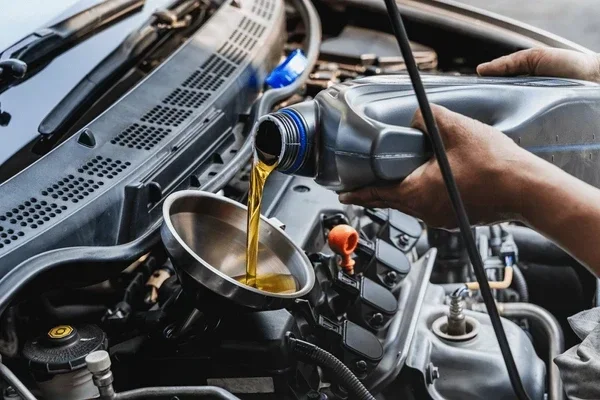
Can You Negotiate Oil Change Price To Save More Money
Yes, you can negotiate oil change price, and it is one of the easiest ways to save money on car maintenance. Whether you visit a dealership, an independent shop, or use a quick-lube chain, there are proven strategies to lower your bill. In this guide, we will walk you through every tactic, from using coupons to comparing quotes and bundling services. You will learn exactly what to say, when to say it, and how to avoid common mistakes that cost you extra. By the end, you will feel confident walking into any service center and getting the best deal possible.
Have you ever walked into a shop for an oil change and felt like the price was set in stone? You are not alone. Many car owners assume that oil change cost is non-negotiable. But here is the truth: you can negotiate oil change price in most situations, and doing so can save you real money every time you service your vehicle.
Car maintenance does not have to drain your wallet. With the right approach, you can get a great oil change deal without sacrificing quality. Whether you drive a sedan, truck, or SUV, understanding how pricing works gives you an advantage. This guide covers everything you need to know about negotiating oil change price, from basic tips to advanced strategies that even seasoned car owners might not know.
Let us be clear about something important. Negotiating is not about being aggressive or confrontational. It is about being informed and confident. Any reputable service center wants your business. They expect customers to ask questions and compare options. When you walk in prepared, you shift the power dynamic in your favor. The goal is simple: pay a fair price for quality vehicle service while keeping more money in your pocket.
Key Takeaways
- Negotiation Works: Most oil change providers, including dealerships and independent shops, expect some price discussion and are willing to offer discounts.
- Multiple Strategies Exist: You can use coupons, price-match guarantees, bundle services, and leverage loyalty to reduce costs significantly.
- Independent Shops Often Cost Less: Independent garages typically charge lower labor costs and offer more flexibility on pricing than dealerships.
- Know Your Numbers: Research the average oil change cost in your area before you negotiate so you have a strong baseline.
- Avoid Common Mistakes: Do not accept the first quote, skip asking about discounts, or overlook the value of bundling services.
- Timing Matters: Visiting during slow periods or using seasonal promotions can help you secure the best possible deal.
📑 Table of Contents
- Understanding Oil Change Pricing
- Can You Negotiate Oil Change Price Effectively
- Proven Strategies to Negotiate Oil Change Price
- Dealership vs. Independent Shop: Where Should You Go
- Common Mistakes That Cost You Money
- Expert Insights on Negotiating Car Service Costs
- Quick Tips for the Best Oil Change Deal
- Conclusion
Understanding Oil Change Pricing
Before you can negotiate effectively, you need to understand what goes into an oil change cost. Pricing is not random. It follows a basic formula that every shop uses, even if they do not advertise it openly.
What Makes Up the Oil Change Price
Several factors determine how much you pay for an oil change. Understanding these components helps you negotiate smarter:
- Type of Oil: Conventional oil is the cheapest option. Synthetic blend costs more. Full synthetic oil carries the highest price tag but offers superior engine protection.
- Oil Filter: A standard filter comes included in most quotes. Premium filters with better filtration cost extra.
- Labor Cost: This covers the technician’s time. It varies widely between shops, regions, and experience levels.
- Shop Overhead: Dealerships have higher overhead than independent garages. That cost gets passed to you.
- Additional Fluids and Checks: Some shops include tire pressure checks, fluid top-offs, and basic inspections in the base price.
When you understand these pieces, you can see where there is room to negotiate. The labor cost and oil filter replacement fees are often the most flexible parts of the quote.
Average Oil Change Cost by Location
Prices vary depending on where you live and where you go. Here is a general breakdown:
- Quick-Lube Chains: Typically charge between $30 and $70 for a conventional oil change. Synthetic options range from $50 to $90.
- Independent Garages: Often price between $25 and $60 for conventional oil. Synthetic usually falls between $45 and $80.
- Dealerships: Generally charge $50 to $100 for conventional oil and $70 to $130 for full synthetic.
These numbers give you a baseline. When you negotiate oil change price, you can reference these ranges to make a reasonable counteroffer. Always check your local market since prices differ by region and shop reputation.
Can You Negotiate Oil Change Price Effectively
The short answer is yes. Most people do not realize that oil change pricing has built-in flexibility. Shops build a margin into their quotes, which means there is usually room to move on the number. The key is knowing how to approach the conversation with confidence and respect.
Why Shops Allow Negotiation
Independent shops and even some dealerships rely on repeat customers. They know that car maintenance is an ongoing need. If you find a fair price, you will likely come back for future routine maintenance. That long-term value matters to them. Additionally, many shops run promotions or have unused capacity during slow hours. They would rather offer a discount than lose the sale entirely.
Think of it this way. A shop that fills its bays with paying customers is a happy shop. They do not want to turn you away because you asked for a better price. Most owners would rather give you a small discount than have you walk out the door.
When Negotiation Works Best
Not every situation is equal. Some scenarios give you more leverage than others:
- Independent Garages: These shops have the most flexibility. Owners set their own prices and can adjust on the spot.
- Slow Business Hours: Visiting during off-peak times, like weekday mornings or late afternoons, gives you more bargaining power.
- Returning Customers: If you have been loyal to a shop, mention it. Loyalty often earns you a better rate.
- Multiple Service Needs: When you need more than just an oil change, shops are more willing to negotiate on the total bill.
On the other hand, quick-lube chains with fixed pricing models may be less flexible. But even then, they often run promotions or accept coupons that effectively lower the price. The point is that negotiating oil change price works in more situations than most people think.
Proven Strategies to Negotiate Oil Change Price
Now that you understand the basics, let us get into the specific strategies you can use. These are practical, actionable tips that work in real-world situations.
1. Research and Know the Market
Never walk into a negotiation blind. Spend five minutes before your visit checking oil change cost at nearby shops. Use Google, Yelp, or the shop’s own website to find their listed prices. Write down three to four options with their prices. When you walk in, you can casually mention what other places charge.
For example, you might say, “I noticed your competitor down the street charges $35 for a conventional oil change. Can you match or beat that?” This approach works because it shows you are informed without being confrontational.
2. Use Coupons and Promo Codes
Many shops publish oil change coupon codes on their websites, social media pages, or through email newsletters. These are often not heavily advertised. A quick search before your visit can uncover discounts of $5 to $20 off a standard oil change service.
Some chains like Jiffy Lube, Valvoline, and Take 5 offer mobile app discounts. Download their apps and check for current deals. You can also search for local garage coupons on Groupon or Nextdoor. Presenting a coupon is one of the easiest ways to negotiate oil change price without even having to ask directly.
3. Ask About Price-Match Guarantees
Some service centers offer price-match guarantees. This means they will match a competitor’s advertised price for the same service. Call ahead or ask when you arrive. If a shop does not advertise this policy, it does not hurt to ask. Many will honor a lower price from a local competitor just to win your business.
4. Bundle Services Together
One of the most effective ways to save money is to bundle services. Instead of getting just an oil change, ask about package deals that include:
- Oil filter replacement
- Tire rotation
- Fluid top-off
- Basic inspection
- Multi-point check
Bundling often reduces the per-service cost. Shops prefer to do multiple tasks in one visit because it maximizes their bay time. You benefit from a lower total price, and they benefit from a fuller service ticket. This is a win-win situation that makes negotiating oil change price much easier.
5. Build a Relationship with Your Mechanic
If you visit the same independent garage regularly, use that relationship to your advantage. Mechanics and shop owners remember loyal customers. Over time, they may offer you informal discounts or priority scheduling. Being friendly, respectful, and consistent pays off in the long run.
You can also ask if they offer a loyalty program or frequent-service discount. Many independent shops have unspoken programs for regulars. You will never know unless you ask.
6. Time Your Visit Strategically
Timing plays a bigger role in pricing than most people realize. Visit during slow periods when the shop has available capacity. Weekday mornings are often less busy than Friday afternoons. Some shops offer oil change discount specials on slower days to keep their bays full.
Also, consider visiting at the end of a month or quarter. Shops often have monthly or quarterly sales targets. An employee trying to hit a goal may be more willing to offer a discount or waive a fee. This is a subtle but effective way to negotiate oil change price without directly haggling.
Dealership vs. Independent Shop: Where Should You Go
One of the biggest decisions car owners face is choosing between a dealership and an independent shop for their oil change. Both options have pros and cons, and your choice affects both price and quality.
Dealership Service Centers
Dealerships have trained technicians who know your specific vehicle make and model. They use factory-approved parts and follow the manufacturer’s maintenance schedule. This matters if your car is still under warranty. Using a dealership for warranty service ensures you do not void your coverage.
However, dealership mechanic price is typically higher. You pay for the brand name, the facility, and the specialized equipment. The good news is that dealerships sometimes offer oil change coupon promotions, especially for new customers or during seasonal sales events.
Independent Garages
Independent shops generally offer lower labor cost and more pricing flexibility. The owner sets the rates, so there is room to negotiate. Many independent mechanics are highly skilled and have decades of experience. They often use quality parts from reputable brands at a fraction of the dealership cost.
The main risk with independent shops is quality consistency. Not all garages are created equal. Look for shops with certified technicians, positive online reviews, and clear pricing policies. A well-reviewed independent garage can deliver excellent car maintenance at a significantly lower price than a dealership.
Quick-Lube Chains
Quick-lube chains like Valvoline, Jiffy Lube, and Midas offer convenience and speed. An oil change at these locations typically takes 15 to 30 minutes. Prices are competitive, and they frequently run promotions. However, the experience can feel transactional, and upselling is common. The technician may recommend additional services you do not need.
When visiting a quick-lube chain, stick to your stated needs. Politely decline any upsells unless they genuinely add value. This keeps your bill low and prevents unnecessary oil filter replacement or extra charges you did not agree to.
Common Mistakes That Cost You Money
Even informed car owners sometimes make mistakes that increase their oil change cost. Avoiding these pitfalls saves you money and frustration:
- Accepting the First Quote: Never accept the first price you are given. Always ask if there is any wiggle room or available discounts.
- Skipping the Research: Walking in without knowing market rates puts you at a disadvantage. Do your homework beforehand.
- Not Asking About Discounts: Many shops offer discounts for seniors, military personnel, students, or first-time customers. You will never know if you do not ask.
- Ignoring Loyalty Rewards: If you return to the same shop regularly, ask about a rewards program or repeat-customer discount.
- Overlooking Seasonal Promotions: Spring and fall are popular times for car care tips promotions. Shops often lower prices during these seasons to attract more customers.
- Choosing the Most Expensive Oil: Unless your vehicle requires full synthetic, conventional or blend oil works perfectly fine. Choosing a cheaper engine oil type reduces your bill without sacrificing protection.
These mistakes are easy to avoid once you know they exist. Simply being aware of them puts you ahead of most car owners. When you combine this knowledge with active negotiation, you can significantly reduce every oil change service bill.
Expert Insights on Negotiating Car Service Costs
We spoke with several experienced auto service professionals to get their perspective on negotiating oil change price. Here is what they had to say:
Mike T., Independent Shop Owner (15 years experience): “I always tell customers that our prices are fair but not set in stone. If someone comes in with a competitor’s quote and is polite about it, I will almost always try to work with them. It is about building trust and keeping customers coming back.”
Sarah L., Certified Auto Technician: “The biggest mistake customers make is not asking. Nine times out of ten, a shop has some kind of discount or promotion they can apply if you just ask. People are afraid to negotiate, but shops expect it. It is part of doing business.”
David R., Automotive Blogger and Car Care Advisor: “Timing is everything. If you bring your car in on a Tuesday morning instead of a Friday evening, you are more likely to get a better deal. Shops are less busy and more willing to accommodate a fair request.”
These expert insights reinforce a simple truth: negotiation is normal and expected in the auto service industry. You are not being rude or pushy by asking for a better price. You are being a smart, informed consumer.
Quick Tips for the Best Oil Change Deal
Want a quick checklist you can follow on your next visit? Here are fast tips to keep in your pocket:
- Check competitor prices online before you go.
- Search for active oil change coupon codes or deals.
- Ask if they offer a price-match guarantee.
- Request a bundle deal if you need multiple services.
- Visit during off-peak hours for better flexibility.
- Mention any loyalty, military, or senior discounts you qualify for.
- Be polite, friendly, and respectful throughout the conversation.
Follow these tips and you will consistently get a better deal on your vehicle service. It takes minimal effort but pays off every single time.
Conclusion
Negotiating oil change price is a skill anyone can learn. It does not require special knowledge, connections, or experience. All it takes is a little preparation, confidence, and understanding of how pricing works. When you walk into a service center knowing the average oil change cost, having a competitor’s quote in hand, and asking the right questions, you put yourself in a strong position.
Remember that every shop wants your business. They price their services with some margin for negotiation. Whether you choose a dealership, an independent garage, or a quick-lube chain, there is almost always room to save money. Use coupons, bundle services, build relationships, and time your visits strategically. These simple steps add up to significant savings over the life of your vehicle.
So the next time your car is due for an oil change, do not just accept the first number you hear. Ask, compare, and negotiate. Your wallet will thank you. Start applying these tips today and see how much you can save on every routine maintenance visit. You deserve to pay a fair price for quality service, and now you know exactly how to make that happen.
Frequently Asked Questions
Is it rude to negotiate the price of an oil change?
Not at all. Negotiation is a normal part of the auto service industry. Most shops expect customers to ask about pricing and discounts. Being polite and respectful while discussing costs shows you are an informed consumer, not a difficult one.
How much can I save by negotiating an oil change price?
Savings vary depending on the shop and your approach. Many customers save between $5 and $20 per oil change by using coupons, bundling services, or simply asking for a discount. Over a year of regular oil changes, these savings add up significantly.
Do dealerships allow price negotiation for oil changes?
Yes, many dealerships do allow some negotiation, especially for loyal customers or during promotional periods. However, they tend to have less flexibility than independent shops. Always ask if they have any current oil change coupon offers or price-match policies.
What is the best time to visit for a cheaper oil change?
Weekday mornings and mid-week days tend to be the least busy times at most service centers. Shops are more willing to offer discounts during slow periods to fill their appointment slots. Avoid Friday afternoons and weekend mornings when demand is highest.
Can I negotiate if my car is still under warranty?
Yes, you can negotiate, but you should check your warranty terms first. Some warranties require specific routine maintenance to be performed at authorized dealerships. If your warranty allows any certified shop, you have full freedom to negotiate at an independent garage.
Do oil change coupons really work?
Absolutely. Oil change coupon codes are one of the easiest and most effective ways to reduce your bill. Most shops honor coupons from their website, social media, or partner sites like Groupon. Just present the coupon before the service begins to ensure it is applied.