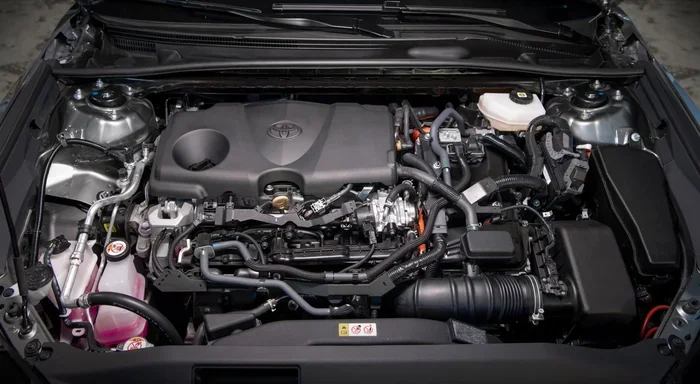
Can You Tune a Toyota Camry for Better Performance and Power
Yes, you can tune a Toyota Camry for better performance and power. Whether you own a four-cylinder or V6 model, engine tuning options range from simple ECU remaps to full aftermarket upgrades. This guide walks you through every method, cost, and benefit so you can make an informed decision.
So, can you tune a Toyota Camry? The short answer is a resounding yes. Whether you want more horsepower, better fuel economy, or a sharper driving feel, tuning your Camry opens up a world of possibilities. The Toyota Camry has been one of the most popular sedans in America for decades, and that popularity means there is a massive aftermarket support system ready to help you extract more performance from your car.
But here is the thing many people do not realize right away. Tuning a Toyota Camry is not just about slapping on a part and calling it done. It involves understanding your engine, choosing the right upgrades, and knowing when to bring in a professional. This guide covers everything you need to know about Toyota Camry tuning, from basic ECU remaps to full engine builds. We will break down each method, explain the costs, and help you decide what makes sense for your goals and budget.
If you have ever wondered whether your daily driver Camry could feel more alive, you are in the right place. Let us dive into the world of Toyota Camry performance tuning and find out what is possible.
Key Takeaways
- ECU tuning is the most popular and effective way to boost your Camry’s horsepower and torque without major mechanical changes.
- Cold air intakes and exhaust upgrades are affordable modifications that deliver noticeable performance gains.
- Tuning carries some risks, including voiding your warranty and reducing engine reliability if done incorrectly.
- Professional tuning costs between $300 and $1,500 depending on the method and shop expertise.
- Regular maintenance becomes even more important after tuning to keep your engine running smoothly.
- You can combine multiple tuning methods for compound gains in power and driving feel.
- The Toyota Camry remains a reliable platform for tuning, especially the V6 and TRD models.
📑 Table of Contents
What Does It Mean to Tune a Toyota Camry?
When people talk about tuning a car, they mean making changes to improve how the engine runs. This can be as simple as adjusting software settings or as complex as swapping out physical engine parts. The goal is almost always the same: more power, better responsiveness, and a more enjoyable driving experience.
For the Toyota Camry specifically, tuning options have grown significantly over the years. Modern Camrys come with sophisticated engine control units that manage everything from fuel delivery to ignition timing. By adjusting these parameters, you can unlock hidden potential that the factory settings keep locked away.
Why People Tune Their Camrys
People tune their Toyota Camrys for many different reasons. Some want to feel a noticeable difference in acceleration. Others want to improve fuel economy or make their car handle better on twisty roads. Here are the most common reasons drivers choose to tune:
- More horsepower and torque for quicker acceleration and highway merging
- Better throttle response so the car feels more eager and alive
- Improved fuel economy through optimized engine tuning
- Enhanced driving feel with sharper power delivery
- Custom driving profiles for different situations like sport mode or economy mode
- Supporting aftermarket parts like bigger turbos or forced induction systems
ECU Tuning: The Most Popular Method
ECU tuning, also known as engine remapping, is the most common way to tune a modern Toyota Camry. Your car’s Engine Control Unit is essentially its brain. It controls how much fuel goes into the cylinders, when the spark plugs fire, and how the turbocharger or supercharger operates (if equipped). By reprogramming the ECU, you can change all of these parameters to get more out of your engine.
How ECU Tuning Works
A technician connects a specialized laptop or tuning device to your Camry’s diagnostic port. They then read the current software and modify specific maps that control engine behavior. These maps cover things like:
- Fuel injection timing and duration
- Ignition advance timing
- Boost pressure levels (for turbocharged models)
- Rev limiters and speed governors
- Throttle response curves
The process typically takes one to three hours at a professional shop. Once complete, you should notice immediate differences in how your car feels and responds.
Types of ECU Tuning for the Camry
Not all ECU tuning is the same. Here are the main approaches you will encounter:
- Stage 1 Tune: A mild remap that improves throttle response and adds a small horsepower bump, usually around 10 to 20 HP. This is the safest and most reversible option.
- Stage 2 Tune: A more aggressive tune that often requires supporting modifications like an upgraded exhaust or cold air intake. Gains can reach 20 to 40 HP.
- Stage 3 Tune: A full performance tune designed for heavily modified engines with bigger turbos or camshaft upgrades. This requires significant mechanical changes.
For most Camry owners, a Stage 1 or Stage 2 tune hits the sweet spot between performance gains and reliability. Always make sure your tuner understands the specific engine in your Camry, whether it is the 2.5-liter four-cylinder or the 3.5-liter V6.
Physical Performance Upgrades
While ECU tuning changes how your engine manages itself, physical upgrades change the hardware. These modifications often work hand in hand with software tuning to deliver the best results. The Toyota Camry is a versatile platform that accepts a wide range of aftermarket parts.
Cold Air Intake Systems
A cold air intake is one of the simplest and most affordable upgrades you can make. It replaces the factory airbox with a high-flow filter and intake tube that draws in cooler, denser air. Cooler air contains more oxygen, which helps your engine burn fuel more efficiently and produce more power.
Most cold air intake kits for the Camry cost between $150 and $350. Installation is straightforward and can often be done at home with basic tools. You will typically notice a more aggressive engine sound and a slight improvement in throttle response.
Exhaust System Upgrades
The factory exhaust system on many Camrys is designed more for noise reduction and cost savings than for performance. Upgrading to a cat-back exhaust system allows exhaust gases to flow out more freely, which reduces back pressure and helps the engine breathe better.
A quality exhaust upgrade can add 5 to 15 horsepower depending on your engine and the system you choose. The sound improvement is also significant, giving your Camry a more sporty and refined tone. Prices range from $400 for budget options to over $1,500 for premium stainless steel systems.
Performance Chips and Tuners
Some aftermarket companies offer plug-in performance chips or handheld tuners that modify engine parameters without permanent changes to the ECU. These devices sit between the sensors and the ECU and adjust signals on the fly. They are a popular choice for people who want the benefits of tuning but worry about voiding their warranty.
Keep in mind that performance chips are generally less effective than a full ECU remap. They offer modest gains, usually in the range of 5 to 15 horsepower. However, they are reversible and easy to install, making them a great entry point for first-time tuners.
Advanced Tuning: Forced Induction and Engine Builds
For those who want serious power gains, forced induction and engine builds take Toyota Camry tuning to the next level. These modifications require more investment and technical expertise but deliver dramatic results.
Turbo and Supercharger Kits
Adding a turbocharger or supercharger to your Camry forces more air into the engine, which allows it to burn more fuel and produce significantly more power. Turbo kits for the four-cylinder Camry engines are available from several aftermarket manufacturers and can deliver 50 to 100+ additional horsepower.
Supercharger kits work similarly but are driven by a belt connected to the engine crankshaft. They provide instant power delivery without the lag that some turbos experience. Both options require supporting modifications like upgraded fuel injectors, stronger internals, and a professional ECU tune to run safely.
Camshaft and Valve Train Upgrades
For the mechanically inclined, upgrading the camshaft and valve train can dramatically change how your Camry’s engine performs. A performance camshaft changes the timing and duration of valve opening, which affects both power output and the engine’s character. These upgrades are more common on V6 Camrys but are available for four-cylinder models as well.
If you are considering a build like this, it is worth checking whether you can get a V8 in a Toyota Camry, as some enthusiasts swap in larger engines for even more performance potential. However, for most people, a well-executed four-cylinder or V6 tune provides all the power they will ever need.
Costs of Tuning a Toyota Camry
Understanding the cost upfront helps you plan your tuning project and avoid surprises. The price of tuning a Camry varies widely depending on the method and extent of modifications.
Cost Breakdown by Tuning Method
| Tuning Method | Price Range | Power Gain |
| ECU Remap (Stage 1) | $300 – $600 | 10 – 20 HP |
| ECU Remap (Stage 2) | $500 – $1,000 | 20 – 40 HP |
| Cold Air Intake | $150 – $350 | 5 – 10 HP |
| Cat-Back Exhaust | $400 – $1,500 | 5 – 15 HP |
| Performance Chip/Tuner | $200 – $500 | 5 – 15 HP |
| Turbo/Supercharger Kit | $2,000 – $5,000+ | 50 – 100+ HP |
| Full Engine Build | $5,000 – $15,000+ | 100+ HP |
As you can see, there are options for every budget. Even a simple cold air intake paired with an ECU remap can make your Camry feel noticeably faster without breaking the bank. The key is to prioritize modifications that complement each other and deliver the best return on your investment.
Risks and Considerations
Tuning your Toyota Camry comes with some important risks that every owner should understand before making any changes. Being informed helps you make smarter decisions and avoid costly mistakes.
Warranty Concerns
One of the biggest concerns for Camry owners considering tuning is the impact on their factory warranty. In most cases, modifying your ECU or adding aftermarket parts can void certain warranty coverage. If a problem occurs that the dealer determines was caused by your tuning modifications, they may deny the claim.
If your Camry is still under warranty, it is wise to consult with your dealer before making any changes. Some dealers are more lenient than others, and certain modifications may be acceptable as long as they do not directly cause issues.
Engine Reliability
Pushing more power through an engine always increases stress on internal components. A mild ECU tune on a well-maintained Camry should not cause reliability issues. However, aggressive tuning on a high-mileage engine or an engine with existing problems can lead to premature wear or failure.
To keep your tuned Camry running strong, stick to a regular maintenance schedule. Use the right motor oil for your Toyota Camry and consider switching to a slightly different viscosity if your tuning demands it. Some owners find that using 5W-30 instead of 5W-20 in their Toyota Camry provides better protection under increased performance demands, though you should always check your owner’s manual first.
Emissions and Legal Issues
In some regions, modifying your exhaust or engine tuning can cause your vehicle to fail emissions testing. Certain ECU tunes may also trigger the check engine light or cause your vehicle to not meet local emissions standards. Always check your local regulations before making significant modifications.
Is Tuning Right for Your Toyota Camry?
The decision to tune your Camry depends on your goals, budget, and how long you plan to keep the car. If you want a noticeable improvement in driving feel without spending a fortune, a simple ECU remap paired with a cold air intake is an excellent starting point. These modifications are affordable, reversible, and deliver real results.
If you are more ambitious and want serious power gains, a forced induction setup or full engine build might be the right path. Just remember that bigger modifications require more investment, more maintenance, and a willingness to accept some trade-offs in reliability and warranty coverage.
The Toyota Camry has proven itself as one of the most reliable sedans on the road, and that reliability extends to its tuning potential. Whether you have a base model four-cylinder or a sporty V6, there is a tuning path that fits your needs. The Camry platform is forgiving and adaptable, which makes it a great choice for both first-time tuners and experienced enthusiasts alike.
Before you start, do your research, find a reputable tuner, and set realistic expectations. A well-planned tune can transform your daily driving experience and make you fall in love with your Camry all over again.
Final Thoughts
So, can you tune a Toyota Camry? Absolutely. The options range from simple software adjustments to full engine builds, giving you the flexibility to choose the level of modification that fits your goals and budget. Whether you are looking for a subtle improvement in throttle response or a dramatic horsepower boost, there is a tuning solution that works for the Camry platform.
Start with your goals in mind. Decide what matters most to you, whether it is more power, better fuel economy, or simply a more engaging driving experience. Then choose your modifications wisely, work with trusted professionals, and maintain your Camry properly after tuning. With the right approach, your Toyota Camry can deliver a driving experience that exceeds your expectations and keeps turning heads on every road you take.
Remember, tuning is a journey, not a destination. Start small, learn how your car responds, and build your setup over time. The beauty of the Camry platform is that it rewards thoughtful, well-executed modifications with reliable and satisfying results every time.
Frequently Asked Questions
Is tuning a Toyota Camry safe for the engine?
A mild ECU tune on a well-maintained Camry is generally safe and should not cause engine damage. However, aggressive tuning or tuning a high-mileage engine increases stress on internal components. Always work with a reputable tuner and make sure your engine is in good mechanical condition before any modifications.
Will tuning my Camry void the warranty?
In most cases, ECU tuning and aftermarket modifications can void parts of your factory warranty. If a dealer determines that a problem was caused by your tuning changes, they may deny the related warranty claim. Check with your dealer before making any modifications if your Camry is still under warranty.
How much horsepower can I gain from tuning a Toyota Camry?
A Stage 1 ECU tune typically adds 10 to 20 horsepower, while a Stage 2 tune can add 20 to 40 horsepower. Physical upgrades like cold air intakes and exhaust systems add another 5 to 15 horsepower. Forced induction setups can add 50 horsepower or more depending on the kit and supporting modifications.
Can I tune my Camry myself or do I need a professional?
Simple modifications like cold air intakes and performance chips can often be installed at home. However, ECU tuning should always be done by a professional tuner who understands your specific engine and can fine-tune the parameters safely. A professional tune ensures optimal performance and protects your engine from potential damage.
What is the best Toyota Camry engine for tuning?
The 3.5-liter V6 Camry is widely considered the best engine for tuning because of its robust design and significant tuning potential. The 2.5-liter four-cylinder is also a strong platform that responds well to ECU tuning and modest aftermarket upgrades. Both engines are reliable and forgiving when tuned properly.
How often should I maintain my tuned Toyota Camry?
A tuned Camry requires the same basic maintenance schedule as a stock Camry, but with extra attention to certain areas. Regular oil changes, spark plug replacements, and air filter checks become even more important. Consider using slightly thicker motor oil if your tune increases engine stress, and always monitor your engine’s vital signs after any modification.