Why Was the Toyota Supra Banned And The Surprising Truth
The Toyota Supra was banned in the United States due to strict import laws, emissions regulations, and safety compliance requirements that prevented earlier models from being legally sold or imported. The 25-year import rule and the Imported Vehicle Safety Compliance Act of 1988 played major roles in keeping the Supra away from American buyers for many years. The surprising truth is that the Supra eventually returned to the US market, proving that the ban was temporary and driven by regulatory hurdles rather than any flaw in the car itself.
This is a comprehensive guide about Why Was the Toyota Supra Banned?.
Key Takeaways
- The Toyota Supra was banned primarily because of the Imported Vehicle Safety Compliance Act of 1988, which set strict safety and emissions standards for imported vehicles.
- The 25-year import rule allowed older Supra models to be legally imported into the US only after 25 years from their manufacture date.
- The Supra MK4 (A80) was sold in the US from 1993 to 1998 but was then discontinued in the American market for nearly two decades.
- Emissions and safety regulations were the biggest barriers preventing the Supra from meeting US standards during its ban period.
- The Supra made a comeback in 2020 with the fifth-generation model, which was designed to meet all US regulations from the start.
- The ban was not permanent, and Toyota worked to bring the Supra back by addressing regulatory concerns and redesigning the car for the American market.
[FEATURED_IMAGE_PLACEHOLDER]
The Toyota Supra: A Legendary Sports Car With a Troubled Past
The Toyota Supra has one of the most fascinating histories in the automotive world. For many car enthusiasts, the Supra represents the pinnacle of Toyota performance. But there is a chapter in its story that surprises even longtime fans: the Toyota Supra was banned in the United States for many years. This ban kept one of the most exciting sports cars ever made away from American roads.
So why exactly was the Supra banned? The answer involves a mix of government regulations, safety standards, emissions laws, and import rules. The surprising truth goes deeper than most people realize. In this article, we will walk through the full story of why the Toyota Supra was banned, what regulations caused it, and how the Supra eventually made its return.
If you have ever wondered about the Toyota Supra banned story or wanted to understand the legal hurdles behind importing iconic cars, you are in the right place. Let us break it all down.
The History of the Toyota Supra
Where It All Began
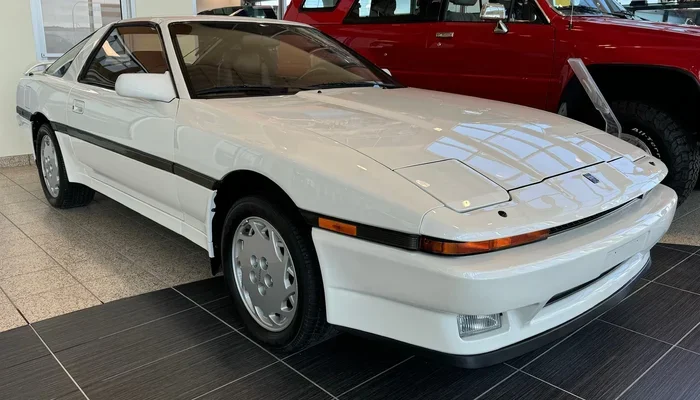
The Toyota Supra first appeared in the late 1970s as a variant of the Toyota Celica. It quickly grew into its own identity. By the 1980s, the Supra had become a standalone model with a reputation for speed, style, and reliability. The Supra MK3 and later the Supra MK4 (A80) became legendary in the car world.
The Supra was known for its turbocharged inline-six engine, sleek bodywork, and impressive performance numbers. Car enthusiasts around the globe fell in love with it. The car became a symbol of Toyota’s ability to build a true sports car that could compete with the best in the world.
The Supra’s Rise to Fame
In the 1990s, the Supra MK4 reached legendary status. With over 300 horsepower from its twin-turbo engine, the MK4 Supra could outperform many exotic sports cars of the era. It appeared in movies, video games, and car magazines. The Toyota Supra became a cultural icon, especially among tuning and JDM enthusiasts.
However, its fame in the US market was short-lived. Toyota stopped selling the Supra in the US after 1998. For nearly 20 years, American enthusiasts could not buy a new Supra. This absence was directly tied to the ban and the regulations that caused it.
Why Was the Toyota Supra Banned?
The Imported Vehicle Safety Compliance Act of 1988
The primary reason the Toyota Supra was banned comes down to a single piece of legislation: the Imported Vehicle Safety Compliance Act of 1988. This law was passed by the US Congress to regulate the importation of foreign vehicles. Before this act, many cars from other countries entered the US market without meeting American safety and emissions standards.
The act required that any vehicle imported into the United States must meet Federal Motor Vehicle Safety Standards (FMVSS). These standards cover everything from crash testing to lighting requirements to braking systems. Many Japanese sports cars, including the Supra, did not meet these standards when they were first built.
This law was not specifically targeting the Supra. It applied to all imported vehicles. But the Supra, being a high-performance import, felt the impact the most. The regulations made it very difficult for Toyota to sell the Supra in the US market without significant modifications.
Emissions Regulations and the EPA
Beyond safety standards, emissions regulations played a huge role in the ban. The Environmental Protection Agency (EPA) enforces strict emissions standards in the United States. These standards limit the amount of pollutants a vehicle can release into the atmosphere.
The early Supra models, especially those with turbocharged engines, produced higher emissions than what US regulations allowed. Toyota would have needed to re-engineer the engine and exhaust systems to meet EPA requirements. This process was expensive and time-consuming.
For a while, Toyota decided it was not worth the investment to bring the Supra into full US compliance. The company focused its efforts on other models that already met US standards. This decision effectively kept the Supra out of the American market for many years.
Safety Standards and Crash Testing
US safety standards are among the strictest in the world. Vehicles sold in America must pass rigorous crash tests conducted by the National Highway Traffic Safety Administration (NHTSA). These tests evaluate frontal impact, side impact, and roof strength.
The Supra was designed with Japanese and European markets in mind. Its structural design did not always align with the specific crash test requirements used in the US. For example, the dashboard construction, airbag placement, and seat belt systems needed modifications to pass US safety inspections.
These safety hurdles added to the cost and complexity of bringing the Supra to America. Toyota had to weigh whether the investment made financial sense. At the time, the company believed the Supra would not sell in large enough numbers to justify the cost of compliance.
The 25-Year Import Rule and the Supra
How the 25-Year Rule Works
One of the most important regulations affecting the Supra is the 25-year import rule. This rule states that vehicles older than 25 years can be imported into the United States without needing to meet FMVSS or EPA standards. This is why you see so many classic JDM cars on American roads today.
The 25-year rule opened the door for older Supra models to be imported legally. For example, a Supra MK4 manufactured in 1993 became eligible for import in 2018. This rule allowed enthusiasts to bring their dream cars into the country without going through the expensive compliance process.
The rule has been a game-changer for the Toyota Supra community. It gave fans a legal way to own and enjoy these iconic sports cars even during the years when the Supra was officially banned from the US market.
What the Rule Means for Supra Owners
Thanks to the 25-year rule, many Supra MK3 and MK4 models are now legally imported into the US. Enthusiasts can find these cars at specialty importers or through private sales. The rule has helped keep the Supra’s legacy alive in America.
If you are interested in importing a classic Supra, you should know that the process is relatively straightforward once the vehicle reaches 25 years of age. You will still need to handle customs paperwork and meet basic import procedures. But you do not need to worry about passing crash tests or emissions inspections.
The Supra’s Return to the US Market
The 2020 Toyota Supra Revival
The most exciting part of the Supra story is its return. In 2020, Toyota launched the fifth-generation Supra in the United States. This new model, often called the Supra A90, was designed from the ground up to meet all US safety and emissions standards.
The new Supra was developed in partnership with BMW, sharing its platform with the BMW Z4. It featured a turbocharged inline-six engine producing over 335 horsepower. The car was a hit with enthusiasts who had waited nearly two decades for its return.
The 2020 Supra proved that the ban was never about the car being inherently bad. It was about regulatory compliance. Once Toyota designed the Supra to meet US standards, the car returned to American showrooms with open arms.
What Changed for Toyota
Several factors contributed to Toyota’s decision to bring the Supra back. The global demand for sports cars was growing. The success of the Nissan 370Z and Mazda MX-5 Miata showed that there was a strong market for affordable sports cars in the US.
Toyota also invested in modern technology to ensure the new Supra would meet all regulations. The car came equipped with advanced safety features like adaptive cruise control, lane departure warning, and automatic emergency braking. These features helped the Supra pass US safety requirements without any issues.
The company also learned from its past mistakes. The original Supra was designed primarily for performance, with less focus on the regulatory side. The new Supra balanced performance with compliance, making it a much more viable product for the American market.
What the Ban Taught Toyota and Its Fans
The Importance of Regulatory Compliance
The Supra ban taught Toyota an important lesson about global market strategy. Automakers cannot simply build a great car and expect to sell it everywhere. They must navigate a complex web of regulations that vary from country to country.
For Toyota, the Supra ban highlighted the challenges of importing high-performance vehicles into the US. The company now approaches global launches with regulatory compliance in mind from the very beginning. This shift in strategy has benefited not just the Supra but many other Toyota models sold in the US today.
If you are curious about how other Toyota vehicles handle similar challenges, you might want to read about tuning a Toyota Camry and how Toyota balances performance with everyday reliability.
The Fan Community Kept the Dream Alive
While Toyota was deciding whether to bring the Supra back, fans kept the dream alive. Enthusiasts imported older models through the 25-year rule. They modified cars to meet US standards. They shared their passion online and at car meets across the country.
The Supra community never gave up on the car. Their dedication kept interest alive and eventually influenced Toyota’s decision to revive the model. The fan base proved that there was a real demand for a modern Supra in the US market.
The story of the Supra ban also connects to broader discussions about driving technology and safety. For instance, many Supra owners also wonder about VSC and traction control systems and how these features have evolved in modern Toyota vehicles.
Performance Features That Made the Supra Special
The Supra was never just about speed. It was about the complete driving experience. The car featured a low center of gravity, precise steering, and a rear-wheel-drive layout that made it a joy to drive on winding roads.
Many enthusiasts who love the Supra also enjoy exploring how Toyota vehicles handle different driving conditions. For example, if you have ever wondered about switching between driving modes, check out switching to sport mode while driving a Toyota to learn more about how Toyota optimizes performance in real time.
The Supra’s turbocharged engine delivered impressive torque and horsepower. The car could accelerate from 0 to 60 mph in under 4.5 seconds in its later iterations. These numbers put the Supra in the same league as much more expensive European sports cars.
Common Misconceptions About the Supra Ban
Misconception 1: The Supra Was Banned Because It Was Unsafe
This is one of the biggest misconceptions. The Supra was not banned because it was dangerous. It was banned because it did not meet specific US regulatory requirements. In fact, the Supra performed well in crash tests in markets where it was officially sold.
The regulations in the US are simply different from those in Japan and Europe. A car can be perfectly safe in one market and still fail to meet the standards of another. The Supra’s ban was a regulatory issue, not a safety issue.
Misconception 2: Toyota Did Not Want to Sell the Supra in the US
Toyota did want to sell the Supra in the US. The company sold the car from 1993 to 1998. The gap between 1998 and 2020 was not a choice. It was the result of Toyota deciding that the cost of re-engineering the car for US compliance was not justified at the time.
When market conditions changed and demand grew, Toyota brought the Supra back with a completely new design that was built to meet all US standards from day one.
Misconception 3: The Ban Applied to All Toyota Sports Cars
The ban specifically affected the Supra and a few other high-performance imports. Toyota sold other sports cars in the US, such as the Celica and the MR2. These models were designed to meet US standards and were never subject to the same import restrictions.
The Supra’s larger engine and higher performance outputs made it more challenging to bring into compliance with US regulations. Other Toyota models did not face the same level of regulatory hurdles.
The Surprising Truth Behind the Ban
Here is the part of the story that surprises most people. The Toyota Supra was never truly “banned” in the traditional sense. It was not illegal to own or drive a Supra in the US. The ban was really a trade and import regulation that prevented certain models from being officially sold through dealerships.
Enthusiasts found ways around the ban through the 25-year import rule and by working with specialty importers. The Supra remained one of the most sought-after JDM sports cars throughout the ban period. Its absence from the US market only increased its mystique and desirability.
The surprising truth is that the ban was temporary. Toyota eventually brought the Supra back because the market demanded it. The company recognized that American car enthusiasts were willing to pay a premium for a sports car that delivered both performance and reliability.
The story of the Supra ban also reflects broader trends in the automotive industry. As emissions regulations tighten globally, more cars face import restrictions. The Supra’s journey from banned import to celebrated comeback is a case study in how regulations shape the cars we drive.
For those interested in understanding how Toyota vehicles are built to perform and comply with regulations, you can also explore whether Toyota Camry V8 options exist and how Toyota approaches engine choices across its lineup.
Conclusion
The story of why the Toyota Supra was banned is one of regulation, resilience, and ultimately triumph. The Toyota Supra banned narrative is not just about a car being kept out of a market. It is about the complex relationship between automakers, governments, and car enthusiasts.
The Supra was banned because of safety standards, emissions regulations, and import laws that made it difficult to sell the car in the US. The 25-year import rule kept the dream alive for enthusiasts during the car’s absence. And the Supra’s return in 2020 proved that Toyota was listening to its fans and willing to invest in bringing the car back.
Today, the Supra stands as one of Toyota’s most iconic performance vehicles. Its journey from banned import to showroom staple is a testament to the power of persistence and the enduring appeal of a truly great sports car. Whether you are a longtime Supra fan or just discovering this legendary model, the story of its ban adds an extra layer of fascination to an already incredible car.
Frequently Asked Questions
Why was the Toyota Supra banned in the United States?
The Toyota Supra was banned due to the Imported Vehicle Safety Compliance Act of 1988 and strict US emissions and safety regulations. The car did not meet Federal Motor Vehicle Safety Standards or EPA emissions requirements when it was first introduced, making it illegal to officially sell in the US market.
How long was the Toyota Supra banned from the US market?
The Supra was effectively absent from the US market from 1998 until 2020, a gap of about 22 years. Toyota stopped selling the Supra in the US after 1998 and did not bring back a new generation until the 2020 model year.
Can you still import a banned Toyota Supra into the US today?
Yes, thanks to the 25-year import rule, Supra models that are at least 25 years old can be legally imported into the United States without meeting FMVSS or EPA standards. This has allowed many classic Supra MK3 and MK4 models to enter the US market in recent years.
Was the Toyota Supra ever sold new in the United States?
Yes, the Supra was sold new in the US from 1993 to 1998. The Supra MK4 (A80) was officially imported and sold through Toyota dealerships during this period. After 1998, Toyota discontinued the Supra in the US market.
What made the 2020 Toyota Supra different from the earlier models?
The 2020 Supra was designed from the start to meet all US safety and emissions regulations. It was developed in partnership with BMW and came equipped with modern safety features like adaptive cruise control and automatic emergency braking that helped it pass US compliance requirements.
Are there any Toyota Supra models that are still banned today?
No, all Supra models that are 25 years or older can be legally imported. The 2020 and newer Supra models are fully legal and sold through official Toyota dealerships. There are currently no Supra models that are banned from the US market.