How Far Can a 2007 Toyota Camry Really Go on a Full Tank
The 2007 Toyota Camry can travel between 350 and 450 miles on a full tank, depending on driving habits and conditions. With a fuel tank capacity of around 15.8 gallons and an average fuel economy of 21-25 MPG, this sedan offers a solid driving range for daily commutes and road trips. In this guide, we’ll explore the exact numbers, factors that affect range, and simple tips to get the most out of every tank.
When you fill up the tank of a 2007 Toyota Camry, one question always pops up: how far can a 2007 Toyota Camry go on a full tank. Whether you’re planning a road trip or just commuting to work, knowing your driving range helps you avoid getting stranded and keeps your fuel costs in check. The 2007 Toyota Camry is a reliable sedan that has been a favorite for years, and understanding its fuel capacity gives you peace of mind. In this guide, we’ll break down the exact numbers, share real-world MPG data, and give you practical tips to stretch every mile. If you want a broader look at driving on a full tank, check out our article on How Long Can You Drive With A Full Tank for general advice that applies to any car.
The how far can a 2007 Toyota Camry go on a full tank answer depends on several factors, including your driving style, road conditions, and vehicle maintenance. Most owners report a range between 350 and 450 miles, but that’s just the starting point. We’ll dive deep into the numbers and show you how to push that limit safely. By the end, you’ll know exactly what to expect and how to get the most out of your 2007 Toyota Camry.
Key Takeaways
- Full Tank Range: A 2007 Toyota Camry can go 350–450 miles on a full 15.8-gallon tank, depending on MPG.
- Fuel Economy Matters: Highway driving yields 25–30 MPG, while city driving drops to 21–23 MPG, cutting your range.
- Maintenance Boosts Range: Clean air filters, proper tire pressure, and the right oil (like 5W-20) help you squeeze more miles per gallon.
- Driving Habits Count: Avoid aggressive acceleration, excessive idling, and heavy cargo to maximize your tank’s potential.
- Cold Weather Reduces Range: Winter conditions can lower fuel efficiency by 10–20%, so plan extra fuel stops.
- Longevity Adds Up: The Camry’s reliability means you can drive it for hundreds of thousands of miles, making its fuel range a long-term asset.
📑 Table of Contents
- Understanding the 2007 Toyota Camry Fuel System
- Real-World MPG: What to Expect
- Factors That Shrink or Stretch Your Range
- How to Maximize Your Driving Range on a Full Tank
- Maintenance Habits That Boost Fuel Economy
- Common Mistakes That Waste Fuel and Reduce Range
- Expert Insight: The Long-Term Value of the 2007 Camry
- Final Thoughts: How Far Can You Really Go?
Understanding the 2007 Toyota Camry Fuel System
To answer how far a 2007 Toyota Camry can go on a full tank, you first need to know the basics of its fuel system. The 2007 Camry came with a 4-cylinder 2.4-liter engine or a V6 3.3-liter engine, both paired with a 4-speed automatic transmission. The fuel tank size is a key factor in determining your range.
Fuel Tank Capacity
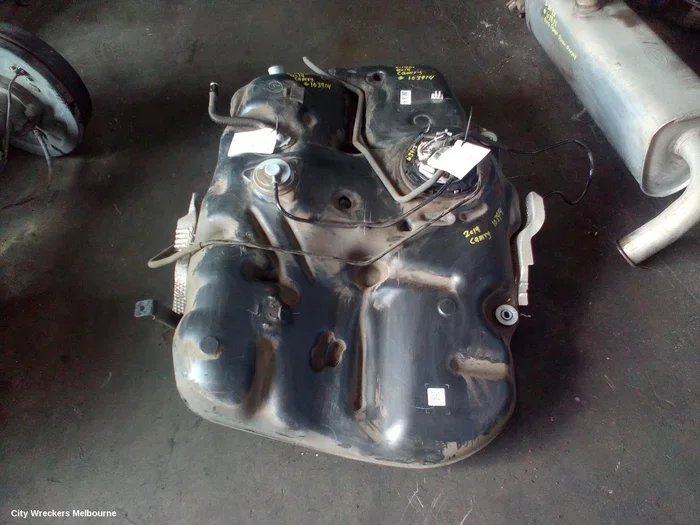
The standard fuel tank on the 2007 Toyota Camry holds 15.8 gallons (59.8 liters). This is a generous size for a midsize sedan and gives you a solid baseline for calculating range. With a full tank, you’re starting with a lot of fuel, which means fewer stops on long drives. The tank is located under the rear seat area, and the fuel filler door is on the left side of the rear. The gas cap is a screw-on type, and the car uses regular unleaded gasoline with an octane rating of 87 or higher.
Engine Options and Their Impact on Range
The 4-cylinder engine is the most common and offers better fuel economy. It produces 158 horsepower and 162 lb-ft of torque. The V6 engine, found in the SE and XLE trims, delivers 225 horsepower and 235 lb-ft of torque. The V6 is more powerful but drinks more fuel, which reduces your total range. If you want to maximize distance, the 4-cylinder model is the way to go. For those curious about whether the Camry can last 400,000 miles with proper care, you can read more in our article on Can Toyota Camry Last 400.
Real-World MPG: What to Expect
Manufacturer ratings give you a ballpark, but real-world MPG tells the true story. The 2007 Toyota Camry is rated at 21 MPG in the city and 30 MPG on the highway for the 4-cylinder engine. The V6 gets 20 MPG city and 28 MPG highway. However, these numbers assume perfect conditions. Your actual miles per gallon will vary based on how you drive and where you drive.
City Driving Range
In city traffic, you’ll see stop-and-go conditions, lower speeds, and more idling. The 4-cylinder Camry typically averages 21 to 23 MPG in the city. With a 15.8-gallon tank, that translates to about 330 to 365 miles of range. City driving is harder on fuel economy because you use more gas accelerating from stops and dealing with traffic lights.
Highway Driving Range
On the highway, steady speeds and less stopping work in your favor. The 4-cylinder Camry can achieve 26 to 30 MPG on flat, open roads. That gives you a range of 410 to 475 miles on a full tank. Many owners report hitting the 450-mile mark comfortably when cruising at 60–65 mph. The V6 highway MPG is slightly lower, around 25–28 MPG, giving a range of 395–440 miles.
Mixed Driving
Most people do a mix of city and highway driving. A blended average of 24–26 MPG is realistic for the 4-cylinder Camry. That puts your range right in the 380–410 mile sweet spot. If you want to track your own MPG, reset your trip meter after each fill-up and divide miles driven by gallons pumped. This simple habit helps you see exactly how far your car can go.
4-Cylinder vs V6 Range Comparison
| Engine | City MPG | Highway MPG | Tank Range (City) | Tank Range (Highway) |
|---|---|---|---|---|
| 4-Cylinder (2.4L) | 21–23 | 26–30 | 330–365 mi | 410–475 mi |
| V6 (3.3L) | 20–22 | 25–28 | 316–348 mi | 395–440 mi |
Factors That Shrink or Stretch Your Range
Many things affect how far a 2007 Toyota Camry can go on a full tank. Some you can control, others you can’t. Understanding these factors helps you plan better and avoid surprises.
Driving Style
Aggressive driving kills fuel economy. Jackrabbit starts, hard braking, and speeding all burn more gas. Smooth, gradual acceleration and maintaining a steady speed are the keys to maximizing range. If you tend to drive aggressively, your range could drop by 10–20%. Conversely, a gentle driver can push the Camry closer to the top of its range.
Weather and Temperature
Cold weather is a big factor. When temperatures drop, your engine takes longer to warm up, and the heater draws more energy. Winter fuel blends also contain less energy per gallon. Studies show that fuel economy can drop 10–20% in cold weather. If you live in a snowy climate, you might see your range shrink from 450 miles to 360 miles. For more on how cold affects your car, see our article on How Long Can A Car Sit In Cold Weather.
Vehicle Load and Aerodynamics
Carrying heavy cargo or towing a trailer increases fuel consumption. Every extra 100 pounds can reduce MPG by 1–2%. Roof racks and cargo carriers create drag, which also hurts efficiency. If you’re not using a roof rack, remove it to improve aerodynamics. The weight of passengers matters too: a full Camry with five adults and luggage will use more fuel than an empty car.
Road Conditions and Terrain
Hilly terrain and rough roads force your engine to work harder. Stop-and-go traffic in hilly areas can lower your range significantly. Flat interstate driving is the most fuel-efficient scenario. If your commute includes steep hills, expect your range to be on the lower end of the scale.
Quick Tips for Maximum Range
- Use cruise control on flat highways to maintain a steady speed and save fuel.
- Remove roof racks when not in use to reduce aerodynamic drag.
- Keep windows up at highway speeds to minimize wind resistance.
- Avoid hard braking by anticipating stops and lifting off the accelerator early.
- Warm up the car gently—drive softly for the first mile instead of idling.
How to Maximize Your Driving Range on a Full Tank
Want to get the most miles out of every tank? Here are proven strategies that work for the 2007 Toyota Camry. These tips are simple, free, and can add 20–50 miles to your range.
Keep Your Speed Steady
Cruise control is your best friend on the highway. Maintaining a constant speed between 55 and 65 mph optimizes fuel burn. Avoid sudden speed changes and tailgating, which leads to braking and re-accelerating. The Camry’s aerodynamic design works best at steady speeds.
Manage Your AC and Accessories
Air conditioning uses engine power, which reduces fuel economy. At highway speeds, using the AC is more efficient than rolling down windows because it reduces drag. In the city, opening windows at low speeds can save a little fuel. Limit the use of other electrical accessories when you’re trying to stretch your range.
Plan Your Routes Wisely
Choose routes with fewer stops and less traffic. A longer route with smooth flow can actually use less fuel than a shorter route with heavy congestion. Use navigation apps that show traffic patterns and avoid peak rush hours if possible. Planning fuel stops before you’re on empty also prevents stress and keeps you in the optimal range zone.
Lighten Your Load
Remove unnecessary items from the trunk and cabin. Every pound counts over long distances. If you carry a spare tire, jack, and emergency kit, keep them but avoid hauling heavy tools or sports equipment you don’t need. A lighter car uses less fuel and goes farther.
Use the Right Fuel
The 2007 Camry is designed for regular unleaded gasoline (87 octane). Using premium fuel won’t improve performance or MPG unless your engine has a high compression ratio or knock sensor issues. Stick with 87 octane to save money at the pump. For more on oil choices that affect fuel economy, check out our article on Can I Use 5W 30 Instead Of 5W 20 In My Toyota Camry.
Maintenance Habits That Boost Fuel Economy
A well-maintained Camry runs efficiently and goes farther on a full tank. Neglecting basic maintenance can silently reduce your range by 5–15%. Here’s what to keep on top of.
Tire Pressure
Underinflated tires create rolling resistance, which forces the engine to work harder. Check your tire pressure at least once a month, including the spare. The recommended pressure for the 2007 Camry is typically 32 PSI (check the sticker on the driver’s door jamb). Properly inflated tires can improve fuel economy by up to 3%.
Air Filter and Spark Plugs
A dirty air filter restricts airflow to the engine, causing it to burn more fuel. Replace the air filter every 15,000–30,000 miles or as needed. Spark plugs fire the fuel-air mixture; worn plugs cause misfires and waste fuel. The 2007 Camry uses iridium spark plugs that last up to 100,000 miles, but inspect them at regular service intervals.
Fuel Injectors and Oxygen Sensors
Clean fuel injectors deliver the precise amount of fuel needed for combustion. Dirty injectors cause poor atomization and reduced efficiency. Oxygen sensors monitor exhaust gases and adjust the fuel mixture; a failing sensor can lower MPG by 10–15%. Have these components checked during routine service.
Oil and Viscosity
Using the manufacturer-recommended oil weight is crucial. The 2007 Camry calls for 5W-20 synthetic or conventional oil. Using a heavier oil like 5W-30 can increase internal friction and reduce fuel economy slightly. Always check your owner’s manual and stick with the specified viscosity. For a deeper dive into oil options, read our guide on Can I Use 5W 30 Instead Of 5W 20 In My Toyota Camry.
Recommended Service Intervals
- Oil change: Every 5,000–7,500 miles or 6 months.
- Air filter replacement: Every 15,000–30,000 miles.
- Spark plug inspection: Every 30,000 miles; replace at 100,000 miles.
- Tire rotation: Every 5,000–7,500 miles.
- Fuel filter: Every 30,000–40,000 miles.
Common Mistakes That Waste Fuel and Reduce Range
Even the best drivers can fall into habits that cut their range short. Avoid these common mistakes to keep your 2007 Toyota Camry running at its best.
Overfilling the Tank
Topping off the tank after the pump clicks off can damage the charcoal canister and cause fuel to evaporate. It also adds weight that you don’t need. Stop when the pump shuts off automatically. A little extra fuel in the tank isn’t worth the risk.
Idling for Long Periods
Idling gets zero miles per gallon. If you’re parked for more than 30 seconds, turn off the engine. Modern engines use less fuel restarting than idling for extended periods. This is especially true in drive-throughs, driveways, and waiting spots.
Ignoring the Check Engine Light
A glowing check engine light often signals an emissions or fuel system problem. A faulty oxygen sensor, loose gas cap, or misfire can all reduce fuel economy. Address the issue promptly to avoid wasting fuel and potentially causing more damage. For help clearing codes, see our article on How Can I Clear A Check Engine Code.
Using the Wrong Gasoline
Some drivers think premium fuel cleans the engine or boosts power. In the 2007 Camry, it just costs more. The engine is tuned for regular 87 octane. Using a higher octane than required offers no benefit and burns a hole in your wallet.
Expert Insight: The Long-Term Value of the 2007 Camry
The 2007 Toyota Camry is more than just a daily driver; it’s a long-term investment. With proper care, these cars routinely last 200,000 to 300,000 miles. That means you’ll fill up thousands of tanks over its lifetime, and understanding your range helps you budget for fuel costs. The Camry’s reputation for reliability means you spend less on repairs and more on the road.
If you’re wondering whether a used 2007 Camry is a smart buy, remember that its fuel range is one of its strongest selling points. You can drive 350–450 miles between fill-ups, which is ideal for long commutes and weekend getaways. The car’s resale value also holds up well, so you’re not just buying a vehicle—you’re buying peace of mind. For those considering a lease or purchase, you might also want to know if you can lease a used Toyota, which we cover in our article on Can I Lease A Used Toyota.
Another factor is the Camry’s ability to handle various weather conditions. From scorching summer heat to freezing winter mornings, the 2007 Camry keeps running. If you’re curious about how extreme temperatures affect your car, our piece on How Hot Can A Car Get In The Sun offers valuable insights into thermal stress on your vehicle.
Final Thoughts: How Far Can You Really Go?
The how far can a 2007 Toyota Camry go on a full tank question has a clear answer: between 350 and 450 miles, with the sweet spot around 400 miles for most drivers. This range gives you the freedom to travel without constantly worrying about fuel. By following the tips in this guide—steady driving, proper maintenance, and smart route planning—you can push your range closer to the top end and save money at the pump.
The 2007 Toyota Camry remains one of the most dependable sedans on the road. Its fuel efficiency, combined with its legendary durability, makes it a standout choice for commuters and road trippers alike. Whether you’re driving the 4-cylinder or the V6, you’ll find that a full tank takes you surprisingly far. So next time you fill up, you’ll know exactly how many miles you can count on.
Take control of your fuel economy today. Check your tire pressure, reset your trip meter, and try a few of the range-maximizing tips above. You’ll be amazed at how much farther your 2007 Toyota Camry can go. Safe travels and happy driving!
— FAQS —
How many miles can a 2007 Toyota Camry go on a full tank?
Most 2007 Toyota Camry models can travel between 350 and 450 miles on a full 15.8-gallon tank. The exact number depends on whether you’re driving in the city or on the highway, your driving habits, and vehicle maintenance. Highway driving typically yields the highest range, while city driving reduces it due to stop-and-go traffic.
What is the fuel tank size of a 2007 Toyota Camry?
The 2007 Toyota Camry has a fuel tank capacity of 15.8 gallons (59.8 liters). This is standard across all trim levels and engine options, including both the 4-cylinder and V6 models. The tank is located under the rear seat and accepts regular unleaded gasoline with an octane rating of 87 or higher.
Does cold weather reduce the driving range of a 2007 Toyota Camry?
Yes, cold weather can significantly reduce your range. Low temperatures cause the engine to take longer to warm up, and winter fuel blends have lower energy content. You may see a 10–20% drop in fuel economy, which means your 450-mile highway range could shrink to around 360 miles in freezing conditions.
Can I use 5W-30 oil in my 2007 Toyota Camry instead of 5W-20?
The manufacturer recommends 5W-20 oil for the 2007 Camry. Using 5W-30 may increase internal friction slightly and reduce fuel economy. While it won’t damage the engine, sticking with 5W-20 ensures optimal fuel efficiency and performance. For more details, check our article on oil viscosity options.
How can I improve my 2007 Camry’s fuel economy?
You can improve fuel economy by keeping your tires properly inflated, removing excess weight, using cruise control on the highway, avoiding aggressive acceleration, and staying on top of maintenance like air filter and spark plug replacements. These simple steps can add 5–15% to your MPG and extend your range.
Is the 2007 Toyota Camry reliable for long road trips?
Absolutely. The 2007 Camry is built for durability and can easily handle long road trips. With a range of 350–450 miles on a full tank, you can cover long distances with minimal stops. Its proven reliability and low maintenance costs make it a trusted companion for cross-country travel.
Frequently Asked Questions
What is How Far Can a 2007 Toyota Camry Go on a Full Tank?
How Far Can a 2007 Toyota Camry Go on a Full Tank is an important topic with many practical applications.