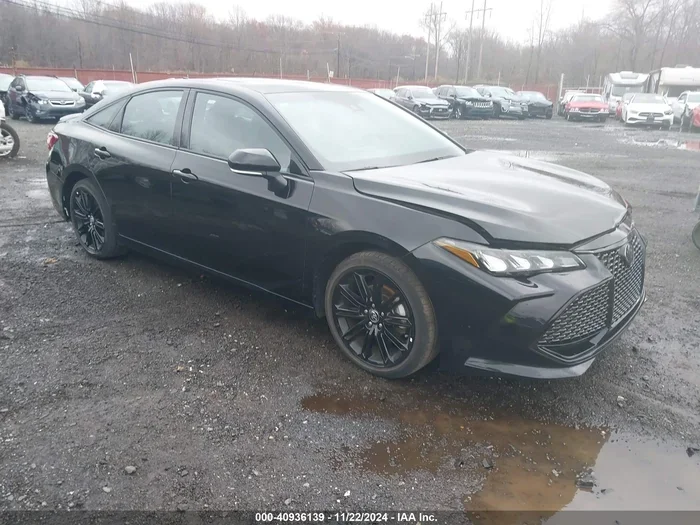
Why Is Toyota Getting Rid of Avalon and What Replaces It
Toyota is getting rid of the Avalon as part of a major shift toward SUVs and trucks. The midsize sedan struggled with declining sales and fierce competition. The Toyota Camry and the Toyota Crown are stepping in to fill the gap. This move reflects a broader industry trend away from traditional sedans.
Toyota is officially saying goodbye to the Avalon. After decades of serving loyal buyers, this full-size sedan is being phased out of the Toyota lineup. If you have ever wondered why Toyota is getting rid of the Avalon and what takes its place, you are in the right spot.
This is a big deal for Toyota fans. The Avalon has been a staple in the brand’s sedan family for a long time. It offered comfort, space, and reliability in a package that many families loved. But the automotive world is changing fast, and Toyota is adapting to stay ahead.
In this article, we will break down exactly why Toyota made this decision. We will also explore what models are stepping up to replace the Avalon. Whether you are a current Avalon owner or someone shopping for a new Toyota sedan, this guide has you covered.
The short answer is that Toyota is moving its focus toward SUVs, trucks, and crossovers. Sedans are losing ground in the market, and Toyota wants to invest its resources where the demand is strongest. But there is more to the story, and we will get into all of it below.
Key Takeaways
- Toyota is discontinuing the Avalon after a long and successful run as a full-size sedan.
- Declining sedan demand and rising SUV popularity drove the decision.
- The Toyota Camry is the primary sedan replacement in Toyota’s lineup.
- The Toyota Crown may also play a role in filling the gap left by the Avalon.
- Avalon owners should consider maintenance and resale value implications.
- Toyota’s strategy is shifting toward trucks, SUVs, and hybrids.
- The move mirrors industry-wide trends as automakers phase out sedans.
📑 Table of Contents
- The Toyota Avalon: A Brief History
- Why Toyota Is Getting Rid of the Avalon
- What Replaces the Toyota Avalon?
- How the Toyota Camry Compares to the Avalon
- What This Means for Avalon Owners
- Toyota’s Broader Strategy: The End of an Era for Sedans
- Quick Tips for Avalon Buyers and Owners
- Common Mistakes to Avoid
- Expert Insights
- Key Takeaways
- Conclusion
The Toyota Avalon: A Brief History
The Toyota Avalon first hit the road in 1994. It was designed to be Toyota’s flagship sedan in North America. Over the years, it earned a reputation for being spacious, comfortable, and dependable. Many families chose the Avalon because it felt premium without the luxury price tag.
At its peak, the Avalon was a strong seller. It competed with the Honda Accord, Nissan Maxima, and Ford Taurus. The car offered a smooth ride and plenty of room for passengers. It was a popular choice for fleet sales and family transportation alike.
But the automotive landscape shifted dramatically over the past two decades. SUV sales began to soar. Buyers started preferring taller vehicles with more cargo space and a higher driving position. Sedans, once the backbone of most automakers’ lineups, started losing their appeal.
The Avalon fought hard to stay relevant. Toyota updated the model several times with new features and styling. But the numbers told a clear story. Sales kept sliding, and Toyota needed to make a tough call. The decision to discontinue the Avalon was not sudden. It was the result of years of declining demand and shifting consumer preferences.
Why Toyota Is Getting Rid of the Avalon
Several key factors led Toyota to pull the plug on the Avalon. Understanding these reasons helps explain the bigger picture of where the auto industry is heading.
Declining Sedan Sales Across the Industry
The sedan market has been shrinking for years. Buyers are flocking to SUVs and crossovers in record numbers. According to industry data, sedans now make up a much smaller share of total vehicle sales compared to a decade ago. Toyota is not alone in this trend. Nearly every major automaker has reduced or eliminated sedan models from their lineup.
The Avalon faced tough competition from vehicles that consumers now prefer. People want the versatility of a taller ride, better ground clearance, and more cargo room. Sedans, no matter how comfortable, struggle to compete with those offerings.
Toyota’s Strategic Shift Toward SUVs and Trucks
Toyota has been aggressively expanding its SUV and truck lineup. Models like the RAV4, Highlander, 4Runner, Tacoma, and Tundra are driving the company’s growth. These vehicles command higher profit margins and stronger demand. Investing in these segments makes solid business sense.
Toyota is also pouring resources into hybrid and electric vehicles. The company wants to lead the way in sustainable transportation. The Avalon, as a gas-powered sedan, did not fit neatly into that vision. By redirecting engineering and marketing efforts, Toyota can focus on models that align with its future goals.
The Avalon Simply Could Not Compete
Let us be honest. The Avalon was a great car, but it could not match the sales volume of Toyota’s more popular models. The Camry outsells the Avalon by a wide margin. The RAV4 and Highlander do even better. When a model does not generate enough revenue to justify its production costs, automakers eventually make the call to end it.
Toyota also had to consider the cost of keeping the Avalon current with modern technology. Adding the latest safety features, infotainment systems, and hybrid powertrains requires significant investment. With declining sales, that investment would not have paid off.
Shifting Consumer Preferences
Buyers today want vehicles that do it all. They want a car that can handle daily commutes, road trips, and light off-road adventures. The tall, upright design of SUVs and crossovers appeals to this desire. The low-slung sedan design feels outdated to many modern buyers, even if it offers excellent ride quality and fuel economy.
Younger buyers, in particular, show less interest in sedans. They grew up in an SUV-dominated market and prefer vehicles that stand taller and look more commanding on the road. This generational shift is a major factor in the decline of sedans like the Avalon.
What Replaces the Toyota Avalon?
So what should Avalon buyers look at now? Toyota has several models that can step into the role left behind by the Avalon. No single car is a perfect 1:1 replacement, but these options cover different aspects of what made the Avalon appealing.
The Toyota Camry: The Primary Sedan Replacement
The Camry is the most obvious replacement for the Avalon. It is Toyota’s best-selling sedan and has been for years. While the Camry is a midsize sedan and the Avalon was a full-size sedan, the Camry offers a similar driving experience with strong reliability and comfort.
The Camry comes in several trims, including the LE, SE, SE Hybrid, XLE, and TRD. Buyers can choose between a standard 2.5-liter four-cylinder engine or a 3.5-liter V6. There is also a hybrid powertrain option that delivers excellent fuel economy. The Camry has proven itself over decades as a dependable daily driver.
If you are considering ordering a 2024 Toyota Camry, you will find that it offers much of what the Avalon provided. The Camry is spacious, comfortable, and loaded with technology. It may not have the same extra legroom in the back seat, but for most buyers, it is more than enough.
Many people wonder if the Camry can be tuned for better performance. The answer is yes, and there is a growing community of Camry enthusiasts who tune their Toyota Camry for improved power and handling. This adds another dimension to the Camry’s appeal that the Avalon never quite had.
The Toyota Crown: A Rising Star
The Toyota Crown is making a comeback in the North American market. Originally a flagship sedan in Japan, the Crown is now available as a crossover SUV in the United States. It occupies a premium position in Toyota’s lineup and offers a blend of luxury, technology, and performance.
While the Crown is not a direct sedan replacement, it does fill a similar role in Toyota’s hierarchy. It sits above the Camry and offers a more upscale experience. The Crown Hybrid is particularly impressive, combining strong fuel economy with refined styling.
For buyers who loved the Avalon’s premium feel, the Crown could be an excellent alternative. It is not as large as the Avalon, but it makes up for it with modern features and a contemporary design that turns heads.
The Toyota Highlander and Grand Highlander
If you are looking for more space and versatility, the Highlander and Grand Highlander are worth serious consideration. These three-row SUVs offer seating for up to eight passengers and a vast cargo area. They are the kind of vehicles that the modern buyer is gravitating toward.
The Highlander Hybrid is a standout option. It delivers strong fuel economy for an SUV, making it a practical choice for daily driving. The Grand Highlander takes things a step further with even more room and a more modern interior.
For families who chose the Avalon for its spacious cabin, the Highlander offers a compelling alternative. You get the same comfort and convenience features, plus the added benefit of a taller driving position and greater cargo capacity.
How the Toyota Camry Compares to the Avalon
To understand what the Camry brings to the table as an Avalon replacement, let us look at a side-by-side comparison of key features.
| Feature | Toyota Avalon | Toyota Camry |
|---|---|---|
| Size Class | Full-Size Sedan | Midsize Sedan |
| Engine Options | 3.5L V6, Hybrid | 2.5L 4-Cyl, 3.5L V6, Hybrid |
| Fuel Economy (Est.) | 22/32 mpg | 28/39 mpg (4-cyl) |
| Starting Price (Approx.) | $37,000+ | $28,000+ |
| Rear Seat Space | Generous | Good |
| Hybrid Option | Yes | Yes |
| Production Status | Discontinued | In Production |
As you can see, the Camry offers strong value. It is more fuel-efficient and starts at a lower price point. The V6 option is still available for buyers who want more power. And the hybrid version is one of the best in its class.
One thing the Avalon had going for it was its V6 engine. The Camry also offers a V6 in higher trims, so that is not lost in the transition. You can also get a V8 in a Toyota Camry through aftermarket modifications if you really want that extra power. That is not something the factory Avalon offered either.
For buyers who care about long-term ownership, the Camry has a proven track record. Many Camrys easily surpass 200,000 miles with proper maintenance. The question of whether a Toyota Camry can last 400,000 miles comes up often, and the answer is that it is certainly possible with dedicated care.
What This Means for Avalon Owners
If you currently own a Toyota Avalon, you might be wondering what comes next. The good news is that Toyota has a strong support system in place for discontinued models.
Parts availability should remain solid for the foreseeable future. Toyota has a history of supporting its vehicles long after production ends. Regular maintenance and repairs should not be a challenge, though some older Avalon-specific parts may become harder to find over time.
Resale value is another consideration. Avalon owners may see a slight dip in resale value as the model becomes discontinued. However, the Avalon has always been a reliable and desirable car, so its value should hold up reasonably well. If you are thinking about keeping your Avalon for the long haul, it remains a solid choice.
For those considering upgrading, the Camry is the most natural path forward. It offers a similar ownership experience with the added benefit of being actively developed and updated. Toyota continues to invest in the Camry, ensuring it stays competitive for years to come.
Toyota’s Broader Strategy: The End of an Era for Sedans
Toyota is not the only automaker saying goodbye to sedans. The entire industry is shifting toward crossovers, SUVs, and trucks. Ford has largely exited the sedan market. General Motors has followed a similar path. Even luxury brands are focusing more on SUVs and electric vehicles.
This shift is driven by consumer demand, profit margins, and the rise of electric vehicles. SUVs and trucks are more profitable to produce and sell. They also align better with the growing interest in electrification, as larger platforms are easier to adapt for battery technology.
Toyota’s decision to end the Avalon is part of a calculated strategy. The company wants to focus on the segments where it can be strongest. SUVs like the RAV4, Highlander, and Sequoia are growth areas. Trucks like the Tacoma and Tundra continue to dominate their segments. And the Camry remains a strong sedan anchor for buyers who still prefer a traditional car.
The Avalon’s departure also opens the door for new models. Toyota may introduce new vehicles that we have not yet seen, particularly in the crossover and electric segments. The company is investing heavily in its electrified future, and the Avalon’s exit frees up resources for those efforts.
Quick Tips for Avalon Buyers and Owners
- Consider the Camry as your primary sedan replacement. It offers reliability, comfort, and strong resale value.
- Look at the Toyota Crown if you want a more premium experience with modern styling.
- Think about a hybrid for better fuel economy and lower running costs.
- Keep up with regular maintenance on your Avalon to preserve its value and reliability.
- Check Toyota’s website for the latest updates on discontinued models and replacement options.
- Test drive the Camry before making a decision. It may surprise you how much it has in common with the Avalon.
Common Mistakes to Avoid
- Assuming the Camry is a direct 1:1 replacement. The Camry is smaller than the Avalon. Test drive both to see which fits your needs better.
- Ignoring the hybrid options. Toyota’s hybrid technology is best-in-class. It can significantly reduce fuel costs over time.
- Overlooking the Crown. The Crown offers a unique blend of luxury and practicality that might be exactly what you are looking for.
- Underestimating the value of a discontinued car. Your Avalon still has plenty of life left in it. Do not rush to replace it unless you need to.
Expert Insights
Industry analysts see Toyota’s decision to discontinue the Avalon as a smart, forward-looking move. The company is realigning its portfolio to match where the market is heading. Sedans will always have a niche audience, but the bulk of consumer demand has shifted to taller, more versatile vehicles.
Toyota’s focus on hybrids and electrification also plays a role. The Camry Hybrid and Crown Hybrid represent the future of Toyota’s sedan strategy. These vehicles offer the best of both worlds: traditional reliability and cutting-edge efficiency.
For buyers, this shift means more choices in the SUV and crossover segments. Toyota has never been stronger in those categories. The RAV4, Highlander, and Grand Highlander are all excellent options that would have been unthinkable as Avalon replacements just a decade ago.
Key Takeaways
- Toyota is discontinuing the Avalon due to declining sedan demand and a strategic shift toward SUVs and trucks.
- The Toyota Camry is the primary sedan replacement and offers a similar ownership experience.
- The Toyota Crown provides a more premium alternative with modern features and hybrid technology.
- The Highlander and Grand Highlander offer the space and versatility that some Avalon buyers valued.
- Avalon owners can expect continued parts support and should consider the Camry as a natural upgrade path.
- The decision reflects a broader industry trend away from sedans and toward crossovers and SUVs.
Conclusion
Toyota’s decision to get rid of the Avalon marks the end of an era for a beloved sedan. The Avalon served buyers well for nearly three decades, offering comfort, space, and reliability. But the automotive world has changed, and Toyota is evolving with it.
The Toyota Camry emerges as the most natural replacement for the Avalon. It carries the torch of Toyota’s sedan heritage while offering modern technology and strong fuel economy. The Toyota Crown adds a premium option for those who want something a little different. And Toyota’s SUV lineup ensures that buyers who want more space and versatility have plenty of great choices.
If you are an Avalon fan, there is no need to worry. Toyota still has a lot to offer in the sedan and crossover segments. The Camry, in particular, is a car that has earned its reputation over decades of loyal ownership. It is comfortable, reliable, and efficient. And with hybrid options available, it is also a smart choice for the future.
The end of the Avalon is not a loss. It is a sign that Toyota is listening to its customers and investing in the vehicles they want to buy. That is something every car buyer can appreciate. As Toyota continues to innovate and expand its lineup, one thing is certain: the company’s commitment to quality and reliability remains stronger than ever.
Frequently Asked Questions
Why did Toyota discontinue the Avalon?
Toyota discontinued the Avalon due to declining sedan sales and a strategic shift toward SUVs, trucks, and hybrids. The Avalon could not compete with the strong demand for taller, more versatile vehicles. Toyota wants to focus its resources on models that generate stronger sales and align with its electrification goals.
What car replaces the Toyota Avalon?
The Toyota Camry is the primary sedan replacement for the Avalon. The Toyota Crown also serves as a premium alternative. For buyers who want more space, the Highlander and Grand Highlander offer SUV options that fill a similar role. The Camry offers reliability, comfort, and strong fuel economy, making it the most logical choice.
Is the Toyota Camry better than the Avalon?
Whether the Camry is better depends on your needs. The Camry is more fuel-efficient and starts at a lower price. The Avalon offered more rear seat space and a standard V6 engine. The Camry has proven itself as one of the best sedans on the market and continues to evolve with new technology and features.
Will Toyota bring back the Avalon in the future?
There is no current indication that Toyota plans to bring back the Avalon. The company has made a clear strategic decision to move away from sedans and toward SUVs and trucks. However, the automotive industry can change, and Toyota has a history of reviving models when market conditions shift. For now, the Avalon’s discontinuation appears to be permanent.
How long will Toyota continue to support the Avalon?
Toyota typically supports its vehicles for many years after production ends. Parts availability, service manuals, and technical support will continue for the Avalon. However, some older-specific parts may become less available over time. Keeping up with regular maintenance and buying parts promptly will help ensure your Avalon stays on the road for years to come.
Can I still buy a used Toyota Avalon?
Yes, you can still find used Toyota Avalons on the market. Since the model was produced for nearly three decades, there is a large used inventory available. When buying a used Avalon, check the vehicle history report, have a mechanic inspect it, and look for well-maintained examples. The Avalon’s reputation for reliability makes it a solid used car choice.
Ready to explore Toyota’s current sedan lineup? Check out what the Toyota Camry can do for you, or learn about ordering a 2024 Camry today.