Are Toyota Camrys Front Wheel Drive Really Worth It
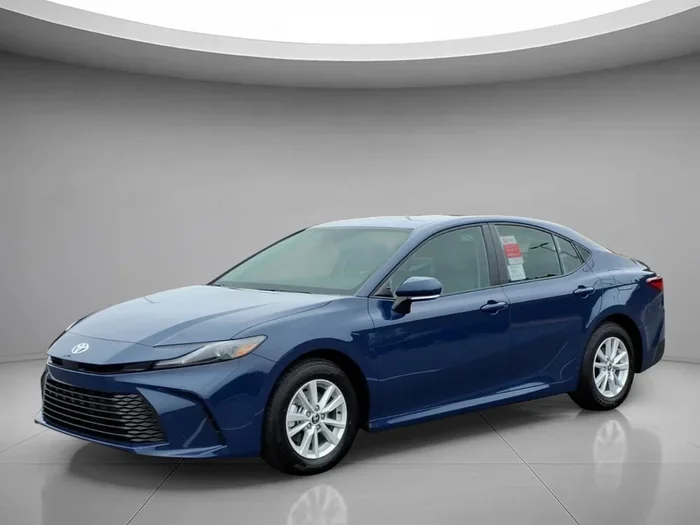
Toyota Camrys have long been a popular sedan, and most models come with front wheel drive. This drivetrain setup offers great fuel economy, easy handling, and lower maintenance costs. Whether you are commuting daily or road-tripping, a front wheel drive Camry delivers a smooth and reliable ride.
When you think about buying a new sedan, the Toyota Camry is probably one of the first names that pops into your head. And for good reason. It has been a staple in the automotive world for decades. But here is a question many buyers ask: are Toyota Camrys front wheel drive, and is that setup really worth it?
The short answer is yes. Most Toyota Camrys come with a front wheel drive configuration. This means the engine sends power to the front wheels only. It is a setup that has made the Camry one of the most popular sedans on the road. In this article, we will break down everything you need to know about the Toyota Camry front wheel drive system. We will look at how it works, what the benefits are, and whether it is the right choice for you.
Whether you are a first-time car buyer or you are simply curious about the Camry drivetrain, this guide has you covered. We will explore real-world performance, fuel economy, maintenance needs, and more. By the end, you will have a clear picture of what to expect from a front wheel drive Camry.
Key Takeaways
- Most Toyota Camrys are front wheel drive: The vast majority of Camry trims come standard with FWD, making it the go-to choice for most buyers.
- FWD offers better fuel economy: Front wheel drive Camrys tend to get excellent gas mileage compared to their AWD counterparts.
- Lower maintenance costs: FWD systems are simpler, which means fewer parts to repair and less money spent over time.
- Great for daily driving: The Camry FWD setup handles city streets and highways with ease and comfort.
- AWD is optional on some trims: If you need extra traction, certain Camry models offer all-wheel drive as an upgrade.
- Reliability is a strong suit: The Toyota Camry has a proven track record of longevity, and the FWD system is no exception.
📑 Table of Contents
- What Is Front Wheel Drive on a Toyota Camry?
- Benefits of Front Wheel Drive on a Toyota Camry
- How Does Front Wheel Drive Compare to All-Wheel Drive?
- Is a Front Wheel Drive Camry Reliable?
- Who Should Choose a Front Wheel Drive Camry?
- Common Mistakes and Misconceptions About FWD Camrys
- Expert Insight: Why Toyota Stuck with Front Wheel Drive
- Final Thoughts: Is a Front Wheel Drive Camry Worth It?
What Is Front Wheel Drive on a Toyota Camry?
Front wheel drive, often called FWD, is a drivetrain where the engine powers only the front wheels. In a Toyota Camrys front wheel drive setup, the engine sits at the front of the car. A transmission sends power through a driveshaft to the front wheels. This is the most common layout for modern sedans and compact cars.
The Camry has used front wheel drive for many generations. Toyota made this choice for good reasons. FWD allows for more interior space. It also helps keep the car lighter, which improves fuel economy. Most Camry trims from the base LE up to the XSE come with FWD as standard.
How Does the FWD System Work in a Camry?
The system is fairly straightforward. The engine produces power. That power travels through the transmission. From there, it goes to the front wheels via a set of constant-velocity joints and axles. Because the engine and driven wheels are on the same end, the car has a simpler design overall.
This simplicity is a big advantage. There are fewer moving parts compared to an all-wheel drive system. That means less can go wrong. It also makes the car more efficient. The Toyota Camry drivetrain is engineered to be reliable and low-maintenance, which is exactly what most owners want.
Benefits of Front Wheel Drive on a Toyota Camry
There are many reasons why Toyota stuck with front wheel drive for the Camry. Let us look at the biggest advantages.
Better Fuel Economy
One of the biggest perks of a front wheel drive Camry is fuel economy. Because FWD cars are lighter and have fewer drivetrain components, they burn less gas. The 2024 Camry L with FWD gets an estimated 28 mpg in the city and 39 mpg on the highway. That is impressive for a midsize sedan.
Compare that to the AWD version, and the numbers drop slightly. The AWD Camry gets around 28 mpg city and 38 mpg highway. Over time, those small differences add up at the pump. If fuel economy matters to you, FWD is the way to go.
Lower Purchase Price
Front wheel drive Camrys also tend to cost less than their AWD counterparts. The base LE trim starts at a lower price point than the equivalent AWD SE or XSE. For budget-conscious buyers, this makes FWD a smart starting point.
Easier Maintenance
With fewer parts in the drivetrain, maintenance is simpler. There is no transfer case, no rear differential, and no additional driveshaft. This means less to service during routine Toyota Camry maintenance. If you want to keep costs low over the life of the car, FWD is a clear winner.
You can also tune a Toyota Camry more easily when it has a simpler drivetrain. Fewer components mean fewer things to worry about when modifying or servicing the vehicle.
More Interior Space
Because the drivetrain is compact, Toyota engineers can use that space for cabin room. The Camry offers generous legroom in both the front and rear seats. The trunk is also larger than it would be with a more complex drivetrain layout. This makes the Camry a great family car or daily commuter.
How Does Front Wheel Drive Compare to All-Wheel Drive?
Toyota offers AWD on select Camry trims, so it is natural to wonder how the two systems stack up. Let us break it down.
When to Choose FWD
Front wheel drive is ideal for most driving situations. If you live in a mild climate where snow and ice are rare, FWD will serve you well. It is perfect for daily commuting, highway cruising, and weekend errands. Most Camry owners never feel the need for AWD.
FWD also handles well on dry and wet roads. The weight of the engine over the front wheels gives the Camry good traction in normal conditions. For the average driver, a front wheel drive Camry is more than enough.
When AWD Makes Sense
All-wheel drive becomes useful in certain situations. If you live in a region with harsh winters, AWD can provide extra confidence on slippery roads. It also helps with towing and hauling light loads. The AWD Camry sends power to all four wheels through an electronically controlled system.
However, AWD comes with trade-offs. It adds weight, reduces fuel economy slightly, and increases the purchase price. For many buyers, these downsides outweigh the benefits. But if you frequently drive in snow or need the extra traction, AWD is a worthwhile option.
Quick Comparison Table
| Feature | Front Wheel Drive | All-Wheel Drive |
|---|---|---|
| Fuel Economy (City) | 28 mpg | 28 mpg |
| Fuel Economy (Highway) | 39 mpg | 38 mpg |
| Starting Price | Lower | Higher |
| Maintenance Cost | Lower | Higher |
| Traction in Snow | Good | Better |
| Weight | Lighter | Heavier |
| Best For | Daily driving, mild climates | Snow, rough terrain |
Is a Front Wheel Drive Camry Reliable?
Reliability is one of the main reasons people buy a Toyota Camry. And the good news is that the FWD system is built to last. Toyota has engineered the Camry with durability in mind. The front wheel drive components are designed to handle hundreds of thousands of miles with proper care.
If you are wondering whether a Toyota Camrys front wheel drive model will hold up over time, the answer is a strong yes. Many Camry owners report reaching 200,000 miles or more with routine maintenance. The drivetrain is one of the simpler systems in the car, which works in its favor.
You can also check out our full reliability review of the Toyota Camry for more detailed insights. And if longevity is a top priority for you, the Camry has a strong reputation for lasting well over 200,000 miles. Some owners even push past 300,000 miles with proper care. So when it comes to durability, the front wheel drive Camry is a proven performer.
Common FWD Maintenance Tasks
Keeping your Camry’s front wheel drive system in top shape is not complicated. Here are the key maintenance tasks to stay on top of:
- Transmission fluid changes: Replace every 30,000 to 60,000 miles depending on driving conditions.
- Axle and CV joint inspections: Check for boots that are cracked or leaking grease.
- Tire rotations: Rotate tires every 5,000 to 7,500 miles to ensure even wear.
- Brake inspections: The front brakes wear faster in FWD cars since they handle most of the stopping power.
- Wheel alignments: Get an alignment every 12,000 miles or if you notice pulling to one side.
Using the right oil is also important. You can learn more about which oil is best for your Toyota Camry in our detailed guide.
Who Should Choose a Front Wheel Drive Camry?
Not everyone needs AWD. Here is a look at the types of buyers who will love a front wheel drive Toyota Camry.
Daily Commuters
If you drive to work every day on paved roads, FWD is perfect. It offers a smooth, quiet ride with excellent fuel economy. The Camry is one of the most comfortable sedans for long commutes, and the FWD setup contributes to that comfort.
Budget-Conscious Buyers
Lower purchase price, lower fuel costs, and lower maintenance costs make FWD the economical choice. If you want to get the most value out of your Camry, stick with front wheel drive.
Families
The Camry is a family-friendly sedan. The FWD layout maximizes cabin and trunk space. With rear-facing seats, a spare tire, and plenty of cargo room, the front wheel drive Camry handles family trips with ease.
First-Time Car Buyers
For new drivers, a front wheel drive Camry is forgiving and easy to handle. The car tracks straight, responds well to steering inputs, and is not overly sensitive to road conditions. It is a great first car that will last for years.
Common Mistakes and Misconceptions About FWD Camrys
Let us clear up a few common misconceptions about front wheel drive Camrys.
Misconception: FWD Means Poor Performance
Some people think front wheel drive cars are slow or boring. The Camry disproves this. The V6 engine in the XSE and XLE trims delivers 303 horsepower. That is plenty of power for highway merging and passing. The Camry can even be tuned for more performance if you are feeling adventurous.
Misconception: FWD Is Not Safe
Safety has nothing to do with whether a car is FWD or AWD. The Camry comes packed with Toyota Safety Sense features, including adaptive cruise control, lane departure warning, and automatic emergency braking. These safety systems work the same regardless of drivetrain.
Misconception: FWD Camrys Are Hard to Sell
The Camry is one of the best-selling sedans in America. FWD models sell just as well as AWD versions. Resale value is strong across all trims and drivetrain options.
Expert Insight: Why Toyota Stuck with Front Wheel Drive
Toyota engineers have a simple philosophy when it comes to the Camry. Build a car that is reliable, efficient, and affordable. Front wheel drive checks all three boxes. It is a proven technology that has been refined over decades of development.
The automaker knows that most Camry buyers prioritize fuel economy and low ownership costs over off-road capability. By keeping the Camry as a front wheel drive car, Toyota can focus its engineering efforts on refining the powertrain, improving cabin quality, and enhancing safety features.
This approach has paid off. The Camry consistently ranks among the best sedans in its class. It wins awards for reliability, value, and owner satisfaction. The Toyota Camrys front wheel drive setup is a big reason why the car continues to be a top seller year after year.
If you are still on the fence, consider this: the Camry has been around since 1982. Toyota has sold millions of units worldwide. The front wheel drive configuration has been tested and perfected over all those years. You are buying a drivetrain that works.
Final Thoughts: Is a Front Wheel Drive Camry Worth It?
The answer is a clear yes for most buyers. A Toyota Camrys front wheel drive model offers the best balance of fuel economy, affordability, reliability, and practicality. It is the drivetrain that makes the Camry the best-selling sedan it is today.
Unless you have a specific need for all-wheel drive, there is really no reason to pay extra for AWD. The front wheel drive Camry delivers everything most drivers will ever need. Smooth rides, great fuel economy, low maintenance costs, and strong resale value. That is a package that is hard to beat.
So if you are shopping for a midsize sedan, the Camry should be at the top of your list. And when you do, go with front wheel drive. You will not regret it.
If you want to explore more about the Camry, check out our article on how long a Toyota Camry can last for more insights on long-term ownership.
Frequently Asked Questions
Are all Toyota Camrys front wheel drive?
Most Toyota Camry trims come standard with front wheel drive. However, certain higher trims like the SE and XSE offer all-wheel drive as an optional upgrade. The base LE and L trims are exclusively FWD.
Is front wheel drive or all-wheel drive better for the Toyota Camry?
For most drivers, front wheel drive is the better choice. It offers better fuel economy, lower costs, and simpler maintenance. AWD is only necessary if you frequently drive in snow or need extra traction for specific conditions.
Can you drive a Toyota Camry with front wheel drive in snow?
Yes, you can drive a front wheel drive Camry in light snow. The car handles well with proper tires. However, for heavy snow or icy conditions, AWD provides better traction and confidence.
Does front wheel drive affect the Toyota Camry’s resale value?
No, front wheel drive Camrys hold their value just as well as AWD models. The Camry is a highly sought-after sedan, and drivetrain choice has minimal impact on resale price.
How often should I maintain the front wheel drive system on my Camry?
Routine maintenance like transmission fluid changes, tire rotations, and axle inspections should be done according to the owner’s manual schedule. Most tasks fall every 30,000 to 60,000 miles. Regular care keeps the FWD system running smoothly for years.
Is the front wheel drive Camry good for long road trips?
Absolutely. The Camry is one of the best sedans for long road trips. The FWD system provides a comfortable, quiet ride with excellent fuel economy. Many owners report crossing the country with no issues at all.
=== CONCLUSION ===
To wrap things up, Toyota Camrys front wheel drive models are an excellent choice for the vast majority of buyers. They offer strong fuel economy, reliable performance, and affordable ownership costs. The FWD system is simple, proven, and built to last. Whether you are commuting to work, taking road trips, or running errands around town, the front wheel drive Camry handles it all with ease and confidence.
If you are in the market for a new sedan, do not overlook the Camry. It remains one of the best options on the market today. And with front wheel drive as the standard, you get a car that is practical, efficient, and trustworthy. The Toyota Camry is a car you can count on for years to come.