Is a Cargo Net Necessary for Safe and Secure Transport
A cargo net is one of the simplest yet most effective tools for keeping your loads secure during transport. Whether you are hauling gear on a roof rack, packing a truck bed, or securing items inside an SUV, a cargo net can prevent dangerous cargo shifts. Many drivers overlook load securement until it is too late, risking accidents and fines. This guide covers everything you need to know about whether a cargo net is truly necessary for safe and secure transport. By the end, you will know exactly when and how to use one.
You have just loaded up your car for a weekend trip. Bags are stacked, coolers are wedged, and everything looks tight. Then you hit a bump. Your luggage slides sideways. A bag falls off the roof rack. It is a stressful moment that could have been avoided. This is exactly why cargo nets matter so much in everyday driving and hauling.
A cargo net is a simple mesh or fabric barrier that keeps your items from shifting during transport. Some people think they are optional extras. Others consider them essential safety gear. The truth lies somewhere in between, and it depends on what you are hauling, how far you are going, and what kind of vehicle you drive. In this article, we will explore whether a cargo net is truly necessary for safe and secure transport. We will look at the risks of unsecured loads, the different types available, and how to choose the right one for your needs.
By the end of this guide, you will have a clear answer. You will also know how to secure cargo properly, avoid common mistakes, and stay safe on the road. Let us dive in.
Key Takeaways
- Prevents cargo shift: A cargo net keeps items from moving during sudden stops or turns.
- Boosts road safety: Unsecured loads cause thousands of accidents every year, and a tie-down system helps prevent this.
- Required by law in many areas: Most regions have load securement regulations that mandate proper restraints.
- Multiple types available: From roof cargo bags to truck bed nets, there is a cargo net for every vehicle and need.
- Easy to install: Most cargo nets take just minutes to set up with no special tools.
- Saves money: Preventing cargo damage and accidents can save hundreds or thousands of dollars.
- Works with other gear: A cargo net pairs well with cargo straps, bungee cords, and cargo barriers for maximum hold.
📑 Table of Contents
- What Is a Cargo Net and Why Does It Matter?
- When Do You Actually Need a Cargo Net?
- Types of Cargo Nets for Different Vehicles
- How to Choose the Right Cargo Net
- Common Mistakes People Make with Cargo Nets
- How to Install and Use a Cargo Net Properly
- Benefits of Using a Cargo Net You Might Not Expect
- Key Takeaways
- Conclusion
What Is a Cargo Net and Why Does It Matter?
A cargo net is a flexible, mesh-based cover or restraint system designed to hold items in place during transport. They come in many shapes and sizes. You will find them for truck beds, roof racks, SUVs, and even hatchback trunks. The main goal is simple: keep your load securement tight and your cargo from flying off or sliding around.
You might wonder why this matters so much. Here is the thing — unsecured cargo is a real danger on the road. A small item shifting in your truck bed can throw off your vehicle’s balance. A large item flying off your roof rack can cause a serious accident. According to transportation safety data, unsecured loads contribute to hundreds of fatal crashes each year in the United States alone. A cargo net is one of the easiest ways to reduce this risk.
The Science Behind Cargo Shift
When your car stops suddenly, everything inside continues moving forward. This is basic physics. A bag weighing 30 pounds moving at 50 miles per hour generates a lot of force. Now imagine that bag hitting your windshield or flying out of an open truck bed. The results can be devastating. A cargo net absorbs and distributes that force across the entire load area, keeping everything where it belongs.
Think of a cargo net like a safety belt for your stuff. Just as a seatbelt keeps you in your seat during a sudden stop, a cargo net keeps your belongings from becoming dangerous projectiles. It is a small investment that pays for itself many times over in safety and peace of mind.
When Do You Actually Need a Cargo Net?
Not every trip requires a cargo net. A short drive to the grocery store with a bag in the back seat probably does not need one. But there are plenty of situations where using a tie-down system or cargo net becomes not just helpful but essential.
Here are the most common scenarios where a cargo net is a must-have:
- Roof rack transport: Whether you are carrying luggage, bikes, or kayaks, a roof cargo bag with a built-in net keeps everything from sliding off.
- Truck bed hauling: Pickup trucks are incredibly useful, but loose tools, lumber, or furniture can slide around dangerously. A truck bed cargo net solves this problem.
- Long road trips: The longer your drive, the more likely you are to encounter sudden stops, sharp turns, and varying road conditions. A cargo net adds an extra layer of load stability.
- Hauling loose or heavy items: Gravel, sand, sports equipment, and pet supplies all benefit from the containment a cargo net provides.
- Commercial transport: If you use your vehicle for work — delivering goods, hauling materials, or running a small business — secure transport with a cargo net is often a legal requirement.
The bottom line is this: if your cargo can move, it should be restrained. A cargo net is one of the simplest and most affordable ways to make that happen.
Legal Requirements for Load Securement
Many drivers do not realize that load securement laws exist in most states and countries. In the United States, the Federal Motor Carrier Safety Administration (FMCSA) has strict rules for commercial vehicles. Even for personal vehicles, many states fine drivers for unsecured loads that cause debris on the road or accidents. Using a cargo net or cargo strap system helps you stay compliant and avoid costly tickets. It also keeps other drivers safe from falling objects.
Types of Cargo Nets for Different Vehicles
Not all cargo nets are the same. Different vehicles and different hauling needs call for different types. Understanding your options helps you pick the right one.
Truck Bed Cargo Nets
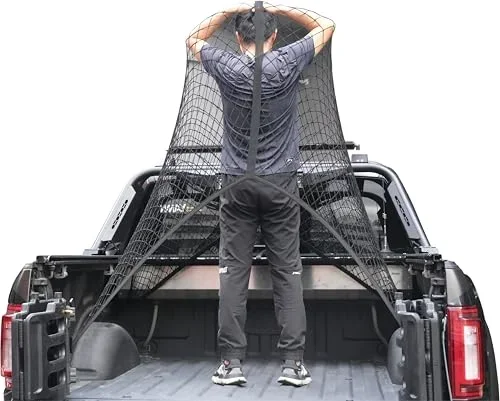
These are the most common type of cargo net. They stretch across the truck bed and attach to the stake holes or tie-down points. A truck bed cargo net is perfect for keeping smaller items from sliding around. They are lightweight, easy to install, and fold up for convenient storage. Many truck owners keep one in their bed at all times for exactly this reason.
Roof Rack Cargo Nets
If you use a roof rack, a roof cargo bag with an integrated net is a great choice. These bags are waterproof and zip closed, while the net keeps the contents from shifting inside. They are ideal for road trips where you need extra space for luggage, camping gear, or sports equipment.
SUV and Hatchback Cargo Nets
Even cars with enclosed cargo areas benefit from cargo nets. Many SUVs and hatchbacks have hooks or anchors behind the seats. A small cargo net stretched across the back seat or cargo floor prevents items from flying forward during a sudden stop. This is especially important for families with pets or young children in the front seats.
Heavy-Duty Cargo Nets
For serious hauling — construction materials, heavy equipment, or large loads — heavy-duty cargo nets made from reinforced nylon or polyester are the way to go. These are designed to handle significant weight and stress. They often work in combination with cargo straps and cargo barriers for maximum load stability.
| Type | Best For | Material | Weight Capacity |
|---|---|---|---|
| Truck Bed Net | Pickup trucks, loose items | Nylon or polyester | Up to 200 lbs |
| Roof Rack Net | Roof bags, luggage | Mesh with elastic border | Up to 75 lbs |
| SUV/Hatchback Net | Back seat or cargo floor | Lightweight nylon | Up to 30 lbs |
| Heavy-Duty Net | Construction, commercial use | Reinforced polyester | 500+ lbs |
How to Choose the Right Cargo Net
With so many options available, picking the right cargo net can feel overwhelming. But it does not have to be. A few simple considerations will guide you to the right choice.
Consider Your Vehicle Type
Start by looking at your vehicle. What kind of anchor points or tie-downs does it have? A cargo net needs to attach securely to your vehicle. If your truck has stake pockets, look for a net with hooks or loops that fit those slots. If your car has cargo hooks behind the seats, measure the distance and find a net that stretches to fit.
Think About What You Are Hauling
The type of cargo matters a lot. Loose items like groceries or beach towels need a flexible, stretchy net. Heavy or sharp items like tools or construction materials need a heavy-duty cargo net with reinforced edges. Soft items like clothing or sleeping bags work well with a standard mesh net.
Check the Weather Resistance
If you plan to transport items outdoors or through rain, choose a waterproof cargo net or pair your net with a cargo cover. UV-resistant materials also last longer when exposed to sunlight. Nobody wants their transport gear to fall apart after one season.
Size and Stretch
A cargo net should be snug but not overly stretched. Too loose, and it will not hold anything in place. Too tight, and the elastic can break quickly. Look for nets with good stretch and a size that matches your cargo area. Most manufacturers list recommended dimensions, so measure your truck bed or cargo space before you buy.
Quick Tips for Choosing
- Always measure your cargo area before purchasing.
- Choose UV-resistant and waterproof materials for outdoor use.
- Look for reinforced attachment points and durable stitching.
- Read customer reviews for real-world durability feedback.
- Buy one size larger if you plan to carry bulky or oversized loads.
Common Mistakes People Make with Cargo Nets
Even with a good cargo net, mistakes can reduce its effectiveness. Knowing what to avoid helps you get the most out of your tie-down system.
Using the Wrong Size Net
This is the most common mistake. A net that is too small will not stretch enough to secure your load properly. A net that is too large will sag and leave gaps. Always match the net size to your cargo area. When in doubt, go one size up.
Overloading the Net
Every cargo net has a weight limit. Exceeding that limit can cause the net to tear or the attachment points to rip out. Check the manufacturer’s weight rating and never exceed it. For very heavy loads, combine a cargo net with cargo straps or ratchet ties for extra support.
Skipping Regular Inspections
Over time, elastic cords lose tension, knots loosen, and stitching wears thin. A cargo net that looked perfect last month might not hold up today. Make it a habit to inspect your cargo retention gear before every trip. Replace worn nets immediately.
Ignoring the Wind Factor
Driving at highway speeds creates significant wind resistance. An improperly secured cargo net can flap, catch the wind, or even detach at high speeds. Always double-check that your net is taut and all attachment points are locked before hitting the highway.
Using Only a Cargo Net Without Other Restraints
A cargo net is excellent for containing loose items, but it works best as part of a complete secure transport strategy. Combine it with cargo straps, bungee cords, or a cargo barrier for heavy or valuable items. Layering your load securement methods provides the best results.
Expert Insights
Professional truck drivers and hauling experts agree on one thing: redundancy saves lives. Never rely on a single method of load securement. Use a cargo net as your first line of defense, then add straps, barriers, or weights as needed. The more layers of protection, the safer your cargo transport will be.
How to Install and Use a Cargo Net Properly
Installing a cargo net is straightforward, but doing it correctly makes all the difference. Here is a step-by-step guide that works for most vehicle types.
- Clean your cargo area. Remove any debris or sharp objects that could damage the net.
- Identify anchor points. Locate the hooks, stake pockets, or tie-down anchors in your vehicle.
- Stretch the net across the cargo area. Make sure it covers the entire area where items will be placed.
- Attach the net securely. Hook or loop each attachment point firmly. Tug gently to test the tension.
- Load your cargo evenly. Distribute weight across the net rather than concentrating it on one side.
- Do a final check. Push and pull the cargo gently to test if the net holds everything in place.
Following these simple steps ensures your cargo net performs at its best. It takes less than five minutes and can prevent hours of stress — or worse, a dangerous situation on the road.
Pairing Your Cargo Net with Other Securement Gear
For the best results, pair your cargo net with complementary secure transport gear. Cargo straps work great for heavy or bulky items. Bungee cords add flexibility for lighter loads. A cargo barrier separates heavy items from passenger areas. A cargo cover protects against weather and prying eyes. Together, these tools create a comprehensive load securement system that keeps everything safe.
Benefits of Using a Cargo Net You Might Not Expect
Most people think of a cargo net as a safety tool, and it certainly is that. But there are several additional benefits that often surprise people.
Organization: A cargo net keeps similar items grouped together. Instead of digging through a messy truck bed, everything stays neatly in place. This saves time and frustration, especially during busy workdays.
Protection from the elements: A mesh cargo net allows airflow while keeping rain and dirt off your items. This is especially valuable for gear like camping equipment, sports bags, and tools that rust or degrade when exposed to moisture.
Insurance and liability benefits: If you are ever involved in an accident where unsecured cargo contributed to the incident, having a tie-down system in place can positively impact your insurance claim. It shows you took reasonable steps to secure cargo properly.
Resale value: A vehicle that has been well-maintained with proper cargo retention gear looks better and functions better. Buyers notice the difference, and it can make your vehicle more appealing on the resale market.
Peace of mind: Perhaps the greatest benefit is the simple feeling of knowing your belongings are safe. Whether you are commuting to work or driving across the country, a cargo net gives you one less thing to worry about.
Key Takeaways
- Prevents cargo shift: A cargo net keeps items from moving during sudden stops or turns.
- Boosts road safety: Unsecured loads cause thousands of accidents every year, and a tie-down system helps prevent this.
- Required by law in many areas: Most regions have load securement regulations that mandate proper restraints.
- Multiple types available: From roof cargo bags to truck bed nets, there is a cargo net for every vehicle and need.
- Easy to install: Most cargo nets take just minutes to set up with no special tools.
- Saves money: Preventing cargo damage and accidents can save hundreds or thousands of dollars.
- Works with other gear: A cargo net pairs well with cargo straps, bungee cords, and cargo barriers for maximum hold.
Conclusion
So, is a cargo net necessary for safe and secure transport? The answer is a clear yes — for most driving situations that involve carrying anything beyond the basics. A cargo net is a small, affordable, and incredibly effective tool that dramatically improves load stability, road safety, and cargo retention. Whether you drive a pickup truck, an SUV, or a sedan with a roof rack, there is a cargo net that fits your needs.
The risks of unsecured cargo are real and serious. Accidents caused by shifting or falling loads happen every day. Many of these incidents are entirely preventable with proper secure transport methods. A cargo net is one of the easiest and most cost-effective steps you can take to protect yourself, your passengers, and other drivers on the road.
Take a few minutes today to assess your current load securement setup. Do you have a cargo net in your vehicle? If not, consider picking one up that matches your vehicle and hauling needs. It is a small change that makes a big difference. Safe travels start with smart preparation, and a cargo net is one of the smartest investments you can make for your vehicle and your peace of mind.
Frequently Asked Questions
Can I use bungee cords instead of a cargo net?
Bungee cords can work for light loads, but they are not as reliable as a cargo net for secure transport. Bungee cords can snap under pressure, lose elasticity over time, and do not provide full coverage. A cargo net distributes force evenly and keeps items contained from all sides.
Are cargo nets difficult to install?
Not at all. Most cargo nets are designed for quick and easy installation. They typically stretch over your cargo area and hook into existing anchor points or tie-downs. You can install one in under five minutes without any special tools or skills.
Do I need a cargo net if I have a tonneau cover on my truck?
A tonneau cover protects your truck bed from weather, but it does not prevent items from shifting inside. For loose items, a truck bed cargo net is still a smart addition. Together, a tonneau cover and cargo net provide both protection and load stability.
What size cargo net should I buy?
Measure your cargo area — the truck bed, roof rack dimensions, or back seat space — before purchasing. Choose a net that matches those measurements or is slightly larger for a snug fit. Always check the manufacturer’s recommended size and weight capacity to ensure proper cargo retention.
Can a cargo net be used for motorcycles or bicycles?
Yes. Many cargo nets work well for securing motorcycles, bicycles, and other gear on roof racks or in truck beds. Look for a heavy-duty cargo net with strong attachment points and a weight rating that matches your equipment. Always pair the net with additional cargo straps for maximum security.
How do I maintain my cargo net?
Keep your cargo net clean by wiping it down with a damp cloth and mild soap. Store it in a dry place when not in use. Inspect the elastic cords, stitching, and attachment points regularly for wear and tear. Replace your tie-down system components as soon as you notice any damage to ensure ongoing secure transport.