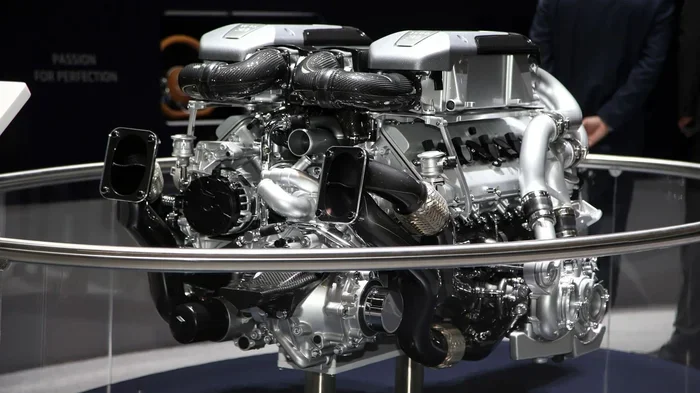
What Bugattis Quad-Turbocharged Engine Really Delivers
Bugatti’s quad-turbocharged engine is an engineering marvel that delivers insane horsepower, jaw-dropping torque, and breathtaking acceleration. This powerful powertrain combines forced induction technology with precision engineering to push hypercar performance to its absolute limits. Understanding what this engine delivers helps owners appreciate its needs and maintain it properly.
Bugatti has built some of the most powerful cars ever made. And at the heart of every single one sits a quad-turbocharged engine that defies logic. When you hear the word Bugatti, you probably think of speed, luxury, and raw power. But what does that quad-turbo setup actually deliver? And more importantly, what does it demand from the person behind the wheel?
This engine isn’t just about going fast. It’s a complex machine that blends cutting-edge forced induction with meticulous engineering. Whether you own one or you’re just curious, understanding what Bugatti’s quad-turbocharged engine really delivers gives you a whole new appreciation for what’s happening under that sleek hood.
Let’s break it all down. From how the turbochargers work to what you need to do to keep this beast running strong.
Key Takeaways
- Massive Power Output: Bugatti’s quad-turbo engine produces over 1,500 horsepower and relentless torque for unmatched speed.
- Forced Induction Technology: Four turbochargers work together to eliminate turbo lag and deliver smooth, linear power.
- High Maintenance Demands: This engine requires premium fuel, specialized oil, and strict maintenance schedules.
- Advanced Cooling Systems: The quad-turbo setup needs robust cooling to handle extreme heat and sustained performance.
- Reliability When Maintained: With proper care, this engine can deliver consistent performance for years.
- Exotic Engine Care: Owners should work with specialists who understand high-boost forced induction engines.
- Worth the Investment: The driving experience this engine delivers is unlike anything else on the road.
📑 Table of Contents
What Makes Bugatti’s Quad-Turbo Engine So Special
Most cars use one or two turbochargers. Bugatti went a completely different route. Four turbochargers. That’s a quad-turbo setup, and it’s the secret behind the insane performance numbers these cars put down. But why four? What does that actually do for the driver?
The Power of Four Turbos
A single turbocharger compresses air and forces it into the engine. More air means more fuel can burn. More fuel burning means more power. Simple enough. But there’s a catch. At low speeds, a single turbo can lag. It needs exhaust pressure to spin up, and that creates a delay.
Bugatti solved this problem with four smaller turbochargers. Each one handles a portion of the engine’s cylinders. Because they’re smaller, they spin up faster. There’s almost no lag. The power arrives smoothly and instantly. This is called forced induction, and Bugatti perfected it with the quad-turbo approach.
The result is an engine that delivers horsepower and torque numbers that sound almost fake. We’re talking over 1,500 horsepower in the Chiron and even more in the Super Sport variants. That kind of power doesn’t just happen by accident. It happens because of that four-turbo arrangement.
Why Quad-Turbo Beats Twin-Turbo at the Top End
You might wonder why not just use two bigger turbos. Twin-turbo setups work great for many engines. But at the extreme power levels Bugatti targets, four turbos give better response. Each turbo only needs to handle a quarter of the engine’s output. That means less stress on each unit. It also means more consistent boost pressure across the entire rev range.
This matters a lot when you’re driving at top speed. The engine needs to maintain full power for extended periods. Four turbos spread the workload more evenly. They stay cooler. They last longer. For a car that’s meant to hit 250 miles per hour and beyond, that engineering choice makes all the difference.
How the Quad-Turbo System Actually Works
Understanding the mechanics helps you appreciate what this engine delivers every time you turn the key. Let’s look at how the system functions in real terms.
Exhaust Gas Drives the Turbines
Here’s the basic cycle. Exhaust gases leave the engine and flow into the turbocharger. These hot gases spin a turbine. That turbine is connected to a compressor on the other side. The compressor pulls in fresh air and squeezes it before sending it into the engine cylinders.
With four turbochargers, this process happens four times simultaneously. Each turbo feeds a specific bank of cylinders. The intercooler system then cools the compressed air before it enters the engine. Cooler air is denser air. Denser air means more oxygen. More oxygen means a more powerful combustion event.
Managing Boost Pressure
The electronic engine control unit (ECU) manages boost pressure with incredible precision. It monitors throttle position, engine speed, and temperature. Then it adjusts wastegate valves to control how much exhaust gas reaches each turbo. This keeps boost levels consistent and safe.
High boost pressure is what gives these engines their massive torque numbers. But too much boost can be dangerous. The ECU prevents that by constantly adjusting. It’s a balancing act between maximum power and engine safety. And it happens thousands of times per second.
The Role of Premium Fuel
Bugatti’s quad-turbo engines require premium high-octane fuel. This isn’t optional. The high compression ratios and boost pressures demand fuel that resists detonation. Using lower-grade fuel can cause engine knock. That’s damaging and dangerous. Always use the recommended fuel grade to get the full performance the engine was designed to deliver.
What the Engine Delivers on the Road
So what does all this engineering actually feel like when you’re behind the wheel? Let’s talk about the real-world experience.
Insane Acceleration
The most obvious thing this engine delivers is acceleration that pins you to your seat. The Chiron goes from zero to 60 in about 2.4 seconds. The Super Sport variants are even quicker. That kind of acceleration isn’t just fast. It’s disorienting. Your body doesn’t fully process what’s happening.
But it’s not just about the initial burst. The quad-turbo setup delivers power consistently across a wide RPM range. You get strong acceleration from low speeds all the way through the mid-range. There’s no cliff where the power suddenly disappears. It just keeps coming.
Top Speed Performance
Bugatti engineered these cars to be the fastest production vehicles on Earth. The Chiron Super Sport 300+ broke the 300 mph barrier. That kind of speed requires an engine that can sustain maximum output for extended periods. The quad-turbo system delivers exactly that.
At those speeds, aerodynamic drag increases exponentially. The engine has to work incredibly hard to push through the air. The quad-turbo setup handles this load without breaking a sweat. That’s what separates a hypercar engine from a regular performance engine.
Daily Drivability
Here’s something people don’t expect. Despite all that power, a Bugatti is surprisingly usable as a daily driver. The turbocharged engine tuning prioritizes smooth power delivery. At low speeds, the engine behaves like a refined luxury car. The turbos stay quiet. The throttle response is natural. You can cruise comfortably at highway speeds without the engine working hard.
Then when you need it, full power is there. The transition from gentle cruising to full-throttle acceleration is seamless. That’s the magic of the quad-turbo design. It gives you both comfort and chaos.
Maintenance Essentials for a Quad-Turbo Engine
Owning a Bugatti isn’t just about the thrill of driving. It’s about taking care of one of the most complex engines ever placed in a production car. Maintenance matters more here than it does with any standard vehicle.
Oil Changes and Lubrication
The quad-turbo engine generates extreme heat and pressure. The oil has to handle all of that. High-quality synthetic oil is absolutely essential. Change it on schedule, and don’t stretch the intervals. These engines are sensitive to oil degradation.
For owners wondering about oil choices, does it really matter what oil you put in your car? With a Bugatti, the answer is a definitive yes. The oil must meet specific viscosity and performance standards. Using the wrong oil can lead to increased wear and reduced engine life.
Also, keep an eye on oil levels between changes. These engines burn a small amount of oil under normal operation. But if you notice a significant drop, get it checked immediately.
Spark Plug Maintenance
The spark plugs in a quad-turbo engine work harder than in a naturally aspirated motor. The high boost pressures and combustion temperatures mean these components degrade faster. Regular inspection and timely replacement are critical.
So, at what mileage do spark plugs go bad? For a Bugatti’s quad-turbo engine, the answer is typically around 30,000 to 60,000 miles depending on the model and driving conditions. Always follow the manufacturer’s recommended replacement schedule to maintain optimal performance.
Neglecting spark plugs can lead to misfires, reduced power, and poor fuel economy. In a car with over 1,500 horsepower, even a small misfire can feel dramatic.
Oil Life Monitoring
Modern Bugattis come with oil life monitoring systems. These track driving conditions, temperatures, and engine loads to estimate when the oil needs changing. But don’t rely solely on the system. If you drive in extreme conditions, track the miles manually too.
Want to understand how these systems work? Check out when you should change oil based on oil life percentage for general guidance on interpreting your vehicle’s monitoring system.
Engine Diagnostics and Warning Signs
Bugattis have sophisticated diagnostic systems. When something goes wrong, the car tells you. But knowing what to look for makes a big difference. Dashboard warning lights, unusual sounds, and changes in performance all signal potential issues.
If you ever find yourself dealing with warning lights, can you run diagnostics without a check engine light? Understanding your diagnostic tools helps you catch problems early before they become expensive repairs.
Regular professional inspections are non-negotiable. Find a technician who specifically works on high-performance forced induction engines. General mechanics may not have the expertise needed for a quad-turbo Bugatti powertrain.
Common Issues and How to Avoid Them
No engine is perfect, and the quad-turbo setup comes with its own set of challenges. Knowing what can go wrong helps you prevent it.
Turbo Wear and Tear
Turbochargers spin at incredibly high speeds. Over time, the bearings wear out. Oil leaks can develop. The seals that keep exhaust gases contained can degrade. When a turbo fails, it affects the entire engine’s performance.
The best way to avoid turbo issues is to follow the maintenance schedule religiously. Change the oil on time. Let the engine warm up before pushing it hard. After spirited driving, let the engine idle for a minute before shutting it off. This lets the turbos cool down gradually and prevents oil coking.
Cooling System Stress
The quad-turbo engine produces enormous amounts of heat. The cooling system works overtime to keep temperatures in check. If the cooling system isn’t maintained, overheating can occur. This leads to warped components, head gasket failures, and in worst cases, catastrophic engine damage.
Monitor your coolant levels regularly. Watch for any signs of leaking. Have the cooling system flushed and refilled at the recommended intervals. In a car that can generate this much heat, the cooling system is your first line of defense.
Low Oil Pressure Warning
One of the most critical warnings to pay attention to is low oil pressure. If your low engine oil does show on the dashboard, take it seriously immediately. Pull over safely and check your oil level. Driving with low oil in a high-performance quad-turbo engine can cause severe damage within minutes.
Keep a spare quart of the correct oil in the trunk. Know where your dipstick is and check it regularly. Prevention is always cheaper than repair.
Expert Insights on Quad-Turbo Ownership
Find the Right Specialist
Not every mechanic can work on a Bugatti. The engine management systems are proprietary. The turbocharger assemblies require specialized tools and knowledge. Always take your car to a certified Bugatti technician or a shop with proven experience in high-performance forced induction engines.
Drive It, But Respect It
These engines are built to be driven. Sitting unused for long periods can cause issues too. The seals can dry out. The battery can drain. The fluids can settle and lose their protective properties. Drive the car regularly, but do so within the engine’s limits.
Track Days Are Okay
Bugattis are capable on track. But track driving puts extra stress on the engine. Plan for more frequent maintenance if you track your car. Check fluids more often. Inspect the turbos and cooling system between events. The engine rewards care with incredible performance.
Final Thoughts
Bugatti’s quad-turbocharged engine represents the absolute pinnacle of automotive engineering. What it delivers is extraordinary. We’re talking about more than 1,500 horsepower, instant throttle response, and top speeds that redefine what’s possible on public roads. But with that extraordinary performance comes extraordinary responsibility.
Maintaining this engine requires commitment. Premium fuel, high-quality oil, timely spark plug replacements, and regular professional inspections aren’t optional. They’re the price of ownership. And the payoff is an experience that nothing else in the automotive world can match.
If you own a Bugatti or dream of owning one, understanding what the quad-turbo engine really delivers is the first step. Respect the machine. Maintain it properly. And it will reward you with performance that stays with you forever.
Frequently Asked Questions
How much horsepower does Bugatti’s quad-turbo engine produce?
Bugatti’s quad-turbocharged engines produce between 1,500 and over 1,600 horsepower depending on the model. The Chiron Super Sport 300+ and Super Sport variants push the highest numbers. This incredible output is what makes these cars among the fastest production vehicles ever built.
How often should I change the oil in a Bugatti quad-turbo engine?
Oil change intervals vary by model and driving conditions, but most Bugatti owners should change oil every 10,000 to 15,000 miles. Always use the manufacturer-recommended synthetic oil grade. If you drive aggressively or in hot climates, consider shortening the interval to protect the turbochargers and engine internals.
Can I use regular fuel in a Bugatti with a quad-turbo engine?
No. Bugatti’s high-boost quad-turbo engines require premium high-octane fuel with a minimum octane rating specified in the owner’s manual. Using lower-octane fuel can cause engine knock, which damages pistons, valves, and other internal components over time.
How long do Bugatti turbochargers last?
With proper maintenance, Bugatti turbochargers can last well over 100,000 miles. However, they are subject to wear like any rotating component. Regular oil changes, proper warm-up procedures, and allowing the engine to cool before shutdown significantly extend turbo lifespan.
What makes the quad-turbo setup different from a twin-turbo setup?
A quad-turbo setup uses four smaller turbochargers instead of two larger ones. This reduces turbo lag because each turbo spools up faster. It also distributes the workload more evenly, reducing stress on individual components and improving overall engine reliability at extreme power levels.
Is a Bugatti quad-turbo engine expensive to maintain?
Yes, maintaining a Bugatti quad-turbo engine is significantly more expensive than maintaining a standard car. Specialized parts, expert technicians, and premium fluids all contribute to higher costs. However, this investment is necessary to preserve the engine’s performance, reliability, and longevity over time.
=== CONCLUSION ===
Bugatti’s quad-turbocharged engine delivers something truly unmatched in the automotive world. The combination of four turbochargers, advanced forced induction, and precision engineering creates an engine that produces staggering power while remaining surprisingly usable in everyday driving. From the instant throttle response to the sustained top-speed performance, this engine represents what’s possible when engineering ambition meets cutting-edge technology.
Owning and maintaining this engine takes commitment. But for those who understand what it delivers, the experience is worth every effort. Respect the machine, follow the maintenance schedule, and enjoy one of the greatest engines ever created.