How Many Miles Does a BMW X3 Last Before Needing Replacement
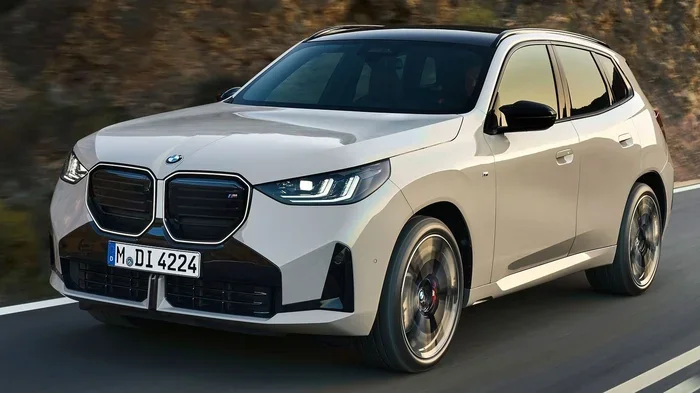
The BMW X3 is a popular luxury SUV that can last between 200,000 and 300,000 miles with proper care. Regular maintenance, timely oil changes, and attention to common issues play a huge role in extending its lifespan. Understanding what to expect helps owners plan ahead and get the most value from their BMW X3 longevity.
When you invest in a luxury SUV like the BMW X3, one question naturally comes up: how long will it actually last? The answer depends on several factors, including how well you maintain it, what model year you own, and how you drive. The good news is that the BMW X3 has a solid reputation for durability. With the right care, this vehicle can easily surpass 200,000 miles and keep running strong well into its second decade.
Whether you are buying a used BMW X3 or already own one, understanding its expected lifespan helps you make smarter decisions about repairs, replacements, and long-term ownership costs. In this guide, we will break down everything you need to know about BMW X3 mileage expectations, common issues that affect longevity, and practical tips to keep your X3 on the road for years to come.
Many owners wonder whether their X3 will outlast their own need for it. The truth is, with proper attention to maintenance schedules and early detection of problems, the BMW X3 lifespan can genuinely surprise you. Let us dive into the details.
Key Takeaways
- Lifespan: A well-maintained BMW X3 can reach 200,000 to 300,000 miles or more.
- Maintenance Matters: Sticking to the BMW maintenance schedule is the single biggest factor in extending your X3’s life.
- Common Issues: Ignoring timing belt replacements, coolant leaks, and transmission problems can shorten your X3’s lifespan significantly.
- Model Year Differences: Newer X3 models (2018+) tend to be more reliable and last longer than earlier generations.
- Cost of Ownership: Budgeting for repairs after 100,000 miles is essential for BMW X3 owners.
- Resale Value: High-mileage X3s still hold decent value if they have a documented maintenance history.
- Driving Habits: Gentle driving and avoiding extreme temperatures help maximize your X3’s engine life.
📑 Table of Contents
- How Many Miles Does a BMW X3 Last on Average?
- BMW X3 Maintenance Schedule for Maximum Lifespan
- Common BMW X3 Problems That Shorten Lifespan
- BMW X3 Repair Costs After 100,000 Miles
- Is the BMW X3 Worth Buying Used for Long-Term Ownership?
- Tips to Extend Your BMW X3’s Life Beyond Expectations
- BMW X3 Longevity: How It Compares to Competitors
- When Should You Consider Replacing Your BMW X3?
- Final Thoughts on BMW X3 Longevity
How Many Miles Does a BMW X3 Last on Average?
The average BMW X3 mileage lifespan falls somewhere between 200,000 and 300,000 miles. However, this number is not set in stone. Some owners report pushing their X3s well beyond 300,000 miles, while others see major issues emerge well before the 150,000-mile mark. What separates these two outcomes comes down to maintenance and driving habits.
According to industry data and owner reports, the BMW X3 is considered a reliable luxury compact SUV. It is not without its quirks, but the platform has proven itself over multiple generations. When compared to other vehicles in its class, the X3 holds its own in terms of long-term durability.
What Affects BMW X3 Longevity?
Several key factors influence how many miles your BMW X3 will last. Here is a closer look at what matters most:
- Maintenance Schedule: Following BMW’s recommended service intervals is critical. Skipping oil changes or ignoring warning lights accelerates wear and tear.
- Driving Conditions: Stop-and-go city driving puts more stress on the engine than highway cruising. Extreme hot or cold climates also take a toll.
- Model Year: Newer X3 models benefit from improved engineering and more reliable components. The F25 generation (2010-2017) and G01 generation (2018+) each have their own strengths.
- Driving Habits: Aggressive acceleration, hard braking, and redlining all shorten engine life. Gentle, steady driving preserves components.
- Fuel Quality: Using premium fuel as recommended by BMW helps keep the engine clean and running efficiently over the long haul.
BMW X3 Maintenance Schedule for Maximum Lifespan
Staying on top of your BMW X3 maintenance schedule is the single most important thing you can do to extend its life. BMW has specific service intervals that owners should never ignore. Here is what you need to know.
Oil Changes and Fluid Replacements
BMW recommends oil changes every 10,000 to 15,000 miles for newer models. However, many mechanics suggest sticking to 7,500-mile intervals for optimal engine health. Fresh oil keeps the engine lubricated, reduces friction, and prevents harmful buildup. Along with oil changes, you should also regularly replace:
- Engine coolant (every 30,000 to 60,000 miles)
- Transmission fluid (every 50,000 to 60,000 miles)
- Brake fluid (every 2 years or 30,000 miles)
- Power steering fluid (check every 30,000 miles)
Timing Belt and Chain
BMW X3 models equipped with the N20 engine use a timing chain, while older models may use a timing belt. The timing belt on older X3s needs replacement around 60,000 to 100,000 miles. Failing to replace it on time can result in catastrophic engine failure. Always check your specific model’s requirements and stay ahead of this critical maintenance item.
Brake System Maintenance
Brake pads and rotors are wear items that need regular attention. On the BMW X3, brake pads typically last between 30,000 and 70,000 miles depending on driving style. Rotors may need resurfacing or replacement every 60,000 to 100,000 miles. Keeping your braking system in top shape ensures safety and prevents damage to other components.
Common BMW X3 Problems That Shorten Lifespan
Every vehicle has its weak points, and the BMW X3 is no exception. Being aware of these common issues helps you catch problems early before they become expensive repairs that shorten your vehicle’s overall life.
Coolant Leaks
Coolant leaks are one of the most reported issues on BMW X3 models, especially those with the N20 engine. Leaks can come from the water pump, thermostat housing, or coolant lines. Left unchecked, coolant leaks lead to overheating, which can cause severe engine damage. If you notice a sweet smell, a puddle under your car, or a rising temperature gauge, get it checked immediately.
Oil Consumption
Some BMW X3 models, particularly those with the N20 engine, are known to consume oil at higher rates. This is not normal wear and should be addressed promptly. Low oil levels lead to increased friction, overheating, and premature engine wear. Check your oil level regularly and top it off as needed between changes.
Transmission Issues
The ZF 8-speed automatic transmission in the BMW X3 is generally reliable, but some owners report rough shifting or hesitation after 80,000 to 100,000 miles. Regular transmission fluid changes go a long way in preventing these issues. If you notice any unusual behavior, have it diagnosed early.
Electrical Gremlins
As BMW X3s age, electrical issues can start popping up. These range from minor annoyances like flickering lights to more serious problems with the iDrive infotainment system or sensor malfunctions. While electrical issues rarely cause a vehicle to fail completely, they can affect your driving experience and resale value.
BMW X3 Repair Costs After 100,000 Miles
One of the biggest concerns for BMW X3 owners is the cost of ownership as the vehicle accumulates miles. Luxury vehicles naturally cost more to maintain than economy cars, but understanding what to expect helps you budget effectively.
After 100,000 miles, you should start setting aside money for larger repairs. Common expensive fixes include:
- Timing chain tensioner: $500 to $1,200
- Water pump replacement: $600 to $1,000
- Valve cover gasket leak: $400 to $800
- Transmission service: $300 to $600
- Suspension components: $400 to $1,500 per assembly
These costs can add up, but they are manageable with proper planning. Many owners find that the driving experience and luxury features of the X3 are worth the investment. Compared to the cost of a new vehicle, maintaining a well-cared-for X3 is often more affordable than you might expect.
It is also worth noting that the cost of BMW X3 maintenance cost tends to decrease after the initial break-in period. Once you get past the 100,000-mile mark, the big expenses are behind you, and routine maintenance becomes more straightforward.
Is the BMW X3 Worth Buying Used for Long-Term Ownership?
The BMW X3 is absolutely worth buying used if you plan to keep it for the long haul. Used X3s offer incredible value, especially models from 2015 and newer. Here is why:
- Depreciation Advantage: BMW X3s depreciate faster in the first 3 to 5 years. Buying used lets the original owner absorb that loss.
- Proven Reliability: By the time a used X3 reaches the market, many early production issues have been addressed through recalls and technical updates.
- Lower Insurance Costs: Used luxury vehicles cost less to insure than new ones.
- Strong Resale Value: The X3 holds its value better than many competitors in the luxury SUV segment.
When shopping for a used BMW X3, always request a full vehicle history report. Look for documented maintenance records and have a pre-purchase inspection performed by a qualified mechanic. These steps protect your investment and give you confidence in the vehicle’s remaining lifespan.
Tips to Extend Your BMW X3’s Life Beyond Expectations
Want to push your BMW X3 past the 300,000-mile mark? These practical tips can help you get there.
- Follow the Maintenance Schedule: Do not skip service intervals. Every oil change, fluid flush, and inspection matters.
- Address Issues Early: Small problems become big expensive ones when ignored. A rattling sound or a warning light is your car asking for help.
- Use Genuine BMW Parts: Aftermarket parts vary in quality. Genuine BMW parts are designed specifically for your vehicle and offer the best fit and performance.
- Keep It Clean: Regular washing and waxing protect the paint and undercarriage from corrosion. Winter road salt is especially damaging.
- Store Properly: If you have a seasonal vehicle, store it in a garage and use a battery tender to keep the electrical system healthy.
- Drive Gently: Avoid hard starts, aggressive stops, and excessive idling. Smooth driving reduces stress on every component.
Quick Tips for BMW X3 Owners
- Check tire pressure monthly to improve fuel economy and tire life.
- Replace spark plugs every 60,000 to 100,000 miles depending on your engine.
- Keep an eye on your coolant level between service visits.
- Warm up the engine for 30 seconds before driving in cold weather.
- Use a diagnostic scanner to check for error codes regularly.
BMW X3 Longevity: How It Compares to Competitors
To put the BMW X3’s lifespan in perspective, let us compare it to some popular competitors in the luxury compact SUV segment. The table below shows average expected lifespans for vehicles in the same class.
Comparison Table: Luxury Compact SUV Lifespan
Vehicle | Average Lifespan (Miles) | Key Strength
BMW X3 | 200,000 – 300,000 | Balanced performance and luxury
Lexus GX | 250,000 – 350,000 | Exceptional reliability
Mercedes GLC | 180,000 – 280,000 | Refined driving experience
Audi Q5 | 190,000 – 280,000 | Strong engineering and Quattro system
Acura RDX | 200,000 – 300,000 | Value and reliability
As you can see, the BMW X3 sits comfortably in the middle of the pack. It may not be the longest-lasting luxury SUV on paper, but with proper care, it easily reaches the upper end of its expected range. For those wondering how this compares to more mainstream vehicles, the BMW X3 longevity actually rivals many reliable sedans and trucks on the road today.
If you are curious about how other popular vehicles stack up in terms of longevity, you might find it interesting to compare the BMW X3 to models like the Buick Enclave or Jeep Wrangler. For instance, the Buick Enclave is known for lasting well over 200,000 miles with proper maintenance, and Jeep Wranglers are famous for reaching 300,000 miles or more thanks to their simple, robust engineering. These comparisons show that the X3 holds its own in the broader automotive landscape.
When Should You Consider Replacing Your BMW X3?
Knowing when to retire a vehicle is just as important as knowing how to keep it running. Here are clear signs that your BMW X3 may be approaching the end of its useful life:
- Major Engine or Transmission Failure: When repair costs exceed the vehicle’s value, replacement often makes more financial sense.
- Frame or Structural Rust: Rust that compromises the frame or safety structures is a serious safety concern.
- Chronic Electrical Problems: If multiple electrical systems fail and repairs are ongoing, the vehicle may not be worth fixing.
- Emissions Failures: Older X3s that cannot pass emissions tests may not be legal to drive in certain areas.
- Safety Feature Limitations: Older models lack modern safety features like automatic emergency braking and blind-spot monitoring.
Replacing a BMW X3 is a significant decision. Weigh the cost of repairs against the benefits of a newer model with improved technology, safety features, and fuel efficiency. Many owners find that the transition to a newer X3 or a different luxury SUV is well worth the investment when the time comes.
Final Thoughts on BMW X3 Longevity
The BMW X3 is a capable, luxurious, and surprisingly durable vehicle. With an expected lifespan of 200,000 to 300,000 miles, it offers excellent value for owners who commit to regular maintenance and drive responsibly. The key to maximizing your X3’s life is simple: stay on top of service, address problems early, and treat the vehicle with care.
Whether you are a current X3 owner planning for the long haul or a buyer considering a used model, understanding what the BMW X3 can handle gives you confidence. This is a vehicle that rewards attention and care with years of reliable, enjoyable driving. Stick to the maintenance schedule, budget for inevitable repairs, and your BMW X3 will keep serving you well for a very long time.
Remember, every mile you put on your X3 is a mile well spent if you have taken the right steps to protect your investment. Drive smart, maintain diligently, and enjoy the ride.
Frequently Asked Questions
How many miles can a BMW X3 realistically last?
A well-maintained BMW X3 can realistically last between 200,000 and 300,000 miles. Some owners have reported exceeding 300,000 miles with diligent care. Your mileage results will depend heavily on maintenance habits and driving conditions.
Is the BMW X3 reliable for long road trips?
Yes, the BMW X3 is a reliable choice for long road trips. Its engine and transmission are designed for sustained highway driving. Just make sure to check fluid levels, tire pressure, and perform all scheduled maintenance before embarking on a long journey.
What is the most common reason a BMW X3 fails early?
The most common reason is neglected maintenance. Skipping oil changes, ignoring coolant leaks, or failing to replace the timing belt on schedule leads to premature engine and component failure. Regular care prevents most early failures.
Are newer BMW X3 models more reliable than older ones?
Generally, yes. Newer BMW X3 models benefit from improved engineering, better materials, and updated components. The G01 generation (2018+) is considered more reliable than earlier F25 models. However, all models require consistent maintenance to reach high mileage.
How much does it cost to maintain a BMW X3 over its lifetime?
Expect to spend between $8,000 and $15,000 on maintenance over the full lifespan of a BMW X3. Costs increase after 100,000 miles as larger repairs become more frequent. Budgeting for these expenses helps avoid surprises.
Can a BMW X3 last 300,000 miles?
Yes, a BMW X3 can last 300,000 miles with proper maintenance, careful driving, and timely repairs. Owners who follow the service schedule and address issues early are the most likely to reach this milestone. It requires commitment but is absolutely achievable.