How Long Does It Take to Charge BMW Battery Quickly
Charging a BMW battery typically takes between 2 and 6 hours depending on the charger type, battery size, and whether the battery is completely dead. Using a smart charger on a partially drained battery is the fastest and safest method. This guide covers every charging scenario so you can get back on the road quickly.
Key Takeaways
- Standard charging takes 2-6 hours: A fully depleted BMW battery usually needs 3-6 hours with a proper charger.
- Trickle chargers are slow but safe: They can take 12-24 hours but are gentle on your battery health.
- Smart chargers are the best option: They adjust the charge rate automatically and prevent overcharging.
- Cold weather slows charging significantly: Winter temperatures can double your charging time.
- Jump-starting is not a long-term fix: It provides a temporary boost but does not fully charge the battery.
- Regular maintenance extends battery life: Simple habits can prevent frequent charging needs.
📑 Table of Contents
Why BMW Batteries Need Special Attention
BMW vehicles come packed with advanced electronics. From the iDrive system to heated seats and adaptive headlights, your car draws more power than a standard vehicle. This means the BMW battery charging time can vary quite a bit compared to other cars.
Most BMW models use either an AGM or lithium-ion battery. These batteries are high-performance but also more sensitive to charging methods. Using the wrong charger can damage the battery or shorten its lifespan significantly.
Understanding how your BMW battery works is the first step toward keeping it healthy. Once you know what drains it and how to recharge it properly, you save both time and money in the long run.
How Long Does It Take to Charge BMW Battery
The answer depends on several factors. A BMW battery charging time estimate changes based on the charger you use, the battery condition, and the temperature outside. Let us break it down by scenario.
Using a Standard Smart Charger
A smart charger delivers the optimal charge rate for your BMW battery. If your battery is about 50% drained, you can expect a full charge in roughly 2 to 3 hours. If the battery is completely dead, plan for closer to 5 or 6 hours.
Smart chargers monitor the battery voltage and adjust the current automatically. This prevents overcharging, which is one of the biggest mistakes people make. Overcharging can cause the battery to overheat and lose capacity over time.
Using a Trickle Charger
Trickle chargers deliver a very low, steady current. They are safe and simple but slow. A completely dead BMW battery may need 12 to 24 hours on a trickle charger.
Trickle chargers work best as maintenance chargers. If you store your BMW for weeks at a time, a trickle charger keeps the battery topped off without any risk of damage. It is not the fastest option, but it is the gentlest.
Using a Jump Starter
A jump starter provides a quick burst of power to crank the engine. However, it does not fully charge the battery. Think of it as a temporary rescue, not a real charging solution.
After a jump start, you should drive your BMW for at least 20 to 30 minutes to let the alternator recharge the battery partially. For a full charge, you still need to connect a proper charger.
Types of BMW Battery Chargers and Their Speeds
Not all chargers are created equal. The type of charger you choose has a huge impact on your BMW battery charging time. Here is a closer look at the most common options.
Standard Battery Charger
A standard charger delivers a fixed amperage, usually between 4 and 10 amps. For a BMW battery, a 4-amp charger is ideal. It charges steadily without stressing the cells.
At 4 amps, a fully dead BMW battery takes about 10 to 12 hours. A half-drained battery takes around 4 to 6 hours. This is the most affordable option and works well for routine charging.
Smart or Automatic Charger
Smart chargers are the gold standard for BMW batteries. They detect the battery condition and adjust the charge rate accordingly. Many models also have a maintenance mode that keeps the battery at peak charge without overcharging.
With a smart charger, a partially drained BMW battery charges in 2 to 4 hours. A completely dead battery might take 5 to 7 hours. The extra time is worth the protection these chargers provide.
Fast Charger
Fast chargers can push higher amperage, sometimes 20 amps or more. While they charge quickly, they can be too harsh for AGM and lithium-ion batteries. Using a fast charger regularly may reduce your battery life.
Reserve fast chargers for emergencies only. If you must use one, monitor the battery temperature closely and never leave it unattended.
Comparison Table
| Charger Type | Amperage | Charge Time (Dead Battery) | Best For |
|---|---|---|---|
| Trickle Charger | 0.5-2 amps | 12-24 hours | Long-term maintenance |
| Standard Charger | 4-10 amps | 6-12 hours | Routine full charges |
| Smart Charger | 2-8 amps (auto) | 3-7 hours | BMW battery safety and health |
| Fast Charger | 20+ amps | 1-3 hours | Emergency use only |
Common Reasons BMW Batteries Drain Quickly
If you find yourself charging your BMW battery frequently, something is causing excessive drain. Identifying the root cause saves you from repeated charging sessions and extends your battery life.
Parasitic Draw from Electronics
Modern BMWs have many systems that draw power even when the car is off. The clock, alarm system, and onboard computer all consume a small amount of energy. In some cases, a faulty module can cause a parasitic draw that drains the battery overnight.
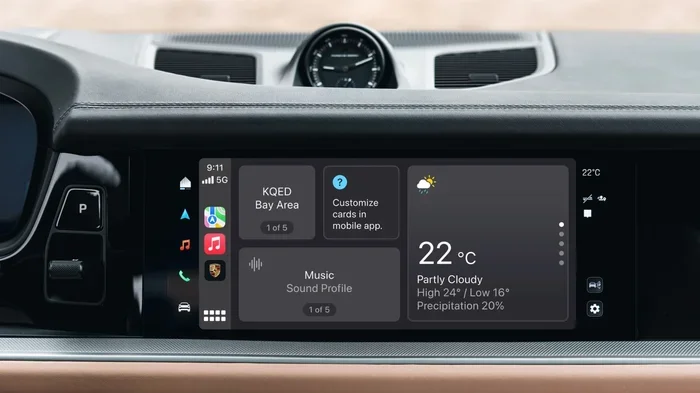
Interestingly, features like Carplay can also contribute to battery drain when the car is parked. If you notice your battery dying after using connected features, this could be a clue. You can learn more about this in our article on Does Carplay Drain Battery.
Extreme Temperatures
Both hot and cold weather affect battery performance. In cold weather, the chemical reactions inside the battery slow down, making it harder to hold a charge. In extreme heat, the battery fluid can evaporate faster, reducing capacity.
During winter, your charging time will naturally increase. A battery that charges in 3 hours in summer might take 5 or 6 hours in freezing temperatures. This is normal and not a sign of a failing battery.
Old or Failing Battery
BMW batteries typically last 4 to 5 years. After that, they lose their ability to hold a full charge. If you notice your battery dies frequently even after a full charge, it may be time for a replacement.
A low battery key fob can also drain your car battery over time. If your key fob battery is weak, it sends a weaker signal that forces the car’s receiver to work harder, which draws more power. Check out our guide on Can A Low Battery Key Fob Drain A Car Battery for more details.
Lights Left On
This seems obvious, but it happens more often than you think. BMWs with auto light settings usually turn off the lights after a set time. However, if the auto function fails or the car is in a garage, the lights may stay on for hours.
Leaving the headlights on overnight can leave your battery too weak to start the car. In this case, you will need a full charge cycle, which takes several hours with a proper charger.
Tips to Charge Your BMW Battery Faster and Safely
Follow these practical tips to reduce your charging time and protect your battery health.
- Always use a smart charger. It adjusts the current automatically and prevents overcharging. This is the single best investment you can make for your BMW battery.
- Charge in a warm, dry place. Batteries charge faster at room temperature. If possible, charge your BMW in a heated garage during winter months.
- Turn off all electronics before charging. Remove phone chargers, disconnect Carplay, and make sure all lights are off. This ensures all the charger power goes directly to the battery.
- Check the battery voltage before charging. A healthy BMW battery reads 12.6 volts or higher when the engine is off. If it reads below 12.0 volts, the battery may need a longer charging session.
- Drive your BMW after charging. Driving for 20 to 30 minutes helps the alternator top off the battery. It also circulates the electrolyte solution inside the battery cells.
Quick Tips
- Keep your charger cables clean and free of corrosion for the best connection.
- Never charge a frozen battery. Let it warm up to room temperature first.
- Label your charger with the date you last used it so you remember maintenance schedules.
- If your BMW has a battery management system, reset it after a full charge for accurate readings.
When to Replace Your BMW Battery Instead of Recharging
Sometimes charging is not the answer. A severely degraded battery will not hold a charge no matter how long you leave it on the charger. Here are the signs that replacement is needed.
Warning Signs Your BMW Battery Is Failing
- The engine cranks slowly when you turn the key.
- The battery warning light appears on your dashboard frequently.
- You need to jump-start your car more than once a month.
- The battery is more than 5 years old and struggles to hold a charge overnight.
- You notice a swollen or bloated battery case.
If you experience any of these symptoms, a new battery is likely your best option. Most BMW batteries cost between $200 and $500 depending on the model and battery type. Installation at a dealership typically adds another $100 to $200, but some independent shops can do it for less.
After replacing your battery, you may need to reset certain systems. Some BMW models require a battery registration process using specialized diagnostic equipment. Check with your service provider to confirm whether this step is needed for your specific model.
Expert Insight
Many BMW owners assume a dead battery means it needs replacement. In reality, a fully discharged battery can often be recovered with a proper slow charge. Before buying a new battery, try charging the old one with a smart charger for 6 to 8 hours. If it holds a charge afterward, you saved yourself the cost of a new one.
Key Takeaways
- Standard smart charging takes 2-6 hours depending on how drained the battery is.
- Trickle chargers are slow but gentle: Use them for long-term storage maintenance.
- Jump-starting is a temporary fix only: Always follow up with a proper charge.
- Cold weather doubles charging time: Plan accordingly during winter months.
- Smart chargers are the safest choice: They prevent overcharging and extend battery life.
- Frequent draining signals a problem: Check for parasitic draws or a failing battery.
- Drive after charging: It helps the alternator complete the charging process.
Frequently Asked Questions
Can I charge my BMW battery at home?
Yes, you can absolutely charge your BMW battery at home. All you need is a compatible charger that matches your battery type, whether AGM or lithium-ion. Smart chargers are the best choice because they adjust the charge rate automatically and keep your battery safe. Just make sure you have a power outlet near where you park your car, and you will be good to go.
Is it safe to leave a BMW battery charging overnight?
It is safe if you use a smart charger with an automatic shutoff feature. Smart chargers detect when the battery is full and stop delivering current, which prevents overcharging. However, if you are using a basic charger without this feature, do not leave it unattended overnight. Always check your charger manual before leaving it connected for extended periods.
How do I know if my BMW battery needs replacing or just recharging?
If your battery holds a charge after a full charging cycle, it just needs recharging. If it dies again within a day or two, the battery is likely failing and needs replacement. You can also check the battery age. Most BMW batteries last 4 to 5 years, so if yours is older, replacement is the smarter choice. A load test at an auto parts store can also tell you the battery’s true condition.
Does cold weather affect BMW battery charging time?
Yes, cold weather significantly increases charging time. At freezing temperatures, the chemical reactions inside the battery slow down, which means the charger has to work longer to reach a full charge. During winter, expect your charging time to increase by 30 to 50 percent compared to warmer months. Parking your BMW in a heated garage can help reduce this effect.
What is the best charger for a BMW battery?
A smart or automatic charger is the best option for BMW batteries. These chargers adjust the amperage based on the battery condition and type, which protects sensitive AGM and lithium-ion cells. Look for a charger with a maintenance mode if you plan to store your BMW for extended periods. Avoid fast chargers for regular use, as they can reduce battery longevity over time.
Can a dead BMW battery be fully recharged?
In most cases, yes. A completely dead BMW battery can be fully recharged using a smart charger over 5 to 7 hours. However, if the battery has been dead for an extended period or shows signs of physical damage like swelling, it may not recover fully. A battery tester can help you determine whether the dead battery is worth recharging or if replacement is the better option.
=== CONCLUSION ===
Charging your BMW battery does not have to be a mystery. With the right charger and a little patience, most batteries are fully charged within 2 to 6 hours. The key is choosing a smart charger, charging in moderate temperatures, and understanding when a dead battery needs replacement instead of another charge cycle.
Regular maintenance and simple habits like turning off electronics when the car is parked go a long way. Your BMW battery works hard to power all those advanced systems, and treating it well means fewer surprises and more reliable starts every time you turn the key.
Take the time to learn your battery’s needs, invest in a quality charger, and your BMW will reward you with years of dependable performance. A little attention today saves you from a frustrating morning tomorrow.