How to Maintain a Haval and Keep It Road Ready Always
Knowing how to maintain a Haval keeps your SUV running strong for years. This guide covers oil changes, brake care, tire maintenance, and more. Follow these simple steps and your Haval will stay road ready always.
Owning a Haval SUV is a great experience. These vehicles offer strong performance, modern features, and solid build quality. But like any car, they need regular care to keep running at their best. How to maintain a Haval is a question every owner should have a clear answer for.
Whether you drive a Haval H6 or a Haval F7, basic maintenance keeps your ride safe and reliable. Skipping simple tasks leads to bigger problems down the road. A well-maintained Haval lasts longer, runs smoother, and holds its value better. This guide walks you through everything you need to know about Haval maintenance in plain, easy-to-follow steps.
We will cover oil changes, brake care, tire maintenance, fluid checks, and seasonal prep. You will also learn when to handle tasks yourself and when to visit a professional. By the end, you will feel confident keeping your Haval in top shape all year long. Let us get started with the basics that every Haval owner should know.
Key Takeaways
- Regular oil changes every 5,000 to 7,500 miles are the foundation of Haval maintenance and engine longevity.
- Checking fluid levels monthly including coolant, brake fluid, and transmission fluid prevents costly repairs.
- Tire rotation and alignment every 5,000 miles ensures even wear and better fuel economy.
- Replacing air filters and spark plugs on schedule keeps your engine running efficiently.
- Following the factory service schedule protects your Haval warranty and resale value.
- Winter and summer prep tackles seasonal challenges before they become problems.
- DIY basics save money while professional services handle complex systems safely.
📑 Table of Contents
Why Maintaining Your Haval Matters
Regular maintenance is not just about avoiding breakdowns. It is about protecting your investment. A Haval SUV represents a significant purchase. Keeping it in good shape preserves both its performance and its resale value. When you know how to maintain a Haval properly, you avoid surprise repair bills.
Think of maintenance like brushing your teeth. Small daily habits prevent big problems later. A car that gets regular care simply lasts longer. Engines run cleaner. Transmissions shift smoother. Brakes stop more reliably. Every system in your Haval benefits from consistent attention.
Understanding Your Haval Warranty
Before you dive into maintenance tasks, check your warranty. Following the factory service schedule is important. Can I take my Toyota to any dealership for warranty work is a common question among SUV owners, and the same principle applies to Haval. Stick to recommended service intervals to keep your warranty valid. Skipping required services could void your coverage.
Your warranty typically covers certain repairs for a set period or mileage. But it does not cover damage from neglect. Regular maintenance is your responsibility as an owner. Keep all service records in a safe place. They prove you cared for the vehicle properly.
Essential Oil and Fluid Maintenance
Fluids are the lifeblood of your Haval. They keep every system lubricated, cooled, and working correctly. Checking and changing fluids should be at the top of your Haval maintenance checklist. Most of these tasks are simple and affordable.
Engine Oil Changes
Engine oil keeps all moving parts inside your motor from grinding against each other. Over time, oil breaks down and loses its effectiveness. Dirty oil causes extra wear on engine components. This leads to reduced performance and potential damage.
Most Haval models need an oil change every 5,000 to 7,500 miles. Check your owner manual for the exact interval. Use the oil grade recommended by Haval. Synthetic oil often lasts longer and provides better protection. Here are some quick tips for oil changes:
- Check oil level monthly using the dipstick
- Look for dark or gritty oil, which signals a change is due
- Replace the oil filter with every oil change
- Never overfill or underfill the crankcase
- Keep a log of every oil change date and mileage
Coolant and Overheating Prevention
Coolant regulates your engine temperature. Without enough coolant, your engine can overheat quickly. Overheating causes serious damage that can be expensive to repair. One common cause of overheating is a clogged catalytic converter that restricts exhaust flow and traps heat in the engine bay. Another culprit is a failing bad catalytic converter that creates back pressure and forces the engine to work harder than it should.
Check your coolant reservoir monthly. The fluid should be between the minimum and maximum marks. If the level drops frequently, have a mechanic inspect for leaks. Flush and replace coolant according to your service schedule, typically every 30,000 to 50,000 miles. Never open the radiator cap when the engine is hot. The pressurized steam can cause serious burns.
Brake Fluid and Transmission Fluid
Brake fluid transfers force from your foot to the brake calipers. It absorbs moisture over time, which reduces braking performance. Check brake fluid levels every few months. Replace it every two years or as recommended in your manual.
Transmission fluid keeps your gears shifting smoothly. It also cools the transmission internally. Check the transmission fluid with the engine warm and running. Look for a reddish color. Dark or burnt-smelling fluid needs replacement. Most Haval models need a transmission fluid change around 60,000 miles.
Tire Care and Maintenance
Your tires are the only part of your Haval that touches the road. They affect safety, fuel economy, and ride comfort. Proper tire maintenance is one of the simplest yet most impactful things you can do.
Tire Pressure and Rotation
Check tire pressure at least once a month. Underinflated tires wear out faster on the outer edges of the tread. Overinflated tires wear out faster in the center. Both conditions reduce grip and increase stopping distance. Use a reliable tire gauge and compare readings to the sticker on your driver door jamb.
Rotate your tires every 5,000 to 7,500 miles. Rotation ensures even wear across all four tires. Uneven wear means you replace tires sooner than necessary. Most tire shops will rotate tires for a small fee or sometimes for free with a purchase.
Alignment and Balancing
Wheel alignment affects how your Haval handles on the road. A misaligned vehicle pulls to one side. The steering wheel may feel off-center. Tires wear unevenly and prematurely. Get a professional alignment check if you notice any of these signs.
Hitting potholes or curbs can knock your alignment out of spec. Road conditions in some areas make alignment checks even more important. A proper alignment improves fuel economy and makes your ride more comfortable. It also extends the life of your tires significantly.
Brake System Maintenance
Your brakes are arguably the most important safety system on your Haval. Regular brake maintenance keeps you and your passengers safe. It also prevents expensive repairs down the line.
Brake Pads and Rotors
Brake pads wear down over time through normal use. Most pads last between 30,000 and 70,000 miles depending on driving habits. Listen for warning signs like squealing or grinding noises when braking. A grinding sound usually means the pads are completely worn and metal is pressing against the rotor.
Have your brake pads inspected during every oil change. Mechanics can measure pad thickness and tell you how much life remains. Replacing pads early prevents damage to the more expensive rotors. Here is a simple brake care routine:
- Listen for unusual sounds when braking
- Check pad thickness every 10,000 miles
- Replace pads when they reach 3mm thickness
- Resurface or replace rotors if they are warped or scored
- Always replace pads on both sides of the axle
Brake Fluid and Lines
Brake fluid should be clear or light amber in color. Dark fluid indicates moisture contamination. Brake lines should be inspected for leaks, corrosion, or damage. A soft or spongy brake pedal often signals air in the brake lines or low fluid. This is a safety concern that needs immediate attention.
Engine and Electrical System Care
Your Haval engine is a complex system with many components working together. Regular care keeps everything running smoothly. Electrical issues can be frustrating, but many are easy to prevent.
Air Filter and Spark Plugs
The engine air filter prevents dust and debris from entering the combustion chamber. A clogged filter reduces airflow and hurts engine performance. Check the air filter every 15,000 miles and replace it when it looks dirty. This is one of the easiest and cheapest maintenance tasks you can do yourself.
Spark plugs ignite the fuel-air mixture in your engine cylinders. Worn spark plugs cause rough idling, poor acceleration, and reduced fuel economy. Most Haval models need spark plug replacement every 30,000 to 60,000 miles. Check your owner manual for the exact interval.
Battery Maintenance
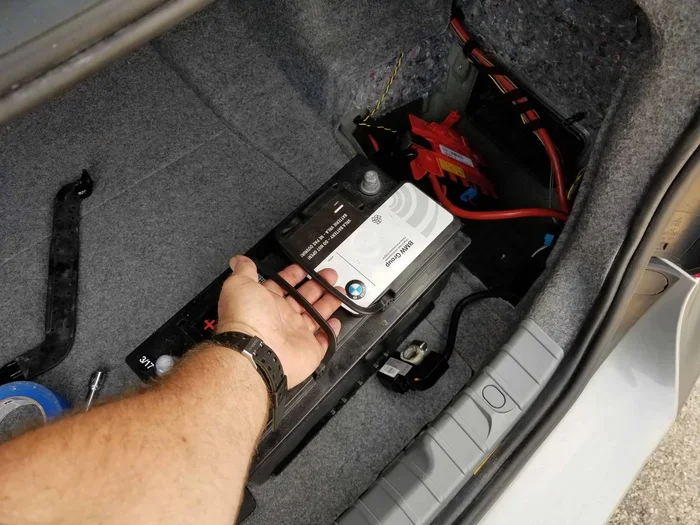
Car batteries typically last three to five years. Extreme temperatures shorten battery life. Hot weather causes fluid evaporation, and cold weather reduces cranking power. Keep your battery terminals clean and free of corrosion. A white or greenish buildup on the terminals signals a connection problem.
You can clean battery terminals with a wire brush and a baking soda solution. Always disconnect the negative terminal first. If your battery is more than three years old, have it tested at each service visit. Many auto parts stores offer free battery testing.
Warning Lights and Diagnostics
Your Haval dashboard has many warning lights for a reason. Do not ignore them. The check engine light, oil pressure light, and battery light all signal important issues. If a warning light comes on, get it checked promptly. Some dealerships charge a diagnostic fee to read error codes, so ask about the cost upfront. Addressing small issues early prevents them from becoming major repairs.
Seasonal Maintenance Checklist
Every season brings different challenges for your Haval. A seasonal checklist helps you stay ahead of potential problems. Preparing your vehicle for weather changes keeps you safe on the road.
Summer Prep
Hot weather puts extra stress on your cooling system. Before summer arrives, check your coolant level and condition. Inspect your air conditioning system to make sure it blows cold air. Your tires also need attention during summer months. Hot pavement increases tire pressure, so check levels more frequently. How hot can a car get in the sun is a relevant concern, as extreme cabin temperatures also affect interior components and electronics over time.
- Test your air conditioning system early in spring
- Check coolant level and hose condition
- Inspect tires for uneven wear and proper pressure
- Top off windshield washer fluid
- Check your belts for cracks or wear
Winter Prep
Cold weather affects battery performance, fluid viscosity, and tire grip. Before winter sets in, have your battery tested. Switch to winter-grade washer fluid to prevent freezing. If you live in a snowy area, consider winter tires for better traction. Let your engine warm up for a minute or two before driving gently.
- Test or replace your battery if it is over three years old
- Use winter-grade windshield washer fluid
- Check tire tread depth for adequate winter grip
- Ensure your heater and defroster work properly
- Keep an emergency kit in your trunk
DIY Maintenance vs. Professional Service
Knowing when to do it yourself and when to visit a professional saves both time and money. Some tasks are simple enough for any car owner. Others require specialized tools and expertise. Understanding this difference helps you maintain your Haval effectively.
Tasks You Can Do at Home
Many basic maintenance tasks require only basic tools and a little knowledge. You can check and top off fluids yourself. Replacing wiper blades is quick and easy. Changing the engine air filter takes just a few minutes. You can also inspect your tires visually and check pressure with a gauge.
These simple tasks build your confidence as a car owner. They also help you notice changes early. You will start to recognize what sounds and feelings are normal for your Haval. This awareness makes it easier to spot problems before they grow.
Tasks Best Left to Professionals
Some maintenance jobs require professional training and equipment. Transmission service, brake system repairs, and electrical diagnostics are best handled by trained technicians. Complex engine work also falls into this category. Attempting these tasks without proper knowledge can cause damage or create safety hazards.
When choosing a service center, look for certified mechanics who are familiar with Haval vehicles. Ask friends or fellow Haval owners for recommendations. Read online reviews and compare pricing. A good service center will be transparent about costs and explain what work is needed and why.
Building a Maintenance Schedule
Consistency is the key to long-lasting vehicle health. Create a maintenance schedule and stick to it. Write down every service, including dates and mileage. This record keeps you organized and proves your care history if you ever sell the vehicle.
Start with the basics: oil changes every 5,000 to 7,500 miles, tire rotations every 5,000 miles, and brake inspections every 10,000 miles. Add coolant flushes, transmission service, and spark plug replacements according to your owner manual. Set calendar reminders for each task so nothing slips through the cracks.
A well-maintained Haval gives you confidence every time you get behind the wheel. It runs better, lasts longer, and saves you money on repairs. Taking care of your vehicle is one of the smartest things a car owner can do.
Final Thoughts on Haval Maintenance
How to maintain a Haval does not have to be complicated or expensive. Simple routines and regular attention go a long way. Start with the basics and build from there. Your Haval will reward you with reliable performance for years to come.
Remember that every mile you drive is an investment in your vehicle’s future. Small efforts today prevent big headaches tomorrow. Stay consistent with your maintenance schedule, listen to your vehicle, and do not ignore warning signs. A little care today means fewer surprises tomorrow.
Keep this guide handy and refer back to it whenever you are unsure about a maintenance task. Share it with fellow Haval owners who might benefit from these tips. A well-maintained Haval is a joy to drive, and now you have everything you need to keep yours road ready always.
Frequently Asked Questions
How often should I change the oil in my Haval?
Most Haval models need an oil change every 5,000 to 7,500 miles. Check your owner manual for the exact interval. Synthetic oil can extend this range slightly. Always replace the oil filter at the same time.
What is the average cost of maintaining a Haval?
Annual maintenance costs typically range from $300 to $600 for routine services. This includes oil changes, tire rotations, and filter replacements. Costs increase as the vehicle ages and major services become due. Staying on top of small tasks keeps big repair bills away.
Can I use any coolant in my Haval?
No, you should use the coolant type recommended by Haval. Different coolants have different chemical compositions. Mixing the wrong type can cause corrosion and reduce cooling efficiency. Check your owner manual or ask your dealer for the correct specification.
How do I know if my brake pads need replacing?
Listen for squealing or grinding sounds when you brake. You may also notice longer stopping distances or a vibrating brake pedal. Have a mechanic check pad thickness during every oil change. Most pads need replacement between 30,000 and 70,000 miles.
Does maintaining my Haval help with fuel economy?
Yes, absolutely. Regular maintenance keeps your engine running efficiently. Fresh oil reduces friction, clean air filters improve airflow, and properly inflated tires reduce rolling resistance. All of these factors contribute to better fuel economy over time.
Where should I get my Haval serviced?
You can service your Haval at a dealership or an independent shop. Choose a service center with certified technicians who have experience with Haval vehicles. Keep detailed service records regardless of where you go. This protects your warranty and helps maintain resale value.