At What Mileage Do Spark Plugs Go Bad And Why It Matters
Spark plugs typically go bad between 30,000 and 100,000 miles depending on the plug type and your driving habits. Ignoring worn spark plugs leads to poor fuel economy, rough idle, and engine misfires. This guide breaks down the exact mileage points, warning signs, and replacement schedules so you can keep your engine running strong.
Your car’s spark plugs work harder than you probably realize. These tiny components fire thousands of times every single minute. They create the spark that ignites the air-fuel mixture inside each cylinder. Without working spark plugs, your engine simply cannot run.
So, at what mileage do spark plugs go bad? The answer depends on several factors. The type of spark plugs you use plays a big role. Your driving style matters too. Road conditions and engine health also come into play. Most drivers will need to replace their spark plugs somewhere between 30,000 and 100,000 miles. But the exact number can vary quite a bit.
In this article, we will walk through everything you need to know. We will cover how long different spark plug types last. We will look at the warning signs that tell you it is time for a change. And we will share practical tips to help you get the most life out of your spark plugs. Let us dive in.
Key Takeaways
- Copper spark plugs: Replace every 30,000 miles for best results
- Platinum spark plugs: Last up to 60,000 miles on average
- Iridium spark plugs: Can go 100,000 miles or more before replacement
- Engine misfires and rough idle are the most common signs of bad spark plugs
- Driving on worn spark plugs can damage your catalytic converter over time
- Checking your owner’s manual is the best way to find your vehicle’s exact replacement schedule
- Regular spark plug maintenance improves fuel economy and extends engine life
📑 Table of Contents
- How Spark Plugs Work and Why They Wear Out
- At What Mileage Do Spark Plugs Go Bad by Type
- Signs Your Spark Plugs Are Going Bad
- What Happens When You Drive on Bad Spark Plugs
- How to Know When It Is Time to Replace Spark Plugs
- Tips for Getting the Most Life Out of Your Spark Plugs
- Common Mistakes People Make With Spark Plug Maintenance
- Conclusion
How Spark Plugs Work and Why They Wear Out
Before we talk about mileage numbers, it helps to understand what spark plugs actually do. Each cylinder in your engine has its own spark plug. When the engine is running, the spark plug creates a tiny electrical arc. This arc ignites the compressed fuel and air inside the cylinder. That ignition creates a small explosion. And that explosion is what powers your car forward.
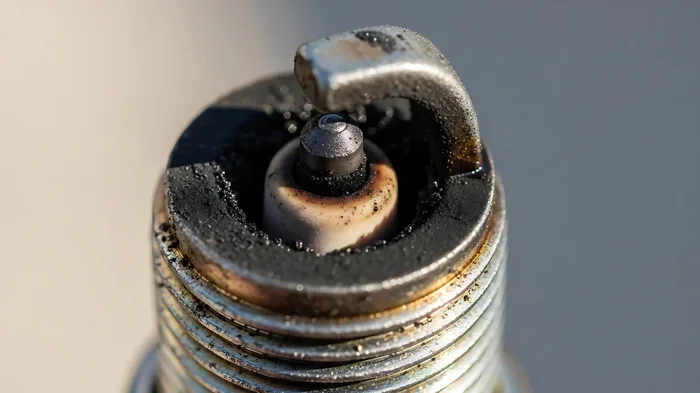
Now here is the thing. Every single spark takes a tiny toll on the electrode. The electrode is the metal tip at the end of the spark plug. Over time, that tip wears down. The gap between the center electrode and side electrode gets wider. When the gap gets too wide, the spark becomes weak or inconsistent. This is called electrode wear. And it is the main reason spark plugs go bad.
The Role of the Combustion Chamber
The environment inside the combustion chamber is harsh. Spark plugs face extreme heat, high pressure, and chemical exposure every time they fire. Carbon deposits build up on the electrode. Oil residue can contaminate the tip. All of these factors speed up the aging process. This is why even the best spark plugs eventually need replacement.
Some driving habits make this wear happen faster. Short trips are a big culprit. When you only drive a few miles, the engine never fully warms up. This causes more carbon buildup on the spark plugs. Stop-and-go city driving is harder on spark plugs than steady highway cruising. Understanding this helps you estimate when your spark plugs will need attention.
At What Mileage Do Spark Plugs Go Bad by Type
Not all spark plugs are created equal. The material used in the electrode determines how long each plug lasts. Here is a closer look at the common types and their expected lifespans.
Copper Spark Plugs
Copper spark plugs are the most basic and affordable option. They use a solid copper core for the electrode. Copper is an excellent conductor of electricity. But it is also a soft metal that wears down quickly. Most manufacturers recommend replacing copper spark plugs every 30,000 miles. Some sources say they can last up to 40,000 miles under ideal conditions. But for most drivers, 30,000 miles is the safe number to remember.
If your vehicle came with copper spark plugs from the factory, do not try to stretch the replacement interval. These plugs simply do not last as long. Stick to the recommended replacement interval and you will avoid problems.
Platinum Spark Plugs
Platinum spark plugs use a small disc of platinum welded to the electrode. Platinum is much harder than copper. It resists corrosion and erosion far better. This means platinum spark plugs can go longer between replacements. Most platinum spark plugs last about 60,000 miles. Some high-quality platinum plugs can push past 100,000 miles in certain driving conditions.
Platinum spark plugs also run at higher temperatures. This helps burn off carbon deposits more effectively. If your vehicle uses platinum spark plugs, you can generally go longer between changes. But always check your owner’s manual to be sure.
Iridium Spark Plugs
Iridium spark plugs are the premium option on the market today. Iridium is one of the hardest metals on Earth. The electrode tip on iridium spark plugs is extremely thin but very durable. This design creates a more focused spark. The result is better combustion, improved fuel economy, and smoother engine performance.
Most iridium spark plugs are rated for 100,000 miles. Some brands claim they can go even further. The key is to use the exact spark plugs recommended by your vehicle’s manufacturer. Using a different type or brand can affect performance and longevity.
Comparison Table: Spark Plug Types and Lifespan
| Spark Plug Type | Typical Lifespan | Best For | Cost Range |
|---|---|---|---|
| Copper | 30,000 miles | Older vehicles, budget setups | $2-$5 per plug |
| Platinum | 60,000 miles | Mid-range vehicles | $5-$12 per plug |
| Iridium | 100,000+ miles | Modern and high-performance engines | $10-$20 per plug |
| Double Platinum | 60,000-100,000 miles | Waste-spark ignition systems | $8-$15 per plug |
Keep in mind that these are general guidelines. Your actual mileage may vary. Always refer to your vehicle’s owner manual for the manufacturer’s specific recommendation. Using the wrong type of spark plugs can also shorten their lifespan significantly.
Signs Your Spark Plugs Are Going Bad
You do not always need a mechanic to tell you your spark plugs are wearing out. Your vehicle gives you plenty of warning signs. The key is knowing what to look for. Here are the most common symptoms of bad spark plugs.
Engine Misfire
An engine misfire is the number one sign that your spark plugs are failing. You might feel a jerking sensation when accelerating. The engine may hesitate or stumble during normal driving. A misfire happens when one or more cylinders fail to ignite the fuel properly. This is often caused by a weak or inconsistent spark from worn electrodes.
If you ignore a misfire, it can cause serious damage. Unburned fuel can enter the exhaust system and damage the catalytic converter. Repairing a catalytic converter is expensive. So addressing spark plug issues early saves you money.
Rough Idle
When your engine idles roughly, it means something is off. The RPMs may fluctuate up and down. You might hear a rattling or vibrating sound coming from the engine bay. Rough idle is a classic symptom of worn spark plugs. The uneven firing of the cylinders creates that shaky feeling.
A rough idle is not just annoying. It also means your engine is not running efficiently. You may notice increased vibration throughout the vehicle. This is especially noticeable at idle speeds in drive or park.
Hard Starting
Have you ever turned the key and the engine cranks but struggles to start? Worn spark plugs are a common cause of hard starting. When the electrode gap is too wide, the spark may not be strong enough to ignite the fuel. This is especially noticeable in cold weather when the fuel mixture is harder to ignite.
If your vehicle starts fine most of the time but struggles on cold mornings, your spark plugs might be on their way out. It is a good idea to check them before the problem gets worse.
Poor Fuel Economy
Bad spark plugs can silently wreck your fuel economy. When the spark is weak or inconsistent, the fuel does not burn completely. Unburned fuel escapes through the exhaust. This means you are getting fewer miles per gallon without even realizing it. Many drivers notice a 10 to 30 percent drop in fuel economy when their spark plugs are worn.
If you are filling up more often than usual, it might be time to inspect your spark plugs. This is one of the easiest and cheapest maintenance tasks that can save you real money at the pump.
Sluggish Acceleration
Worn spark plugs can make your vehicle feel slow or unresponsive. When you press the gas pedal, the engine should respond immediately. But bad spark plugs create a weak combustion event. The result is a noticeable lag in power delivery. Your vehicle may feel sluggish, especially when merging onto highways or climbing hills.
This symptom is often mistaken for transmission problems or low fuel pressure. But before you spend money on expensive diagnostics, check the spark plugs first. It could save you a lot of time and money.
Check Engine Light
The check engine light can come on for many reasons. But worn spark plugs are one of the most common culprits. When a cylinder misfires, the engine control unit (ECU) detects it and triggers the light. The OBD-II scanner will often show a P0300 code or a specific cylinder misfire code.
Do not ignore the check engine light. Even if the vehicle seems to drive fine, a persistent misfire can cause long-term damage. Get the codes read and inspect your spark plugs if needed.
What Happens When You Drive on Bad Spark Plugs
Some drivers ignore the warning signs and keep driving. This might work for a short while. But over time, bad spark plugs cause real problems. Understanding these consequences helps you see why timely replacement matters so much.
Increased Wear on Ignition Coils
When spark plugs do not fire properly, the ignition coils have to work harder. The coil generates the voltage needed to create the spark. If the spark plug gap is too wide, the coil must produce a much stronger voltage. This extra strain can cause the ignition coils to fail prematurely. Replacing ignition coils is significantly more expensive than replacing spark plugs.
Catalytic Converter Damage
Unburned fuel from misfiring cylinders enters the exhaust system. The catalytic converter is designed to clean exhaust gases. But raw fuel can overheat the converter and cause it to melt or clog. A clogged catalytic converter reduces engine performance and can trigger the check engine light. In worst-case scenarios, you may need a full catalytic converter replacement. This repair can cost several hundred dollars or more.
Reduced Engine Power and Performance
Your engine relies on all cylinders firing at the right time. When some cylinders are not contributing properly, overall power drops. You may feel this as a lack of responsiveness or a heavy feeling when accelerating. Over time, this puts extra strain on other engine components. The result is accelerated wear across the entire drivetrain.
Potential Engine Damage
In extreme cases, driving on bad spark plugs can lead to internal engine damage. Unburned fuel can wash oil off the cylinder walls. This increases friction and wear on the pistons and cylinder walls. In rare cases, a severe misfire can even damage the pistons or connecting rods. These are expensive repairs that can easily be avoided with regular spark plug maintenance.
How to Know When It Is Time to Replace Spark Plugs
You do not have to wait for symptoms to appear. Proactive maintenance is always better than reactive repairs. Here is how to determine when your spark plugs need replacing.
Check Your Owner’s Manual
The easiest and most reliable method is to check your vehicle’s owner manual. The manufacturer specifies the recommended replacement interval for your specific model. This number is based on extensive testing and engineering. It takes into account the type of spark plugs your vehicle uses and the engine design.
If you cannot find your owner manual, a quick online search for your vehicle make, model, and year will give you the answer. Most auto parts stores also have this information readily available.
Inspect the Spark Plugs Yourself
If you are a DIY enthusiast, you can inspect your spark plugs yourself. Remove each plug and look at the electrode and insulator. Here is what to look for:
- Normal wear: Slight darkening on the electrode is normal
- Oil fouling: Black, greasy deposits suggest oil leaking into the combustion chamber
- Fuel fouling: Black, dry soot indicates an overly rich fuel mixture
- Thermal damage: Blistered or white insulator shows overheating
- Excessive gap: Use a spark plug gap tool to measure the gap against specifications
If you see any of these signs, it is time to replace your spark plugs. Even if the mileage has not yet been reached.
Follow the Maintenance Schedule
Most vehicles have a recommended maintenance schedule in the owner manual. This schedule includes spark plug replacement at specific mileage intervals. Following this schedule is one of the simplest things you can do to maintain your engine health. It costs very little and takes only a short amount of time.
Quick Tips for Spark Plug Replacement
- Replace all spark plugs at the same time for consistent performance
- Use the exact spark plug type recommended by your vehicle manufacturer
- Check the spark plug gap before installation and adjust if needed
- Apply a small amount of anti-seize compound to the threads
- Torque the spark plugs to the manufacturer’s specification
- Replace spark plug wires or coil packs if they show signs of wear
Tips for Getting the Most Life Out of Your Spark Plugs
You want your spark plugs to last as long as possible. Here are some practical tips to help you get the most mileage out of each set.
Keep Your Engine Tuned
A poorly tuned engine puts extra stress on spark plugs. If your engine is running too rich or too lean, it affects how the spark plugs perform. Regular engine tune-ups keep everything balanced. This includes checking the fuel injectors, air filters, and oxygen sensors. A well-tuned engine means healthier spark plugs.
Avoid Short Trips When Possible
Short trips are the enemy of spark plugs. When you drive less than a few miles, the engine never reaches full operating temperature. This causes moisture and carbon to build up on the electrodes. If you can combine errands into longer trips, your spark plugs will thank you. The extra time at operating temperature burns off harmful deposits.
Use Quality Fuel
Not all gasoline is created equal. Lower-quality fuel can contain more impurities and contaminants. These deposits build up on spark plugs faster. Using top-tier gasoline from reputable stations helps keep your combustion chamber cleaner. Cleaner combustion means longer-lasting spark plugs and better overall engine performance.
Watch for Oil Leaks
Oil leaking into the combustion chamber is a common cause of premature spark plug failure. If you notice oil on your spark plugs, it could indicate a valve seal problem or piston ring wear. Addressing the root cause early prevents repeated spark plug fouling. This saves you money and protects your engine.
Do Not Over-Tighten
When installing new spark plugs, it is tempting to crank them down tight. But over-tightening can strip the threads in the cylinder head. It can also damage the gasket seal. Always use a torque wrench and follow the manufacturer’s specification. Proper installation ensures a good connection and prevents costly repairs.
Expert Insight
Seasoned mechanics often say that spark plugs are one of the cheapest insurance policies you can buy for your engine. A set of spark plugs costs between $20 and $60 for most vehicles. The labor to install them takes less than an hour at most shops. Compare that to the cost of repairing a damaged catalytic converter or a misfire-related engine problem. The math is clear. Stay on top of your spark plug replacement schedule.
Common Mistakes People Make With Spark Plug Maintenance
Even well-meaning car owners make mistakes when it comes to spark plug care. Here are the most common ones to avoid.
Mistake 1: Stretching the replacement interval. Many drivers ignore the recommended mileage and keep driving. They think spark plugs will last forever. They will not. Pushing past the recommended interval leads to performance loss and potential engine damage.
Mistake 2: Mixing spark plug types. Some people replace only the failed spark plug instead of the full set. Different spark plug types wear at different rates. Mixing old and new plugs creates uneven combustion. Always replace all spark plugs at once.
Mistake 3: Using the wrong spark plug gap. The gap between the electrodes must be set precisely. Too wide and the spark is weak. Too narrow and the spark is inconsistent. Always check and adjust the gap to match your vehicle’s specifications.
Mistake 4: Ignoring the spark plug wires. If your vehicle uses spark plug wires, they wear out too. Old wires cause resistance that weakens the spark. Replace wires at the same time as the spark plugs for best results.
Conclusion
So, at what mileage do spark plugs go bad? The honest answer is it depends. Copper spark plugs typically fail around 30,000 miles. Platinum plugs can go up to 60,000 miles. Iridium spark plugs may last 100,000 miles or more. But regardless of the type, regular inspection and timely replacement are essential.
Ignoring your spark plugs leads to poor fuel economy, rough running, and potential engine damage. On the other hand, staying on top of replacement keeps your engine running smoothly and efficiently. It is one of the simplest and most cost-effective maintenance tasks you can do for your vehicle.
Take the time to check your owner’s manual. Know what type of spark plugs your vehicle uses. Follow the recommended replacement schedule. And watch for the warning signs we discussed. Your engine will reward you with years of reliable performance.
Do not wait until something goes wrong. Make spark plug maintenance a regular part of your vehicle care routine. Your wallet and your engine will both thank you.
Frequently Asked Questions
Can I drive with bad spark plugs?
You can drive short distances with bad spark plugs, but it is not recommended. Worn spark plugs can cause engine misfires that damage the catalytic converter over time. Prolonged driving on bad spark plugs may lead to more serious and expensive engine repairs.
How much does it cost to replace spark plugs?
The cost depends on the type of spark plugs and your vehicle. For most cars, a set of spark plugs costs between $20 and $60. Labor at a repair shop typically runs $50 to $150. DIY replacement saves you the labor cost entirely.
Do spark plugs affect fuel economy?
Yes, worn spark plugs can significantly reduce fuel economy. When the spark is weak or inconsistent, fuel does not burn completely in the combustion chamber. Many drivers see a 10 to 30 percent improvement in fuel economy after replacing old spark plugs.
Can I replace spark plugs myself?
Replacing spark plugs is one of the easiest DIY maintenance tasks. You need a spark plug socket, a ratchet, and a torque wrench. The process takes about 30 to 60 minutes for most vehicles. Just make sure to use the correct spark plugs and torque them properly.
What causes spark plugs to go bad faster?
Several factors accelerate spark plug wear. Short trips that prevent the engine from reaching full operating temperature cause carbon buildup. Oil leaks that contaminate the spark plug tip also shorten lifespan. Driving in dusty or harsh conditions can deposit debris on the electrodes faster than normal.
How do I know which spark plugs to buy for my car?
The best way is to check your vehicle’s owner manual. It lists the exact spark plug type, heat range, and gap specification for your engine. You can also look up your vehicle on the manufacturer’s website or at most auto parts stores. Always match the specifications exactly for optimal performance.
=== END ===