How Much Does It Cost to Change a Cabin Air Filter
The cabin air filter replacement cost typically ranges from $20 to $85, depending on your vehicle, filter type, and where you have it done. Replacing your cabin filter yourself can cut the price significantly, while a dealership or mechanic adds labor charges. A dirty cabin filter reduces air quality and can affect your AC performance.
This is a comprehensive guide about How Much Does It Cost to Change a Cabin Air Filter?.
Key Takeaways
- Average cost: Most drivers pay between $20 and $85 for a cabin air filter change.
- DIY savings: Replacing the filter yourself saves $30 to $50 in labor costs.
- Vehicle matters: Luxury and hybrid vehicles often have higher-priced filters.
- Replacement interval: Most manufacturers recommend changing the cabin filter every 15,000 to 30,000 miles.
- Signs of a dirty filter: Reduced airflow, musty odors, and weak AC performance signal a needed change.
- Filter types: Standard, HEPA, and activated carbon filters vary in price and filtration capability.
- Where to buy: Auto parts stores, online retailers, and dealerships all carry cabin air filters.
[FEATURED_IMAGE_PLACEHOLDER]
Changing a cabin air filter is one of the simplest and most affordable maintenance tasks you can do for your car. Yet many drivers put it off for years, not realizing how much it affects their daily comfort behind the wheel. If you have noticed weak airflow from your vents or a strange smell every time you turn on the AC, your cabin filter might be crying for help.
The good news is that swapping out this small but mighty part does not have to cost a fortune. In this guide, we will walk you through everything you need to know about the cabin air filter replacement cost. We will cover what you will pay at a dealership versus doing it yourself, what factors drive the price up, and how often you should be replacing it. By the end, you will feel confident making the right call for your wallet and your vehicle.
What Is a Cabin Air Filter and Why Does It Matter?
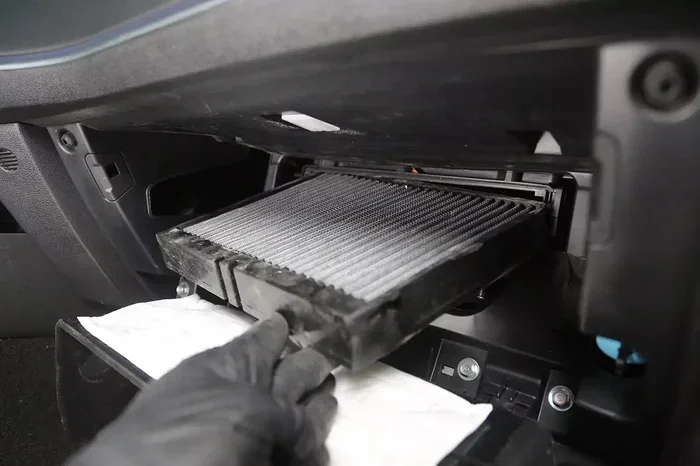
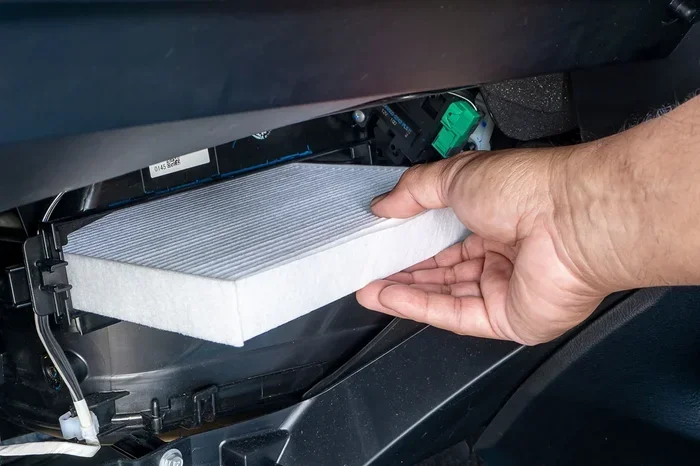
Your cabin air filter is a small rectangular panel located behind your glove box or under your dashboard. It sits between the outside air and your car’s interior. Its job is simple but critical. It traps dust, pollen, pollution, and even tiny debris before they can reach your lungs through the ventilation system.
Think of it like the lungs of your car. Just as your body struggles when you breathe dirty air, your car’s interior gets filled with allergens and irritants when the filter is clogged. Many people confuse the cabin filter with the engine air filter. The engine air filter cleans air going into the engine. The cabin filter cleans air going into the passenger compartment. They are two completely different parts.
Replacing your cabin filter regularly does more than keep your air clean. It also helps your air conditioning system work efficiently. A clogged filter restricts airflow, which makes the AC work harder. That extra strain can lead to higher fuel consumption and even premature wear on the blower motor. So keeping up with your cabin filter is a small step that protects both your health and your car.
Types of Cabin Air Filters
Not all cabin filters are the same. The type you choose affects both performance and price. Here are the three main types you will encounter:
- Standard Cabin Air Filter: This is the basic paper or fiberglass filter. It traps dust, pollen, and larger particles. It is the most affordable option and works well for everyday driving.
- HEPA Cabin Air Filter: HEPA stands for High-Efficiency Particulate Air. These filters capture much smaller particles, including mold spores and bacteria. They cost more but offer superior air quality for allergy sufferers.
- Activated Carbon Cabin Air Filter: These filters include a layer of activated carbon that absorbs odors, exhaust fumes, and volatile organic compounds. They are excellent for drivers in urban or industrial areas.
Some vehicles also support cabin air filter upgrades that combine HEPA and carbon layers. These premium filters offer the best of both worlds but come at a higher price point.
Average Cabin Air Filter Replacement Cost
The average cabin air filter replacement cost falls between $20 and $85 when you include both the part and the labor. But that range is quite wide, and several factors determine where you land on the spectrum. Let us break it down by where you choose to get the work done.
Cost at a Dealership
Getting your cabin filter replaced at a dealership typically costs between $50 and $85. The part itself might run $20 to $40, and the labor charge adds another $30 to $45. Dealerships use genuine manufacturer parts, which ensures a perfect fit. However, you are also paying for the brand name and the dealership overhead. If you have a warranty or a service plan, the replacement might even be covered.
Cost at an Independent Mechanic
Independent mechanics usually charge between $35 and $65 for a cabin air filter replacement. The part cost remains similar, but the labor rate is often lower than at a dealership. Many independent shops are happy to let you supply your own filter, which can bring the total cost down significantly. This is a great middle-ground option if you want professional service without the dealership price tag.
Cost of DIY Replacement
If you are handy and comfortable working on your car, replacing the cabin filter yourself is the cheapest route. The filter alone costs between $10 and $50 depending on the type and brand. You will not pay a dime for labor. Most cabin filters are easy to access and take less than 15 minutes to swap out. Many car owners successfully change their own air filters with just a screwdriver and a little patience.
| Replacement Location | Part Cost | Labor Cost | Total Cost |
|---|---|---|---|
| Dealership | $20 – $40 | $30 – $45 | $50 – $85 |
| Independent Mechanic | $15 – $40 | $20 – $35 | $35 – $65 |
| DIY Replacement | $10 – $50 | $0 | $10 – $50 |
Factors That Affect Cabin Air Filter Price
Why does one cabin filter cost $15 and another cost $50? Several factors drive the price differences. Understanding them helps you make smart choices and avoid overpaying.
Vehicle Make and Model
Your vehicle type plays a big role in determining the filter price. Common models from Toyota, Honda, and Ford often have widely available, affordable filters. Luxury brands and European vehicles like BMW, Mercedes, and Audi tend to use specialty filters that cost more. The filter size and shape also matter. An unusual design requires a custom-fit filter, which adds to the manufacturing cost.
Filter Material and Technology
As we discussed earlier, the type of filter you choose directly impacts the price. A basic standard filter might cost $10 to $15. A HEPA or activated carbon filter can run $25 to $50 or more. Multi-layer filters that combine several technologies offer better filtration but come with a higher price tag. Consider your driving environment when choosing. If you live in a city with heavy pollution, the extra cost of a premium filter is worth it.
Where You Purchase the Filter
Where you buy the filter affects the cost too. Auto parts stores like AutoZone and O’Reilly often have competitive prices. Online retailers like Amazon and RockAuto sometimes offer discounts and free shipping. Dealerships charge a premium partly because they source genuine OEM parts. Shopping around can save you 20 to 40 percent on the part alone.
Geographic Location
Labor rates vary by region. Mechanics in major metropolitan areas like New York or Los Angeles charge more than those in smaller towns. If you are near a dealership, the cost might be higher simply due to local market rates. Always get a quote before committing to a replacement.
DIY vs. Professional Replacement: Which Saves More?
The decision between doing it yourself and visiting a shop comes down to three things: your comfort level, your time, and your budget. Let us weigh the pros and cons of each approach.
Pros and Cons of DIY Replacement
- Pros: You save on labor costs entirely. You can choose any filter brand or type you want. You can do it on your own schedule without waiting for an appointment. Most cabin filters are easy to access and require no special tools.
- Cons: If you have never done it before, there is a small learning curve. You need to know where your filter is located, which varies by vehicle. You do not get a professional inspection of the surrounding area while you are in there.
Pros and Cons of Professional Replacement
- Pros: A trained technician handles the job quickly and correctly. Many shops include a visual inspection of your HVAC system and related components. You do not need to get your hands dirty or spend time researching your specific vehicle.
- Cons: You pay a labor markup that can double the total cost. You need to schedule an appointment and wait for service. Some shops upsell additional services you may not need.
For most drivers, replacing the cabin filter yourself is the clear winner on cost. Quick-lube shops like Jiffy Lube also offer cabin filter replacement, but their prices fall somewhere between DIY and a full-service mechanic. If you are unsure about your vehicle’s filter location, a quick search for your specific make and model on YouTube can walk you through the process step by step.
Quick Tips for a Successful DIY Replacement
- Buy the correct filter size for your vehicle year, make, and model.
- Check your owner’s manual for the exact filter location.
- Wear gloves to keep the filter clean before installation.
- Note the airflow direction arrow on the old filter and match it on the new one.
- Dispose of the old filter properly and do not reuse it.
How Often Should You Replace Your Cabin Air Filter?
Most manufacturers recommend replacing the cabin air filter every 15,000 to 30,000 miles. However, your driving conditions can shorten or extend that interval. Understanding when to change your filter helps you maintain clean air and efficient AC performance.
Driving Conditions That Shorten Filter Life
- Heavy traffic in urban areas: City driving exposes your filter to more exhaust fumes, dust, and pollutants.
- Gravel or dirt roads: Off-road driving kicks up a lot of debris that clogs the filter faster.
- High pollen seasons: If you suffer from allergies, spring and fall can fill your filter with pollen quickly.
- Construction zones: Living near a construction site means your filter deals with more dust and particulate matter.
- Smoking in the vehicle: Cigarette smoke coats the filter and reduces its effectiveness.
Driving Conditions That Extend Filter Life
- Highway driving on clean roads: Open road air is generally cleaner than city air.
- Garage parking: Keeping your car in a garage reduces exposure to outdoor pollutants.
- Short trips in clean areas: If you mostly drive short distances in rural or suburban areas with clean air, your filter lasts longer.
A good rule of thumb is to inspect your cabin filter every oil change. If it looks dark, dirty, or clogged, go ahead and replace it even if you have not hit the mileage mark yet. A dirty cabin filter can restrict airflow and reduce AC performance, so staying on top of this simple task pays off in comfort and efficiency.
Signs Your Cabin Air Filter Needs Replacing
Waiting too long to replace your cabin filter can lead to noticeable problems. Watch for these warning signs that tell you it is time for a change.
Reduced Airflow from Vents
This is the most common and obvious sign. When the filter gets clogged with dust and debris, it restricts the amount of air that can pass through. You may notice that your vents blow weaker than they used to, especially at higher fan speeds. The blower motor has to work harder, which can eventually lead to premature motor failure.
Unpleasant Odors
A musty, moldy, or dusty smell coming from your vents is a red flag. A dirty filter traps moisture and organic matter, creating the perfect breeding ground for mold and bacteria. No air freshener can mask this problem. Replacing the filter usually eliminates the smell immediately.
Increased Allergy Symptoms
If you or your passengers start sneezing, coughing, or experiencing itchy eyes while driving, your cabin filter may be failing. A clean filter traps pollen, dust mites, and other allergens. When it gets saturated, those irritants pass right through into your car’s interior. This is especially important for drivers with asthma or seasonal allergies.
Poor AC and Heating Performance
A clogged cabin filter affects both cooling and heating. Your AC may take longer to cool the cabin, or the heat may not feel as warm as it should. In some cases, the temperature output becomes inconsistent. Replacing the filter often restores full climate control performance.
Visible Dirt on the Filter
If you pop the glove box and can see the cabin filter, take a look at it. A clean filter looks white or light gray. A dirty filter turns dark brown or black. If you can see visible buildup, it is well past time for a replacement.
Can You Reduce the Cabin Air Filter Cost?
Absolutely. There are several smart strategies to keep your cabin air filter replacement cost as low as possible without sacrificing quality.
Buy Filters in Bulk
If you change your cabin filter regularly, buying a pack of two or three filters at once often comes with a discount. Online retailers frequently offer bulk pricing that saves you money per filter.
Use Coupons and Rewards
Auto parts stores regularly run coupons and loyalty programs. Signing up for email alerts from stores like AutoZone, O’Reilly, or Advance Auto Parts can put money back in your pocket on every purchase.
Compare Prices Online
Before visiting any shop, check the price of the filter online. Knowing the part cost gives you leverage when negotiating labor charges at a mechanic or dealership. Some shops will match online prices or offer discounts if you bring your own part.
Stick to the Replacement Schedule
Prevention is the cheapest form of maintenance. Replacing your cabin filter on schedule prevents costly secondary damage. A clogged filter strains the blower motor, which is far more expensive to replace than a simple cabin filter. Staying proactive saves money in the long run.
Expert Insights on Cabin Air Filter Maintenance
Automotive technicians and car care experts agree on one thing: the cabin air filter is one of the most overlooked yet impactful maintenance items. Many drivers go 50,000 or even 100,000 miles without ever touching it. That is a missed opportunity for better air quality, better AC performance, and better overall driving comfort.
Experts also emphasize that the cabin filter is not the same as the engine air filter. Some drivers confuse the two and assume their engine air filter change covers the cabin filter too. It does not. These are separate components in separate locations, and both need individual attention on a regular schedule. If you are unsure whether your vehicle even has a cabin filter, consult your owner’s manual. Most modern vehicles manufactured after 2000 come standard with one.
Another tip from seasoned mechanics: when you replace your cabin filter, take a moment to inspect the area around it. Look for moisture, mold, or debris buildup in the housing. These can indicate a bigger issue with your HVAC system that a simple filter swap will not fix. Catching problems early can save you from expensive repairs down the road.
For those who frequently drive in challenging conditions, upgrading to a premium filter is a wise investment. While the upfront cabin air filter replacement cost is higher, the improved filtration and longer lifespan often justify the extra expense. Drivers with allergies, asthma, or respiratory sensitivities particularly benefit from HEPA or activated carbon filters.
Conclusion
The cabin air filter replacement cost is one of the most affordable maintenance investments you can make for your vehicle. Whether you pay $15 to do it yourself or $85 at a dealership, the benefits to air quality, AC performance, and overall driving comfort are well worth it. Most drivers should budget around $30 to $50 for a professional replacement and $10 to $30 for a DIY job.
Do not let a neglected cabin filter compromise the air you breathe every day on the road. Check your filter regularly, replace it on schedule, and choose the replacement method that fits your budget and comfort level. A clean cabin filter means a cleaner, healthier, and more comfortable ride for you and everyone in your car.
Take five minutes today to find out where your cabin filter is located. Order a replacement if it looks dirty. Your nose, your lungs, and your AC system will all thank you. Staying on top of this small but mighty part is one of the easiest ways to keep your vehicle running smoothly and your interior air fresh all year long.
Frequently Asked Questions
What is the average cabin air filter replacement cost?
The average cost to replace a cabin air filter ranges from $20 to $85, depending on your vehicle type, filter choice, and where you have the work done. DIY replacement costs as little as $10 to $50 for the filter alone, while dealership service typically runs $50 to $85 including labor.
How often should I replace my cabin air filter?
Most manufacturers recommend replacing the cabin air filter every 15,000 to 30,000 miles. However, if you drive in heavy traffic, on dirt roads, or in areas with high pollution, you may need to replace it more frequently. Inspect your filter every oil change to stay on track.
Can I replace my cabin air filter myself?
Yes, most cabin air filters are easy to replace at home with basic tools. The filter is usually located behind the glove box or under the dashboard. Replacing it yourself saves you $30 to $50 in labor costs and takes less than 15 minutes for most vehicles.
What happens if I don’t replace my cabin air filter?
A neglected cabin air filter reduces airflow from your vents, weakens AC performance, and allows dust, pollen, and allergens into your car’s interior. Over time, it can also strain the blower motor, leading to more expensive repairs. Staying on top of replacement keeps your air clean and your system running efficiently.
Does a cabin air filter affect AC performance?
Yes, a dirty cabin air filter directly impacts AC performance. When the filter is clogged, it restricts airflow, making the AC work harder to cool the cabin. This can result in weaker cooling, longer cool-down times, and increased strain on the blower motor and AC compressor.
What type of cabin air filter is best?
The best cabin air filter depends on your driving environment and budget. Standard filters work well for everyday driving in clean areas. HEPA filters are ideal for allergy sufferers and those in high-pollen areas. Activated carbon filters excel at removing odors and exhaust fumes, making them great for city drivers. Choose based on your specific needs and air quality concerns.