How Haval Handles Snow Conditions This Winter Season
Haval vehicles are built to tackle snow and icy roads with confidence. Their all-wheel drive systems, advanced traction control, and cold-weather engineering make them strong choices for winter driving. In this guide, we cover everything you need to know about how Haval handles snow conditions and what you can do to stay safe on the road.
Winter is here, and for many drivers, that means dealing with snow, ice, and freezing temperatures on the road. If you own a Haval SUV or truck, you might be wondering how your vehicle handles these tough winter conditions. The good news is that Haval has designed its vehicles with cold weather performance in mind.
In this article, we will walk you through everything you need to know about how Haval handles snow conditions this winter season. From drivetrain technology to simple maintenance tips, we have got you covered. Whether you drive a Haval H6, Haval Tang, or another model, this guide will help you stay safe and confident on snowy roads.
Winter driving can be stressful. Roads get slippery. Visibility drops. Temperatures drop fast. But the right vehicle and the right knowledge make a huge difference. Haval SUVs are known for their cold weather resilience and strong road grip. Let us dive into the details of what makes them work so well when the snow starts falling.
Key Takeaways
- AWD and traction systems: Haval models come with smart all-wheel drive that adjusts to snow and ice in real time.
- Cold weather readiness: These vehicles are engineered to perform well in freezing temperatures and harsh winter conditions.
- Maintenance tips: Simple steps like checking tire pressure and using winter fluids keep your Haval running smoothly in the snow.
- Safety features: Haval includes stability control, heated seats, and fog lights that help drivers stay safe during winter storms.
- Longevity in tough conditions: With proper care, a Haval can handle years of snow driving just like Jeep Wranglers known for durability do in rough terrain.
- Real-world performance: Haval SUVs have proven their road grip and handling in snow-packed environments across multiple climates.
📑 Table of Contents
- Understanding Haval’s Drivetrain Systems for Snow
- Cold Weather Performance and Engineering
- Tire and Traction Considerations for Snow Driving
- Maintenance Tips for Winter-Ready Haval Vehicles
- Haval’s Interior Comfort and Safety Features in Winter
- Real-World Haval Snow Performance and Owner Experiences
- Common Mistakes to Avoid When Driving Haval in Snow
- Expert Tips for Maximizing Haval’s Snow Performance
- Conclusion
Understanding Haval’s Drivetrain Systems for Snow
The drivetrain is the heart of how a vehicle moves through snow. Haval vehicles come equipped with advanced systems that help you maintain control on icy roads. Understanding these systems can give you more confidence every time you drive in winter weather.
All-Wheel Drive (AWD) Technology
Most modern Haval models feature all-wheel drive. This means power goes to all four wheels at the same time. When one wheel starts to slip on snow, the system shifts power to the wheels that still have grip. This happens fast, almost without you noticing.
AWD is a game changer for snow driving. It gives you better starting power. It helps you turn corners without sliding. It keeps your vehicle stable even on uneven snow packed roads. If you live in an area that gets heavy snowfall, AWD is one of the best features you can have.
Compared to front-wheel drive vehicles, Haval’s AWD system sends power where it is needed most. This is similar to how race cars manage grip on different track surfaces. The system constantly adjusts to keep you moving forward safely.
Intelligent Traction Control
Haval vehicles also include intelligent traction control. This system monitors wheel speed, steering angle, and road surface conditions. When it detects a loss of traction, it applies the brakes to individual wheels. This helps you stay on course even when the road is slick.
Think of traction control as your co-pilot during winter drives. It works quietly in the background. You do not need to do anything special. It just kicks in when needed. This makes Haval a strong choice for winter driving safety.
Cold Weather Performance and Engineering
Haval engineers design their vehicles to handle a wide range of temperatures. From scorching summer heat to freezing winter cold, these SUVs are built to last. But what specifically makes them perform well in snow and ice?
Engine Heating and Warm-Up
Cold weather can make engine oil thicken. Thick oil does not flow as well, which can hurt performance. Haval addresses this with engines that warm up quickly, even in very cold conditions. The heating system also kicks in fast, so your cabin stays comfortable from the moment you start driving.
Here are some tips to help your Haval warm up properly in winter:
- Let the engine idle for 30 to 60 seconds before driving.
- Avoid revving the engine right after startup.
- Use a block heater if temperatures drop below negative 20 degrees Fahrenheit.
- Keep your fuel tank at least half full to prevent fuel line freeze.
Battery and Electrical System Resilience
Cold weather is tough on car batteries. Haval vehicles use heavy-duty batteries that are rated for low-temperature performance. These batteries hold their charge better than standard options when the temperature drops.
If you live in a very cold area, consider these steps:
- Check your battery health before winter begins.
- Keep jumper cables in your trunk.
- Park your vehicle in a garage when possible.
- Limit short trips that do not fully recharge the battery.
Just like how extreme heat affects your car, extreme cold also puts stress on vehicle components. Haval’s electrical systems are designed to handle this stress reliably.
Tire and Traction Considerations for Snow Driving
Tires are the only part of your car that touches the road. That makes them incredibly important for snow driving. Haval vehicles work best with the right set of tires for winter conditions.
Winter Tires vs. All-Season Tires
All-season tires work okay in light snow. But for serious winter driving, dedicated snow tires make a big difference. Snow tires have deeper treads and special rubber compounds that stay flexible in cold temperatures. This gives you better road grip on ice and packed snow.
Here is a quick comparison to help you decide:
- All-season tires: Good for mild winters. Adequate traction in light snow. Less grip on ice.
- Winter tires: Excellent grip in snow and ice. Softer rubber stays flexible in cold weather. Better braking distances.
- Studded tires: Best grip on ice. Can damage dry roads. Check local laws before using.
For most Haval drivers, a quality set of winter tires is the best investment you can make. They work hand in hand with Haval’s AWD and traction systems to give you maximum control.
Tire Pressure and Snow Driving
Cold temperatures cause tire pressure to drop. Underinflated tires have less contact with the road, which reduces grip. Check your tire pressure at least once a month during winter. Keep it at the level recommended by Haval for your specific model.
A quick tip: check tire pressure when the tires are cold, meaning the car has been parked for at least three hours. This gives you the most accurate reading.
Maintenance Tips for Winter-Ready Haval Vehicles
Keeping your Haval in top shape during winter requires a few extra steps. Regular maintenance goes a long way toward ensuring your vehicle handles snow conditions safely and reliably.
Fluid Checks and Changes
Winter weather affects the fluids inside your vehicle. Here are the key fluids to check before the snow season starts:
- Engine oil: Use the grade recommended by Haval for cold weather. Thinner oils flow better in freezing temperatures.
- Coolant: Make sure your coolant mixture is correct. A 50/50 mix of coolant and water prevents freezing.
- Windshield washer fluid: Use winter-grade fluid that does not freeze. Regular fluid can turn to ice in the reservoir.
- Brake fluid: Check the level and condition. Brake fluid absorbs moisture over time, which can cause problems in cold weather.
Wiper Blades and Visibility
Good visibility is essential for safe winter driving. Replace your wiper blades before winter hits. Old blades leave streaks and smears, which make it harder to see through snow and sleet.
Also consider these visibility tips:
- Keep your headlights clean and working properly.
- Use fog lights when driving in heavy snow.
- Clear all snow and ice from your vehicle before driving.
- Replace worn wiper arms that do not press the blade firmly against the windshield.
Brake System Maintenance
Your brakes work harder on snow and ice. Have your brake pads and rotors inspected before winter. Fresh brakes give you shorter stopping distances, which can be the difference between a safe stop and a slide.
Many drivers also prefer vehicles with electronic brake assist, which Haval includes in many of its models. This feature applies extra braking force when it detects an emergency stop, helping you maintain control even on slippery surfaces.
Haval’s Interior Comfort and Safety Features in Winter
Driving in snow is not just about the drivetrain and tires. It is also about staying comfortable and alert. Haval vehicles come loaded with features that make winter driving easier and safer.
Heated Seats and Steering Wheel
Cold hands and a cold seat can make driving uncomfortable and distracting. Haval models often come with heated front seats and heated steering wheels. These features keep you warm and focused on the road, even on the coldest mornings.
Some Haval models also offer heated rear seats and heated side mirrors. Heated mirrors help melt ice and frost, giving you a clearer view of the road behind you.
Advanced Driver Assistance Systems
Haval includes a range of safety features that help in winter conditions. These include:
- Stability control: Helps you maintain control during skids and slides.
- Anti-lock braking system (ABS): Prevents wheels from locking up on slippery surfaces.
- Electronic brakeforce distribution (EBD): Adjusts braking force to each wheel for better control.
- Hill descent control: Helps you drive slowly and safely down icy slopes.
These systems work together to give you confidence when the roads get rough. They do not replace safe driving habits, but they add a strong layer of protection.
Real-World Haval Snow Performance and Owner Experiences
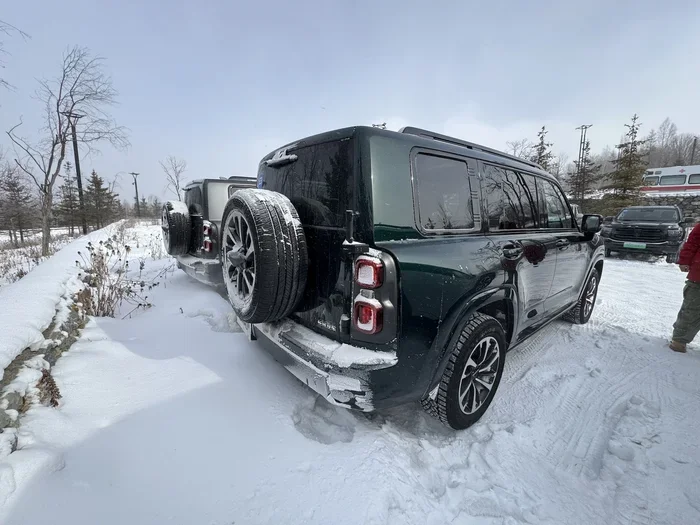
What do actual Haval owners say about driving in snow? The feedback is generally very positive. Many owners report that their Haval SUVs handle winter roads with ease and confidence.
Owners in northern states and mountainous regions often praise the AWD system for its reliability. They note that their vehicles stay stable on icy highways and handle snow-covered back roads without issues. The combination of strong engines and smart drivetrain systems gives Haval a solid reputation for cold climate driving.
Just as owners of durable vehicles like the Buick Enclave know their vehicles can last for years with proper care, Haval owners report that regular maintenance keeps their SUVs performing well through many winter seasons.
Haval has also tested its vehicles in extreme conditions around the world. From snowy mountain passes to icy urban streets, Haval models have proven their ability to handle a variety of snow and ice scenarios. This real-world testing gives buyers confidence that their vehicle is ready for whatever winter throws at them.
Common Mistakes to Avoid When Driving Haval in Snow
Even with a great vehicle like a Haval, certain mistakes can reduce your safety and performance in snow. Here are common errors to avoid:
- Rushing warm-up: Do not drive aggressively right after starting the engine. Let it warm up for at least 30 seconds.
- Ignoring tire pressure: Cold weather drops tire pressure fast. Check it weekly during winter.
- Using cruise control on slippery roads: Cruise control can cause wheel spin on ice. Turn it off when roads are slick.
- Following too closely: Snow and ice increase stopping distances. Leave plenty of space between you and the car ahead.
- Neglecting wiper fluid: Running out of winter washer fluid in a snowstorm is a frustrating and dangerous situation.
- Driving on empty fuel: Keep your tank at least half full. This prevents fuel line freeze and gives you a safety margin if you get stuck.
Avoiding these mistakes will help you get the most out of your Haval’s winter capabilities. Simple habits make a big difference.
Expert Tips for Maximizing Haval’s Snow Performance
Want to get the most out of your Haval this winter? Here are some expert-backed tips that can help:
Pre-Winter Preparation
Before the first snowfall, take your Haval in for a winter inspection. Ask your mechanic to check the battery, brakes, coolant, and all fluids. Replace worn tires and wiper blades. This proactive approach saves you from unexpected problems on the road.
Driving Techniques for Snow
Even the best vehicles need good driving techniques. Here are some habits that help:
- Accelerate gently to avoid wheel spin.
- Brake early and softly to prevent sliding.
- Steer smoothly and avoid sudden movements.
- Increase following distance to at least six seconds.
- Use lower gears when driving downhill on snow.
Emergency Kit Essentials
Keep an emergency kit in your Haval during winter. This should include a blanket, flashlight, ice scraper, small shovel, and snacks. These items can make a big difference if you get stranded in a snowstorm.
Taking care of your Haval also means taking care of yourself. A well-prepared driver is a safe driver, no matter what vehicle they drive.
Conclusion
Haval vehicles are well equipped to handle snow conditions this winter season. From their advanced AWD systems to their cold-weather engineering, Haval SUVs offer the tools you need for safe and confident winter driving. Add proper maintenance, the right tires, and smart driving habits, and you will be ready for whatever winter brings.
Remember that no vehicle is invincible in snow. But with the right preparation and knowledge, your Haval can handle the cold with ease. Take the time to prep your vehicle before winter hits. Stay alert on the roads. And enjoy the peace of mind that comes from knowing your SUV is built for the job.
Stay warm, stay safe, and let your Haval handle the snow while you enjoy the ride.
Frequently Asked Questions
Can a Haval SUV handle heavy snowfall?
Yes, most Haval SUVs come with all-wheel drive and advanced traction control that handles heavy snowfall very well. These systems adjust power to each wheel automatically, giving you strong road grip even in deep snow. Adding winter tires improves performance even further.
What is the best tire choice for a Haval in winter?
Dedicated snow tires are the best choice for a Haval during winter. They provide better grip on ice and snow compared to all-season tires. Look for tires with the three-peak mountain snowflake symbol for the best winter performance.
How does Haval’s AWD system compare to other brands in snow?
Haval’s AWD system is competitive with other popular SUV brands. It distributes power intelligently between the front and rear wheels. This helps maintain traction on slippery surfaces. Many owners report confident and stable handling in snow conditions.
Does cold weather affect Haval’s fuel economy?
Yes, cold weather can reduce fuel economy slightly. Engines take longer to reach optimal temperature in winter. Using the heater also adds a small load. However, Haval’s efficient engines help minimize this impact compared to older or less refined vehicles.
How often should I service my Haval before winter?
A pre-winter service is highly recommended. This should include checking the battery, coolant, brakes, and all fluids. Replacing worn tires and wiper blades is also important. A service visit about a month before winter starts is the ideal timing.
Is it safe to drive a Haval in icy conditions?
Haval vehicles are designed with safety features that help in icy conditions, including ABS, stability control, and electronic brakeforce distribution. However, no vehicle is completely immune to ice. Drive slowly, increase following distance, and avoid sudden movements to stay safe on icy roads.
=== CONCLUSION ===
How Haval handles snow conditions is a question with a clear and confident answer. These vehicles are built with the technology, engineering, and features needed to perform well in winter weather. From the moment you start the engine to the moment you arrive at your destination, Haval gives you the tools to drive safely through snow and ice.
Keep up with regular maintenance, invest in quality winter tires, and practice good snow driving habits. Your Haval will reward you with reliable performance and peace of mind all winter long. Stay prepared, stay informed, and enjoy the drive.