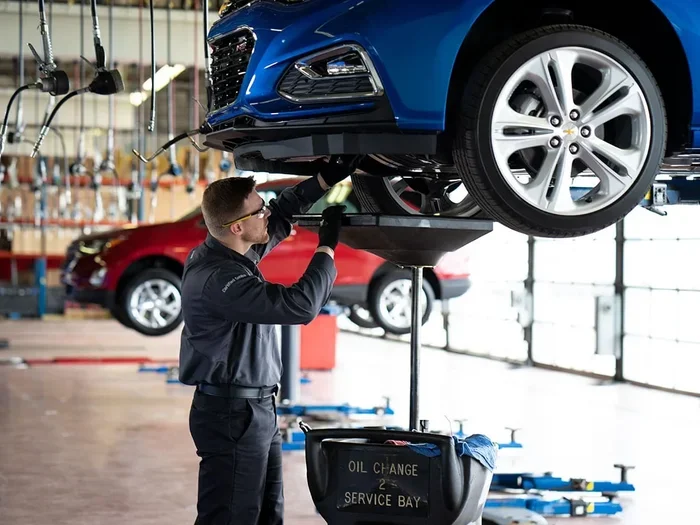
How Much Does a Full Oil Service Cost at a Dealership
The full oil service cost at a dealership typically ranges from $65 to $125 for a standard change. Synthetic oil services cost more, often between $100 and $175, depending on your vehicle and location. What’s included matters — a full service covers oil, filter, fluid checks, and a multi-point inspection that a quick lube can’t match.
Let’s talk about something every car owner deals with eventually. You’re driving along, and that reminder light pops up on your dash. Or maybe you just got a notification from your oil life system. Either way, you’re thinking about it — the full oil service cost at a dealership. It’s one of those routine maintenance tasks you can’t skip, but nobody wants to overpay for it.
Here’s the thing. Oil service isn’t just about pouring new oil into your engine. It’s a whole process that keeps your car running smoothly and safely. And the price tag can surprise you if you don’t know what to expect. Dealership oil service costs vary widely based on your vehicle, the type of oil you need, and what’s included in the package. In this guide, we’ll break it all down so you know exactly what you’re paying for and why.
We’ll look at average prices, what separates a basic oil change from a full service oil change, and how to decide if the dealership is worth it over a quick lube shop. By the end, you’ll feel confident walking into any service center without getting blindsided by the bill.
Key Takeaways
- Dealership oil service costs more than DIY or quick lube shops, but includes OEM parts and expert technicians.
- A full oil service includes more than just oil — it covers filters, fluid top-offs, and a multi-point inspection.
- Synthetic oil changes cost more than conventional oil, but they offer better engine protection and longer intervals.
- Your vehicle type matters — trucks, luxury cars, and AWD vehicles often cost more to service.
- Regular oil service prevents costly repairs like overheating and engine damage down the road.
- You can save money by using coupons, loyalty programs, and understanding what’s included in the service.
📑 Table of Contents
- What Is a Full Oil Service?
- How Much Does a Full Oil Service Cost at a Dealership?
- Is Dealership Oil Service Worth the Extra Cost?
- How Often Should You Get a Full Oil Service?
- Tips to Save Money on Oil Service
- Common Oil Service Mistakes to Avoid
- Expert Insights: What Mechanics Want You to Know
- How to Choose the Right Dealership for Your Oil Service
- The Bottom Line on Full Oil Service Cost
What Is a Full Oil Service?
Before we dive into pricing, let’s clear up what actually happens during a full oil service. Many people think it’s just swapping out old oil for new. But a true full service goes much further than that.
The Basic Oil Change vs. Full Service
A basic oil change replaces the engine oil and the oil filter. That’s it. A full service oil change includes everything in the basic service, plus:
- Multi-point inspection of fluids, belts, hoses, tires, and lights
- Top-off of all essential fluids like coolant, brake fluid, power steering fluid, and windshield washer fluid
- Tire pressure check and adjustment
- Battery inspection and terminal cleaning
- Air filter and cabin filter check
- Wiper blade inspection
- Undercarriage and exhaust visual check
That’s a big difference. When you pay for a full oil service cost at a dealership, you’re getting a comprehensive look at your vehicle’s health. This is important because catching small issues early saves you from expensive repairs later.
What Oil Type Do You Need?
The type of oil your car needs plays a huge role in the price. Does it really matter what oil I put in my car? Absolutely. Here’s a quick look at the three main types:
- Conventional oil — the most affordable option. Good for older vehicles with simpler engines. Typical oil change interval is 3,000 to 5,000 miles.
- Synthetic blend oil — a mix of conventional and synthetic. Offers better protection than conventional at a moderate price point.
- Full synthetic oil — the most expensive but also the best for modern engines. It lasts longer, handles extreme temperatures better, and provides superior engine protection.
Your owner’s manual will tell you which type your vehicle requires. If you drive a newer car or a high-performance vehicle, chances are you need full synthetic. And that directly impacts the oil service price you’ll pay at the dealership.
How Much Does a Full Oil Service Cost at a Dealership?
Now let’s get to the number you really want to know. The full oil service cost at a dealership isn’t a single fixed price. It depends on several factors that we’ll walk through right now.
Average Pricing Breakdown
Here’s a general idea of what you can expect to pay. Keep in mind that prices vary by region, dealership brand, and vehicle type.
- Basic oil change (conventional oil): $45 to $75
- Full synthetic oil change: $75 to $150
- Full oil service with inspection: $85 to $175
- Luxury or European vehicles: $120 to $250+
The dealership oil service cost is almost always higher than what you’d pay at an independent shop or a quick lube chain. But there’s a reason for that. Dealerships use OEM (Original Equipment Manufacturer) parts, employ factory-trained technicians, and follow the manufacturer’s exact specifications. For newer vehicles still under warranty, this matters a lot.
Factors That Affect the Price
Several things can push the oil service price up or down. Here are the biggest ones:
- Vehicle make and model: A Toyota Camry oil change costs less than a BMW or Mercedes. Trucks like the Toyota Tundra also fall into a higher price range because they use more oil.
- Oil type and volume: A truck with a big V8 engine needs more oil than a compact sedan. More oil means a higher cost.
- Filter type: Some vehicles use premium oil filters that cost more than standard ones.
- Additional services: If your technician finds low transmission fluid or needs to top off coolant, those add to the bill.
- Location: Dealerships in big cities charge more than those in rural areas. Labor rates vary significantly by region.
- Service package: Some dealerships bundle oil service with other maintenance items, which can either save you money or inflate the total.
Is Dealership Oil Service Worth the Extra Cost?
This is the question everyone asks. Is it worth paying more at the dealership when you could save money elsewhere? The answer depends on your situation.
When the Dealership Makes Sense
There are clear times when paying the higher dealership oil service price is the smart move:
- Your car is still under warranty: Going to the dealership ensures your service records are official. Missing an oil change at an unauthorized shop can sometimes void your warranty.
- You drive a luxury or performance vehicle: These cars need special oils and specific procedures. Dealership technicians know exactly what your engine needs.
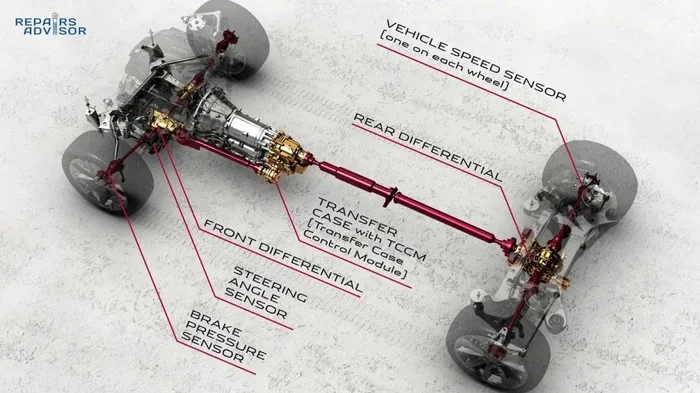
- Your vehicle has advanced features: Cars with AWD systems or complex engine designs benefit from the expertise of factory-trained staff. Does AWD need service? Yes, and it’s often more involved than a standard two-wheel drive vehicle.
- You want peace of mind: A dealership inspection can catch problems you might not notice, like early signs of low engine oil showing on the dashboard or potential overheating risks from neglected maintenance.
When You Can Save Money Elsewhere
On the other hand, there are situations where you don’t need the dealership:
- Your car is older and out of warranty: A reputable independent mechanic can do the same job for less.
- You’re comfortable doing it yourself: If you know your way around a car, a DIY oil change is the cheapest option by far.
- You drive a standard vehicle with no special requirements: A reliable quick lube shop handles basic oil change frequency needs just fine for most everyday cars.
What About the Oil Filter?
Don’t forget about the oil filter. A clogged or old filter can reduce oil flow and put stress on your engine. During a full oil service, the dealership always replaces the filter. At a quick lube, some places might skip this or use a lower-quality filter. The oil filter replacement is a small cost that makes a big difference in protecting your engine.
How Often Should You Get a Full Oil Service?
The old rule of “every 3,000 miles” is outdated for most modern vehicles. But that doesn’t mean you can ignore your oil service schedule. Here’s what you need to know.
Manufacturer Recommendations
Most new cars can go between 5,000 and 10,000 miles between oil changes. The exact interval depends on:
- Your oil type: Full synthetic oil often lasts 7,500 to 10,000 miles. Conventional oil typically needs replacement every 3,000 to 5,000 miles.
- Driving conditions: Stop-and-go city driving, towing, and extreme temperatures all shorten oil life.
- Your vehicle’s oil life system: Many modern cars have a monitor that tells you exactly when it’s time. This system adjusts based on how you actually drive.
Check your owner’s manual for the official service interval. And if you’re wondering whether you can push it a little longer — don’t. Skipping oil service is one of the cheapest ways to cause serious engine damage. Can a car overheat with low oil? Yes, and the repair costs far outweigh the savings of skipping an oil change.
Signs You Need an Oil Service Sooner
Watch for these warning signs that your car needs attention:
- The oil change light or oil life system reminder is on
- Your low engine oil warning shows on the dashboard
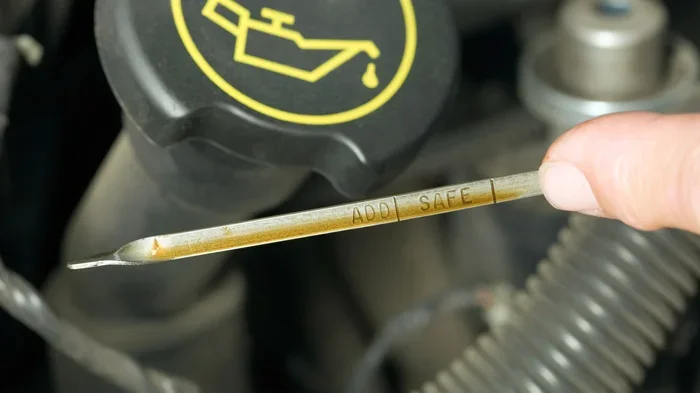
- You notice dark or gritty oil on the dipstick
- You hear unusual engine noises or knocking
- You smell burning oil inside or outside the car
- Your exhaust emits dark, thick smoke
If any of these show up, don’t wait. Get to a service center right away. Ignoring these signs can lead to engine damage that costs thousands to fix.
Tips to Save Money on Oil Service
Paying for car maintenance doesn’t have to break the bank. Here are some practical ways to keep your full oil service cost down without sacrificing quality.
Use Coupons and Loyalty Programs
Most dealerships offer coupons for oil services, especially for new customers. Check their websites, sign up for email lists, and ask about loyalty programs. You can often save $10 to $30 on a single service. Some dealerships also run seasonal promotions, especially in the fall and spring when service traffic tends to spike.
Bundle Your Services
If you need multiple services done, bundling them together often saves money. Instead of coming in for just an oil change, ask about a full maintenance package that includes the oil service plus other routine items. Dealerships sometimes offer discounted rates when you book multiple services at once.
Keep Up With Regular Maintenance
This might sound backwards, but staying current with your oil changes actually saves you money. Fresh oil protects your engine from wear. Neglected oil leads to sludge buildup, reduced fuel efficiency, and eventually expensive repairs. Think of oil service as insurance — a small cost now prevents a big bill later.
Ask What’s Included
Before you authorize any service, ask the service advisor to walk you through the full oil service cost breakdown. What oil type are they using? What filter? What inspections are included? A good dealership will be transparent about this. If they can’t explain the charges clearly, that’s a red flag.
Common Oil Service Mistakes to Avoid
Even well-meaning car owners make mistakes when it comes to oil service. Here are the most common ones and how to avoid them.
- Using the wrong oil type: Putting conventional oil in a car that needs synthetic won’t save you much money, but it can hurt your engine over time. Always check your owner’s manual.
- Ignoring the oil filter: Some places offer a cheap oil change but skip the filter or use a low-quality one. Always make sure the filter gets replaced.
- Waiting too long between services: Even with full synthetic oil, you can’t go forever without a change. Stick to the recommended service interval.
- Not checking for leaks afterward: After an oil service, glance under your car in the parking lot. A small puddle of oil means something wasn’t tightened properly.
- Skipping the inspection: The multi-point inspection is the most valuable part of a full oil service. Don’t rush past it or ask them to skip it to save time.
Expert Insights: What Mechanics Want You to Know
We asked a few certified mechanics what they wish every car owner understood about oil service. Here’s what they had to say.
“The oil life system is your friend, but it’s not perfect.” — Many drivers rely solely on the dashboard monitor. While these systems are smart, they don’t account for everything. If you drive in severe conditions — towing, extreme heat, or heavy stop-and-go — you should change your oil more often than the system recommends.
“Checking your oil at home takes two minutes.” — You don’t need to be a mechanic. Pop the hood, pull the dipstick, wipe it clean, reinsert it, and check the level. If it’s low, top it off before your next service. This simple habit can prevent low engine oil issues from causing serious damage.
“Don’t skip the service just because the car seems fine.” — Oil degrades over time even if you can’t see or feel it. By the time you notice symptoms like rough idling or decreased fuel economy, the damage may already be done. Staying ahead of your service interval is the best approach.
“Synthetic oil costs more upfront but saves money long-term.” — Because synthetic oil lasts longer, you need fewer changes per year. The oil change frequency drops, which means fewer service visits and less total spending over time.
How to Choose the Right Dealership for Your Oil Service
Not all dealerships are created equal when it comes to oil service. Here’s how to find the right one for your vehicle and your budget.
- Check online reviews: Look at Google, Yelp, and dealership-specific review sites. Pay attention to comments about pricing transparency, wait times, and technician expertise.
- Ask about OEM parts: A quality dealership will use genuine OEM parts, including oil filters and gaskets. Ask if you’re unsure.
- Compare service packages: Many dealerships offer prepaid maintenance plans. These can lock in lower rates for the life of your ownership.
- Look for certified technicians: Factory-trained technicians know your specific vehicle inside and out. They’re familiar with common issues and manufacturer-specific requirements.
- Consider convenience: Some dealerships offer pickup and drop-off service, loaner cars, or shuttle service. These perks add value beyond just the oil change itself.
Finding the right dealership might take a little research, but it pays off in the long run. A good relationship with your service center means you’ll always get fair pricing and honest advice.
The Bottom Line on Full Oil Service Cost
The full oil service cost at a dealership is an investment in your vehicle’s longevity and performance. Yes, it costs more than a quick lube or a DIY job. But the comprehensive inspection, quality parts, and expert attention provide value that goes far beyond just fresh oil.
Whether you drive a daily commuter or a family hauler, regular oil service keeps your engine running strong. It improves fuel efficiency, reduces emissions, and prevents the kind of expensive repairs that come from neglected maintenance. A full service oil change every 5,000 to 7,500 miles is one of the best things you can do for your car.
So next time that oil light comes on, don’t ignore it. Budget for the service, ask questions, and make sure you understand what you’re paying for. Your future self — and your engine — will thank you.
Frequently Asked Questions
How much does a full oil service cost at a dealership for a Toyota Camry?
A Toyota Camry oil change at a dealership typically costs between $75 and $125 for a full synthetic oil service. The exact price depends on whether you need conventional or synthetic oil, your local labor rates, and any additional services included in the package. Camrys are generally affordable to service compared to luxury brands.
What is included in a full oil service at a dealership?
A full oil service includes an oil and filter change, plus a multi-point inspection that checks all your vehicle’s fluids, tires, battery, belts, hoses, and lights. Technicians also top off any fluids that are low and look for visible issues under the hood and underneath the car. It’s a much more thorough service than a basic oil change alone.
How often should I get a full oil service?
Most modern vehicles need an oil service every 5,000 to 10,000 miles, but check your owner’s manual for the exact service interval. Your car’s oil life system monitor can also help guide you. If you drive in severe conditions — like extreme heat, towing, or heavy city traffic — you may need service more often.
Can I drive my car if the oil level is low?
You should not drive your car with low oil. Low engine oil causes increased friction, overheating, and can lead to serious engine damage. If your low engine oil warning shows on the dashboard, check your oil level immediately and add oil if needed before driving. Continuing to drive on low oil can result in costly engine repairs.
Does synthetic oil really make a difference?
Yes, synthetic oil provides better protection than conventional oil, especially in extreme temperatures. It flows more smoothly in cold weather and resists breaking down in high heat. Synthetic oil also lasts longer, which means fewer oil changes over time. For most modern engines, synthetic is the recommended choice.
Why is dealership oil service more expensive than a quick lube?
Dealership oil service costs more because it uses OEM parts, factory-trained technicians, and follows the manufacturer’s exact specifications. You’re also getting a comprehensive multi-point inspection that quick lube shops typically don’t offer. For vehicles under warranty, dealership service ensures your records are official and your coverage stays intact.
=== CONCLUSION ===
The full oil service cost at a dealership might seem steep at first glance, but understanding what you’re paying for changes everything. From the type of oil your engine needs to the thorough inspection that catches small problems before they grow, a dealership oil service delivers real value. Whether you drive a Toyota, a Honda, or a truck with a big V8 engine, staying on top of your oil changes is one of the simplest and most effective things you can do for your car.
Use the tips in this guide to budget wisely, ask the right questions, and choose the right service provider for your needs. Your car will run better, last longer, and save you money in the long run. So take action today — check your oil, schedule your next service, and keep your engine in top shape for miles to come.