Can I Change My Car Air Filter Myself at Home Today
Yes, you absolutely can change your car air filter yourself at home today. It is one of the easiest and most rewarding DIY car maintenance tasks you can do. With just a few basic tools and about 15 minutes, you will save money and keep your engine running smoothly. This guide walks you through every single step with confidence.
Have you ever wondered, can I change my car air filter myself? The short answer is a resounding yes. Changing your car air filter is one of the simplest maintenance tasks you can do. You do not need a garage. You do not need expensive tools. You just need about 15 minutes and a little confidence.
Many car owners avoid this task because they think it is too complicated. That could not be further from the truth. In fact, changing your engine air filter at home is a great way to learn more about your vehicle. It saves you money too. A quick trip to the auto parts store or a few clicks online gets you the right air filter replacement part for under 20 dollars in most cases.
This guide covers everything you need to know. From finding your air filter location to choosing the right air filter type, we have you covered. You will learn the warning signs of a dirty air filter, the tools you need, and the exact steps to follow. By the end, you will feel totally confident doing this job on your own.
DIY car maintenance has exploded in popularity over the last few years. More people want to take charge of their vehicle upkeep. Changing your air filter is the perfect starting point. It is quick, it is satisfying, and it makes a real difference in how your car runs. Let us dive in.
Key Takeaways
- Changing your air filter at home is simple: Most cars make it easy with no special tools needed.
- A clean air filter improves engine performance: It boosts fuel efficiency and keeps your engine healthy.
- You can save serious money: DIY replacement costs a fraction of what a mechanic charges.
- Know the warning signs: Reduced airflow, black smoke, and misfires all point to a dirty filter.
- Follow a regular schedule: Most filters need replacing every 12,000 to 15,000 miles.
- Avoid common mistakes: Wrong filter size and improper installation can cause problems.
📑 Table of Contents
- Why Your Car Air Filter Matters
- How to Know When It Is Time to Replace Your Air Filter
- Tools and Supplies You Will Need
- Step-by-Step Guide to Changing Your Air Filter
- Common Mistakes to Avoid When Replacing Your Air Filter
- How Often Should You Change Your Car Air Filter
- Expert Insights and Pro Tips
- Conclusion
Why Your Car Air Filter Matters
Your car air filter plays a huge role in your vehicle’s health. Think of it as the lungs of your engine. Just like you need clean air to breathe well, your engine needs clean air to perform well. The air intake system pulls outside air into the engine. The filter catches dust, dirt, pollen, and debris before it reaches sensitive engine parts.
How a Clean Filter Boosts Performance
A clean engine air filter allows the right amount of air to flow into the combustion chamber. This balanced air-fuel mixture is essential for engine performance. When your engine gets enough clean air, it runs smoothly and efficiently. You may notice better acceleration and a quieter ride.
On the flip side, a clogged filter restricts airflow. Your engine has to work harder to pull in air. This extra strain leads to several problems over time. Let us look at what happens when you ignore your air filter replacement schedule.
What Happens When Your Filter Gets Dirty
A dirty air filter starts causing problems long before you might notice. Here are the most common effects:
- Reduced fuel efficiency: Your engine burns more fuel when it struggles to breathe.
- Rough idling: A clogged filter disrupts the air-fuel balance, causing uneven engine speed.
- Weak acceleration: You may feel sluggish when pressing the gas pedal.
- Engine misfires: In severe cases, incomplete combustion causes misfiring.
- Black exhaust smoke: A very dirty filter can produce dark smoke from the tailpipe.
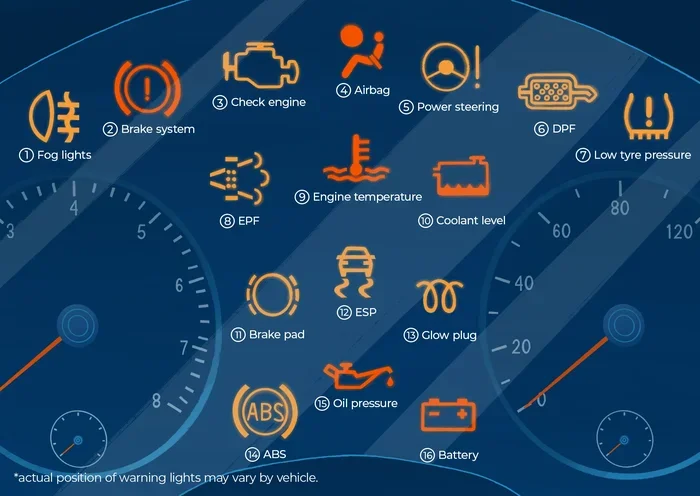
- Check engine light: Some vehicles trigger the warning light due to airflow issues.
These symptoms can also point to other problems. But a dirty air filter is often the simplest and cheapest fix. Before you spend hundreds at a repair shop, check your filter first.
How to Know When It Is Time to Replace Your Air Filter
Knowing when to replace your car air filter is important. Most manufacturers recommend changing it every 12,000 to 15,000 miles. But driving conditions matter a lot. If you drive on dusty roads or in heavy traffic, your filter may need attention sooner.
Visual Signs to Look For
The easiest way to check your filter is to look at it. Open the air filter housing and pull the filter out. Hold it up to a light source. If you cannot see light through the filter material, it is time for a new one. Here are other visual clues:
- Dark gray or black color: A healthy filter is white or light gray. Dark color means heavy dirt buildup.
- Visible debris on the surface: Dust and particles packed into the filter media.
- Oil or grease stains: These can indicate a bigger engine problem that needs attention.
- Collapsed or damaged filter: Physical damage means the filter has done its job and needs replacing.
Performance Signs You Should Not Ignore
Sometimes you cannot see the problem from the outside. Your car will tell you through how it drives. Watch for these air filter symptoms:
- Decreased gas mileage: You fill up more often than usual.
- Unusual engine sounds: A rattling or coughing noise during startup.
- Strong smell from the engine bay: A dusty or burnt smell can indicate restricted airflow.
- Reduced cabin air quality: If your cabin air filter is dirty, you may notice more dust inside the car.
Do not wait until your car shows serious symptoms. Regularly inspecting your air filter replacement part keeps small problems from becoming big ones.
Tools and Supplies You Will Need
One of the best things about changing your car air filter at home is how little you need. You probably already have everything in your garage or kitchen drawer. Here is a quick list:
Essential Tools
- New air filter: Make sure you get the right size and type for your vehicle. Check your owner manual or use an online air filter type lookup tool.
- Phillips and flathead screwdrivers: Most air filter housing units use basic screws or clips.
- A clean cloth or rag: You will use this to wipe down the housing before closing it.
- A flashlight: Helps you see inside the housing, especially in low light.
Nice-to-Have Extras
These are not strictly necessary, but they make the job even smoother:
- Gloves: Keeps your hands clean, especially if the old filter is very dirty.
- A small vacuum: Useful for cleaning debris out of the air filter housing before installing the new filter.
- Your owner manual: This is your best reference for air filter location and filter specifications.
The total cost for a DIY air filter replacement is usually between 10 and 30 dollars. Compare that to a mechanic’s bill, which can easily run 50 dollars or more for the same job. That alone is a great reason to learn how to do it yourself.
Step-by-Step Guide to Changing Your Air Filter
Now for the fun part. Here is the full process for changing your car air filter yourself. This guide covers the most common engine compartment setup. Your vehicle may vary slightly, but the basic process is very similar across most makes and models.
Step 1: Park Your Car and Let It Cool Down
Find a flat, level surface to park on. Turn off the engine and let the car cool for at least 10 minutes. You do not want to work around a hot engine. This is a basic safety step in any vehicle maintenance routine.
Step 2: Locate the Air Filter Housing
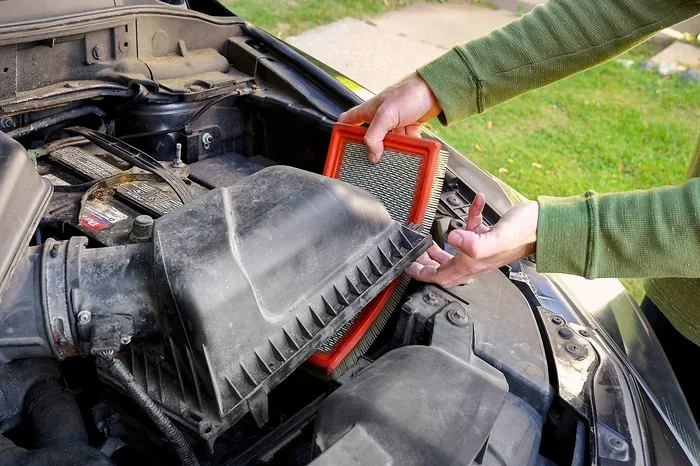
Open your hood and look for a large plastic box near the top of the engine. This is your air filter housing. It usually has a large intake hose connected to it. If you are unsure, consult your owner manual. The air filter location is typically easy to find in most cars, trucks, and SUVs.
Step 3: Open the Housing
Look for screws, clips, or a wing nut holding the housing lid in place. Use your screwdriver or simply twist the wing nut counterclockwise. Carefully lift off the lid. Set the hardware aside in a safe spot so you do not lose it.
Step 4: Remove the Old Filter
Lift the old filter straight up and out of the housing. Notice how it sits inside. Take a mental photo or a quick phone picture so you know the correct orientation for the new filter. The old filter will likely be covered in dust and debris. That is a good sign it has been doing its job well.
Step 5: Clean the Housing
Use your clean cloth to wipe out the inside of the housing. Remove any loose dirt or debris. If you have a small vacuum, this is a great time to use it. A clean housing helps the new engine air filter seal properly and perform at its best.
Step 6: Install the New Filter
Take your new air filter replacement out of the box. Check that it matches the old filter in size and shape. Place it into the housing in the same orientation as the old one. The filter should sit snugly with no gaps on the sides. If it does not fit right, double-check that you have the correct air filter type.
Step 7: Close the Housing and Secure It
Place the lid back on and tighten all screws, clips, or wing nuts. You want a firm, secure fit. Do not overtighten, but make sure nothing is loose. A loose housing can let unfiltered air bypass the filter and enter your engine.
Step 8: Start the Engine and Test
Close your hood and start the engine. Listen for any unusual sounds. A smooth, quiet idle is a good sign. Take your car for a short test drive and pay attention to how it responds. You should notice a difference in throttle response if your old filter was very dirty.
Congratulations. You just completed your first DIY car maintenance air filter change. That was not so hard, was it?
Common Mistakes to Avoid When Replacing Your Air Filter
Even simple tasks come with pitfalls. Knowing the common mistakes helps you avoid them and do the job right the first time.
Buying the Wrong Filter Size
This is the number one mistake people make. Not all car air filters are the same size. Using the wrong filter can cause air leaks and poor filtration. Always double-check your vehicle make, model, and year before purchasing a new filter. Online retailers and auto parts stores can help you find the exact match.
Installing the Filter Backwards
Some filters have a specific top and bottom. Installing it backwards reduces filtration effectiveness. This is why taking that photo before removing the old filter is so helpful. The new filter should go in exactly as the old one came out.
Forgetting to Clean the Housing
Dirt and debris left in the housing can contaminate your new filter. It also prevents a proper seal. A quick wipe-down takes just a few seconds and makes a big difference in your engine performance and fuel efficiency.
Neglecting the Cabin Air Filter
Many people only think about the engine air filter and forget about the cabin air filter. This filter cleans the air that enters your car’s interior. It affects the air you and your passengers breathe. Check your owner manual to see if your vehicle has one and how often it needs replacing.
Skipping Regular Inspections
Do not wait until you have obvious symptoms to check your filter. Make it a habit to inspect it every few months. Catching a dirty filter early prevents it from affecting your air filter maintenance schedule and your vehicle’s overall health.
How Often Should You Change Your Car Air Filter
The standard recommendation is every 12,000 to 15,000 miles or once a year, whichever comes first. But this is a general guideline. Your actual needs depend on several factors.
Factors That Affect Filter Life
Consider these variables when planning your air filter maintenance schedule:
- Driving environment: Dusty, rural, or construction-heavy areas wear out filters faster.
- Traffic conditions: Stop-and-go city driving exposes your filter to more pollutants.
- Climate: High humidity can cause moisture buildup in the filter.
- Vehicle age: Older vehicles may need more frequent filter changes.
- Filter quality: Premium filters often last longer and filter better than budget options.
Cost Comparison: DIY vs. Mechanic
Let us break down the air filter cost comparison. A standard car air filter price ranges from 10 to 25 dollars for most vehicles. You can find higher-quality options for 25 to 40 dollars. The DIY process takes about 15 minutes and costs nothing extra.
Taking your car to a mechanic for the same job typically costs 25 to 75 dollars, including labor. That is a significant difference over time. If you change your filter twice a year, you could save 30 to 100 dollars annually by doing it yourself. That is money you can put toward other vehicle maintenance needs.
Home car repair is not just about saving money. It is also about understanding your vehicle better. When you know how your car works, you can spot problems early and communicate more effectively with mechanics when you do need professional help.
Expert Insights and Pro Tips
Experienced car owners and mechanics share a few insider tips that make the job even easier:
- Keep spare filters in your garage: Stock up when you find a filter you like. You will always be ready.
- Mark your calendar: Set a reminder on your phone for your next air filter replacement date.
- Check after long road trips: Driving through dusty areas can clog your filter faster than normal driving.
- Do not wash paper filters: Unless you have a reusable foam or cotton filter, paper filters should be replaced, not cleaned.
- Take photos during the process: Photos help you remember exactly how everything was assembled before you started.
These small habits make a big difference over the life of your vehicle. They turn a simple task into a reliable vehicle maintenance routine you can feel proud of.
Conclusion
So, can I change my car air filter myself? Absolutely. You have everything you need to do this job right at home today. Changing your car air filter is quick, affordable, and incredibly satisfying. It is one of the best ways to take care of your vehicle without spending a fortune at the shop.
You now know why your engine air filter matters, how to spot the warning signs of a dirty filter, and exactly how to replace it step by step. You understand common mistakes to avoid and how often to schedule your air filter maintenance. This knowledge puts you in control of your vehicle’s health.
Grab your new filter, gather your tools, and give it a try this weekend. You will be amazed at how easy it is. Once you do it once, you will never want to pay someone else to do it again. Your car will thank you with better performance, improved fuel efficiency, and smoother driving for miles to come.
DIY car maintenance starts with small wins like this. Every job you tackle builds your confidence and your skills. So go ahead, pop that hood, and change your air filter today. Your future self will be glad you did.
Frequently Asked Questions
How long does it take to change a car air filter at home?
Most people complete the job in 10 to 20 minutes. It is one of the fastest DIY maintenance tasks you can do. The first time might take a little longer as you find the air filter location, but it gets quicker with practice.
What happens if I never change my car air filter?
A neglected dirty air filter restricts airflow to your engine. This causes reduced engine performance, lower fuel efficiency, and eventually can lead to costly engine damage. It is a small part that protects a big investment.
Can I wash and reuse my car air filter?
Most standard car air filters are paper-based and cannot be washed. However, some high-performance filters made of foam or cotton are reusable. Check your air filter type before attempting to clean it. When in doubt, replace it.
Do I need to turn off my car engine before changing the air filter?
Yes, always turn off the engine and let it cool down first. Working on a hot engine can cause burns or damage to components. This is a basic safety rule in any home car repair task.
Is changing the cabin air filter the same as the engine air filter?
No, they are different. The engine air filter cleans air going into the engine. The cabin air filter cleans air entering the car interior. Both are important for different reasons. Check your owner manual to see if your vehicle has a cabin filter.
Where can I find the right air filter for my car?
You can find the correct air filter replacement part using your vehicle identification number or by searching online with your make, model, and year. Auto parts stores and online retailers make this easy with lookup tools. Your owner manual also lists the recommended air filter type and size.