How Many Miles Can a Toyota Prius Last in Real Life
The Toyota Prius is built to go the distance, with many owners reporting 200,000 to 300,000 miles or more with proper maintenance. The Toyota Prius lifespan depends heavily on how well you maintain the hybrid battery, follow regular service schedules, and drive responsibly. With its proven hybrid car longevity and excellent fuel efficiency, the Prius remains one of the most reliable vehicles on the road today.
Key Takeaways
- Long Lifespan: A well-maintained Toyota Prius can easily reach 200,000 to 300,000 miles or more.
- Battery Matters: The hybrid battery is the most critical component, and proper care extends its life significantly.
- Low Maintenance Costs: Prius ownership costs are generally lower than comparable gas-only vehicles.
- Fuel Efficiency: The Prius delivers outstanding miles per gallon, saving money over its lifetime.
- Resale Value: High-mileage Prius models still hold strong resale value due to their reputation for durability.
- Regular Maintenance: Following the service schedule is the single best way to maximize your Prius lifespan.
📑 Table of Contents
- How Many Miles Can a Toyota Prius Last in Real Life?
- Understanding Toyota Prius Mileage and Longevity
- Factors That Affect How Long a Prius Lasts
- Toyota Prius Generations and Their Mileage Potential
- Prius Maintenance Tips for Maximum Mileage
- Common Prius Problems at High Mileage
- How Does Prius Longevity Compare to Other Toyota Models?
- Cost of Ownership: Is a High-Mileage Prius Worth It?
- Tips for Buying a Used Prius with High Mileage
- Final Thoughts on Toyota Prius Mileage Longevity
How Many Miles Can a Toyota Prius Last in Real Life?
If you have been asking yourself, “how many miles can Toyota Prius last,” you are not alone. This is one of the most common questions among car buyers and current Prius owners alike. The Toyota Prius has earned a reputation as one of the most durable and reliable hybrid vehicles ever made.
The short answer is impressive. A Toyota Prius can last between 200,000 and 300,000 miles with proper care. Some owners have even pushed their Prius well past the 300,000-mile mark. But what makes the difference between a Prius that barely reaches 150,000 miles and one that keeps going strong past 250,000?
The answer lies in maintenance, driving habits, and understanding how the hybrid system works. In this guide, we will break down everything you need to know about Toyota Prius lifespan, what affects mileage longevity, and how you can get the most out of your investment.
Understanding Toyota Prius Mileage and Longevity
The Toyota Prius was first introduced in Japan in 1997 and reached the U.S. market in 2000. Since then, Toyota has sold millions of units worldwide. The Prius was designed from the ground up as a hybrid vehicle, which means it combines a gasoline engine with an electric motor.
This hybrid setup is actually one of the biggest reasons the Prius lasts so long. The electric motor handles much of the low-speed driving, which reduces wear and tear on the gasoline engine. Less engine wear means fewer repairs and a longer overall hybrid car longevity.
How the Hybrid System Contributes to Longevity
The Prius uses a clever system called regenerative braking. When you slow down, the electric motor acts as a generator and recharges the battery. This means the traditional brake pads and rotors last much longer than in a standard car. Less wear on braking components means lower maintenance costs over time.
The gasoline engine in a Prius also runs more efficiently than in most conventional cars. It operates primarily in its most efficient range, which reduces internal stress. Over time, this translates to a healthier engine that can comfortably reach high mileage without major issues.
Factors That Affect How Long a Prius Lasts
Not every Prius will reach 300,000 miles. Several factors play a role in determining your vehicle’s actual Toyota Prius lifespan. Understanding these factors helps you take control of your car’s longevity.
1. Hybrid Battery Health
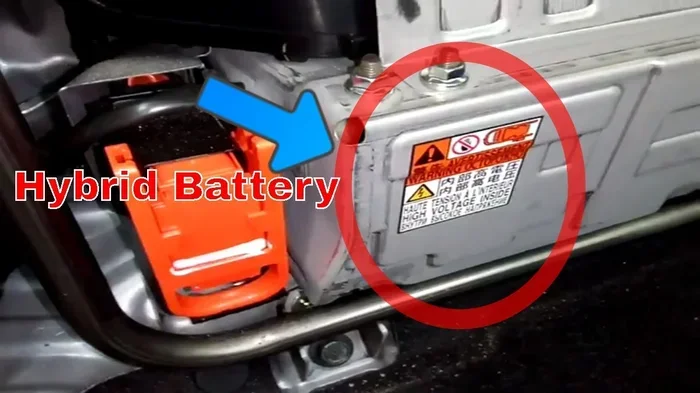
The hybrid battery is the heart of the Prius system. It powers the electric motor and stores energy recovered through regenerative braking. Battery health directly impacts how well your Prius performs and how long it will last.
Early Prius models (2001-2009) used nickel-metal hydride batteries. Newer models use lithium-ion batteries, which are more energy-dense and tend to last longer. On average, a Prius hybrid battery lasts between 100,000 and 150,000 miles before it needs replacement.
However, battery replacement does not mean the end of your Prius. Many owners have replaced the battery and continued driving for another 100,000 miles or more. If you want to learn more about keeping your hybrid battery healthy, check out our guide on how to make your hybrid battery last longer.
2. Driving Habits
How you drive has a huge impact on Prius mileage longevity. Aggressive driving, rapid acceleration, and hard braking all put extra stress on both the engine and the hybrid battery.
Gentle, steady driving is the best approach for maximizing your Prius lifespan. The Prius is designed to be efficient, and it rewards drivers who follow the flow of traffic smoothly. If you tend to drive aggressively, you may notice more wear on components and lower fuel economy.
3. Maintenance Schedule
Regular maintenance is non-negotiable if you want your Prius to reach its full mileage potential. Toyota recommends specific service intervals for oil changes, tire rotations, brake inspections, and fluid replacements.
Skipping maintenance might save you a little money in the short term, but it leads to bigger problems down the road. For example, neglected oil changes can cause engine wear that shortens your Toyota Prius lifespan significantly. Staying on top of the maintenance schedule is the best investment you can make.
4. Climate and Driving Conditions
Where you live and how you drive also matter. Extreme heat and extreme cold both put additional stress on the hybrid battery and other components. If you live in a very hot climate, your battery may degrade faster than in a moderate climate.
Stop-and-go city driving is actually easier on a Prius than constant highway driving. The hybrid system shines in city conditions where the electric motor handles much of the work. Highway driving at very high speeds relies more on the gasoline engine, which increases wear over time.
Toyota Prius Generations and Their Mileage Potential
Toyota has produced several generations of the Prius, and each has its own characteristics when it comes to hybrid vehicle durability. Let us look at how the different generations compare.
First Generation (2001-2009)
The original Prius set the standard for hybrid car longevity. These early models have proven remarkably durable, with many still on the road well past 200,000 miles. The first-generation Prius used a simpler hybrid system, which made it easier to maintain over the long term.
Common issues with early Prius models include battery degradation and some electrical gremlins. However, these are well-documented and relatively affordable to fix. The first generation proves that a Toyota Prius can absolutely handle high mileage.
Second Generation (2010-2015)
The second-generation Prius improved on nearly every front. The hybrid system became more efficient, and the gasoline engine was refined for better reliability. Many owners of second-generation Prius report reaching 250,000 miles without major issues.
This generation also introduced improved battery technology and better thermal management. These upgrades contributed directly to better long-term Toyota Prius lifespan outcomes.
Third Generation and Beyond (2016-Present)
The newer Prius models feature lithium-ion batteries, more advanced electronics, and improved overall engineering. Toyota has continued to refine the hybrid system with each new generation.
While it is still early for the latest Prius models to reach their full mileage potential, early data is very promising. The third-generation Prius and newer models are expected to match or exceed the longevity of earlier generations.
Prius Maintenance Tips for Maximum Mileage
Want to push your Prius past the 250,000-mile mark? Following these maintenance tips will help you get the most out of your vehicle.
Stick to the Maintenance Schedule
Toyota provides a detailed maintenance schedule for every Prius model. Follow it religiously. This includes oil changes every 5,000 to 10,000 miles, coolant flushes, brake fluid checks, and transmission fluid changes.
Every service interval exists for a reason. Skipping even one can lead to compounding problems that shorten your vehicle’s overall lifespan.
Monitor Your Hybrid Battery
Keep an eye on your battery’s health. Most Prius models have battery health indicators on the dashboard or information screen. If you notice the battery holding less charge than usual, have it checked promptly.
For tips on extending battery life, our article on making your hybrid battery last longer provides excellent detailed guidance.
Keep Tires Properly Inflated
This sounds simple, but it makes a real difference. Underinflated tires create more rolling resistance, which forces the hybrid system to work harder. This reduces fuel efficiency and puts extra strain on the drivetrain.
Check your tire pressure at least once a month. Properly inflated tires also improve safety and handling, which is a bonus.
Use the Right Fluids
Toyota specifies particular fluids for the Prius, including engine oil, coolant, and brake fluid. Always use the recommended grade and type. Using the wrong fluids can cause damage that shortens component life.
For example, using the wrong engine oil in a Toyota engine can lead to increased wear and reduced efficiency. Stick with what Toyota recommends for best results.
Drive Gently and Consistently
The Prius rewards gentle driving. Smooth acceleration, gradual braking, and steady speeds all contribute to less wear on components. This is especially true for the hybrid battery, which charges more efficiently during gentle driving.
You do not need to drive like you are in a parade, but avoiding aggressive habits will pay off in the long run with fewer repairs and better mileage.
Common Prius Problems at High Mileage
Even the most reliable vehicles develop issues over time. Being aware of common high-mileage Prius problems helps you address them before they become expensive repairs.
Battery Degradation
The hybrid battery is the most expensive component in a Prius. As the battery ages, it loses capacity, which can reduce fuel efficiency and electric-only driving range. Most owners notice battery degradation after 100,000 to 150,000 miles.
The good news is that battery replacement has become more affordable in recent years. Refurbished and rebuilt batteries cost significantly less than new OEM units. And if you are wondering whether you can still drive a Prius with a dead battery, we have answered that question in our article on can you drive a Prius without the hybrid battery.
Inverter and Power Control Unit Issues
The inverter converts DC power from the battery to AC power for the electric motor. Some Prius models, particularly early ones, have experienced inverter failures at higher mileage. This is a known issue, and replacement parts are readily available.
Suspension Wear
After 150,000 miles or more, suspension components like shocks, struts, and bushings may need replacement. This is normal wear and tear and affects any vehicle, not just the Prius. Regular inspections help catch these issues early.
Rust and Corrosion
Some Prius owners, particularly in northern climates, have reported rust issues. Keeping your vehicle washed during winter months and applying protective coatings can help prevent corrosion.
How Does Prius Longevity Compare to Other Toyota Models?
The Toyota brand is known for building vehicles that last. The Prius holds up well when compared to other Toyota models in terms of hybrid car longevity.
| Vehicle | Average Lifespan (Miles) | Key Factor |
|---|---|---|
| Toyota Prius | 200,000 – 300,000 | Hybrid system reduces engine wear |
| Toyota Camry | 200,000 – 250,000 | Proven reliable sedan platform |
| Toyota Corolla | 200,000 – 250,000 | Simple, durable design |
| Toyota Highlander | 200,000 – 250,000 | Strong SUV platform |
As you can see, the Prius compares very favorably to other Toyota models. The hybrid system gives it an edge in terms of reduced engine wear, which is the primary factor in vehicle longevity. For more information on how other Toyota models hold up over time, check out our article on how many years a hybrid will last.
Cost of Ownership: Is a High-Mileage Prius Worth It?
One of the biggest advantages of owning a Prius is the low cost of ownership. Let us break down why a high-mileage Prius can still be a smart financial choice.
Fuel Savings: The Prius delivers an average of 50 to 55 miles per gallon in real-world driving. Over 200,000 miles, that is a massive fuel savings compared to a vehicle that gets 25 miles per gallon.
Lower Maintenance Costs: The regenerative braking system reduces wear on brake components. The electric motor handles much of the driving workload, reducing strain on the gasoline engine. Fewer repairs mean lower maintenance costs over the life of the vehicle.
Strong Resale Value: Even high-mileage Prius models hold their value well. The Toyota brand reputation for reliability means buyers are willing to pay a premium for a well-maintained Prius, regardless of mileage.
Insurance and Depreciation: Prius insurance costs tend to be moderate, and the vehicle depreciates at a reasonable rate. This makes it an excellent choice for buyers who want to minimize total cost of ownership.
Tips for Buying a Used Prius with High Mileage
If you are considering buying a used Prius with lots of miles already on the clock, here are some tips to make sure you are making a smart purchase.
Get a Pre-Purchase Inspection
Always have a trusted mechanic inspect the vehicle before you buy. They can check the hybrid battery health, engine condition, transmission, and suspension. A pre-purchase inspection typically costs $100 to $200 and can save you thousands in unexpected repairs.
Check the Maintenance Records
A well-documented service history is a green flag. It shows the previous owner took care of the vehicle. Look for regular oil changes, brake services, and battery health checks in the records.
Test the Hybrid System
During your test drive, pay attention to how the hybrid system transitions between gas and electric power. Smooth transitions are a good sign. Hesitation, jerking, or warning lights could indicate problems with the hybrid system.
Look for Rust
Inspect the undercarriage, wheel wells, and rocker panels for rust. Rust can be a serious issue on older vehicles and can lead to expensive repairs if left unchecked.
Consider the Model Year
Newer Prius models generally have more advanced hybrid systems and better battery technology. However, earlier models are often cheaper and have a proven track record of longevity. The second-generation Prius (2010-2015) is widely considered a sweet spot for used buyers.
Final Thoughts on Toyota Prius Mileage Longevity
The Toyota Prius is one of the longest-lasting vehicles you can buy. With a potential lifespan of 200,000 to 300,000 miles or more, it offers incredible value for owners who take care of their vehicle.
The key to maximizing your Prius mileage longevity comes down to three things: regular maintenance, gentle driving habits, and monitoring your hybrid battery health. Follow these principles, and your Prius will reward you with years of reliable, efficient service.
Whether you are a current Prius owner looking to push your mileage higher or a buyer considering a used Prius with lots of miles, the evidence is clear. The Toyota Prius was built to last, and with proper care, it will keep going long after the warranty expires.
Take the time to understand your vehicle, stay on top of maintenance, and enjoy the journey. Your Prius is capable of far more miles than you might think, and with the right approach, you can reach those high-mileage milestones with confidence.
Frequently Asked Questions
How many miles can a Toyota Prius last before major repairs are needed?
Most Toyota Prius models can go 150,000 to 200,000 miles before needing major repairs. The hybrid battery is typically the first major component to require attention, usually around the 100,000 to 150,000-mile mark. With proper maintenance, many Prius owners delay major repairs well beyond these averages.
Is 200,000 miles a lot for a Toyota Prius?
Yes, 200,000 miles is considered high mileage for any vehicle, but the Prius is specifically designed for hybrid car longevity. A Prius with 200,000 miles is still in the middle of its expected lifespan and can often go another 100,000 miles or more with proper care.
How often does a Prius hybrid battery need to be replaced?
A Prius hybrid battery typically lasts between 100,000 and 150,000 miles before it needs replacement. However, driving habits, climate, and maintenance all affect battery life. Some owners have gone well beyond 150,000 miles without needing a battery replacement.
Can a Prius last 300,000 miles?
Yes, a Toyota Prius can absolutely last 300,000 miles. There are documented cases of Prius owners reaching and exceeding this milestone. The key factors are consistent maintenance, gentle driving, and prompt attention to any issues that arise.
Are high-mileage Prius models worth buying?
High-mileage Prius models can be excellent purchases if the vehicle has been well-maintained. The Prius holds its value well, has lower fuel costs, and Toyota parts are widely available. Always get a pre-purchase inspection and review the maintenance history before buying.
What is the most common reason a Prius does not reach high mileage?
The most common reason is neglected maintenance. Skipping oil changes, ignoring warning lights, and failing to address small problems early all shorten a Prius lifespan. The hybrid battery is the second most common issue, but even degraded batteries can often be repaired or replaced affordably.
=== CONCLUSION ===
The Toyota Prius is a remarkable vehicle when it comes to longevity. With the potential to last 200,000 to 300,000 miles or more, it stands out as one of the most durable hybrid vehicles on the market today. The combination of a hybrid powertrain, regenerative braking, and efficient engine design gives the Prius a significant advantage in terms of long-term reliability.
Your driving habits, maintenance routine, and attention to the hybrid battery all play a role in determining your actual Toyota Prius lifespan. By following the tips and advice in this guide, you can maximize your Prius mileage and enjoy a vehicle that keeps running strong for years to come.
Whether you are already a proud Prius owner or considering making one your next vehicle, the message is clear. The Toyota Prius is built to go the distance, and with the right care, it will happily keep going long after you expect.