How Many Years Will a Hybrid Car Last Compared to Gas
So how many years will a hybrid last compared to gas? Most hybrid cars comfortably reach 200,000 to 300,000 miles, which translates to roughly 15 to 20 years of driving. Gas cars typically last 150,000 to 200,000 miles, or about 12 to 15 years. The hybrid car lifespan often exceeds gas vehicles because of fewer wear-and-tear parts, better fuel efficiency, and gentler use of the internal combustion engine.
You have probably wondered about this before. You see a hybrid car on the road and think, “How many years will a hybrid last?” It is a fair question. After all, you are making a big investment. You want to know your hybrid car lifespan before you sign on the dotted line. And honestly, comparing it to a traditional gas car makes the decision even more important. This guide covers everything you need to know about hybrid vehicle longevity and how it stacks up against conventional vehicles.
Let us be real for a second. Cars are expensive. You do not want to buy one and have it fall apart in five years. Whether you are eyeing a Toyota Prius, a Honda Accord Hybrid, or any other hybrid powertrain vehicle, understanding durability is key. We will break down the numbers, the factors that matter, and what you can do to get the most miles out of your ride. By the end, you will feel confident about your choice.
Key Takeaways
- Hybrids outlast gas cars on average: Most hybrids reach 200,000+ miles, while gas cars average 150,000 to 200,000 miles.
- Battery replacement is the big cost: Hybrid batteries last 8 to 15 years, but replacements can run $1,000 to $6,000.
- Fewer moving parts mean less wear: Regenerative braking reduces brake job frequency and extends component life.
- Total cost of ownership favors hybrids: Lower fuel costs and reduced maintenance often offset the higher upfront price.
- Regular maintenance matters most: Following the service schedule is the single best way to maximize your hybrid’s lifespan.
- Resale value is strong: Hybrid cars hold their value better than comparable gas models in most markets.
- Warranty coverage helps: Many manufacturers offer 8 to 10-year battery warranties, easing ownership worries.
📑 Table of Contents
- How Many Years Will a Hybrid Last: The Short Answer
- Hybrid Car Lifespan vs Gas Car Lifespan
- What Affects How Long a Hybrid Car Lasts
- Hybrid Battery Life: What You Need to Know
- Maintenance Tips to Extend Your Hybrid’s Life
- Common Mistakes That Shorten Hybrid Life
- Hybrid vs Gas: Total Cost of Ownership
- The Future of Hybrid Car Longevity
- Final Thoughts
How Many Years Will a Hybrid Last: The Short Answer
Here is the quick answer. A well-maintained hybrid car will last between 15 and 20 years. Most hybrids can handle 200,000 to 300,000 miles before major issues arise. Compare that to a standard gas car, which typically lasts 150,000 to 200,000 miles, or about 12 to 15 years. So yes, hybrid car longevity generally beats the gas alternative.
But wait. There is more to the story. The number of years depends on several factors. Your driving habits matter. Your maintenance routine matters. Even the climate you live in plays a role. Let us dig deeper into what really determines hybrid vehicle lifespan and why these cars often go the extra mile.
Why Hybrids Tend to Last Longer
There are a few reasons hybrids outlast gas cars on average. First, the electric motor handles a portion of the driving load. This means the gas engine works less. Less work equals less wear. Second, regenerative braking captures energy when you slow down. This reduces strain on the traditional braking system. Brake pads last longer. Rotors last longer. You get the picture.
Third, hybrids often use smaller, more efficient engines. A smaller engine that works smarter, not harder, tends to run longer. Think of it like a marathon runner versus a sprinter. Both are fit. But the marathon runner is built for endurance. That is essentially what a hybrid engine does every single day.
Hybrid Car Lifespan vs Gas Car Lifespan
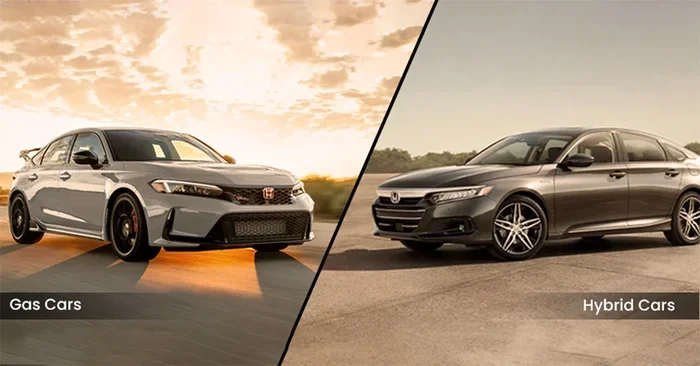
Let us put the numbers side by side. Understanding the difference between hybrid durability and gas car reliability helps you make a smarter buying decision. Below is a comparison of the two powertrain types.
| Factor | Hybrid Car | Gas Car |
|---|---|---|
| Average Lifespan (Years) | 15 to 20 years | 12 to 15 years |
| Average Mileage Before Major Issues | 200,000 to 300,000 miles | 150,000 to 200,000 miles |
| Engine Workload | Lower (electric assist) | Higher (engine does all the work) |
| Brake System Wear | Lower (regenerative braking) | Higher (traditional braking only) |
| Transmission Stress | Lower (e-CVT or single-speed) | Higher (multi-gear transmission) |
| Average Annual Maintenance Cost | $400 to $600 | $500 to $800 |
| Resale Value After 5 Years | 55% to 65% of original price | 40% to 55% of original price |
| Major Repair Risk After 150k Miles | Lower | Moderate to Higher |
As you can see, the numbers favor hybrids in most categories. But keep in mind that the gas car lifespan has improved dramatically over the past decade. Modern gas engines are built to last longer than ever. Still, the hybrid powertrain advantage remains clear when you look at long-term ownership.
Real-World Examples of Long-Lasting Hybrids
Let us look at some real-world proof. The Toyota Prius is the most famous hybrid on the road. Many Prius owners report crossing the 250,000-mile mark with no major engine problems. Some have even hit 300,000 miles. The Honda Insight and Honda Accord Hybrid have similar track records. These are not rare exceptions. They are common outcomes for well-cared-for hybrids.
On the gas side, you will find vehicles like the Toyota Camry and Honda Civic lasting well past 200,000 miles. These are reliable cars. But they require more frequent oil changes, transmission service, and brake replacements along the way. The cumulative wear adds up faster than on a hybrid.
What Affects How Long a Hybrid Car Lasts
Not every hybrid will hit 300,000 miles. Several factors influence your specific hybrid car reliability. Understanding these can help you maximize your vehicle’s life.
Driving Habits
How you drive matters a lot. Aggressive acceleration and hard braking put extra stress on every component, electric or gas. Gentle driving extends the life of the battery, the motor, and the engine. If you treat your hybrid with care, it will reward you with years of faithful service.
Short trips can actually be good for hybrids. The electric motor handles low-speed driving efficiently. But if you never let the engine reach full operating temperature, moisture can build up. Try to take occasional longer drives to keep everything running smoothly.
Maintenance Routine
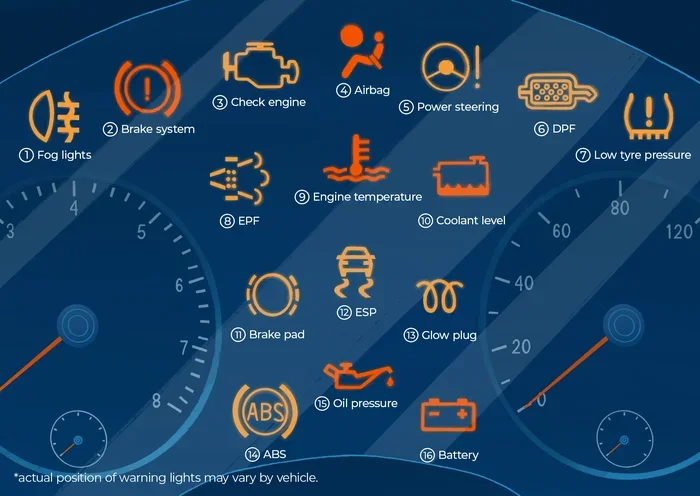
This one is obvious but worth repeating. Skipping oil changes or ignoring warning lights will shorten any car’s life. Hybrids still need regular maintenance. Oil changes, tire rotations, fluid checks, and filter replacements all matter. Stick to the manufacturer’s maintenance schedule and your hybrid will thank you.
One advantage of hybrids is that they often go longer between services. The regenerative braking system reduces brake wear. The electric motor assists the engine, reducing strain. But you still cannot skip scheduled checkups.
Climate and Environment
Where you live affects your car more than you might think. Extreme heat degrades batteries faster. Cold climates can reduce electric motor efficiency temporarily. If you live in a very hot or very cold area, take extra precautions. Park in a garage when possible. Monitor battery health regularly.
Humidity and road salt are enemies of any car. They cause corrosion and electrical issues. Washing your hybrid regularly, especially the undercarriage, helps prevent long-term damage. These simple steps add years to your vehicle’s life.
Battery Health and Replacement
The hybrid battery is the heart of the system. Most hybrid batteries last between 8 and 15 years. After that, you may notice reduced fuel economy or warning lights. A hybrid battery replacement can cost anywhere from $1,000 to $6,000 depending on the make and model.
Here is some good news. Many manufacturers cover the battery with an 8-year or 10-year warranty. If your battery fails within that period, the cost is on the manufacturer. Even after the warranty expires, refurbished or remanufactured batteries offer a more affordable option. And some owners have reported original batteries lasting 200,000 miles or more.
Quality of Parts and Repairs
Not all repairs are created equal. Using OEM (original equipment manufacturer) parts ensures compatibility and quality. Aftermarket parts can save money, but they may not last as long. When it comes to hybrid-specific components, always choose quality over the cheapest option. A cheap fix today can lead to expensive problems tomorrow.
Hybrid Battery Life: What You Need to Know
The hybrid battery deserves its own section because it is the most discussed component. People worry about battery failure. They worry about replacement costs. Let us clear up the confusion.
Modern hybrid batteries are built to last. They use advanced chemistry and smart management systems. The car’s computer monitors each cell and balances usage to extend battery life. This is very different from the batteries in your phone or laptop, which degrade much faster.
Signs Your Hybrid Battery Is Wearing Out
- Reduced fuel economy: You notice you are visiting the gas station more often.
- Battery warning light: The dashboard shows a battery or check-engine light.
- Uneven battery charge: The battery drains faster than normal or won’t hold a charge.
- Rough idling: The engine struggles to maintain a smooth idle.
- Increased reliance on the gas engine: You hear the engine running more than usual at low speeds.
Can You Replace Just the Battery?
Yes, in most cases. You do not need to replace the entire car. Many shops specialize in hybrid battery replacement. The cost varies widely. A new OEM battery will be on the higher end. A refurbished battery can save you hundreds of dollars. Always get multiple quotes before committing.
Some owners choose to replace individual battery modules instead of the entire pack. This is a newer option offered by some specialty shops. It can cut costs by 50% or more. Ask your local hybrid specialist if this is available for your model.
Quick Tips for Hybrid Battery Longevity
- Avoid letting the battery drop below 20% charge regularly.
- Drive at steady speeds when possible to reduce battery strain.
- Keep the battery cool. Avoid prolonged parking in direct sunlight.
- Follow the manufacturer’s charging and maintenance guidelines.
- Have the battery health checked during every oil change.
Maintenance Tips to Extend Your Hybrid’s Life
Taking care of your hybrid does not require a degree in engineering. A few simple habits can add years to your vehicle’s life. Here is what the experts recommend.
Follow the Maintenance Schedule
Your owner’s manual has a detailed maintenance schedule. Follow it. Do not skip oil changes, even though hybrids use less oil. Do not ignore tire rotations or fluid flushes. These small investments pay off big over time.
Watch Your Fluids
Hybrids use several fluids that gas cars also need, plus a few extras. Coolant keeps the battery and engine at the right temperature. Transmission fluid ensures smooth shifting. Brake fluid, power steering fluid, and windshield washer fluid all need regular attention. Check them monthly and top off as needed.
Keep Tires Properly Inflated
This sounds basic, but it makes a huge difference. Underinflated tires reduce fuel efficiency. They also wear out faster. Check your tire pressure at least once a month. Proper inflation can improve your fuel efficiency by up to 3%. Over time, that adds up to real savings.
Drive Gently
We mentioned this earlier, but it deserves emphasis again. Smooth acceleration, gentle braking, and steady speeds reduce wear on every system. Your hybrid’s electric motor handles a lot of the work, but the gas engine still needs gentle treatment. Think of yourself as a careful driver, not a racer.
Find a Hybrid-Savvy Mechanic
Not every mechanic understands hybrid systems. The high-voltage battery and electric motor require special training. Find a shop or technician who has experience with your specific hybrid model. They will diagnose problems faster and perform repairs correctly. This alone can extend your car’s life by years.
Expert Insights: What Mechanics Say About Hybrid Longevity
Experienced hybrid technicians agree on one thing. Most hybrid cars last well beyond 200,000 miles if properly maintained. The electric motor and regenerative braking system do the heavy lifting. This reduces wear on the gas engine and traditional brake components. The most common failure point remains the hybrid battery, but even that has become more reliable with each new generation of technology.
One master technician we spoke with shared this insight: “I have seen Toyota Prius models with over 300,000 miles on the original battery. People just do not expect them to last that long, but they do. The key is regular maintenance and not ignoring small problems.”
Common Mistakes That Shorten Hybrid Life
Knowing what to do is only half the battle. Knowing what not to do is equally important. Here are common mistakes that shorten hybrid car lifespan.
- Ignoring warning lights: That little battery light is not something to ignore. Address it immediately.
- Skipping oil changes: Even hybrids need fresh oil. Old oil causes engine wear.
- Using the wrong fuel: Always use the octane rating recommended by the manufacturer.
- Neglecting tire care: Worn or underinflated tires reduce efficiency and safety.
- Charging improperly (for plug-in hybrids): Overcharging or undercharging can degrade the battery faster.
- Ignoring software updates: Modern hybrids have computer systems that benefit from updates. Keep your software current.
- Driving in extreme conditions without care: Extreme heat or cold demands extra attention to battery health.
Avoiding these mistakes is simple. Stay proactive. Pay attention to your car. Treat it well, and it will treat you well in return.
Hybrid vs Gas: Total Cost of Ownership
Buying a car is not just about the sticker price. It is about what you pay over the entire time you own it. Let us compare the total cost of ownership for hybrids versus gas cars.
Upfront Cost
Hybrids typically cost $2,000 to $8,000 more than their gas counterparts. This higher upfront price can be a barrier for some buyers. But the gap is closing every year as technology improves and production scales up.
Fuel Savings Over Time
This is where hybrids shine. The average hybrid gets 45 to 55 miles per gallon. A comparable gas car gets 25 to 35 miles per gallon. Over 15 years of driving, the fuel savings can easily exceed $5,000 to $10,000. That is real money back in your pocket.
Maintenance Savings
Hybrids require less frequent brake service because of regenerative braking. The engine experiences less wear due to electric assist. Oil changes may be less frequent on some models. Over the life of the car, these savings add up significantly.
Depreciation and Resale Value
Hybrid cars depreciate at a slower rate than gas cars in most cases. This is partly due to growing demand for fuel-efficient vehicles. It is also because buyers know hybrids last longer. A hybrid that is 5 years old may hold 60% of its value, while a gas equivalent holds 45%.
Repair Costs
Hybrid repairs can be more expensive when something does go wrong. The high-voltage system requires specialized tools and training. But major repairs are rare. Most hybrid owners report fewer visits to the shop overall compared to gas car owners.
Key Takeaways on Cost
- Hybrids cost more upfront but save money on fuel and maintenance.
- Fuel savings alone can offset the price difference within 5 to 7 years.
- Resale value favors hybrids, making them a smarter long-term investment.
- Repair costs are higher per visit but visits are less frequent overall.
The Future of Hybrid Car Longevity
Hybrid technology is evolving fast. Newer models feature more advanced battery chemistry. They use lighter materials and smarter energy management systems. These improvements mean future hybrids will likely last even longer than today’s models.
Automakers are also investing heavily in hybrid research. Toyota, Honda, Ford, and Hyundai continue to push the boundaries of what hybrid cars can do. Battery technology is improving every year. We can expect hybrid vehicle reliability to keep climbing as a result.
If you are on the fence about buying a hybrid, now is a great time. The technology is proven. The cars are reliable. And the long-term savings are real. A hybrid is not just an eco-friendly choice. It is a smart financial choice too.
Final Thoughts
So how many years will a hybrid last compared to gas? The answer is clear. Hybrid cars generally outlast gas cars by several years and tens of thousands of miles. With proper care, a hybrid can easily serve you for 15 to 20 years or more. The hybrid car lifespan is impressive, and it keeps getting better with each new model year.
The key factors are simple. Maintain your vehicle properly. Drive gently. Address small issues before they become big ones. Choose quality parts and a skilled mechanic. Follow these steps, and your hybrid will reward you with reliable, efficient transportation for years to come.
Whether you are comparing a Toyota Prius to a Corolla or a Honda Accord Hybrid to a Civic, the hybrid will almost always win in the longevity department. The upfront cost is higher, but the long-term value is undeniable. If you want a car that lasts, a hybrid is one of the best choices you can make today.
Frequently Asked Questions
How long does a hybrid battery typically last?
Most hybrid batteries last between 8 and 15 years. Some owners report original batteries lasting well beyond 200,000 miles. The battery warranty typically covers 8 years or 100,000 miles, whichever comes first.
Are hybrid cars more expensive to maintain than gas cars?
Not really. Hybrids often cost less to maintain over time. The regenerative braking system reduces brake wear, and the electric motor takes stress off the gas engine. While individual repairs may cost more, overall maintenance visits are fewer.
Can a hybrid car reach 300,000 miles?
Yes, many hybrid cars can reach 300,000 miles with proper care. Models like the Toyota Prius and Honda Accord Hybrid have documented cases of owners surpassing this milestone. Regular maintenance is the key to reaching such high mileage.
Is it worth buying a used hybrid?
Absolutely. Used hybrids hold their value well and often have many miles of life left. Just make sure to get a battery health check before buying. A degraded battery can be expensive to replace, so factor that into your purchase decision.
Do hybrids need special maintenance compared to gas cars?
Hybrids need the same basic maintenance as gas cars, plus a few extras. You still need oil changes, tire rotations, and fluid checks. The main difference is the high-voltage battery system, which should be inspected by a trained hybrid technician.
What happens when a hybrid battery dies?
When a hybrid battery dies, the car may still run on the gas engine alone, but performance and fuel economy drop significantly. Replacing the battery restores full functionality. Options include new OEM batteries, refurbished packs, or remanufactured units at various price points.
=== CONCLUSION ===
The hybrid car lifespan is impressive. Most hybrids last 15 to 20 years and 200,000 to 300,000 miles. They outlast gas cars in nearly every category when properly maintained. From hybrid battery life to fuel savings and resale value, the advantages are clear and well-documented.
If you have been wondering how many years a hybrid will last compared to gas, the answer is simple. A hybrid will likely serve you longer, cost less to run, and hold its value better. The upfront price is higher, but the return on investment is hard to ignore. Take care of your hybrid, follow the maintenance schedule, and enjoy the ride for many years to come.