How Long Can a Toyota Corolla Go Without an Oil Change
A Toyota Corolla can typically go between 5,000 and 10,000 miles without an oil change, depending on the model year, oil type, and driving conditions. Older models using conventional oil need changes more often, while newer Corollas with synthetic oil can stretch further. Ignoring your Toyota Corolla oil change schedule can lead to engine damage, reduced fuel economy, and costly repairs down the road.
This is a comprehensive guide about How Long Can a Toyota Corolla Go Without an Oil Change.
Key Takeaways
- Standard Interval: Most Toyota Corollas need an oil change every 5,000 to 10,000 miles depending on the year and oil type.
- Synthetic vs Conventional: Synthetic oil lasts longer and offers better protection than conventional oil for your Toyota Corolla.
- Warning Signs Matter: Strange engine noises, dark oil, and dashboard lights are clear signals that your oil needs attention.
- Driving Conditions Count: Stop-and-go traffic, extreme heat, and towing can shorten your oil change interval significantly.
- Check Your Manual: Always refer to your Toyota owner’s manual for the manufacturer’s recommended oil change schedule.
[FEATURED_IMAGE_PLACEHOLDER]
How Long Can a Toyota Corolla Go Without an Oil Change?
Every Toyota Corolla owner has asked this question at some point. You know you need to change your oil. But how long can you actually push it before things go wrong? The answer depends on several factors. Your model year matters. The type of oil you use matters. Even your driving habits play a big role. Let us break it all down so you know exactly what to expect from your Toyota Corolla oil change schedule.
The truth is, there is no single answer that fits every Corolla. A 2010 Corolla with conventional oil needs attention much sooner than a 2023 Corolla running full synthetic. And if you drive in tough conditions, you might need to change your oil even more often. This guide covers everything you need to know. We will look at recommended intervals, warning signs, oil types, and practical tips to keep your engine healthy for years to come.
Toyota Corolla oil change maintenance is one of the simplest things you can do for your car. Yet many owners ignore it until something goes wrong. Do not be that person. A little knowledge goes a long way. Let us dive in.
Toyota Corolla Oil Change Intervals by Model Year
Toyota has changed its recommendations over the years. Older Corollas generally need more frequent oil changes. Newer models with advanced engines can go longer. Here is a breakdown by era and model year.
Older Models (2000-2008)
These early Corollas used conventional oil in most trims. The standard recommendation was an oil change every 3,000 to 5,000 miles. The engines in these older models were simpler. They did not have the precision of modern designs. Regular oil changes kept them running smoothly for hundreds of thousands of miles.
If you own a Corolla from this era, do not skip your oil changes. The engines in older Toyotas rely heavily on consistent maintenance. Using synthetic oil in these models can extend the interval slightly. But you should still stay close to the 5,000-mile mark for safety.
Mid-Range Models (2009-2018)
Toyota started transitioning to synthetic blend and full synthetic oils in many of its vehicles during this period. The recommended interval for most Corollas from 2009 to 2018 is 5,000 to 7,500 miles. Some models with ToyotaCare plans even included oil changes as part of the package.
The engines in these Corollas are more efficient. They burn cleaner and produce fewer contaminants. This means the oil stays cleaner for longer. But that does not mean you should push it past 7,500 miles without checking. Always inspect your oil level and condition between changes.
Newer Models (2019-Present)
Modern Toyota Corollas come with advanced engine technology and full synthetic oil options. Toyota now recommends oil changes every 7,500 to 10,000 miles for many of these models. The oil life monitor system in newer Corollas tracks your driving conditions and tells you exactly when it is time for a change.
The 2019+ Corollas use more refined engines. They are designed to run cleaner and last longer. But even with synthetic oil, extreme driving conditions can shorten the interval. If you drive in heavy traffic or very hot weather, consider sticking closer to the 7,500-mile mark.
| Model Era | Oil Type | Recommended Interval |
|---|---|---|
| 2000-2008 | Conventional | 3,000-5,000 miles |
| 2009-2018 | Synthetic Blend | 5,000-7,500 miles |
| 2019-Present | Full Synthetic | 7,500-10,000 miles |
Types of Oil and Their Impact on Oil Change Intervals
The type of oil you put in your Toyota Corolla makes a huge difference. Not all oils are created equal. Let us look at the three main types and how they affect your Toyota Corolla oil change schedule.
Conventional Oil
Conventional oil is the most basic option. It comes from crude oil and is refined to work in standard engines. It is affordable and widely available. But it breaks down faster than other options. You will need to change conventional oil more often, usually every 3,000 to 5,000 miles.
Older Corollas with simpler engines work fine with conventional oil. It provides adequate protection for daily driving. But if you push your car hard or drive in extreme conditions, conventional oil will degrade faster. You might notice dark, gritty oil well before the mileage mark.
Synthetic Blend Oil
Synthetic blend oil mixes conventional and synthetic oils. It offers better protection than pure conventional oil. It also lasts longer. Most Toyota Corollas from 2009 to 2018 run well on synthetic blend. The interval can stretch to 5,000 to 7,500 miles.
Synthetic blend is a great middle ground. It costs more than conventional oil but less than full synthetic. For most Corolla owners, this is the sweet spot between performance and cost. If you are unsure which type to use, check your owner’s manual.
Full Synthetic Oil
Full synthetic oil is the best option available. It is engineered in a lab to provide maximum protection. It resists heat, oxidation, and breakdown better than any other oil type. Full synthetic oil can last 7,500 to 10,000 miles or even longer in some cases.
Newer Toyota Corollas are designed to run on full synthetic. The engines have tighter tolerances and higher operating temperatures. Full synthetic oil handles these demands beautifully. It also keeps your engine cleaner over time. The engine performance benefits are noticeable. Many owners report smoother acceleration and better fuel economy with full synthetic.
Can you use full synthetic in an older Corolla? Yes. There is a common myth that switching to synthetic oil in older engines causes leaks. This is not true. Modern synthetic oils are safe for all engine types. Switching to synthetic can actually improve engine health in older Corollas.
Warning Signs Your Toyota Corolla Needs an Oil Change
Your Toyota Corolla will tell you when it needs an oil change. You just need to pay attention. Here are the most common warning signs that your oil is overdue.
Dashboard Warning Lights
The most obvious sign is a dashboard warning light. Many Corollas have an oil change reminder light that comes on at the scheduled interval. If you see this light, do not ignore it. It is there for a reason.
Some Corollas also display a wrench light. This can indicate a maintenance issue. According to our guide on what the wrench light means, this light often signals that your oil or other fluids need attention. Check your oil level and schedule a service if the light stays on.
Strange Engine Noises
Oil lubricates the moving parts inside your engine. When oil gets old and dirty, it loses its ability to cushion those parts. You might hear knocking, ticking, or rattling sounds. These noises mean metal is rubbing against metal. That is not good for your engine.
If you hear unusual engine noises, check your oil immediately. Low or degraded oil can cause serious engine damage within a short time. Do not wait. Pull over safely and inspect your oil level.
Dark or Gritty Oil on the Dipstick
Healthy oil is amber or golden in color. As it ages, it darkens. By the time your oil is very dark brown or black, it has collected a lot of contaminants. Use the dipstick to check your oil color regularly.
If the oil feels gritty or gritty between your fingers, it is time for a change. Clean oil should feel smooth and slippery. Gritty oil means dirt and metal particles have built up. This accelerates engine wear and reduces performance.
Reduced Fuel Economy
Old or dirty oil creates more friction inside the engine. More friction means your engine works harder. This leads to reduced fuel economy. If you notice your Toyota Corolla is using more gas than usual, check your oil. A simple oil change can sometimes restore lost fuel efficiency.
Oil Smell Inside the Car
If you smell oil inside your vehicle, something is wrong. It could mean an oil leak. It could also mean your oil is overheating. Either way, this is a serious warning sign. Check your oil level and look for puddles under your car. If you find a leak, get it fixed right away.
Driving Conditions That Shorten Oil Change Intervals
Toyota defines certain driving conditions as “severe service.” If you regularly drive in these conditions, you need to change your oil more often. Here are the most common severe service conditions.
- Stop-and-Go Traffic: Frequent stopping and starting puts extra stress on your engine. Oil temperatures fluctuate more in traffic. This accelerates oil breakdown.
- Extreme Heat: High temperatures cause oil to oxidize faster. Hot weather is especially tough on conventional oil.
- Extreme Cold: Cold starts are hard on engines. Oil thickens in cold weather and does not flow as well. This means more wear during startup.
- Short Trips: Driving less than five miles at a time does not allow the engine to fully warm up. Moisture and fuel contaminate the oil faster.
- Towing or Heavy Loads: Towing puts extra strain on the engine. Oil temperatures rise higher and degrade faster under heavy load.
- Dusty or Dirty Roads: Dirt and dust can enter the engine through the air intake. This contaminates the oil and shortens its lifespan.
If you regularly experience any of these conditions, consider shortening your oil change interval by 20 to 30 percent. For example, if your Corolla normally goes 7,500 miles, change the oil every 5,000 to 5,500 miles instead. This small extra effort can save you from expensive engine repairs.
Even if you do not drive in these conditions, it is smart to check your oil level at least once a month. Use the dipstick to verify the oil is at the proper level. Top off if needed. And always use the oil weight recommended by Toyota for your specific Corolla model.
How to Make Your Toyota Corolla Engine Last Longer
Regular oil changes are the foundation of engine longevity. But they are not the only factor. Here are some practical tips to help your Toyota Corolla engine last well beyond 200,000 miles.
Follow the Toyota Maintenance Schedule
Toyota provides a detailed maintenance schedule for every model. This schedule includes oil changes, tire rotations, brake inspections, and more. Following this schedule is the best thing you can do for your car. It keeps everything running at peak performance and catches small problems before they become big ones.
If you have a ToyotaCare plan, take advantage of it. These plans often cover routine maintenance for a set period. This includes oil changes and other essential services. It is a great way to stay on top of your maintenance without worrying about cost.
Use Quality Parts and Fluids
Not all oil and filters are the same. Use high-quality oil that meets Toyota’s specifications. Look for oils that meet the API SN or SP rating. Use a genuine Toyota oil filter or a high-quality aftermarket equivalent. Cheap oil and filters may save money upfront. But they can cost you much more in engine repairs later.
Want to learn more about keeping your car in top shape? Check out our article on how to make a car last 500,000 miles for expert maintenance tips that apply to any vehicle.
Monitor Your Oil Level Regularly
Get in the habit of checking your oil level every two weeks. Use the dipstick when the engine is cool. The oil should be between the minimum and maximum marks. If it is low, top it off with the same type of oil you currently use.
Low oil is one of the leading causes of engine damage. Even a few miles driving with low oil can cause serious wear. If you notice your oil level dropping frequently, have a mechanic inspect for leaks.
Keep Up with Other Maintenance Too
Oil changes are important. But they are just one piece of the puzzle. Keep up with tire rotations, brake pad replacements, and fluid flushes. A well-maintained Corolla will last for decades. Neglecting other maintenance can also affect your engine’s health. For example, a clogged air filter can reduce engine performance and fuel economy.
Also, be mindful of what you put in your tank. Using the wrong fuel can harm your engine over time. If you are wondering about fuel options, check out our guide on whether you can put premium gas in a Toyota Corolla for detailed advice.
Where to Get Your Toyota Corolla Oil Changed
You have several options for getting your oil changed. Each has its pros and cons. Let us look at the most common choices.
Toyota Dealership
Getting your oil changed at a Toyota dealership has clear advantages. The technicians are trained specifically for Toyota vehicles. They use genuine Toyota parts and fluids. Your service is recorded in Toyota’s system, which helps with resale value. Dealership service can be more expensive than other options. But the quality and peace of mind are hard to beat.
Independent Mechanic
Independent mechanics often charge less than dealerships. Many have years of experience with Toyota vehicles. A good independent mechanic can provide excellent service at a lower price. Look for reviews and recommendations from other Corolla owners in your area.
Quick-Lube Shops
Quick-lube shops offer fast and convenient oil changes. They are often located at gas stations and retail centers. The prices are usually competitive. But the quality can vary. Some quick-lube shops use lower-quality parts or skip important inspection steps. Do your research before choosing a quick-lube provider.
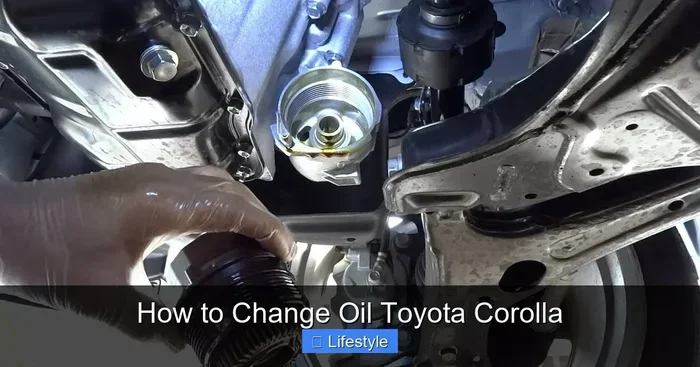
DIY Oil Change
If you are handy, you can change your own oil. It saves money and gives you complete control over the process. You will need a socket wrench, an oil filter wrench, a drain pan, and the right oil and filter. Make sure you dispose of the old oil properly at a recycling center.
Changing your own oil is a rewarding experience. It also helps you understand your car better. But if you are not comfortable with the process, there is no shame in letting a professional handle it. The most important thing is that your oil gets changed on time.
Common Mistakes to Avoid with Toyota Corolla Oil Changes
Even the best intentions can lead to mistakes. Here are the most common errors Corolla owners make with oil changes.
- Ignoring the Oil Life Monitor: The oil life monitor is a helpful tool. But it is not perfect. Use it as a guide, not a replacement for regular maintenance. If your driving conditions are severe, change your oil before the monitor tells you to.
- Using the Wrong Oil Weight: Toyota specifies the oil weight for each Corolla model. Using the wrong weight can reduce engine protection. Check your owner’s manual or the oil cap for the correct weight.
- Forgetting to Change the Oil Filter: The oil filter traps contaminants. A clogged filter reduces oil flow and engine protection. Always replace the oil filter with every oil change.
- Overfilling the Oil: Too much oil can be just as bad as too little. Overfilling causes excess pressure in the engine. It can lead to oil leaks and engine damage. Always check the level after adding oil.
- Skipping Oil Changes to Save Money: This is the biggest mistake. The cost of an oil change is tiny compared to the cost of engine repairs. Skipping oil changes will cost you much more in the long run.
For related maintenance questions, you might want to read about how to clear a check engine code if you ever see that light come on after an oil change. It is a common concern for many Toyota owners.
Conclusion
So, how long can a Toyota Corolla go without an oil change? The answer is 5,000 to 10,000 miles depending on your model year, oil type, and driving conditions. But the better question is: why would you want to push it that far? Regular oil changes are the single most important thing you can do for your engine. They are cheap, quick, and incredibly effective at preventing costly damage.
Stick to the recommended Toyota Corolla oil change interval for your specific model. Use the right type of oil. Watch for warning signs. And never ignore your dashboard lights. Your Corolla will reward you with reliable performance and a long lifespan.
Take care of your car, and it will take care of you. Schedule your next oil change today. Your engine will thank you for years to come.
Frequently Asked Questions
How often should I change the oil in my Toyota Corolla?
Most Toyota Corollas need an oil change every 5,000 to 10,000 miles. The exact interval depends on your model year, the type of oil you use, and your driving conditions. Always check your owner’s manual for the manufacturer’s specific recommendation.
Can I use synthetic oil in my older Toyota Corolla?
Yes. Synthetic oil is safe for all Toyota Corolla models, including older ones. In fact, switching to synthetic oil can improve engine protection and extend the time between changes. Just make sure the oil meets Toyota’s specifications for your model year.
What happens if I skip an oil change on my Toyota Corolla?
Skipping an oil change allows dirt and contaminants to build up in your engine. This increases friction, reduces fuel economy, and can cause serious engine damage over time. The cost of a missed oil change is tiny compared to the cost of engine repairs.
How do I know if my Toyota Corolla needs an oil change?
Look for warning signs like dashboard warning lights, strange engine noises, dark or gritty oil, reduced fuel economy, and an oil smell inside the car. Your Toyota Corolla’s oil life monitor will also alert you when it is time for a change.
Is it okay to drive a Toyota Corolla with low oil?
No. Driving with low oil is very dangerous for your engine. Oil lubricates moving parts and prevents metal-on-metal contact. Even a short drive with low oil can cause significant engine wear. Check your oil level regularly and top off as needed.
How much does a Toyota Corolla oil change cost?
A Toyota Corolla oil change typically costs between $40 and $100 at a dealership or independent shop. DIY oil changes cost less, usually around $20 to $50 for oil and a new filter. Prices vary based on oil type and location.