Can You Jump Start A Toyota Hybrid Car The Right Way
Yes, you can jump start a Toyota hybrid car — but the process differs from a standard gas vehicle. The Toyota hybrid system relies on a small 12-volt battery alongside a larger traction battery pack, so you must know the correct jump start procedure to stay safe. This guide walks you through every step, from preparation to prevention, so you never get stranded.
You are standing in a parking lot. Your Toyota hybrid won’t start. The dashboard lights are dim. You feel that sinking feeling. Can you jump start a Toyota hybrid car? The short answer is yes. But the process is not the same as jump starting a regular gas car. You need to know the right steps. You need to protect your hybrid system. And you need to stay safe while doing it.
Many Toyota hybrid owners worry about this exact situation. A dead battery can happen to anyone. It happens more often in cold weather. It happens when lights are left on. It happens when the car sits unused for too long. The good news is that jump start Toyota hybrid procedures are straightforward once you know what to do. This guide gives you every detail. You will learn how the hybrid battery system works. You will find the correct jump start procedure. And you will discover common mistakes to avoid.
Whether you drive a Toyota Prius, a Camry Hybrid, or another Toyota hybrid model, the basics are similar. Each vehicle has a 12-volt auxiliary battery. This small battery powers the car’s electronics and starts the hybrid system. It is not the same as the big traction battery that drives the electric motor. When people say their hybrid won’t start, they usually mean the 12-volt battery is dead. That is the battery you jump start. Understanding this difference is the first step to solving the problem.
Key Takeaways
- You can jump start a Toyota hybrid car using the 12-volt auxiliary battery, not the high-voltage traction battery.
- Always follow the correct jump start procedure to protect your hybrid system and avoid voiding your warranty.
- Keep jumper cables and a portable jump starter in your trunk for unexpected roadside emergencies.
- Cold weather reduces hybrid battery performance, making dead 12-volt batteries more likely during winter months.
- Know when to call a professional — some situations require expert help rather than a DIY fix.
- Regular hybrid car maintenance can prevent battery issues before they ever happen.
📑 Table of Contents
- Understanding How Toyota Hybrid Batteries Work
- Can You Jump Start A Toyota Hybrid Car The Right Way
- What You Need Before Jump Starting
- Common Mistakes to Avoid When Jump Starting a Hybrid
- Comparison: Jump Starting a Hybrid vs. Gas Car
- When to Call a Professional for Help
- Preventing a Dead Battery in Your Toyota Hybrid
- Final Thoughts on Jump Starting Your Toyota Hybrid
Understanding How Toyota Hybrid Batteries Work
Before you try to jump start your car, you need to understand the battery system. Toyota hybrid vehicles use two separate batteries. This design is what makes them different from regular gas cars. Each battery has a specific job. Knowing what each one does helps you stay safe and prevents costly mistakes.
The 12-Volt Auxiliary Battery
The 12-volt battery is the small, traditional battery found in every Toyota hybrid. It looks just like the battery in a regular gas car. This battery powers the car’s computer systems. It runs the lights, the radio, and the navigation system. Most importantly, it starts the hybrid system when you turn the key or press the push-button start. When this battery dies, your car will not start at all. This is the battery you jump start in an emergency. It is also the battery that recharges while you drive, thanks to the alternator.
The Hybrid Traction Battery
The traction battery is the big, high-voltage battery pack. It stores energy to power the electric motor. This battery is what makes your hybrid so fuel efficient. It is typically located under the rear seat or in the trunk area. You should never attempt to jump start this battery. It operates at a much higher voltage — usually between 200 and 400 volts. Interfering with it can be extremely dangerous. It can also void your warranty. The traction battery recharges itself while you drive through regenerative braking. You do not need to jump it. You only need to focus on the 12-volt auxiliary battery when troubleshooting a no-start situation.
Can You Jump Start A Toyota Hybrid Car The Right Way
Now we get to the main question. Can you jump start a Toyota hybrid car? Yes, absolutely. But you must follow the correct steps. The process is similar to jump starting a regular car, with a few key differences. These differences matter. They protect your hybrid system. They keep you safe. And they make sure the jump start actually works.
The Correct Jump Start Procedure
Here is the step-by-step process for jump starting your Toyota hybrid. Follow these steps carefully. Do not skip any step.
- Find a working vehicle. You need another car with a good 12-volt battery. The other car should be the same voltage — 12 volts. Most modern cars are 12 volts, so this is usually not a problem.
- Turn off both cars. Make sure both vehicles are in park or neutral. Turn off the ignition, lights, and all accessories. This prevents electrical surges that could damage either vehicle.
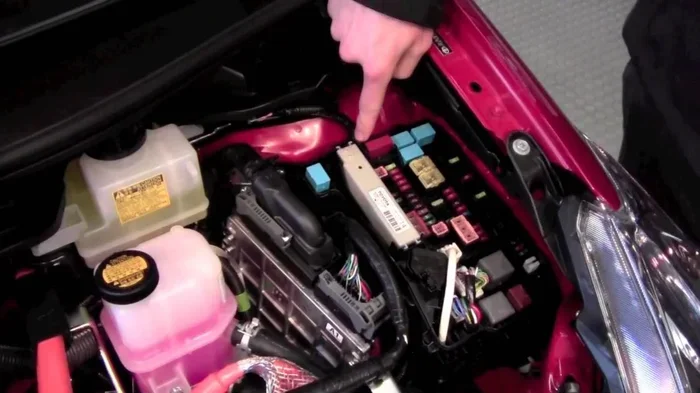
- Open the hood. Locate the 12-volt battery in your Toyota hybrid. In many models, the battery is under the hood. In some Toyota models, it may be in the trunk. Check your owner’s manual if you are not sure where it is.
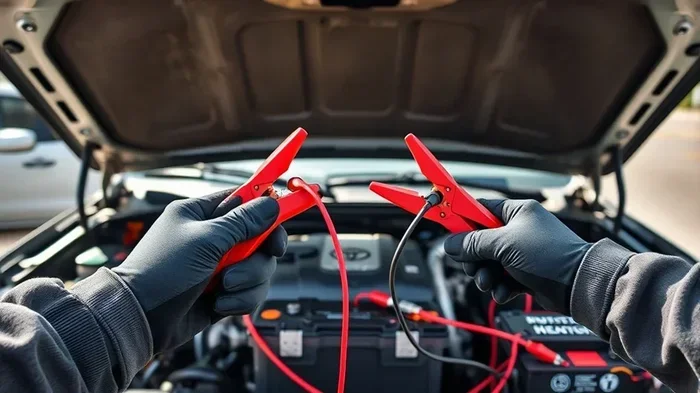
- Connect the red jumper cable to the dead battery’s positive terminal. The positive terminal is marked with a plus sign (+). It is usually red. Attach the red clamp firmly to this terminal.
- Connect the other red clamp to the working car’s positive terminal. Make sure the connection is tight. A loose connection can spark or fail to transfer power.
- Connect the black jumper cable to the working car’s negative terminal. The negative terminal is marked with a minus sign (-). It is usually black.
- Connect the other black clamp to an unpainted metal surface on your hybrid car. Do not connect it directly to the dead battery’s negative terminal. This reduces the risk of sparking near the battery. Look for a bolt or bracket on the engine block.
- Start the working car. Let it run for a few minutes. This sends power to your dead battery.
- Try starting your Toyota hybrid. Press the power button or turn the key. If the car starts, let it run for at least 15 to 20 minutes. This allows the 12-volt battery to recharge.
- Disconnect the cables in reverse order. Remove the black clamp from your car first. Then the black clamp from the working car. Then the red clamp from the working car. Finally, remove the red clamp from your car.
Following these steps carefully ensures a safe and successful jump start. Take your time. Do not rush. Rushing leads to mistakes that can damage your hybrid system.
Quick Tips for a Smooth Jump Start
- Keep your jumper cables in good condition. Inspect them regularly for fraying or damage. Good cables make the process safer and more effective.
- Wear safety gloves and glasses. Protect your hands and eyes from sparks or acid splashes.
- Check the other car’s battery voltage. Make sure it matches your hybrid’s 12-volt system before connecting anything.
- Do not let the jumper cable clamps touch each other. This can cause dangerous sparks and damage both vehicles.
- Read your owner’s manual. Every Toyota hybrid model has specific instructions for jump starting. Your manual may have additional safety warnings or terminal locations.
- Keep the cars about 12 inches apart. Never let them touch, as this can cause electrical issues between the two vehicles.
What If Your Hybrid Won’t Start After Jumping?
Sometimes the jump start does not work right away. This does not always mean something is wrong. Try these steps before calling for help. Wait another 10 minutes with the working car running. Then try starting your hybrid again. If it still does not start, the 12-volt battery may be too old or damaged. You may need to replace it. A new 12-volt battery is inexpensive compared to other car repairs. Do not keep trying to start the car over and over. This can drain the working car’s battery too. If multiple attempts fail, it is time to seek professional help.
What You Need Before Jump Starting
Preparation is the key to a safe jump start. You should always have certain items in your car. These items help you handle emergencies with confidence and reduce stress when things go wrong.
Essential Emergency Kit Items
- Jumper cables — at least 12 feet long for flexibility and easy connection between vehicles
- A portable jump starter pack — this is a great backup if no other car is available nearby
- Safety gloves — rubber gloves protect your hands from sparks and electrical contact
- Safety glasses — protect your eyes from any accidental sparks or acid splashes
- A flashlight — helpful if this happens at night or in a dimly lit area
- Your owner’s manual — for quick reference to battery location and specific procedures
- A portable battery tester — helps you check battery health before a trip
A portable jump starter is especially useful for hybrid owners. These small devices fit easily in your trunk. They can jump start your car without another vehicle being present. They recharge on their own through a wall outlet or USB port. Many models also include USB ports to charge your phone. This makes them a smart investment for any hybrid car owner. Look for one rated for at least 12 volts and 400 amps for reliable performance.
Common Mistakes to Avoid When Jump Starting a Hybrid
Even with good intentions, people make mistakes when jump starting a hybrid car. These mistakes can damage the vehicle. They can also create safety hazards. Knowing what to avoid is just as important as knowing what to do. Here are the most common errors and how to prevent them.
Mistake 1: Connecting Cables to the Traction Battery
This is the most dangerous mistake you can make. The traction battery operates at a very high voltage. It is not the battery you jump start. Always connect cables to the 12-volt auxiliary battery terminals only. If you are unsure which battery is which, consult your owner’s manual or look for the labeled terminals under the hood. The high-voltage cables are often orange and clearly marked. Never touch them.
Mistake 2: Skipping the Metal Ground Point
Some people connect the black cable directly to the dead battery’s negative terminal. In a hybrid car, this is risky. The battery may produce hydrogen gas. A spark near the battery can cause an explosion. Always ground the black cable to an unpainted metal surface away from the battery. Look for a bolt or bracket on the engine block. This simple step can prevent a dangerous situation.
Mistake 3: Leaving the Hybrid Running While Connected
Your Toyota hybrid should be off during the jump start process. Do not start the hybrid engine while the cables are connected. This can damage the hybrid system’s sensitive electronics. Wait until the cables are fully connected and the working car is running before you attempt to start your hybrid. Once your car starts, you can safely remove the cables in the correct order.
Mistake 4: Using the Wrong Voltage
Never use a 24-volt system to jump start a 12-volt hybrid battery. This applies if you are using a diesel truck or heavy equipment. The voltage mismatch can destroy your hybrid’s electrical components. Always match the voltage of the assisting vehicle to your Toyota hybrid. If you are unsure, ask the other driver before making any connections.
Mistake 5: Not Letting the Battery Recharge Long Enough
After a successful jump start, many people drive away immediately. This is a mistake. The 12-volt battery needs time to recharge properly. Drive your hybrid for at least 20 to 30 minutes after a jump start. This gives the battery time to recover a full charge. If the battery was deeply discharged, you may need to drive for an hour or more. Avoid turning off the car during this period.
Comparison: Jump Starting a Hybrid vs. Gas Car
Understanding the differences between jump starting a hybrid and a gas car helps you avoid mistakes. Here is a side-by-side comparison of the two processes.
| Aspect | Toyota Hybrid | Gas Car |
|---|---|---|
| Battery System | 12V auxiliary + high-voltage traction battery | Single 12V battery |
| Battery to Jump | 12V auxiliary battery only | Single 12V battery |
| Engine Status During Jump | Must be off | Can be on or off |
| Grounding Point | Unpainted metal on engine block | Negative battery terminal usually OK |
| Recharge Time After Jump | 20-30 minutes of driving | 15-20 minutes of driving |
| Risk Level | Moderate (high-voltage battery nearby) | Low |
| Special Equipment Needed | Potentially a portable jump starter | Jumper cables only |
When to Call a Professional for Help
There are times when a jump start is not enough. Knowing when to call for help saves you time and money. It also keeps you safe on the road. Do not hesitate to reach out to a professional if you are unsure about anything.
Call a professional if you notice any of these warning signs. Your hybrid dashboard shows a red warning light after the jump start. The car starts but shuts off immediately. You smell sulfur or rotten eggs near the battery area. The battery case looks swollen or cracked. You see heavy corrosion on the battery terminals. Any of these signs suggest a deeper problem. A professional mechanic can diagnose the issue properly and safely.
Also call for help if you are in an unsafe location. If you are on a busy highway or in a dark, isolated area, stay in your car and call roadside assistance. Your safety always comes first. Many Toyota roadside assistance programs include jump start services. Check your warranty or membership for these benefits. It is always better to be safe than sorry.
Expert Insight
Toyota dealerships and certified hybrid technicians recommend keeping your 12-volt battery tested regularly. Most auto parts stores offer free battery testing. A simple test can tell you if your battery is weakening before it dies completely. This proactive approach helps you avoid being stranded unexpectedly. Schedule a battery check every six months, especially before winter.
Preventing a Dead Battery in Your Toyota Hybrid
The best way to deal with a dead battery is to prevent it from happening in the first place. Regular maintenance and smart driving habits go a long way. Here are practical steps you can take to keep your hybrid battery healthy and reliable for years to come.
Regular Maintenance Habits
- Drive your hybrid regularly. The 12-volt battery recharges while the car runs. If your car sits unused for weeks, the battery can slowly drain and lose its charge.
- Turn off all lights and accessories before shutting off the engine. This simple habit prevents many dead battery situations that are completely avoidable.
- Check the battery terminals for corrosion. Clean any white or green buildup with a baking soda and water solution. Corrosion can prevent proper charging.
- Have the battery tested every six months. This is especially important if your hybrid is more than three years old. A weakening battery gives warning signs before it fails completely.
- Keep your trunk organized. Remove unnecessary items that may have put pressure on the battery area or caused a short circuit over time.
Cold Weather Battery Tips
Cold weather is the biggest enemy of car batteries. Low temperatures reduce battery performance significantly. In winter, your hybrid battery may struggle to hold a full charge. Here is what you can do to protect your hybrid in cold conditions. Park your car in a garage or covered area whenever possible. Use a battery blanket or heater if you live in a very cold climate. Keep your hybrid plugged in if it is a plug-in hybrid model. This helps maintain the battery temperature and performance. Drive your car for longer trips in winter. Short trips do not give the battery enough time to recharge fully between drives.
Hybrid Battery Recharge Myths
There are many myths about hybrid battery maintenance that can confuse owners. One common myth is that you need to replace the hybrid battery every few years. This is not true. The traction battery in a Toyota hybrid is designed to last the lifetime of the vehicle. Many Toyota hybrid owners drive over 200,000 miles without ever replacing the traction battery. Another myth is that you should fully drain and recharge the battery periodically. This applies to older nickel-metal hydride batteries but not modern battery management systems. Trust your hybrid system. It manages the battery health automatically. Focus on maintaining the 12-volt auxiliary battery and let the hybrid system handle the rest.
Final Thoughts on Jump Starting Your Toyota Hybrid
Jump starting a Toyota hybrid car is a skill every hybrid owner should have. It is a simple, learnable process that can save you from a stressful roadside situation. The key is understanding the difference between the 12-volt auxiliary battery and the high-voltage traction battery. Always jump start the 12-volt battery using the correct procedure. Never touch the traction battery. Keep your emergency supplies ready in your trunk at all times. And practice prevention through regular maintenance and smart driving habits.
Remember, the hybrid system in your Toyota is designed to be reliable and safe. When you follow the proper steps, jump starting your hybrid is no different from jump starting any other car. Stay calm. Follow the steps carefully. And you will be back on the road in no time. Share this guide with other Toyota hybrid owners. It might just save them from a frustrating morning or a stressful evening on the side of the road. Being prepared is the best defense against any unexpected battery problem.
Frequently Asked Questions
Can you jump start a Toyota Prius hybrid car?
Yes, you can jump start a Toyota Prius. The process is the same as for other Toyota hybrid models. Locate the 12-volt auxiliary battery, which is usually under the hood or in the trunk area. Follow the standard jump start procedure using jumper cables and another vehicle. Always refer to your Prius owner’s manual for specific terminal locations and any model-specific instructions.
What happens if you jump start a Toyota hybrid wrong?
Jump starting a hybrid incorrectly can damage the electrical system or the hybrid control module. Connecting cables to the wrong battery — especially the high-voltage traction battery — is extremely dangerous. It can cause sparks, battery explosions, or permanent damage to the hybrid system. Always double-check which battery you are connecting to before attaching the cables.
How long should I drive after jump starting my Toyota hybrid?
You should drive your Toyota hybrid for at least 20 to 30 minutes after a successful jump start. This allows the 12-volt auxiliary battery to recharge fully. If the battery was severely discharged, you may need to drive for a longer period. Avoid turning off the car during this time so the battery can build up a sufficient charge.
Do Toyota hybrids have a special jump start port?
Some Toyota hybrid models include a dedicated jump start terminal or port under the hood. This makes the process easier and safer. Check your owner’s manual to see if your specific model has this feature. If it does, use the jump start terminal instead of connecting directly to the battery terminals for a cleaner and safer connection.
Can a portable jump starter work for a Toyota hybrid?
Yes, a portable jump starter works great for Toyota hybrids. Make sure the jump starter is rated for 12-volt systems. Follow the manufacturer’s instructions for connecting the device properly. Portable jump starters are especially handy because you do not need another vehicle. They are a reliable backup tool for any hybrid car owner.
Why does my Toyota hybrid battery keep dying?
A repeatedly dying 12-volt battery usually means the battery is old and needs replacement. It can also indicate a parasitic drain in the electrical system. Cold weather and short driving trips can accelerate battery drain significantly. If your battery dies frequently, have a professional test both the 12-volt battery and the charging system to identify the root cause.
=== CONCLUSION ===
Jump starting a Toyota hybrid car is a skill every hybrid owner should have. The process is simple once you understand the two-battery system. Focus on the 12-volt auxiliary battery. Follow the correct steps. Avoid the common mistakes we covered. And keep your emergency supplies ready at all times. With this knowledge, you are prepared for any roadside battery emergency.
Stay safe, stay prepared, and enjoy the benefits of owning a Toyota hybrid. Your hybrid vehicle is designed to be reliable, and with the right knowledge, you can handle unexpected situations with confidence.