How Do I Know If My Toyota Hybrid Battery Is Still Good
Your Toyota hybrid battery gives clear warning signs before it fails. You can check the battery state of health yourself using simple methods like a voltage test, dashboard warning lights, and fuel economy tracking. This guide covers everything you need to know about Toyota hybrid battery health, from early symptoms to professional testing options.
Your Toyota hybrid battery is the heart of your vehicle’s electric system. It works silently behind the scenes, storing energy from regenerative braking and powering the electric motor when you need it most. But like any component, it wears out over time. The question is: how do you know when it is starting to fail?
Knowing the hybrid battery warning signs early can save you hundreds or even thousands of dollars. A Toyota hybrid battery that is starting to degrade does not just die overnight. It gives you clues. Some are subtle. Some are hard to miss. Either way, learning to read them puts you ahead of the problem.
In this guide, we walk you through every method to check your Toyota hybrid battery health. We cover simple DIY tests you can do at home. We also explain what the dashboard lights mean, how fuel economy changes signal trouble, and when it is time to visit a Toyota dealer for a professional battery capacity test. By the end, you will know exactly what to look for and what to do next.
Key Takeaways
- Watch for warning signs: Reduced fuel economy, dashboard alerts, and unusual noises signal hybrid battery problems.
- Perform a voltage test: A simple multimeter check can reveal your battery state of health in minutes.
- Track your fuel economy: A sudden drop in MPG often points to hybrid battery degradation.
- Know your warranty: Toyota hybrid battery warranties typically cover 8-10 years or 100,000 miles.
- See a professional: A Toyota dealer can run a full battery capacity test for accurate results.
- Maintain regularly: Proper Toyota hybrid maintenance extends battery life significantly.
- Act early: Catching battery issues early prevents costly replacement and keeps your hybrid running smoothly.
📑 Table of Contents
- What Does a Toyota Hybrid Battery Do?
- Common Warning Signs Your Hybrid Battery Is Failing
- How to Test Your Toyota Hybrid Battery at Home
- When to See a Professional for Hybrid Battery Testing
- How Long Does a Toyota Hybrid Battery Last?
- Hybrid Battery Replacement: What to Expect
- How to Extend Your Toyota Hybrid Battery Life
- Common Mistakes That Damage Hybrid Batteries
- Final Thoughts on Toyota Hybrid Battery Health
What Does a Toyota Hybrid Battery Do?
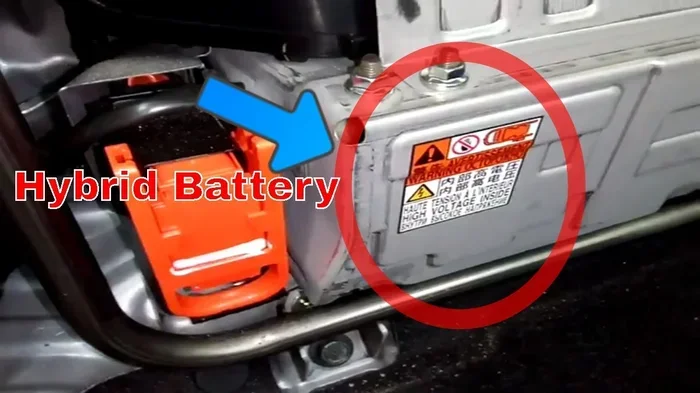
Before you can test your battery, it helps to understand what it does. Your Toyota hybrid battery is a high voltage battery pack that works alongside the gas engine. It stores electrical energy and delivers it to the electric motor. When you brake or coast, the regenerative braking system converts kinetic energy back into stored electricity.
This setup is what makes hybrids so fuel efficient. The battery also powers accessories when the engine is off, like at a red light or in stop-and-go traffic. Without a healthy battery, your hybrid loses its main advantage. The gas engine works harder, fuel economy drops, and you may experience rough transitions between electric and gas power.
Most Toyota hybrids use nickel-metal hydride (NiMH) or lithium-ion (Li-ion) battery packs. Both types last a long time with proper care. But they are not immune to wear. Understanding this helps you set realistic expectations for hybrid battery lifespan.
Common Warning Signs Your Hybrid Battery Is Failing
Your Toyota will tell you when something is wrong with the hybrid battery. You just need to pay attention. Here are the most common hybrid battery failure symptoms to watch for.
Reduced Fuel Economy
This is often the first sign. If your Toyota hybrid battery is losing its ability to hold a charge, the gas engine picks up the slack. You will notice fewer miles per gallon. Track your fuel economy over several fill-ups. A sudden or steady drop is a red flag. Use your trip meter or a fuel tracking app to compare numbers over time.
Dashboard Warning Lights
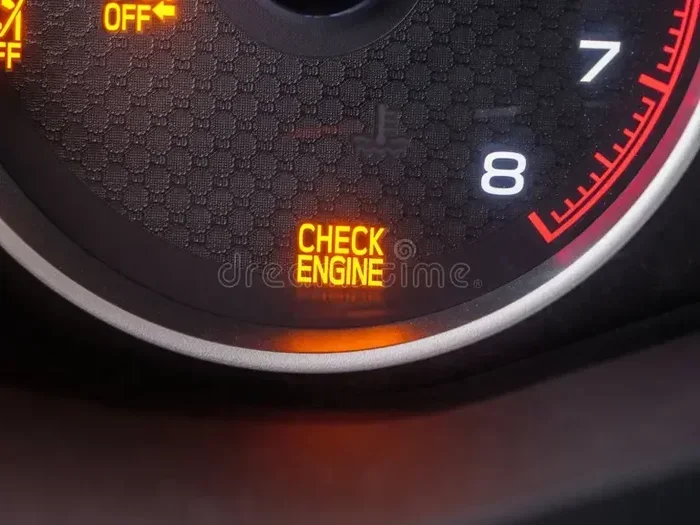
The check engine light or a specific hybrid warning light on your dashboard should never be ignored. A triangle with an exclamation point or a battery icon means the battery management system has detected a problem. These lights are designed to alert you early. Do not wait for them to go away on their own. Address them promptly.
Unusual Noises
A healthy hybrid is quiet. If you hear clicking, grinding, or whining sounds coming from the battery area or under the rear seat, something is wrong. These noises can indicate failing battery modules or a cooling fan working overtime. Listen to your car. It talks to you when something is off.
Rough Transitions Between Electric and Gas Power
One of the best things about a Toyota hybrid is the smooth switch between electric and gas modes. If you feel a jolt, hesitation, or shudder during these transitions, your battery state of health may be declining. The electric motor struggles when the battery cannot deliver consistent power.
Battery Not Holding a Charge
If your hybrid battery keeps draining overnight or you notice the charge level dropping unusually fast, this points to a serious issue. A fully charged Toyota hybrid battery should hold its voltage for days, even when the car is not driven. Rapid discharge is a clear sign of internal cell failure.
Reduced Electric-Only Driving Range
Many Toyota hybrids can drive short distances on electric power alone, especially at low speeds. If this range shrinks dramatically, your battery is losing capacity. This is one of the most common hybrid battery degradation symptoms. It happens gradually, so pay attention to changes over weeks and months.
How to Test Your Toyota Hybrid Battery at Home
You do not need expensive tools to start checking your Toyota hybrid battery health. A few simple tests can give you a good picture of where things stand. Here are the best DIY methods.
Voltage Test with a Multimeter
A battery voltage test is the easiest way to get a quick reading on your hybrid battery health. You will need a digital multimeter, which you can pick up at any auto parts store for under $30.
Here is how to do it:
- Turn off the car and wait at least 10 minutes.
- Locate the hybrid battery service plug (check your owner’s manual for the exact location).
- Set your multimeter to DC voltage.
- Touch the probes to the appropriate terminals.
- Compare the reading to the expected voltage range for your model.
A healthy Toyota hybrid battery should read between 200 and 280 volts depending on the model. If the voltage is significantly lower, your battery may be degrading. For a more precise reading, check each module individually if you have access to the battery internals.
Quick Tip: Always wear insulated gloves when working near the hybrid battery. It operates at high voltage and can be dangerous if handled improperly.
Monitor Fuel Economy Over Time
Your fuel economy is a great indirect indicator of hybrid battery health. A well-functioning hybrid battery keeps fuel consumption low. If you notice a consistent downward trend in MPG, it is worth investigating the battery. Use your dashboard display or a phone app to track numbers over several weeks.
Check the Battery Health Screen
Many newer Toyota models have a battery health or energy flow display on the instrument cluster. This screen shows you the battery state of health in real time. Watch for bars that drop below normal levels or any warning indicators. If your car has this feature, use it regularly.
Listen for the Cooling Fan
The hybrid battery has a dedicated cooling system. If you hear the fan running constantly or louder than usual, the battery may be overheating. Overheating accelerates battery degradation and can cause permanent damage. Have the cooling system inspected if the fan seems to run nonstop.
When to See a Professional for Hybrid Battery Testing
While DIY tests give you a good starting point, a professional battery capacity test provides the most accurate picture. A Toyota dealer or qualified hybrid specialist has diagnostic tools that read data from the battery management system in real time.
They can check individual cell voltages, internal resistance, and overall capacity. This level of detail is impossible to get with a basic multimeter. If your DIY tests show anything concerning, or if you are experiencing multiple warning signs, schedule a professional inspection right away.
During a professional test, the technician will also check the hybrid battery cooling system, wiring connections, and module balance. All of these factors affect battery performance. A comprehensive inspection ensures nothing is missed.
One important thing to know: if your vehicle is still under the Toyota battery warranty, the repair or replacement may be covered. Toyota typically warranties hybrid batteries for 8 years or 100,000 miles (10 years or 150,000 miles in some states). Check your warranty booklet or ask your dealer about coverage before paying for any work out of pocket.
How Long Does a Toyota Hybrid Battery Last?
The hybrid battery lifespan depends on several factors. Driving habits, climate, and maintenance all play a role. Most Toyota owners get 10 to 15 years out of their hybrid battery before needing a replacement. Some go even longer with proper care.
Here are the key factors that affect Toyota hybrid battery longevity:
- Driving habits: Frequent short trips and aggressive driving wear the battery faster.
- Climate: Extreme heat and cold accelerate battery degradation.
- Maintenance: Regular check-ups and proper cooling system care extend battery life.
- Battery type: Lithium-ion batteries generally last longer than nickel-metal hydride.
- Usage patterns: Mix of electric and gas driving keeps the battery balanced.
If you want to maximize your hybrid battery health, check out our guide on how to keep your hybrid battery healthy. It covers daily habits and maintenance routines that make a real difference.
You can also learn about the expected hybrid battery lifespan in more detail in our article on how many years a hybrid will last. Both resources give you practical steps to get the most life out of your battery.
Hybrid Battery Replacement: What to Expect
Sometimes a Toyota hybrid battery has reached the end of its useful life. When that happens, you need to know what to expect. Replacement is not cheap, but it is not always as expensive as you might think.
The hybrid battery replacement cost varies by model and year. For most Toyota hybrids, a new battery pack ranges from $2,000 to $4,000 for parts and labor. However, remanufactured or refurbished batteries can cost significantly less, often between $1,000 and $2,500. Always ask about warranty coverage on any replacement battery.
Here are some things to keep in mind:
- Always use a certified technician or Toyota dealer for installation.
- Ask if your current battery can be refurbished instead of replaced entirely.
- Check if your state offers incentives or rebates for hybrid battery replacement.
- Consider the age and overall condition of your vehicle before investing in a new battery.
For those wondering whether you can still drive with a failing battery, check out our article on can you drive a Prius without the hybrid battery. It explains what happens when the battery fails and what your options are.
How to Extend Your Toyota Hybrid Battery Life
Prevention is always better than cure. The good news is that you can take simple steps to keep your Toyota hybrid battery healthy for years. These habits are easy to adopt and make a noticeable difference.
Drive a Mix of Electric and Gas
Avoid running exclusively on gas or over-relying on electric mode. A balanced driving pattern keeps the battery cells evenly charged and prevents stress on individual modules. Use EV mode when appropriate, but do not force it in every situation.
Keep the Battery Cool
Heat is the enemy of any battery. Park in shaded areas when possible. Make sure your cooling system is working properly. If you live in a hot climate, consider a battery shade or insulated cover for the battery pack area.
Avoid Deep Discharges
Do not let your battery drain completely before recharging. Deep discharges stress the cells and accelerate degradation. Keep the charge level between 40% and 80% for optimal health. This is one of the most impactful things you can do.
Stay on Top of Maintenance
Follow your Toyota maintenance schedule. Regular inspections catch small problems before they become big ones. Ask your dealer to check the hybrid battery cooling system and electrical connections at every service visit.
For more detailed tips on protecting your battery, read our article on how to make your hybrid battery last longer. It is packed with practical advice from hybrid experts.
Common Mistakes That Damage Hybrid Batteries
Some everyday habits quietly harm your Toyota hybrid battery. Knowing what to avoid is just as important as knowing what to do.
- Ignoring warning lights: Dismissing a dashboard alert can lead to irreversible battery damage.
- Frequent short trips: The battery never fully charges, which causes sulfation over time.
- Leaving the car unused for weeks: A dormant battery loses charge and can develop cell imbalance.
- Using the wrong accessories: Aftermarket electronics that tap into the high voltage system can cause problems.
- Skipping coolant checks: The hybrid battery cooling system relies on proper coolant levels to function.
Avoiding these mistakes alone can add several years to your hybrid battery lifespan. It is worth the small effort.
Final Thoughts on Toyota Hybrid Battery Health
Your Toyota hybrid battery is a durable, long-lasting component. But it is not invincible. Regular monitoring, simple at-home tests, and smart driving habits go a long way in keeping it healthy. The key is to stay proactive. Do not wait for a complete failure to take action.
If you notice any of the warning signs we covered, start with a voltage test and fuel economy check. If the results concern you, visit a Toyota dealer for a professional battery capacity test. And remember, your warranty may cover the cost if the battery fails within the covered period.
Taking care of your Toyota hybrid battery means taking care of your wallet and your driving experience. A healthy battery delivers smooth power, excellent fuel economy, and peace of mind. Keep an eye on the signs, stay on top of maintenance, and your hybrid will reward you for years to come.
For additional guidance on maintaining your hybrid vehicle, check out our article on how to check your car battery for general battery health tips that apply across all vehicle types.
Frequently Asked Questions
How do I know if my Toyota hybrid battery is still good?
You can check by monitoring fuel economy, watching for dashboard warning lights, performing a voltage test with a multimeter, and listening for unusual noises. A significant drop in MPG or a hybrid system warning light are the most common signs that your battery needs attention.
How long does a Toyota hybrid battery typically last?
Most Toyota hybrid batteries last between 10 and 15 years with proper care. Driving habits, climate, and regular maintenance all influence battery longevity. Keeping the battery cool and avoiding deep discharges helps extend its life significantly.
Can I drive my Toyota hybrid with a bad battery?
You can technically drive a Toyota hybrid with a failing battery, but it is not recommended. The gas engine will work harder, fuel economy will drop, and you risk sudden failure that could leave you stranded. Have the battery tested as soon as you notice warning signs.
How much does it cost to replace a Toyota hybrid battery?
Replacement costs typically range from $2,000 to $4,000 for parts and labor. Remanufactured batteries are a more affordable option at $1,000 to $2,500. Check your Toyota warranty first, as hybrid battery coverage may reduce or eliminate this cost entirely.
What causes Toyota hybrid battery degradation?
Common causes include extreme temperatures, frequent short trips, deep discharging, and lack of regular maintenance. Over time, individual battery cells lose capacity, which reduces overall battery performance. Staying on top of cooling system care and driving habits helps slow this process.
Is it worth replacing a Toyota hybrid battery?
Yes, in most cases. A new or refurbished battery restores fuel economy, smooth power delivery, and overall vehicle performance. If your car is otherwise in good shape, replacing the battery is often more cost-effective than buying a new vehicle.