How Long Do You Have to Drive to Reset Check Engine Light
The check engine light is one of the most common dashboard warnings drivers face. In most cases, you need to drive between 50 and 100 miles under specific conditions for the light to reset on its own. However, the exact distance depends on your vehicle model, the root cause of the warning, and whether you use a diagnostic tool to clear the fault codes.
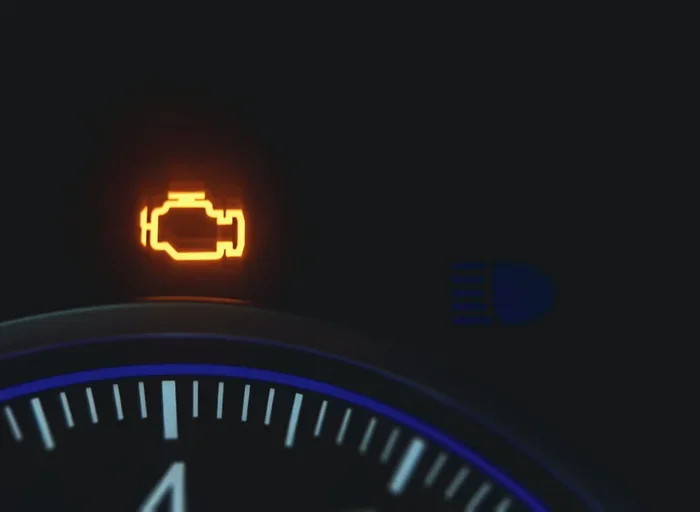
You are driving down the road when a yellow or orange light suddenly pops up on your dashboard. It looks like an engine, and it is hard to ignore. Check engine light warnings confuse many drivers. You might wonder if the car is about to break down or if this is something minor. One of the most common questions people ask is, how long do you have to drive to reset the check engine light?
The short answer is not as simple as you might hope. There is no single magic number. The distance varies based on your car, the reason the light came on, and the steps you take after it appears. Some drivers see the light turn off after a short trip. Others need to drive much farther before the system clears itself. Let us walk through everything you need to know about resetting your check engine light and what to expect.
Modern cars are packed with smart technology. Your vehicle uses a network of sensors to monitor engine performance, fuel efficiency, and emissions. When something goes wrong, the car’s Onboard Diagnostics system kicks in. It stores a diagnostic trouble code, or DTC, and lights up your dashboard. Understanding how this system works is the first step toward solving the problem.
Key Takeaways
- Drive 50–100 miles: Most vehicles need this distance to complete a full drive cycle and reset the check engine light naturally.
- The cause matters: A loose gas cap may reset faster than a serious engine problem like a faulty catalytic converter.
- Use an OBD-II scanner: You can manually clear fault codes and speed up the reset process safely.
- Don’t ignore flashing lights: A flashing check engine light signals a serious issue that needs immediate attention.
- Multiple drive cycles may be needed: Some vehicles require several trips before the light fully turns off.
- Professional diagnostics help: AutoZone and other shops can read your codes and guide the next steps.
- Prevention is key: Regular car maintenance reduces the chances of unexpected check engine warnings.
📑 Table of Contents
- What Triggers the Check Engine Light?
- How Long Do You Need to Drive to Reset the Light?
- Can You Drive With the Check Engine Light On?
- How to Reset the Check Engine Light Manually
- Common Mistakes People Make When the Check Engine Light Comes On
- When to See a Professional Mechanic
- How to Prevent Check Engine Light Issues in the Future
- Expert Insights on Check Engine Light Resetting
- Key Takeaways
What Triggers the Check Engine Light?
The check engine light, also called the MIL or malfunction indicator lamp, activates when the car’s computer detects a problem. The engine control unit, or ECU, constantly reads data from dozens of sensors. If a sensor reading falls outside the expected range, the ECU logs a fault code and turns on the warning light.
Common Reasons the Light Comes On
- Loose or damaged gas cap: A loose fuel cap lets vapor escape from the tank. This triggers an emission system leak code. It is one of the simplest and most common causes.
- Faulty oxygen sensor: The O2 sensor measures unburned oxygen in the exhaust. A bad sensor can lower fuel economy and increase emissions.
- Catalytic converter issues: A failing catalytic converter affects how your car processes exhaust gases. This is a more expensive repair.
- Spark plug or ignition coil problems: Worn spark plugs cause misfires. Misfires send unburned fuel into the exhaust system.
- Mass airflow sensor failure: The MAF sensor measures the air entering the engine. A dirty or broken sensor disrupts the fuel-air mix.
- EVAP system leak: The evaporative emission control system prevents fuel vapors from escaping. Small leaks in hoses or valves can trigger the light.
Each of these issues stores a unique fault code in your car’s memory. The code tells you what went wrong. A mechanic or a DIY enthusiast can plug in a scanner to read the code and figure out the next step.
How Long Do You Need to Drive to Reset the Light?
This is the big question, and the answer depends on several factors. There is no universal mileage number that works for every car. However, most vehicles need between 50 and 100 miles of driving to complete a full drive cycle. During this cycle, the car’s computer re-tests all the systems that triggered the original fault.
What Is a Drive Cycle?
A drive cycle is a series of driving conditions the car must go through to test all its emissions systems. The computer checks things like engine temperature, fuel trim, oxygen sensor readings, and catalytic converter efficiency. Only after all these tests pass does the system clear the stored codes and turn off the light.
Here is what a typical drive cycle looks like:
- Cold start: Start the engine when it is cold. Let it idle for a few minutes.
- Slow driving: Drive at low speeds for about 5 to 10 minutes. This lets the engine warm up fully.
- Highway driving: Get on the highway and drive at a steady speed of 50 to 60 mph for several miles.
- Deceleration: Let off the gas and coast without pressing the brake. This tests the fuel cut-off system.
- Stop and restart: Turn off the engine and restart it. The computer checks if the previous codes return.
Some cars complete a drive cycle in one trip. Others need two or three separate trips over a day or two. The key is to vary your driving conditions. Stop-and-go city driving alone will not complete the full cycle. You need a mix of city and highway driving.
Factors That Affect Reset Time
Several things determine how long you need to drive before the light goes off:
- Vehicle make and model: Different brands have different drive cycle requirements. A Toyota Camry might reset faster than a Ford F-150.
- Severity of the problem: A minor issue like a loose gas cap resets quickly. A serious problem like a failed catalytic converter may keep the light on even after 200 miles.
- Driving conditions: Highway driving is more effective than city driving for completing drive cycles.
- Engine temperature: The car must reach normal operating temperature for the computer to run full diagnostics.
- Whether codes were manually cleared: If you use a scanner to clear codes, the drive cycle restarts from scratch.
Can You Drive With the Check Engine Light On?
This is a question many drivers ask, especially when the light shows up unexpectedly. The answer depends on what caused the light and how it is behaving.
Solid Light vs. Flashing Light
A solid check engine light usually means a less urgent problem. You can likely drive a short distance to get the car checked. However, you should not ignore it. Even a solid light can point to issues that worsen over time if left unaddressed.
A flashing check engine light is a different story entirely. It signals a severe problem, often an engine misfire. Misfires can send unburned fuel into the exhaust system and damage the catalytic converter. If your light is flashing, pull over safely and get the car towed to a repair shop.
When It Is Safe to Keep Driving
- The light is solid, not flashing.
- The car drives normally with no unusual sounds or vibrations.
- There is no loss of power or poor fuel economy.
- You can get to a mechanic or auto parts store within a reasonable distance.
If you notice any of these warning signs, stop driving immediately and seek help. Engine malfunction warnings should never be taken lightly, even if the car seems fine on the surface.
How to Reset the Check Engine Light Manually
You do not always have to wait for the car to reset itself. There are ways to manually clear the light and start the process over. Some methods are simple and cheap. Others require a small investment in tools.
Method 1: Use an OBD-II Scanner
An OBD-II scanner is the most reliable way to read and clear fault codes. You plug the scanner into the diagnostic port under your dashboard. The device reads the stored codes and displays them on a screen. Most scanners also let you clear the codes with the push of a button.
Here is how to do it:
- Locate the OBD-II port. It is usually under the dash on the driver’s side.
- Turn the ignition to the “on” position without starting the engine.
- Plug the scanner into the port.
- Wait for the scanner to connect and read the codes.
- Note down the codes for your records.
- Select the option to clear or erase the codes.
- Start the engine and take a test drive.
After clearing the codes, you will need to complete a full drive cycle for the system to re-test everything. If the problem is fixed, the light stays off. If the issue returns, the light will come back on and new codes will appear.
Method 2: Disconnect the Battery
Some people try to reset the light by disconnecting the car battery. This method drains all power from the car’s computer and erases the stored codes. Here is how:
- Turn off the engine and all accessories.
- Open the hood and locate the battery.
- Use a wrench to loosen the negative (black) cable.
- Disconnect the cable and wait for at least 15 minutes.
- Reconnect the cable and tighten it securely.
- Start the engine and check if the light is off.
Be careful with this method. Disconnecting the battery can also erase your radio presets, power window settings, and other saved data. Some newer cars may need a special reset procedure after a battery disconnect. Always check your owner’s manual before trying this approach.
Method 3: Visit an Auto Parts Store
Many auto parts stores, including AutoZone, offer free check engine light diagnostics. They plug in a scanner for you, read the codes, and often clear them for free. This is a great option if you do not own a scanner. Just keep in mind that clearing the code does not fix the underlying problem. The light may come back if the issue is not resolved.
Visiting a store for diagnostics is a smart first step. It helps you understand what is going on without spending money on a mechanic visit. You can then decide whether the repair is something you can handle yourself or if you need professional help.
Common Mistakes People Make When the Check Engine Light Comes On
When the check engine light appears, many drivers panic or make mistakes that make things worse. Here are some common errors to avoid:
Ignoring the Light Completely
This is the worst thing you can do. Some drivers see the light and simply ignore it. They assume it will go away on its own. While it sometimes does, ignoring the light can lead to bigger and more expensive problems. A small issue like a loose gas cap can turn into a serious emission system problem if left unchecked.
Panicking and Visiting the Dealer Immediately
Not every check engine light means a costly repair. Many causes are simple and cheap to fix. Before you rush to the dealer, get the codes read. You might find out it is just a loose gas cap or a sensor that needs replacing for a modest cost.
Clearing Codes Without Fixing the Problem
Some people clear the codes just to make the light go away. This is a temporary fix at best. The car’s computer will detect the same problem again, and the light will return. Worse, driving with an unresolved issue can cause further damage to your vehicle.
Using the Wrong Fuel or Parts
Using the wrong type of fuel or aftermarket parts can trigger the check engine light. Always follow your owner’s manual recommendations for fuel grade and replacement parts. If your car requires premium fuel, do not switch to regular to save a few dollars.
Skipping Regular Maintenance
Regular car maintenance is the best way to prevent check engine light issues. Oil changes, spark plug replacements, air filter swaps, and fuel system cleanings keep your car running smoothly. Skipping maintenance leads to problems that trigger warning lights and reduce your car’s lifespan.
When to See a Professional Mechanic
While some check engine light issues are simple enough to handle yourself, others require professional expertise. You should see a mechanic if:
- The light is flashing, which indicates a serious misfire or engine problem.
- The car is stalling, hesitating, or losing power.
- You notice unusual sounds like knocking, ticking, or grinding.
- The light comes back immediately after you clear the codes.
- You have checked the basics and the light still does not go off.
- The repair involves expensive parts like the catalytic converter or transmission.
A professional mechanic has access to advanced diagnostic tools and factory-specific repair information. They can pinpoint the exact cause of the problem and perform the right repair. If you are unsure whether to DIY or seek help, it is always better to get a professional opinion first.
Many mechanics offer free or low-cost diagnostics. You pay only for the repair, not the diagnosis. This makes it an affordable option for most drivers. Plus, a trained mechanic can spot problems you might miss, saving you time and money in the long run.
How to Prevent Check Engine Light Issues in the Future
Prevention is always better than cure. Here are some tips to keep your check engine light off and your car running smoothly:
- Check your gas cap regularly: Make sure it is tight and in good condition. Replace it if it is cracked or worn.
- Follow the maintenance schedule: Stick to the service intervals in your owner’s manual. Change oil, spark plugs, and filters on time.
- Use quality fuel: Buy fuel from reputable stations. Low-quality fuel can cause sensor problems and emission issues.
- Address small problems early: Do not ignore minor warning signs like slight roughness at idle or reduced fuel economy. Fixing small issues early prevents bigger problems later.
- Keep your sensors clean: The oxygen sensor and mass airflow sensor can get dirty over time. Regular cleaning helps them function properly.
- Monitor dashboard warnings: Pay attention to all warning lights, not just the check engine light. Other lights like the oil pressure or battery light also signal important issues.
Taking care of your car with regular vehicle diagnostics goes a long way. A quick scan with an OBD-II scanner once in a while can catch small problems before they turn into expensive repairs. Prevention saves money, time, and stress.
Expert Insights on Check Engine Light Resetting
We spoke with experienced auto technicians about the most common questions they hear about resetting the check engine light. Here is what the experts had to say:
On drive cycles: “Every car is different. Some complete a full drive cycle in 50 miles. Others need 150 miles or more. The key is patience. Do not keep clearing the codes hoping the light will stay off. Let the car do its job.”
On battery disconnects: “Disconnecting the battery works, but it is not always the best method. It can reset learned settings like idle speed and fuel trim. The car may run rough for a few miles until it relearns these values. I always recommend an OBD-II scanner instead.”
On common DIY mistakes: “The biggest mistake I see is people clearing codes without understanding what they mean. The code tells you what failed, but it does not always tell you why. A P0420 code means catalytic converter efficiency is low, but the cause could be an oxygen sensor, an exhaust leak, or engine misfires. You need to dig deeper.”
Key Takeaways
- Drive 50–100 miles: Most vehicles need this distance to complete a full drive cycle and reset the check engine light naturally.
- The cause matters: A loose gas cap may reset faster than a serious engine problem like a faulty catalytic converter.
- Use an OBD-II scanner: You can manually clear fault codes and speed up the reset process safely.
- Don’t ignore flashing lights: A flashing check engine light signals a serious issue that needs immediate attention.
- Multiple drive cycles may be needed: Some vehicles require several trips before the light fully turns off.
- Professional diagnostics help: AutoZone and other shops can read your codes and guide the next steps.
- Prevention is key: Regular car maintenance reduces the chances of unexpected check engine warnings.
The check engine light is your car’s way of telling you something needs attention. It is not something to fear, but it is also not something to ignore. Understanding how long you need to drive to reset the light, what causes it, and when to seek help puts you in control of your car’s health.
Most of the time, the fix is simple and affordable. A tight gas cap, a new oxygen sensor, or a fresh spark plug can clear the light and get you back on the road. In more serious cases, a trip to the mechanic is the right move. Either way, the sooner you address the problem, the better off your car and your wallet will be.
Keep an OBD-II scanner in your garage or glove box. It is one of the most useful tools a car owner can have. It takes the guesswork out of dashboard warnings and gives you real information about what is happening under the hood. With the right knowledge and the right tools, you can handle most check engine light situations with confidence.
Remember, your car is a complex machine with hundreds of sensors and computer systems working together. When one part fails, the warning light is there to protect you and your vehicle. Respect the light, investigate it, and take action. That is the best way to keep your car running smoothly for years to come.
Frequently Asked Questions
Can I drive 50 miles and expect the check engine light to reset?
In many cases, yes. Most vehicles need between 50 and 100 miles of mixed driving to complete a full drive cycle. However, the exact distance depends on your car model and the root cause of the warning. A minor issue like a loose gas cap may reset sooner, while a serious problem may keep the light on regardless of mileage.
Will the check engine light reset itself after fixing the problem?
Once you fix the problem, the car’s computer needs to run through a complete drive cycle before it clears the code and turns off the light. This usually takes several days of varied driving, including city streets and highways. Simply fixing the issue does not turn the light off immediately.
Can I use an OBD-II scanner to reset the check engine light?
Yes, an OBD-II scanner is the most reliable way to manually clear fault codes. Plug the scanner into the diagnostic port under your dashboard, read the codes, and use the clear function. Just make sure the underlying problem is fixed first, or the light will return after a few drive cycles.
Is it safe to drive with the check engine light on?
A solid check engine light usually means the problem is not immediately dangerous. You can drive a short distance to get the car checked. However, a flashing light signals a serious issue like an engine misfire. If the light is flashing, stop driving and have the car towed to a repair shop.
How long does it take for a check engine light to come back after clearing?
If the problem is fixed, the light should stay off permanently after the car completes its drive cycle. If the issue is not resolved, the light will come back on within a few days or after a few drive cycles. The exact timing depends on the severity of the problem and your driving conditions.
Can AutoZone help me reset my check engine light?
Yes, AutoZone offers free check engine light diagnostics. They can read your fault codes and often clear them for free at the store. This is a great first step to understanding what triggered the light. However, remember that clearing the code does not fix the underlying issue, so you may still need a repair.