Do Tundras Hold Their Value After Years of Ownership
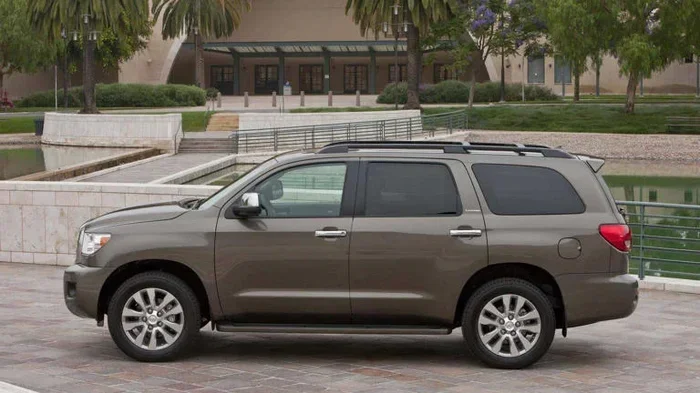
Do Tundras Hold Their Value? Yes, the Toyota Tundra is known for strong value retention compared to many full-size trucks. With solid reliability, high buyer demand, and a reputation for durability, the Tundra depreciates slower than most competitors. Understanding the factors behind this can help you make a smarter buying or selling decision.
When you buy a Toyota Tundra, you are not just buying a truck. You are buying a piece of the American automotive landscape. The Tundra has been a staple in the full-size truck segment for over two decades. But one question keeps coming up from buyers and sellers alike: Do Tundras Hold Their Value after years of ownership?
The short answer is yes. The Toyota Tundra has a well-earned reputation for holding its value better than many competing trucks. But the full picture is more nuanced. Depreciation rates, trim levels, maintenance habits, and market demand all play a role. In this article, we break down everything you need to know about Tundra value retention. Whether you are buying new or shopping for a used model, this guide will help you make an informed decision.
Truck buyers are a unique bunch. They want power, durability, and practicality. But they also want to know their investment will last. The Tundra delivers on all fronts. Its strong build quality and Toyota engineering mean fewer surprises down the road. And when it comes time to sell, Tundra owners often find they lose less money compared to owners of other full-size trucks.
Key Takeaways
- Strong Value Retention: The Toyota Tundra holds its value better than most full-size trucks on the market.
- Reliability Drives Resale: Known for old Toyota Tundra reliability, the Tundra attracts buyers looking for a dependable workhorse.
- Trim Matters: Higher trims like the TRD Pro and Limited tend to retain more value over time.
- Market Demand Is High: Toyota brand loyalty and truck demand keep Tundra prices stable in the used market.
- Maintenance Helps: Regular upkeep and proper care significantly slow depreciation and boost resale price.
- Compare Before You Buy: Understanding how the Tundra stacks up against competitors like the Ram 1500 and Ford F-150 helps you make a smart choice.
📑 Table of Contents
- Understanding How Tundras Depreciate
- Factors That Affect Tundra Value Retention
- Tundra Trim Levels and Their Resale Performance
- How Tundra Reliability Impacts Resale Value
- Tundra vs. Other Full-Size Trucks
- Tips to Maximize Your Tundra’s Value Over Time
- Common Mistakes That Reduce Tundra Value
- Expert Insights on Tundra Value Retention
- Final Thoughts: Do Tundras Hold Their Value?
Understanding How Tundras Depreciate
Every vehicle loses value over time. This is called depreciation. But not all trucks depreciate at the same rate. The Toyota Tundra tends to depreciate slower than the industry average. On average, a new Tundra loses about 15% to 20% of its value in the first year. By the fifth year, total depreciation typically lands around 35% to 45%. Compare that to some competitors, and the Tundra holds up very well.
Depreciation is influenced by several factors. Brand reputation, reliability ratings, and market demand all contribute. Toyota has built a loyal following over the decades. This loyalty translates directly into stronger resale numbers. When buyers walk onto a lot looking for a used truck, the Tundra often sits at the top of their list.
What Is a Typical Tundra Depreciation Curve?
Here is a general look at how a Tundra might depreciate over time:
- Year 1: 15% to 20% drop from original price
- Year 3: Around 25% to 30% depreciation
- Year 5: 35% to 45% depreciation
- Year 10: 55% to 65% depreciation
These numbers can vary based on mileage, condition, and trim level. A well-maintained Tundra with low mileage will always sit closer to the lower end of these ranges. The key takeaway is that the Tundra depreciates more slowly than many trucks in its class.
Factors That Affect Tundra Value Retention
Not every Tundra holds its value the same way. Several factors determine how well your truck retains its worth. Understanding these factors can help you make smarter decisions as a buyer or seller.
1. Mileage and Usage
Mileage is one of the biggest drivers of depreciation. A Tundra with 30,000 miles will always be worth more than one with 100,000 miles. But mileage alone does not tell the whole story. How the truck was used matters too. A Tundra used for light towing and daily commuting will hold value better than one used for heavy hauling in rough conditions.
If you plan to keep your Tundra for a long time, keeping mileage reasonable is one of the best things you can do. Regular highway driving is gentler on the truck than constant stop-and-go city use. Either way, the Tundra’s durable powertrain handles both with ease.
2. Maintenance and Service History
Buyers love a clean service record. When you sell your Tundra, having documented maintenance gives buyers confidence. It shows the truck was cared for properly. This includes oil changes, brake inspections, tire rotations, and any major service milestones. A Tundra with a full service history will almost always sell for more than one without.
Toyota trucks are known for their longevity. But even the most dependable truck needs regular care. Staying on top of scheduled maintenance is the simplest way to protect your investment. If you want to learn more about keeping your Toyota in top shape, check out our guide on Toyota Tundra dependability.
3. Condition and Cosmetic Appearance
First impressions matter when selling a truck. A well-maintained exterior and clean interior make a big difference. Dents, scratches, and worn upholstery can all reduce perceived value. Taking care of the cosmetic details is not just about looks. It signals to buyers that the truck was treated well overall.
Touch-up paint pens can help address small scratches before they become bigger problems. They are inexpensive and easy to use. Keeping the truck clean inside and out is one of the easiest ways to preserve its value over the years.
4. Market Demand and Timing
The used truck market fluctuates. During periods of high demand, Tundras hold their value even better. When truck prices are inflated due to supply shortages, depreciation slows down. Conversely, during softer market periods, you might see a steeper drop. Timing your purchase or sale can make a meaningful difference in how much value you gain or lose.
Toyota trucks have consistently strong demand in the used market. The Tundra benefits from this trend. Its reputation for durability means buyers are always looking for well-maintained examples.
Tundra Trim Levels and Their Resale Performance
The Toyota Tundra comes in several trim levels. Each trim has its own fan base and resale characteristics. Understanding how different trims perform in the resale market can help you choose the right one from the start.
SR and SR5 Trims
The SR and SR5 trims are the entry-level configurations of the Tundra lineup. They offer solid capability at a more accessible price point. Because they are the most common trims, they tend to have a larger buyer pool. This can help them sell faster, but the resale value gain is modest compared to higher trims.
That said, a well-maintained SR5 is still a strong value proposition. Many buyers look for these trims as practical, no-frills work trucks. They depreciate at a similar rate to other Tundra trims, making them a solid choice for budget-conscious buyers.
Limited and Platinum Trims
The Limited and Platinum trims add luxury features and upgraded interiors. These trims tend to hold their value better than the base models. The added comfort and premium features attract buyers who want the best of both worlds. A used Limited or Platinum Tundra often commands a higher price per mile than an SR5.
Buyers in the used market are willing to pay more for these trims. The combination of capability and comfort makes them desirable for daily drivers and weekend haulers alike.
TRD Pro and 1794 Edition
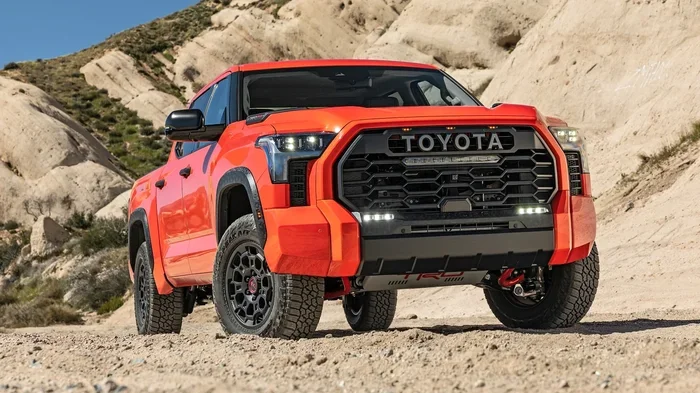
The TRD Pro and 1794 Edition trims sit at the top of the Tundra lineup. These are the performance-oriented and premium off-road focused models. They hold value exceptionally well. In many cases, the TRD Pro and 1794 Edition actually depreciate slower than the base trims.
These trims appeal to enthusiasts and truck lovers who want the best the Tundra has to offer. Their limited production numbers and high demand in the used market help them retain value. If you are considering a Tundra for long-term ownership, these trims are worth a serious look.
How Tundra Reliability Impacts Resale Value
Reliability is the backbone of the Tundra’s value retention story. Toyota has built its brand on building trucks that last. The Tundra is no exception. When a truck is known for lasting 200,000 miles or more with proper care, buyers feel confident paying a premium for used models.
The Tundra’s reputation for old Toyota Tundra reliability is well deserved. Many owners report minimal major issues even after a decade of ownership. This reliability translates directly into stronger resale numbers. Buyers are willing to pay more for a truck they trust will not leave them stranded.
Compared to competitors, the Tundra often scores higher in long-term reliability surveys. Brands like Ram and Ford have made great trucks, but Toyota’s track record in this area is hard to match. This reliability advantage is one of the main reasons Do Tundras Hold Their Value better than many alternatives.
If you are considering a used Tundra, reliability should be one of your top factors. A well-documented maintenance history from a Tundra owner can give you peace of mind and protect your investment. For more insights on keeping older Toyotas in great shape, read our article on old Toyota Tundra reliability.
Tundra vs. Other Full-Size Trucks
To truly understand how the Tundra holds its value, it helps to compare it directly with the competition. The full-size truck segment is crowded, but the Tundra consistently ranks near the top for value retention.
Tundra vs. Ford F-150
The Ford F-150 is the best-selling truck in America. It is also a strong value retainer. However, the Tundra typically depreciates at a slightly slower rate. The F-150 has more trim options and a wider range of engine choices, which can create more variation in resale numbers. The Tundra’s more focused lineup simplifies the buying and selling process.
Tundra vs. Ram 1500
The Ram 1500 is known for its smooth ride and upscale interior. In terms of value retention, the Ram holds up reasonably well. But the Tundra edges it out in long-term resale numbers. The Ram’s more complex technology and electronics can sometimes lead to higher repair costs down the road, which affects used pricing.
Tundra vs. Chevrolet Silverado
The Silverado is another strong competitor in the full-size truck segment. It offers great capability and a comfortable ride. However, the Tundra tends to hold its value slightly better over a five-year ownership period. Toyota brand loyalty and the Tundra’s reputation for durability give it a meaningful edge.
Tips to Maximize Your Tundra’s Value Over Time
Want to get the most out of your Tundra when it is time to sell? Follow these practical tips to slow depreciation and boost your resale price.
1. Keep Up with Regular Maintenance
Stick to the manufacturer’s recommended service schedule. Change the oil on time, rotate the tires, and address small issues before they become big problems. A complete service record is one of the strongest selling points for any used truck.
2. Avoid Modifications That Alienate Buyers
While aftermarket upgrades can be fun, they can also reduce resale value. Aggressive lowering kits, excessive body modifications, and unconventional paint colors may narrow your buyer pool. If you do modify your Tundra, keep the original parts so you can revert changes before selling.
3. Protect the Exterior and Interior
Use a quality truck cover if you park outside. Apply ceramic coating or wax regularly to protect the paint. Seat covers and floor mats keep the interior looking fresh. These small steps add up to a big difference in perceived value.
4. Sell at the Right Time
Timing your sale can have a big impact on the price you get. Spring and early summer tend to be strong seasons for truck sales. Avoid selling during periods of market saturation when there are more trucks than buyers.
5. Know Your Truck’s Value Before Listing
Research comparable listings in your area before putting your Tundra up for sale. Understanding the actual cash value of a car helps you set a realistic price and negotiate confidently. For a detailed guide on this process, visit our actual cash value of a car article.
6. Keep Records of Major Repairs
If you have replaced major components like the alternator, battery, or other drivetrain parts, keep the receipts. Buyers love transparency. Documenting these repairs shows the truck has been well cared for and can justify a higher asking price.
7. Consider the Long-Term Ownership Cost
When evaluating the Tundra’s value, factor in ownership costs beyond just depreciation. Fuel economy, insurance, and maintenance all contribute to the total cost of ownership. The Tundra is not the most fuel-efficient truck, but its reliability keeps repair costs lower over time. For insurance-related questions, especially if you are a young driver, check out our article on whether a 17-year-old can get car insurance in their own name.
Common Mistakes That Reduce Tundra Value
Avoiding these common mistakes can save you thousands of dollars when it comes time to sell your Tundra.
- Skipping scheduled maintenance: Even small missed services add up and hurt resale value.
- Ignoring minor damage: Small dents and scratches become bigger problems if left unaddressed.
- Over-modifying the truck: Too many aftermarket changes can turn away practical buyers.
- Selling during a low-demand period: Timing matters more than most sellers realize.
- Setting an unrealistic price: Overpricing your truck leads to longer listing times and eventual price drops.
- Neglecting the interior: A dirty or worn interior makes buyers assume the mechanical condition is also poor.
Expert Insights on Tundra Value Retention
Industry experts consistently rank the Toyota Tundra among the top trucks for value retention. According to recent automotive market analyses, the Tundra loses value at a rate that is 5% to 10% slower than the average full-size truck. This may seem like a small difference, but over a five-year ownership period, it adds up to thousands of dollars.
Toyota’s strong brand equity plays a huge role. The Tundra benefits from the same trust and loyalty that has made Toyota one of the most respected names in the automotive world. When buyers see a used Tundra, they think durability, low cost of ownership, and proven performance.
Truck analysts also point to the Tundra’s simplicity as a value advantage. While competitors pack their trucks with complex technology and electronic systems, the Tundra keeps things straightforward. This simplicity means fewer things to go wrong and lower repair costs over time. For buyers in the used market, this is a compelling proposition.
The Tundra’s strong towing capacity and hauling capability also contribute to its value. Full-size truck buyers prioritize these features, and the Tundra delivers them consistently. Whether you need to haul equipment for work or tow a trailer for the weekend, the Tundra handles the job with confidence.
Final Thoughts: Do Tundras Hold Their Value?
The answer is clear. Do Tundras Hold Their Value after years of ownership? Yes, they do. The Toyota Tundra stands out in the full-size truck segment for its strong value retention. Its reliability, brand reputation, and high buyer demand all work together to slow depreciation and protect your investment.
Whether you are buying a new Tundra or shopping for a used one, understanding how these trucks hold value gives you an advantage. Choose the right trim, stay on top of maintenance, and time your sale wisely. The Tundra rewards owners who take good care of it. For more information on how the Tundra compares to other Toyota models in terms of reliability and value, check out our comparison of Toyota 4Runner value retention.
Owning a Tundra is more than just owning a truck. It is owning a vehicle that is built to last and designed to hold its worth. With proper care and smart decisions, your Tundra will continue to serve you well for years to come and hold onto its value every step of the way.
Frequently Asked Questions
How much does a Tundra depreciate in the first year?
A new Toyota Tundra typically depreciates about 15% to 20% in the first year of ownership. This is slightly lower than the average for full-size trucks. Keeping the truck in good condition and maintaining a clean service record can help minimize that first-year drop.
Which Tundra trim holds its value the best?
The TRD Pro and 1794 Edition trims tend to hold their value the best. These premium trims attract enthusiast buyers who are willing to pay more in the used market. The Limited and Platinum trims also perform well in terms of resale value.
Is a used Tundra a good investment?
Yes, a used Tundra can be a great investment. Because the Tundra depreciates slower than many competitors, buying used allows you to avoid the steepest part of the depreciation curve. A well-maintained used Tundra offers strong reliability and capability at a lower price.
How does the Tundra compare to the F-150 in value retention?
The Tundra generally holds its value slightly better than the Ford F-150 over a five-year period. While the F-150 is the best-selling truck and has a large used market, the Tundra’s reputation for reliability gives it an edge in long-term value retention.
Can I improve my Tundra’s resale value before selling?
Absolutely. Start by completing any pending maintenance and gathering your service records. Address cosmetic issues like scratches or worn interior pieces. Consider removing aftermarket modifications that might limit your buyer pool. A clean, well-documented truck always sells for more.
How many miles can a Tundra last before value drops significantly?
The Tundra can last 200,000 miles or more with proper care. Value drops more gradually compared to many trucks, but high mileage above 150,000 miles will naturally reduce resale price. Keeping the truck well-maintained helps minimize the impact of higher mileage on value.
=== CONCLUSION ===
The Toyota Tundra is a truck that rewards its owners. From strong reliability to solid value retention, the Tundra proves time and again that it is a smart choice in the full-size truck segment. Do Tundras Hold Their Value? The data and the ownership experience both say yes. By understanding the factors that influence depreciation and following the tips in this guide, you can maximize your Tundra’s worth for years to come. Whether you are a first-time truck buyer or a seasoned Tundra owner, this truck delivers on both capability and value.