What Is the Maximum Weight My Car Can Carry Safely
Knowing the maximum weight your car can carry safely is essential for every driver. Your vehicle has specific limits set by the manufacturer, and exceeding them can lead to serious safety risks and costly repairs. This guide breaks down payload capacity, GVWR, and practical tips so you can load your car with confidence and stay within safe limits every time.
Have you ever loaded up your car for a road trip, only to wonder if you are pushing it too far? Maybe you piled in suitcases, camping gear, and the whole family, and then looked at the dashboard warning light with a sinking feeling. Understanding the maximum weight your car can carry safely is one of the most important things every driver should know.
Your vehicle is not just a metal box on wheels. It is a carefully engineered machine with specific limits. Every car, truck, and SUV comes with a maximum weight limit set by the manufacturer. Going over that limit can strain your engine, wear out your brakes faster, and even make your car harder to control on the road. In this article, we will walk you through everything you need to know about payload capacity, GVWR, and how to stay safe on every trip.
Key Takeaways
- Payload capacity is the total weight your car can safely carry, including passengers, cargo, and any accessories.
- You can find your vehicle’s weight limit on the driver’s side door jamb, owner’s manual, or vehicle placard.
- Overloading your car can damage the suspension, brakes, and tires, and it increases the risk of accidents.
- Payload and towing capacity are different, and confusing them can lead to dangerous overloading.
- Simple steps like distributing weight evenly and checking tire pressure help you stay within safe limits.
- Gross Vehicle Weight Rating (GVWR) is the ultimate number that includes the car plus everything in it.
📑 Table of Contents
- Understanding Your Car’s Weight Limits
- How to Find Your Vehicle’s Maximum Weight Capacity
- Payload vs. Towing: What Is the Difference?
- Common Mistakes That Exceed Weight Limits
- Tips for Safely Loading Your Car
- What Happens When You Overload Your Vehicle?
- Expert Tips for Maximizing Safe Cargo Space
- Key Takeaways
- Conclusion
Understanding Your Car’s Weight Limits
Before you start packing for a trip, it helps to understand what those numbers on your car actually mean. The maximum weight my car can carry depends on several factors, and each one plays a role in keeping you safe.
What Is Payload Capacity?
Payload capacity is the total weight your vehicle can carry in its cabin and cargo area. This includes the weight of the driver, all passengers, and everything in the trunk or back seat. It also covers any accessories you have added, like a roof rack or a cargo carrier.
Here is a simple way to think about it. Imagine your car is a bucket. The payload capacity is how much water you can pour into that bucket before it overflows. If you put too much in, things get messy. In real life, overloading your car can cause tire blowouts, reduced braking power, and even structural damage over time.
What Is Curb Weight?
Curb weight is the weight of your car when it is empty but fully fueled. It includes all the standard fluids like oil, coolant, and brake fluid. This number matters because it is the starting point for calculating how much extra weight your car can handle.
To find your payload capacity, you subtract curb weight from the Gross Vehicle Weight Rating (GVWR). The GVWR is the absolute maximum weight your vehicle can be, fully loaded, and still operate safely. Think of it as the hard ceiling your car should never break through.
What Is Gross Vehicle Weight Rating (GVWR)?
The GVWR is the big number you need to remember. It represents the maximum total weight of your vehicle, including the car itself, all passengers, cargo, and any accessories. This number is set by the manufacturer after extensive testing.
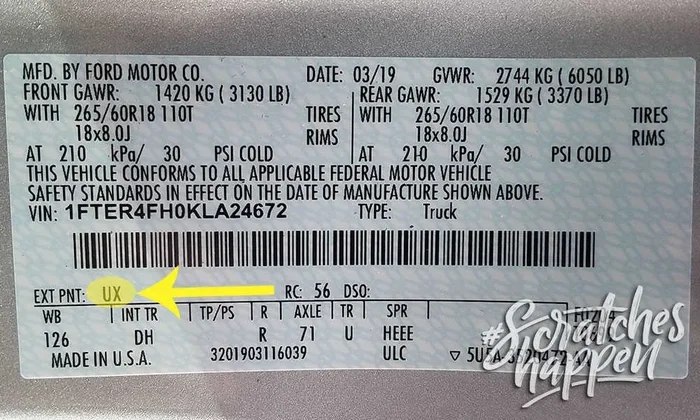
You can usually find the GVWR on a sticker inside the driver’s door frame. It is also listed in your owner’s manual. If you cannot find it, a quick search online with your vehicle’s make, model, and year will bring it up. Never guess this number. Guessing can lead to overloading and dangerous driving conditions.
How to Find Your Vehicle’s Maximum Weight Capacity
Finding the exact weight limit for your car is easier than you might think. There are a few reliable places to look, and each one gives you important information.
Check the Driver’s Side Door Jamb
The most common place to find your car’s weight limits is on the sticker inside the driver’s door. When you open the door, look for a rectangular sticker or plate. It usually lists the GVWR, curb weight, payload capacity, and tire pressure recommendations.
This sticker is your best friend when it comes to loading your car correctly. Take a photo of it with your phone so you always have it handy. That way, you never have to guess when you are packing for a trip.
Read the Owner’s Manual
Your owner’s manual is another excellent resource. Most manuals have a dedicated section on vehicle specifications. Look for terms like “vehicle loading,” “payload,” or “weight limits.” The manual will also explain how to distribute weight properly across the axles.
If you have lost your manual, you can usually find a digital copy on the manufacturer’s website. Simply search for your car’s year, make, and model, followed by “owner’s manual PDF.”
Look Up the Vehicle Placard
Some vehicles have a separate vehicle placard that provides detailed loading information. This is especially common in SUVs, trucks, and vans. The placard may include specific guidance on how to distribute heavy loads and the recommended tongue weight for towing.
Tongue weight is the downward force exerted by a trailer hitch on the tow ball. A good rule of thumb is that tongue weight should be about 10 to 15 percent of the total trailer weight. Too much or too little tongue weight can cause dangerous swaying or loss of control.
Payload vs. Towing: What Is the Difference?
Many people confuse payload capacity with towing capacity. These are two very different numbers, and mixing them up can be dangerous. Let us break down the difference.
What Is Payload Capacity?
Payload capacity refers to the weight your car can carry inside itself. This is everything in the cabin and the cargo area. It includes people, luggage, groceries, sports equipment, and any aftermarket additions like a roof rack or running boards.
For example, if your car has a payload capacity of 800 pounds, that is the total weight of all passengers and cargo combined. If you have four adults averaging 180 pounds each, that is already 720 pounds. You would only have 80 pounds left for luggage and gear.
What Is Towing Capacity?
Towing capacity is the maximum weight your car can pull behind it using a trailer hitch. This is a completely separate number from payload capacity. Towing capacity depends on your engine power, transmission, brakes, and the strength of your chassis.
It is important to note that towing adds extra stress to your vehicle. The maximum towing weight should never be exceeded, and you should always use the right hitch and wiring setup. A proper weight distribution hitch can help spread the load more evenly across all four wheels.
A Quick Comparison
Here is a simple comparison to help you understand the difference between payload and towing:
- Payload capacity: Weight carried inside the vehicle (people and cargo).
- Towing capacity: Weight pulled behind the vehicle using a trailer.
- Both matter: Exceeding either limit can be dangerous and costly.
- Check both numbers: Before any trip, verify you are within both limits.
Common Mistakes That Exceed Weight Limits
Many drivers unknowingly overload their vehicles every day. These common mistakes can put you and others at risk on the road.
Ignoring the Owner’s Manual
One of the biggest mistakes is simply not reading the manual. Many drivers never check their vehicle’s weight limits until something goes wrong. Do not wait for a problem to learn about your car’s capabilities.
Forgetting About Passenger Weight
It is easy to focus on cargo weight and forget about the people in the car. Every passenger counts toward your vehicle load limit. A full car of adults can eat up a surprising portion of your payload capacity before you even pack a single bag.
Overloading the Roof Rack
Roof racks are convenient, but they add weight high up on your vehicle. This raises your center of gravity and can affect handling, especially in windy conditions or sharp turns. Always check the roof rack weight limit and do not exceed it. A heavy load on the roof can make your car feel unstable and increase the risk of a rollover.
Underestimating Cargo Trailer Weight
If you are pulling a cargo trailer, the weight of the trailer itself, plus its contents, counts toward your towing capacity. Many people forget to factor in the weight of the trailer, hitch, and any accessories. Always weigh your fully loaded trailer before hitting the road.
Neglecting Tire Pressure
Underinflated tires can reduce your car’s safe carrying capacity. Proper tire pressure ensures that your tires can handle the weight safely. Check your tire pressure at least once a month and before any long trip.
Tips for Safely Loading Your Car
Loading your car correctly makes a big difference in safety and performance. Follow these practical tips to stay within your vehicle’s limits.
Distribute Weight Evenly
Place heavy items over the axle area, ideally in the center of the cargo space. Avoid putting all the weight on one side or in the trunk only. Uneven weight distribution can cause your car to pull to one side and make steering less responsive.
Secure Everything Properly
Loose cargo can shift while driving, which changes your car’s weight balance unexpectedly. Use bungee cords, cargo nets, or straps to keep everything in place. A heavy item sliding around in the back seat can be very dangerous during sudden braking or a sharp turn.
Check Your Tire Pressure Before Every Trip
Properly inflated tires are essential for safe weight carrying. Underinflated tires flex more, which leads to overheating and potential blowouts. Check the recommended tire pressure on the door jamb sticker and use a reliable tire gauge before every trip.
Use a Weight Scale When in Doubt
If you are unsure whether you are within your limits, visit a truck stop or weigh station and use their public scale. Weigh your vehicle fully loaded and compare the numbers to your GVWR and payload capacity. This is the most accurate way to know if you are safe.
Be Mindful of Add-On Accessories
Every accessory you add to your car takes away from your available payload. Roof racks, aftermarket bumpers, upgraded wheels, and larger tires all add weight. Keep track of these additions and factor them into your calculations.
Know Your Axle Weight Limits
Your car has two axles, front and rear, and each has its own axle weight limit. The front axle supports the steering and braking systems, while the rear axle carries most of the cargo. Make sure the weight on each axle stays within its rated limit. A simple way to check this is to weigh each axle separately at a truck scale.
Consider the Gross Axle Weight Rating (GAWR)
The Gross Axle Weight Rating (GAWR) is the maximum weight each axle can safely support. This number is also found on the door jamb sticker or in the owner’s manual. Staying within GAWR limits protects your suspension, brakes, and tires from premature wear.
What Happens When You Overload Your Vehicle?
Overloading your car is not just a minor inconvenience. It can cause real and serious damage to your vehicle and create dangerous driving conditions.
Strained Suspension and Steering
Excess weight puts enormous pressure on your suspension components, including shocks, struts, and springs. Over time, this can lead to premature wear and costly repairs. Your steering may also feel sluggish or unresponsive, making it harder to navigate tight turns and avoid obstacles.
Reduced Braking Performance
A heavier car needs more distance to stop. When you overload your vehicle, your brakes have to work harder to slow down. This increases stopping distances and raises the risk of rear-end collisions. In emergency situations, the difference can be life or death.
Tire Damage and Blowouts
Overloaded tires overheat quickly, which can lead to blowouts. A tire failure at highway speeds is extremely dangerous. Overloading also causes uneven tire wear, meaning you will need to replace tires more frequently than normal.
Engine and Transmission Stress
Your engine and transmission are designed to handle a specific amount of weight. When you exceed that weight, these components work harder and run hotter. Over time, this can lead to reduced fuel efficiency, overheating, and expensive repairs.
Legal Consequences
Driving an overloaded vehicle is illegal in most places. If you are pulled over, you could face fines, points on your license, or even have your vehicle impounded. In the event of an accident, being over the weight limit could also affect your insurance claim.
Expert Tips for Maximizing Safe Cargo Space
Sometimes you need to carry a lot of stuff, but you also want to stay within your limits. Here are some expert tips to help you get the most out of your vehicle without overloading it.
Pack Smart, Not Just Heavy
Use soft-sided bags and containers instead of rigid boxes. Soft bags conform to the shape of your cargo area and let you fit more efficiently. Remove any unnecessary items from your trunk before a trip. Every pound you eliminate gives you more room for what you actually need.
Consider a Cargo Organizer
A good cargo organizer keeps items neatly stacked and prevents shifting. It also helps you visualize how much space you have left. Many organizers come with compartments that keep small items from rolling around.
Rent a Larger Vehicle When Needed
If you are moving or going on a group trip, renting a larger vehicle might be the smartest choice. A full-size SUV or van will have a much higher cargo capacity than a compact car. It is better to rent than to risk overloading your daily driver.
Plan Multiple Trips
If you cannot fit everything in one trip without exceeding your limits, make two trips. It might take a little more time, but it is far safer than pushing your car beyond its capabilities. Your safety and the longevity of your vehicle are worth the extra effort.
Key Takeaways
- Payload capacity is the total weight your car can safely carry, including passengers, cargo, and accessories.
- You can find your vehicle’s weight limit on the driver’s side door jamb, owner’s manual, or vehicle placard.
- Overloading your car can damage the suspension, brakes, and tires, and it increases the risk of accidents.
- Payload and towing capacity are different, and confusing them can lead to dangerous overloading.
- Simple steps like distributing weight evenly and checking tire pressure help you stay within safe limits.
- Gross Vehicle Weight Rating (GVWR) is the ultimate number that includes the car plus everything in it.
- Always check your numbers before a trip to ensure you are within safe limits and avoid costly repairs or legal issues.
Conclusion
Understanding the maximum weight my car can carry safely is not just about following rules. It is about protecting yourself, your passengers, and your vehicle. Every car has limits, and staying within those limits ensures a smoother, safer, and more enjoyable driving experience.
Take a few minutes to check your vehicle’s payload capacity, GVWR, and axle weight limits. Keep this information handy for every trip, whether it is a quick grocery run or a long road adventure. By loading your car correctly, you reduce wear and tear on your vehicle and give yourself peace of mind on the road.
Remember, the maximum weight my car can carry is there for a reason. Respect those limits, drive smart, and enjoy every journey with confidence. Your car will thank you, and so will your wallet.
Frequently Asked Questions
What happens if I exceed the maximum weight my car can carry?
Exceeding your vehicle’s weight limit can cause serious damage to your brakes, tires, suspension, and engine. It also makes your car harder to control and increases stopping distances. In many places, driving an overloaded vehicle is illegal and can result in fines or vehicle impoundment.
Where can I find the maximum weight limit for my specific car model?
You can find your car’s weight limit on the sticker inside the driver’s door frame, in the owner’s manual, or on the vehicle placard. The key numbers to look for are the GVWR, curb weight, and payload capacity. You can also search online using your car’s make, model, and year.
Is payload capacity the same as towing capacity?
No, they are completely different. Payload capacity is the weight your car can carry inside itself, including passengers and cargo. Towing capacity is the maximum weight your car can pull behind it using a trailer hitch. Always check both numbers before a trip.
Can I increase my car’s maximum weight capacity?
You cannot safely increase your car’s manufacturer-rated weight capacity. Aftermarket upgrades like stronger springs or heavy-duty shocks may improve handling under load, but they do not change the GVWR or payload limits set by the manufacturer. Always stay within the original specifications.
How do I calculate how much weight I am currently carrying?
Add up the weight of all passengers and all cargo in your vehicle. Subtract your curb weight from this total to find your current payload. Compare this number to your payload capacity listed on the door jamb sticker or in the owner’s manual.
Does roof rack weight count toward my payload capacity?
Yes, absolutely. Any weight added to your vehicle, including a roof rack, cargo box, or rooftop carrier, counts toward your total payload capacity. Always check the weight rating of your roof rack and do not exceed it.